
Nylanderia humbloti
- Sci. Name
- Nylanderia humbloti
- Tribe
- Lasiini
- Subfamily
- Formicinae
- Author
- Forel, 1891
- Distribution
- Found in 1 countries
Introduction
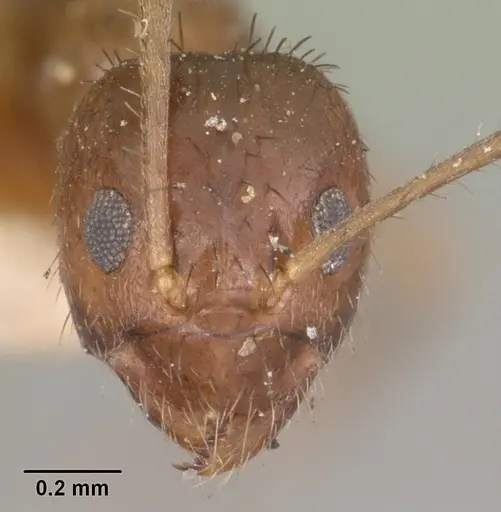
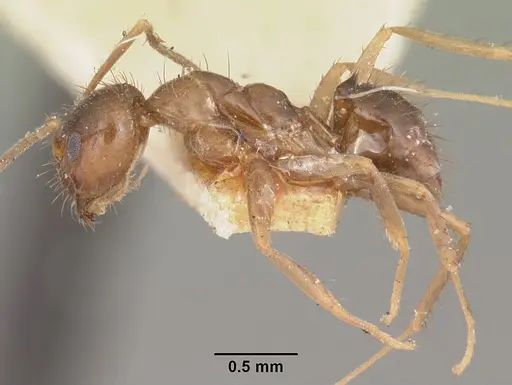
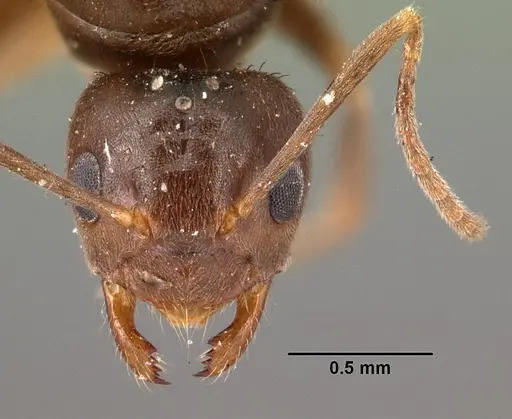
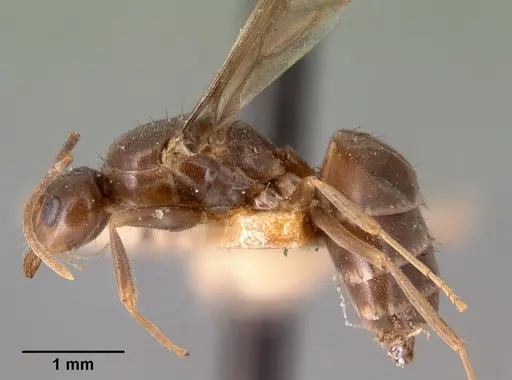
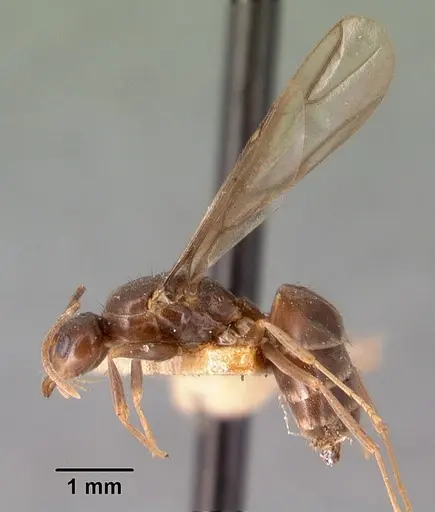
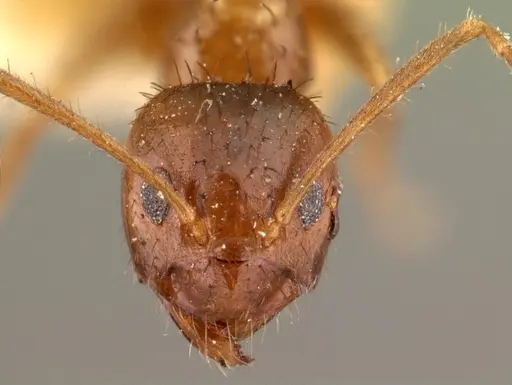
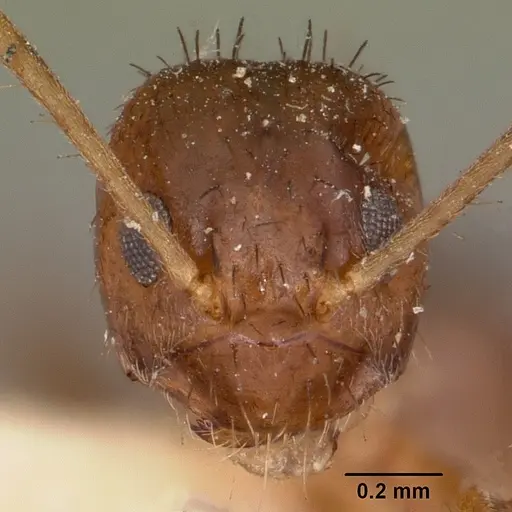
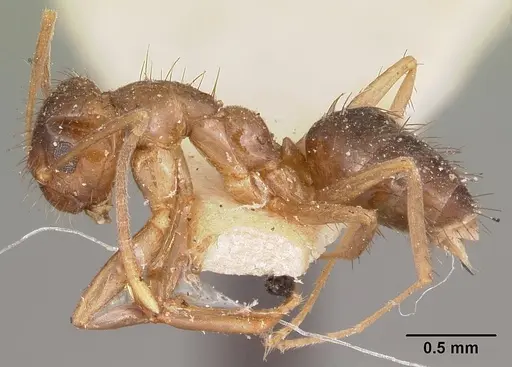
Nylanderia humbloti is a small ant species native to Madagascar, originally described in 1891 as a subspecies of Prenolepis braueri and later raised to species level . It belongs to the subfamily Formicinae, meaning it lacks a stinger and defends itself by spraying formic acid. The species has been recorded in dry deciduous forest and grassland in western Madagascar, including the Beanka Reserve . Specific size measurements are unavailable, but related Nylanderia species are typically small (around 2–3 mm for workers).
Quick Summary
- Difficulty: Medium
- Origin & Habitat: Native to Madagascar (Malagasy Region). Found in dry deciduous forest and grassland habitats in western Madagascar, including the Beanka Reserve, Melaky Region [2].
- Colony Type: Unconfirmed. Colony structure is not documented for this species.
- Size & Growth:
- Queen: Size data unavailable
- Worker: Size data unavailable
- Colony: Unknown
- Growth: Unknown
- Development: Unknown (No specific data on development time available.)
- Antkeeping:
- Temperature: Unknown. Based on its tropical origin, keep warm (roughly 24–28 °C) but monitor colony response. Avoid prolonged cold below 20 °C.
- Humidity: Unknown. Likely moderate to high given its forest habitat, keep nesting substrate moist but not waterlogged.
- Diapause: Unknown. As a tropical species, diapause is unlikely but not confirmed.
- Nesting: Unknown. Based on Nylanderia genus habits, soil, wood, or plaster nests may work. Provide a dark, humid nest chamber.
- Behavior: Poorly documented. As a Formicinae, it cannot sting but may spray formic acid. Due to its small size, careful escape prevention is essential. Specific aggression levels are unknown.
- Common Issues: small size makes escape prevention critical – use fine mesh and tight seals on all openings, limited species-specific data means care requires experimentation and close observation, tropical origin suggests sensitivity to cold temperatures below 20 °C
Housing and Nest Setup
No housing data exists specifically for N. humbloti. Based on general Nylanderia care, a standard test tube setup works for founding, and a Y-tong, plaster, or soil nest can be used for larger colonies. Because of their small size, ensure all openings are sealed with fine mesh or fluon. Keep the nest area dark and humid. Connect to an outworld for foraging.
Feeding and Diet
Specific dietary requirements are undocumented. Nylanderia ants are generally omnivorous, so offering sugar sources (honey water, sugar water) and small protein items (fruit flies, pinhead crickets) is a reasonable starting point. Provide fresh water. Remove uneaten food to prevent mold. Adjust based on colony response.
Temperature and Seasonal Care
Exact temperature needs are unknown. Given its tropical origin, maintain a warm environment (roughly 24–28 °C) and avoid temperatures below 20 °C. A temperature gradient can be beneficial. Diapause is likely not required, but reduce temperature slightly in winter if desired. Observe colony activity to fine-tune conditions.
Behavior and Handling
Behavioral data for N. humbloti is lacking. As a Formicinae, it cannot sting but may spray formic acid. The ants are likely active foragers. Their small size makes them excellent escape artists – use fluon or PTFE barriers on all enclosures. Handle colonies gently during transfers.
Frequently Asked Questions
How long does it take for Nylanderia humbloti to produce first workers?
Unknown. No specific development data is available for this species.
Can I keep multiple Nylanderia humbloti queens together?
Unknown. Colony structure is not documented. It is safest to keep single queens unless experiments suggest otherwise.
What do Nylanderia humbloti eat?
Unknown. Based on related species, a diet of sugar water and small insects is a good initial guess, but not confirmed.
Are Nylanderia humbloti good for beginners?
Difficulty is estimated as Medium due to limited care knowledge. Beginners should be comfortable with experimentation and extra escape-proofing.
Do Nylanderia humbloti need hibernation?
Unknown. As a tropical species, diapause is unlikely, but not confirmed.
How big do Nylanderia humbloti colonies get?
Unknown. Colony size has not been documented for this species.
Why are my Nylanderia humbloti escaping?
Their small size allows them to fit through tiny gaps. Use fine mesh, tight seals, and barriers like fluon or PTFE on all openings.
When should I move my colony to a formicarium?
Unknown. A general guideline is to move when the test tube becomes crowded (e.g.,50–100 workers), but this is not species-specific.
Report an Issue
The current care sheet is based fully on literature. See inconsistencies, or something that's incorrect? Please , it will be resolved after review from an admin. Contributing to the blogs tab also helps providing information, to make us be able to further improve the caresheets. Thank you for your support!
References

This caresheet is licensed under CC BY-SA 4.0 .
Community Blogs
CASENT0101315
View on AntWeb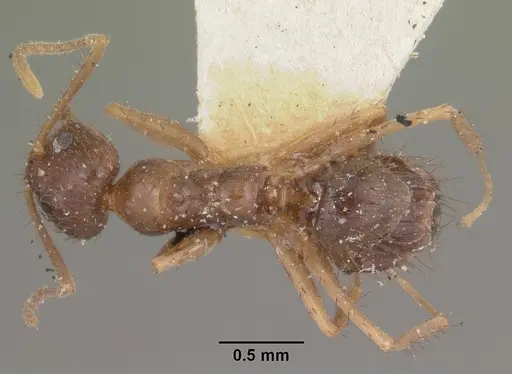
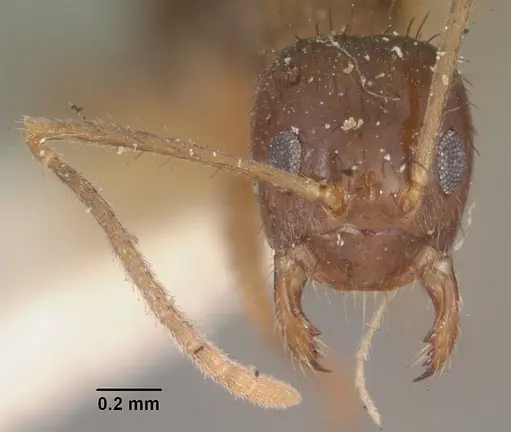
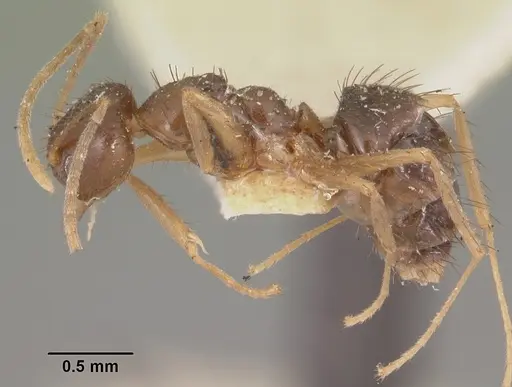
CASENT0101316
View on AntWeb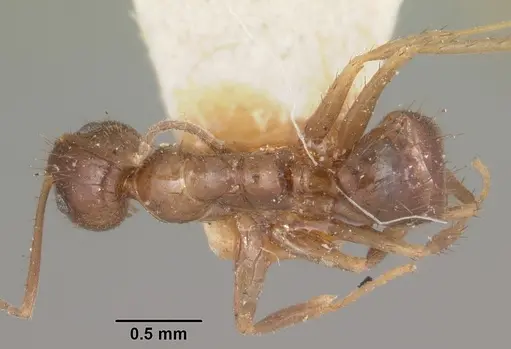
CASENT0101418
View on AntWeb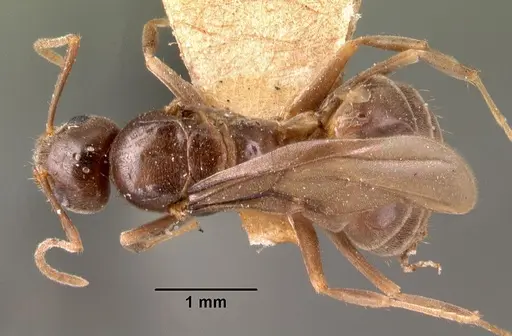
CASENT0101488
View on AntWeb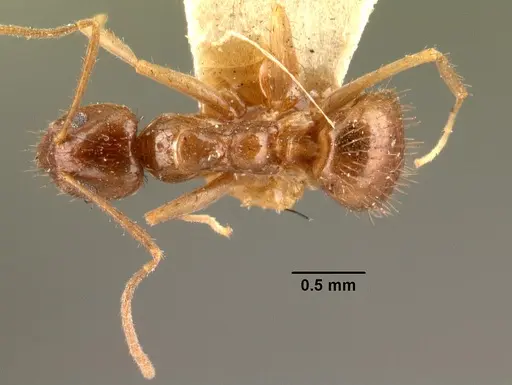
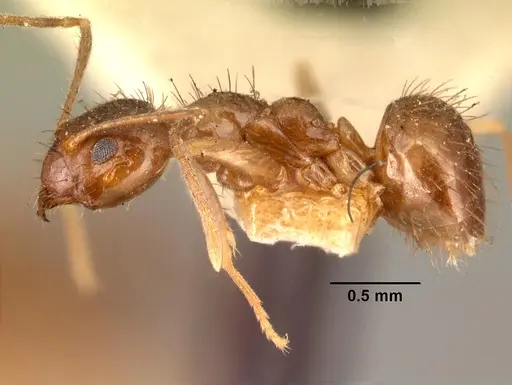
CASENT0101489
View on AntWeb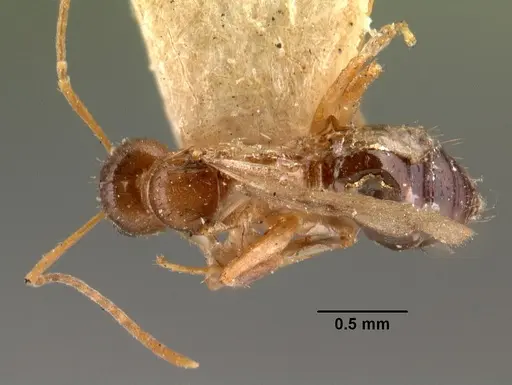
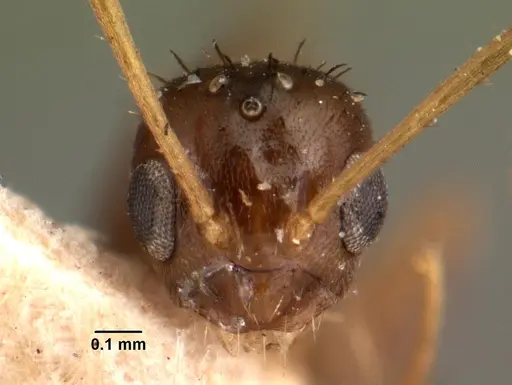
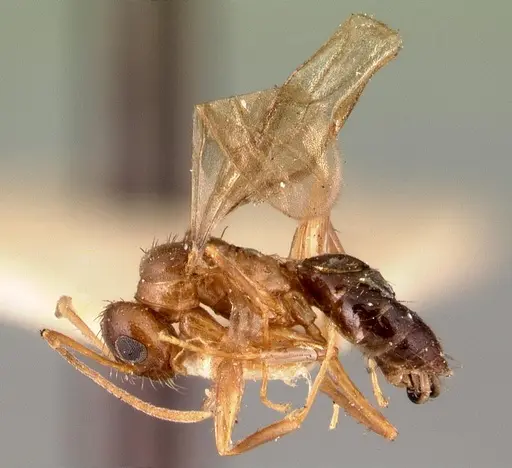
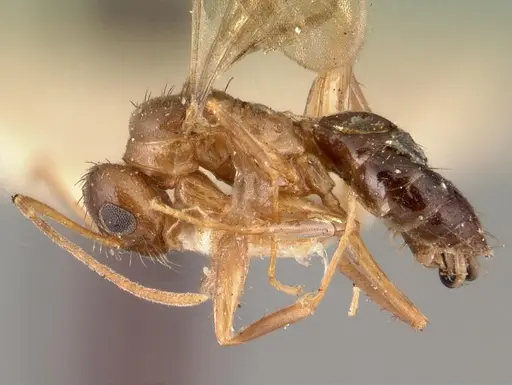
CASENT0101590
View on AntWeb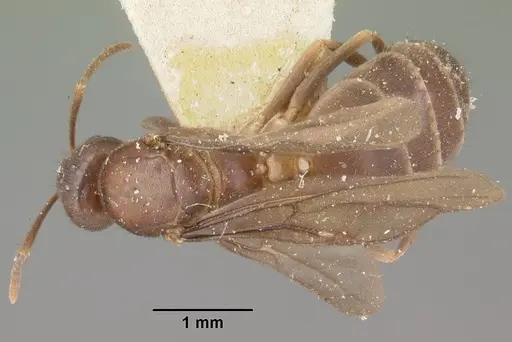
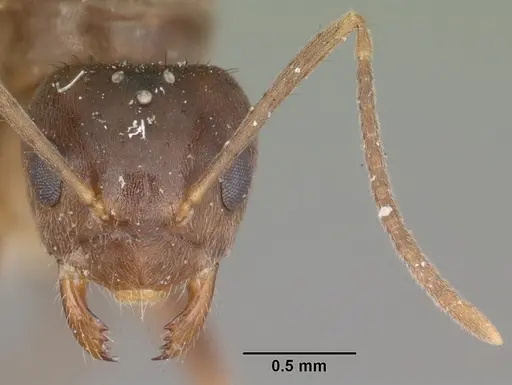
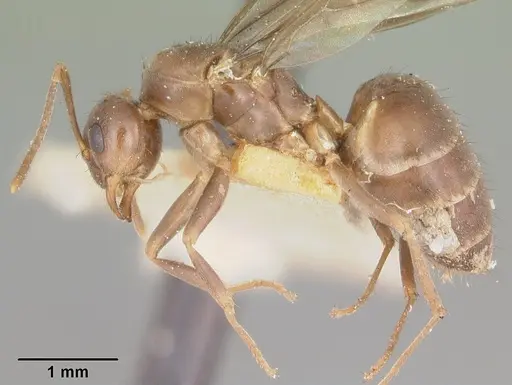
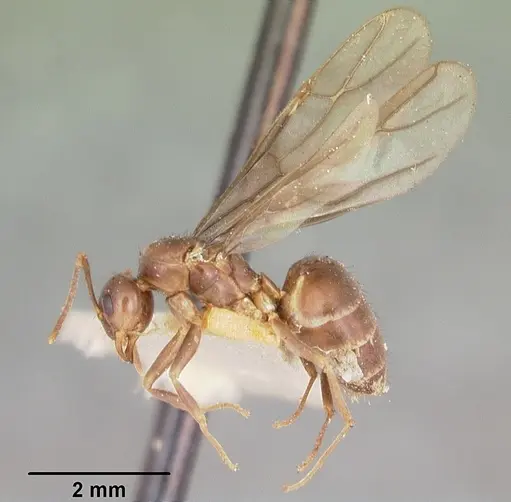
CASENT0101857
View on AntWeb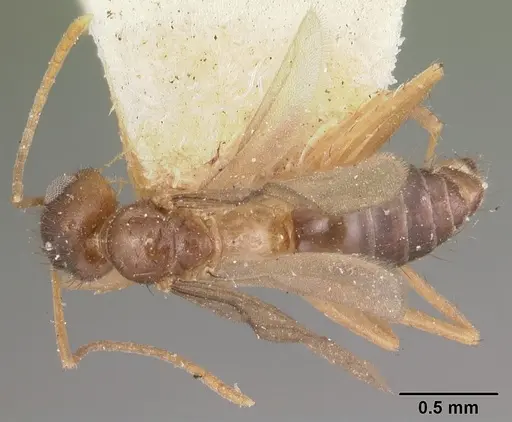
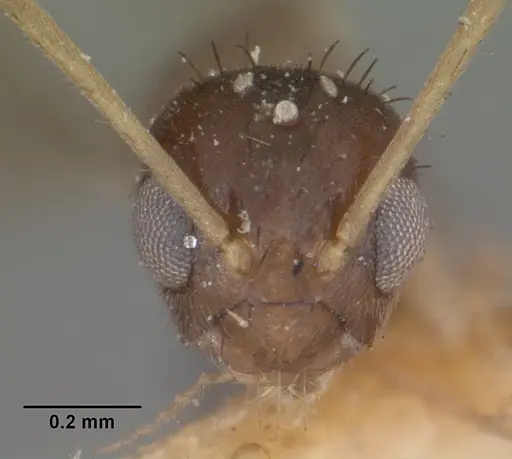
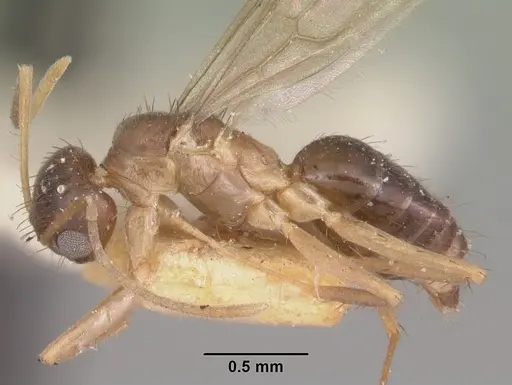
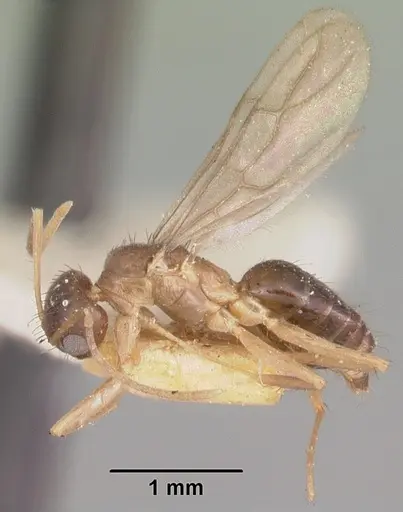
CASENT0101927
View on AntWeb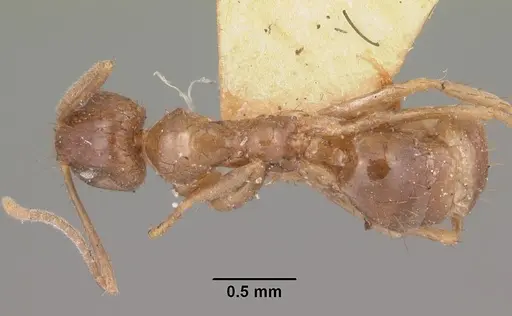
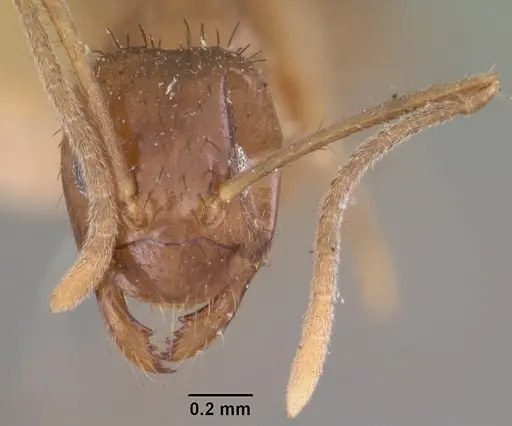
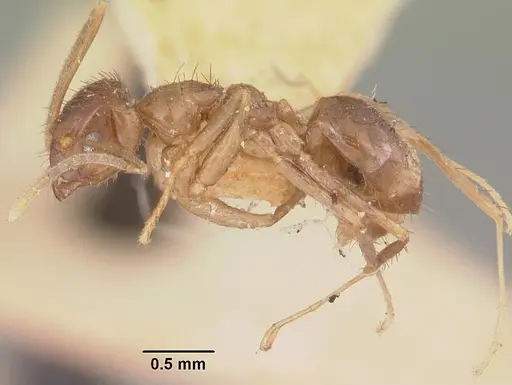
CASENT0104642
View on AntWeb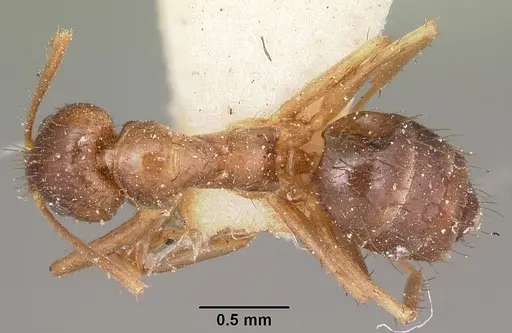
Literature
Loading distribution map...Loading products...