
Nylanderia guatemalensis
- Sci. Name
- Nylanderia guatemalensis
- Tribe
- Lasiini
- Subfamily
- Formicinae
- Author
- Forel, 1885
- Distribution
- Found in 9 countries
Introduction
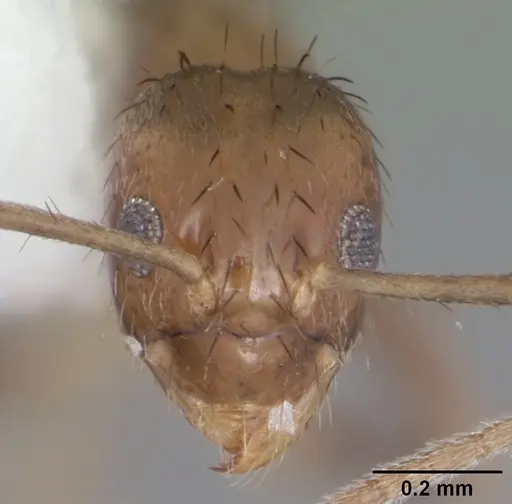
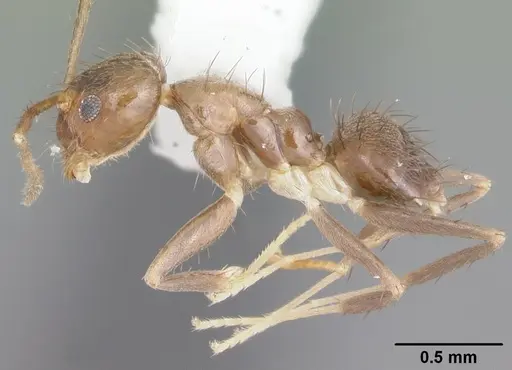
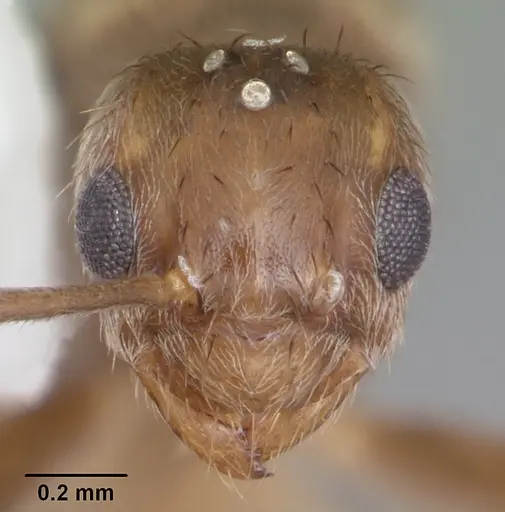
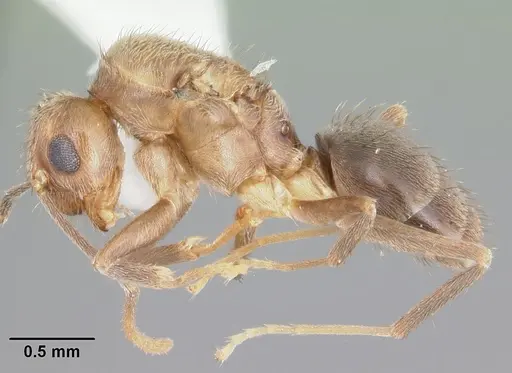
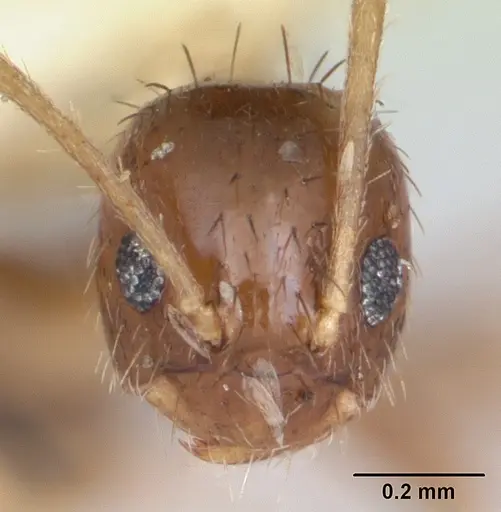
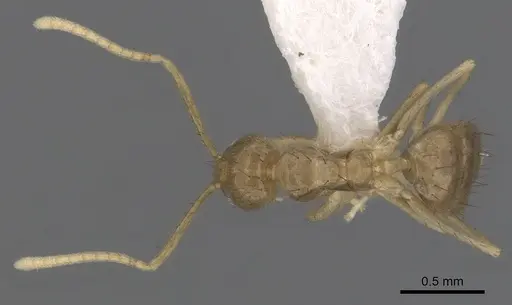
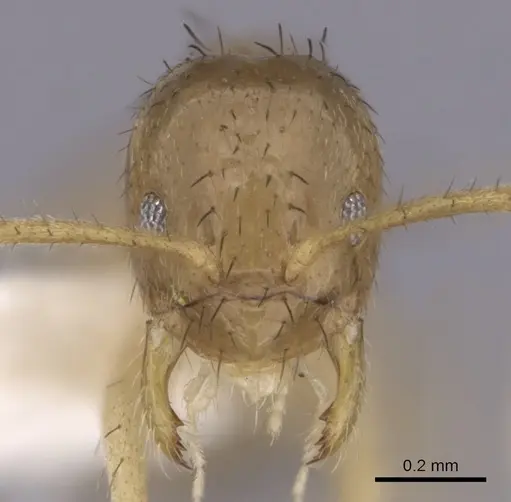
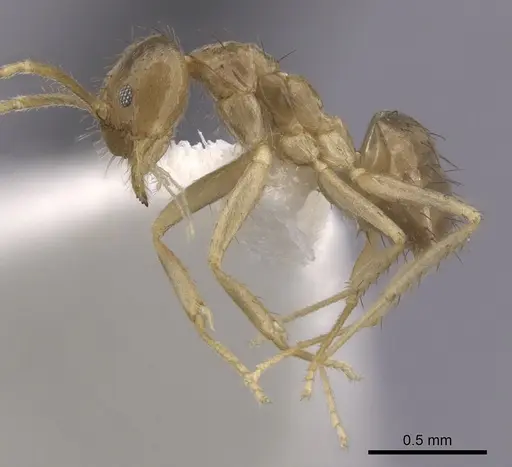
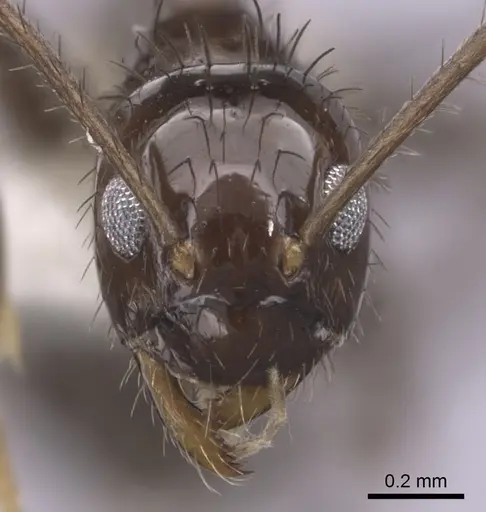
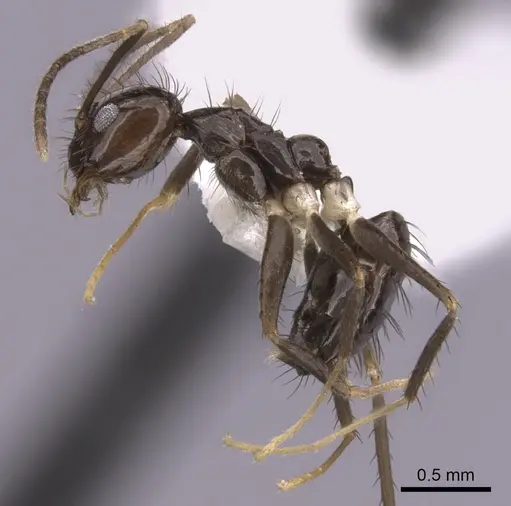
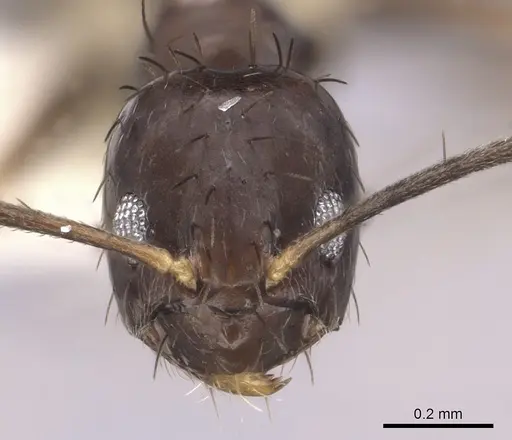
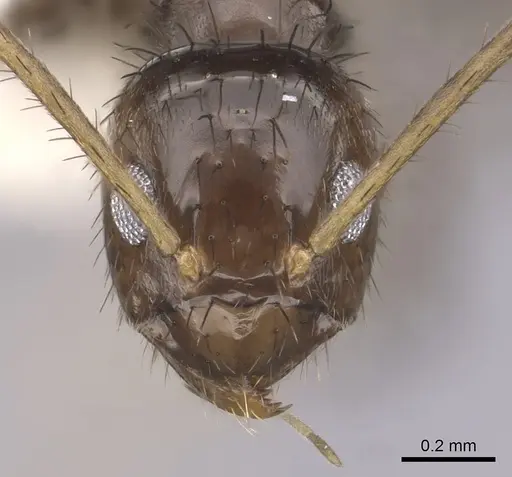
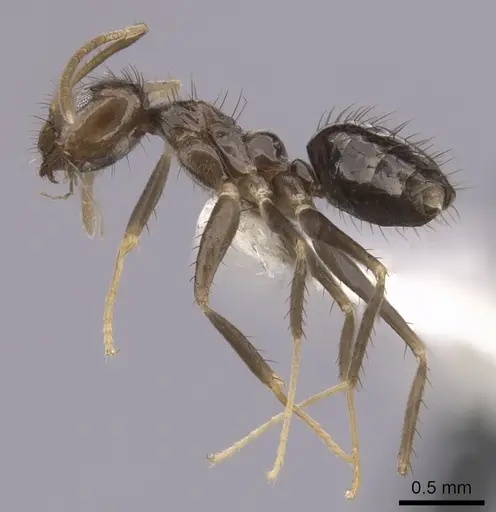
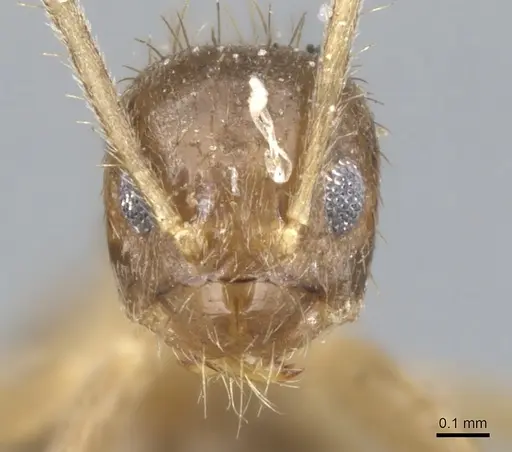
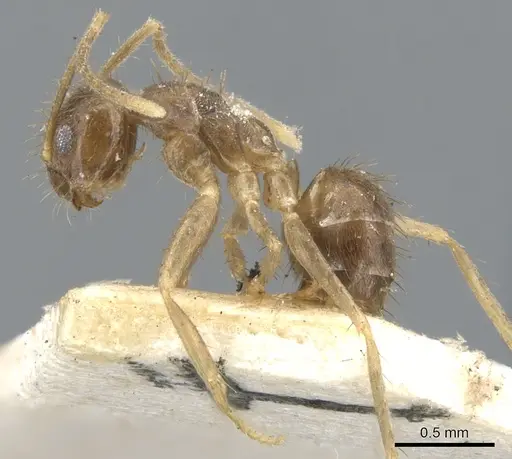
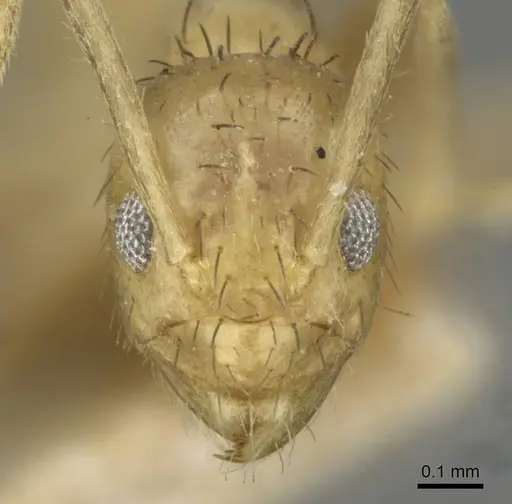
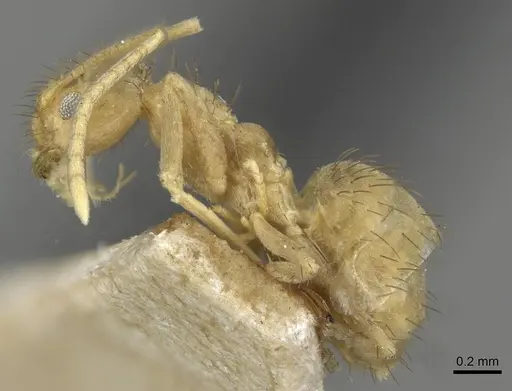
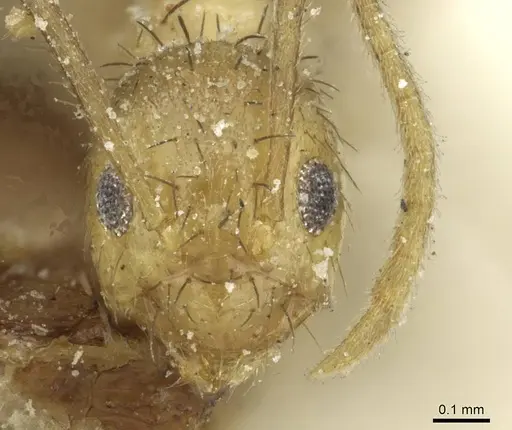
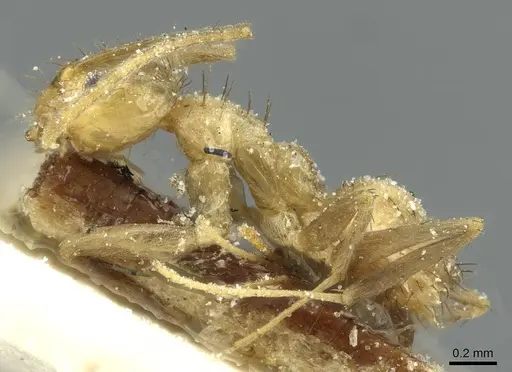
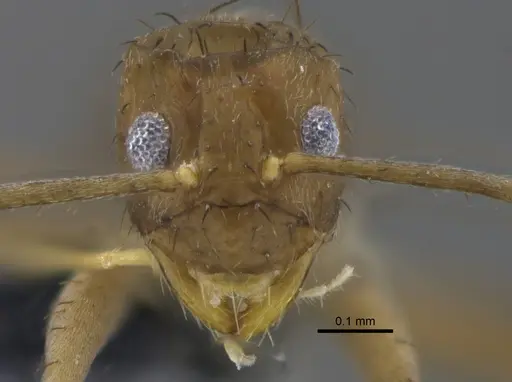
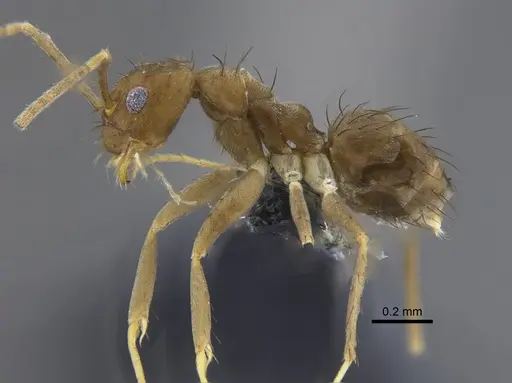
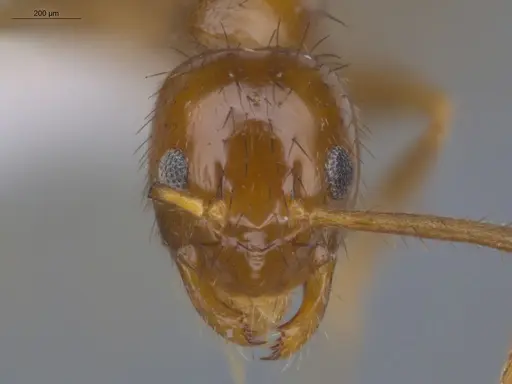
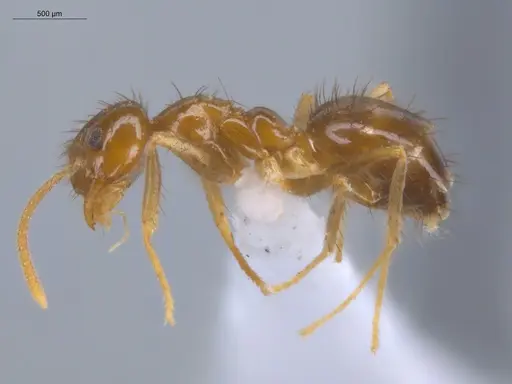
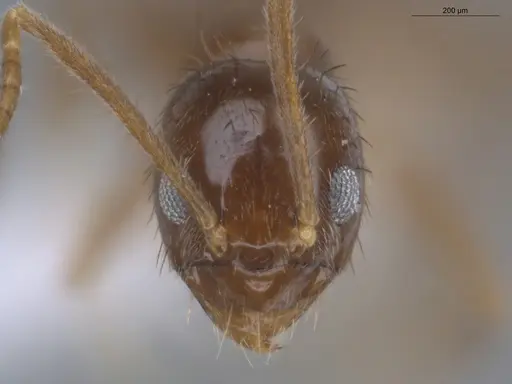
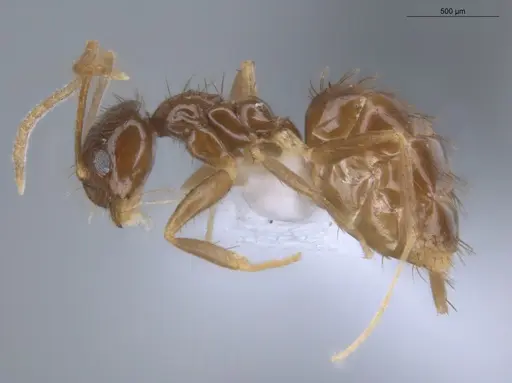
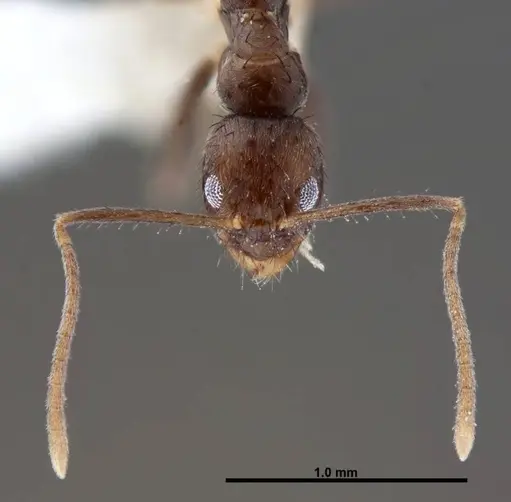
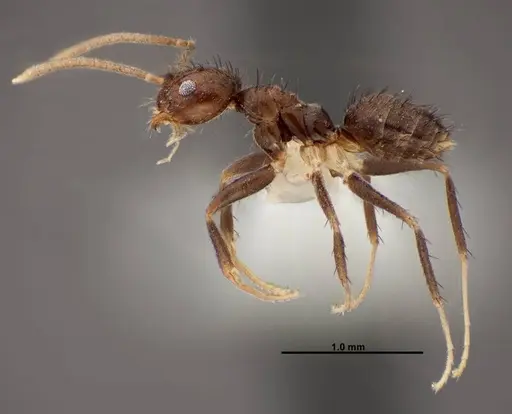
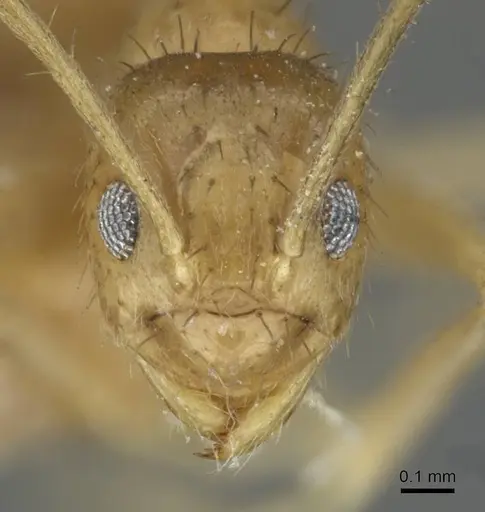
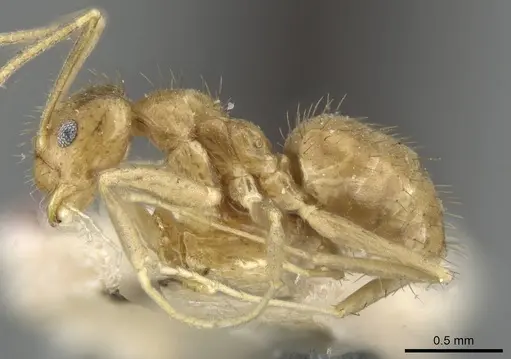
Nylanderia guatemalensis is a small, pale yellow to light brown ant that belongs to the Formicinae subfamily. Workers measure about 2-3mm (inferred from genus patterns) and are known for their erratic, 'crazy' movement patterns, running quickly in unpredictable directions. This species is part of the Nylanderia guatemalensis complex, which includes several cryptic species that are nearly indistinguishable from each other . The ant is native to Central America and the Caribbean but has been introduced to Florida and the Galapagos Islands, where it thrives in disturbed areas and can invade relatively undisturbed habitats . In its introduced Florida range, it nests primarily in leaf litter and is occasionally a minor nuisance around outdoor eating areas, though it rarely enters buildings in large numbers .
Quick Summary
- Difficulty: Expert
- Origin & Habitat: Native to Guatemala and Central America, with populations across the Caribbean, Mexico, and northern South America. Introduced to Florida (USA) and the Galapagos Islands. In Florida, found in mesic disturbed areas and can invade undisturbed hammocks. Nests in leaf litter [5][3].
- Colony Type: Colony structure is not documented in scientific literature. The species is classified as an 'opportunist' functional group, meaning it adapts to environmental conditions, but whether colonies are monogyne or polygyne is unknown [6].
- Size & Growth:
- Queen: Size data unavailable, inferred from Nylanderia genus patterns (~4-5mm)
- Worker: Size data unavailable, inferred from Nylanderia genus patterns (~2-3mm)
- Colony: Unknown, likely several thousand workers in mature colonies based on related Nylanderia species
- Growth: Moderate to fast
- Development: 6-8 weeks (estimated from typical Formicinae development at warm temperatures) (Development time is temperature-dependent, warmer conditions (24-28°C) accelerate development)
- Antkeeping:
- Temperature: Keep warm, around 24-28°C (75-82°F). This is a tropical species that prefers warm conditions. Avoid extended temperatures below 20°C. A heating cable on one side of the nest creates a gradient.
- Humidity: Moderate to high. Keep the nest substrate consistently moist but not waterlogged, mimicking their natural leaf-litter habitat. Provide some drier areas for workers to self-regulate.
- Diapause: No, as a tropical species, they do not require hibernation. Keep temperatures stable year-round.
- Nesting: Leaf-litter nesting species. In captivity, they do well in test tubes with a water reservoir, or in naturalistic setups with moist substrate (soil/vermiculite mix) that retains humidity. Y-tong (AAC) nests or soil formicaria also work well. Provide access to an outworld for foraging.
- Behavior: These ants are active foragers with characteristic 'crazy' movement, they run quickly and erratically rather than following established trails. They are opportunistic feeders, collecting honeydew, small insects, and sugary substances. Workers are small (2-3mm) but can squeeze through small gaps, so escape prevention is essential, use tight-fitting lids and barrier methods like fluon. They do not sting but can spray formic acid, though they are not aggressive. In introduced areas, they are occasionally a pest around outdoor eating areas but rarely invade buildings in numbers [5].
- Common Issues: invasive species, never release outdoors, extreme caution needed to prevent escape, small worker size means they can escape through tiny gaps in mesh or lid seals, colonies may decline if temperatures drop below 20°C for extended periods, dry conditions cause colony decline, monitor substrate moisture regularly, overfeeding can lead to mold in the nest, remove uneaten food promptly
Housing and Nest Setup
Nylanderia guatemalensis does well in standard ant keeping setups. Test tube setups work perfectly for founding colonies, use a test tube with a water reservoir separated by a cotton plug, keeping the substrate moist but not flooded. Once the colony reaches 50+ workers, you can move them to a formicarium. For larger colonies, Y-tong (AAC) nests or naturalistic setups with moist soil/vermiculite mixture work well. These ants naturally nest in leaf litter, so include some decaying leaves or organic material in the outworld to provide enrichment. Ensure the nest area maintains moderate humidity while allowing some drier zones for the ants to regulate their own conditions [5].
Feeding and Diet
Like other Nylanderia species, Nylanderia guatemalensis is opportunistic and will accept a wide variety of foods. Their diet in nature consists of honeydew from aphids and scale insects, small insects, and sugary plant secretions. In captivity, offer sugar water or honey as a constant energy source. For protein, provide small insects like fruit flies, pinhead crickets, or mealworm pieces. Feed protein 2-3 times per week, adjusting based on colony size. Remove uneaten prey after 24-48 hours to prevent mold. These ants are active foragers, so ensure they have access to food in the outworld regularly [6].
Temperature and Seasonal Care
As a tropical species native to Central America and the Caribbean, Nylanderia guatemalensis requires warm temperatures. Keep the nest area at 24-28°C (75-82°F). A heating cable placed on one side of the nest creates a temperature gradient, allowing ants to move to warmer or cooler areas as needed. Avoid temperatures below 20°C for extended periods, this can weaken the colony and slow or stop brood development. Unlike temperate species, they do not require a winter diapause period. Maintain stable temperatures year-round for optimal colony growth and health.
Behavior and Foraging
Workers of Nylanderia guatemalensis are known for their characteristic 'crazy' foraging behavior, they move quickly in erratic, unpredictable patterns rather than following neat trails. This is typical of the genus and makes them entertaining to watch. They are active foragers that will explore widely for food sources. Workers are small (2-3mm) and can squeeze through surprisingly small gaps, so ensure your setup has good escape prevention. The species does not sting but can spray formic acid. In their introduced Florida range, they are occasionally pests around outdoor eating areas due to their attraction to sweet foods, but they rarely invade buildings in large numbers [5].
Colony Development
Colony development is not well-documented. Once a queen founds a colony (founding type unconfirmed), expect the first nanitic workers to emerge in about 6-8 weeks under warm conditions. Initial colony growth is relatively slow while the queen establishes the first brood, but accelerates once workers are foraging. Mature colonies likely reach several thousand workers based on related species. Colony growth rate is moderate to fast once established, benefiting from consistent warmth and regular feeding.
Legal and Ethical Considerations
Nylanderia guatemalensis is an introduced species in Florida and the Galapagos Islands [3][4]. It is considered invasive outside its native range. If you keep this species, NEVER release it outdoors. In Florida, it is already established, but releasing it elsewhere could cause ecological harm. If you no longer want your colony, contact a local ant keeper or responsibly dispose of it (e.g., freezing). Do not release any ant, including this species, into areas where it is not native.
Frequently Asked Questions
Is Nylanderia guatemalensis a good species for beginners?
No, this species is invasive outside its native range and should only be kept by experienced keepers who can guarantee no escapes. It is not recommended for beginners due to the ecological risk. The ant itself is not difficult to care for, but the responsibility of preventing escape outweighs ease of care.
How long does it take for the first workers to emerge?
Expected around 6-8 weeks after the queen lays her first eggs at optimal temperatures (24-28°C). Development is faster at warmer temperatures and slower if kept cooler.
What do I feed Nylanderia guatemalensis?
Offer sugar water or honey as a constant energy source. For protein, provide small insects like fruit flies, small crickets, or mealworm pieces. Feed protein 2-3 times per week. Remove uneaten food after 24-48 hours to prevent mold [6].
What temperature do they need?
Keep at 24-28°C (75-82°F). This tropical species prefers warm conditions and will struggle if temperatures drop below 20°C for extended periods. A heating cable on part of the nest creates a useful gradient.
Can I keep multiple queens together?
Colony structure is not documented. Combining unknown unrelated queens is risky as they may fight. It is safest to assume single-queen colonies and keep them separately unless proven otherwise.
Do they need hibernation or diapause?
No, as a tropical species, they do not require hibernation. Keep temperatures stable year-round without seasonal drops.
How big do colonies get?
Unknown precisely. Based on related Nylanderia species, mature colonies likely reach several thousand workers. Growth is moderate to fast once established.
When should I move them to a formicarium?
You can keep founding colonies in test tubes for several months. Move to a formicarium once the colony reaches 50+ workers and the test tube setup becomes cramped. A Y-tong or naturalistic setup works well.
Why are my ants dying?
Common causes: temperatures below 20°C, dry nest conditions, mold from overfeeding. Ensure warmth and substrate moisture. Because this is a tropical species, even slight cooling can cause colony decline. Remove uneaten food promptly.
Are they escape artists?
Workers are small (2-3mm) and can squeeze through very small gaps. Use tight-fitting lids, fluon on rim edges, and check all seals. They are not as notorious as tiny Solenopsis but still require attention to escape prevention.
Report an Issue
The current care sheet is based fully on literature. See inconsistencies, or something that's incorrect? Please , it will be resolved after review from an admin. Contributing to the blogs tab also helps providing information, to make us be able to further improve the caresheets. Thank you for your support!
References

This caresheet is licensed under CC BY-SA 4.0 .
Community Blogs
CASENT0104221
View on AntWeb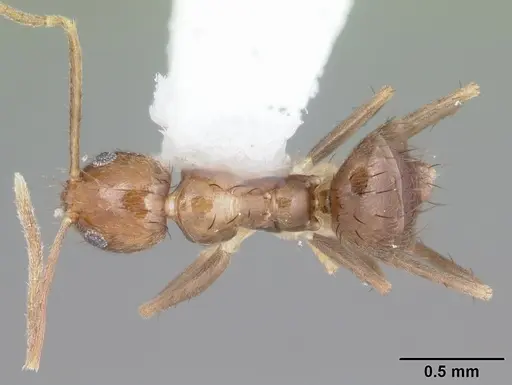
CASENT0104222
View on AntWeb
CASENT0173314
View on AntWeb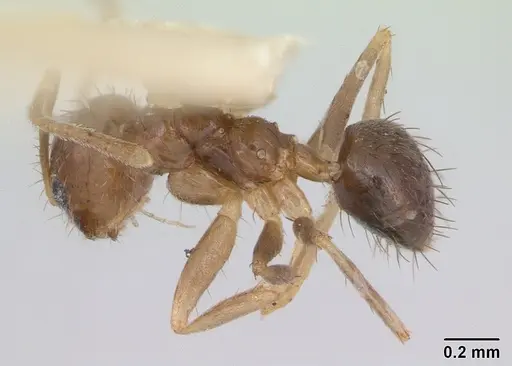
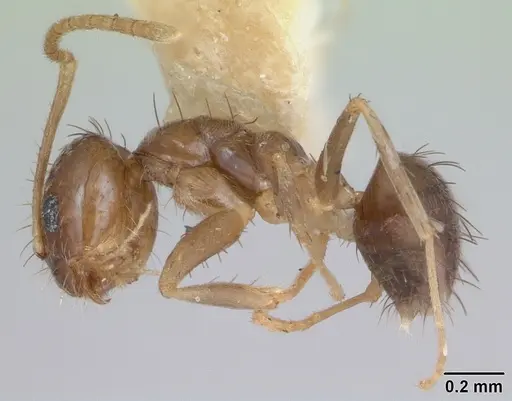
CASENT0217732
View on AntWeb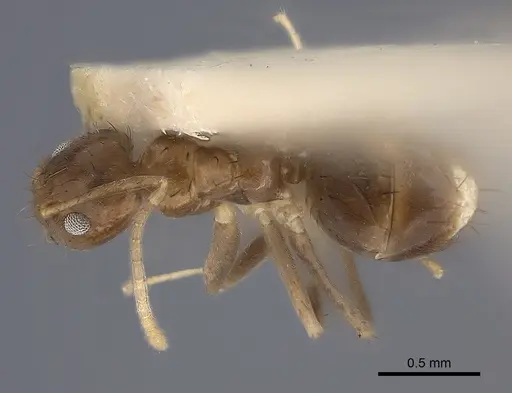
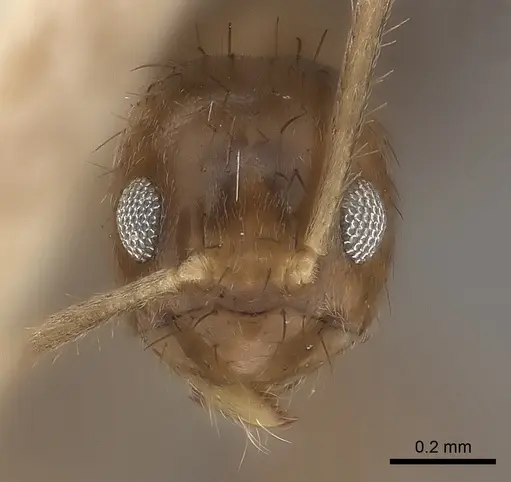
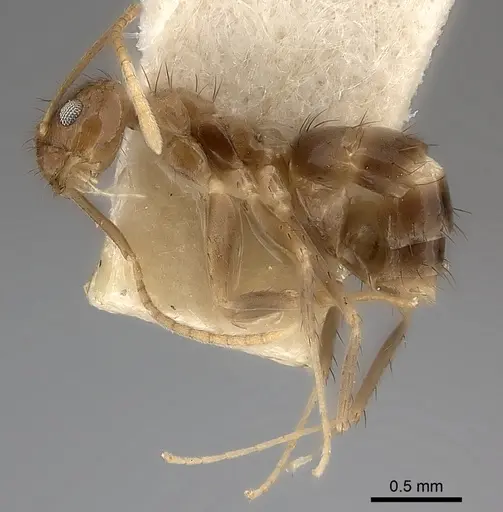
CASENT0281001
View on AntWeb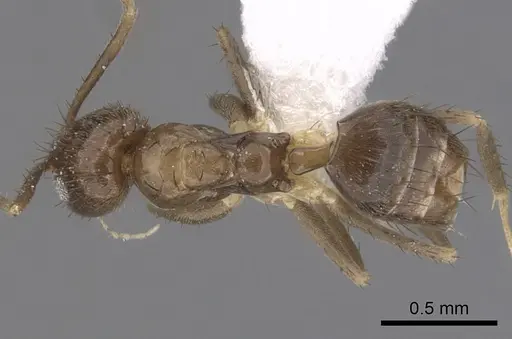
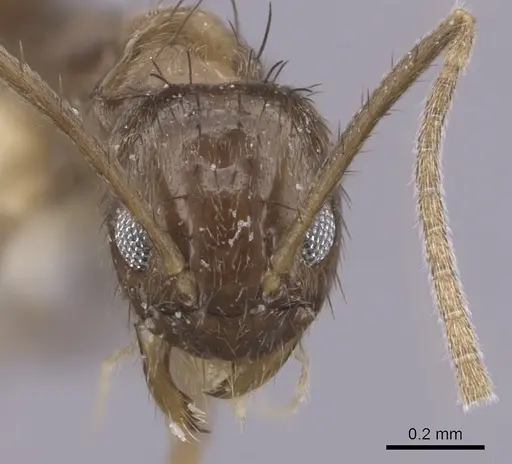
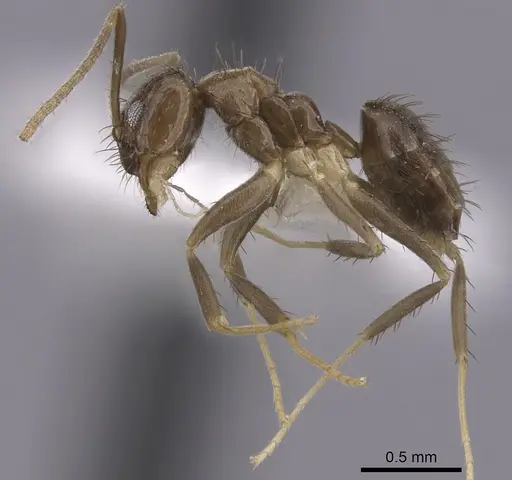
CASENT0281002
View on AntWeb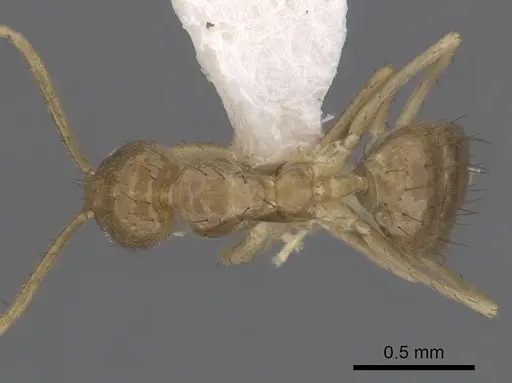
CASENT0281003
View on AntWeb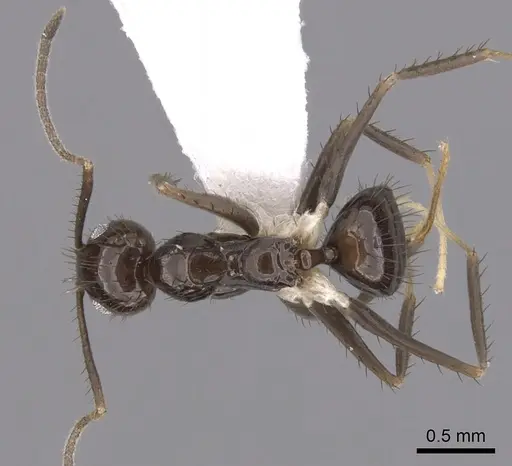
CASENT0281004
View on AntWeb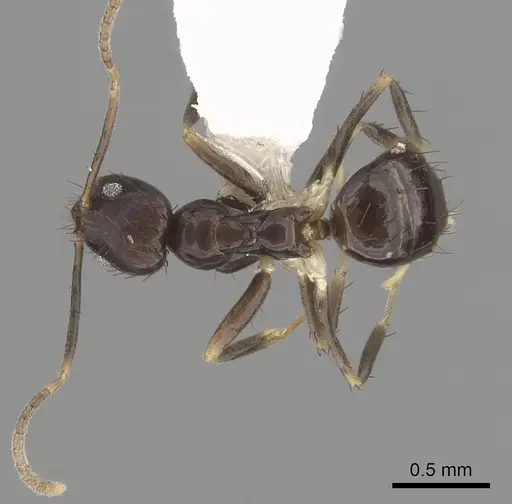
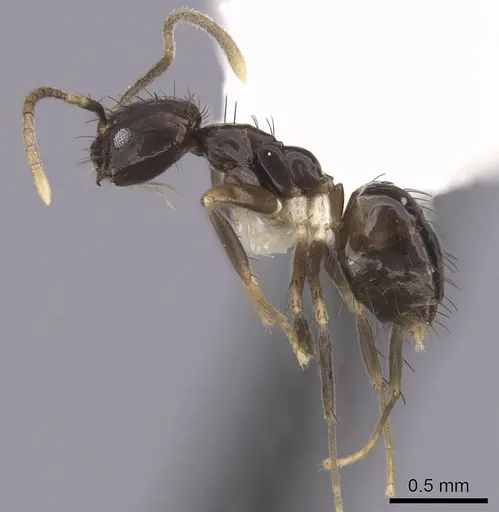
CASENT0281005
View on AntWeb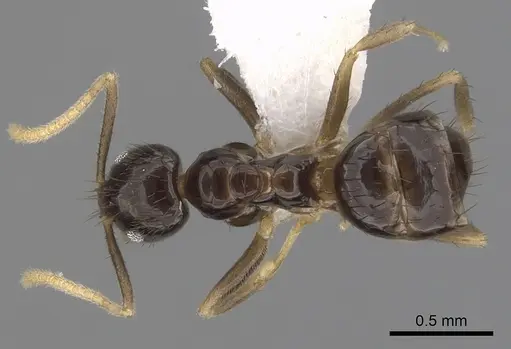
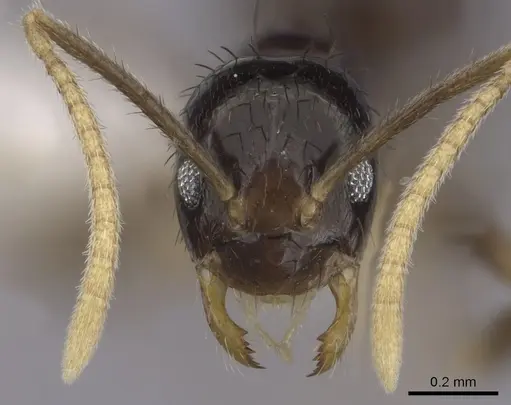
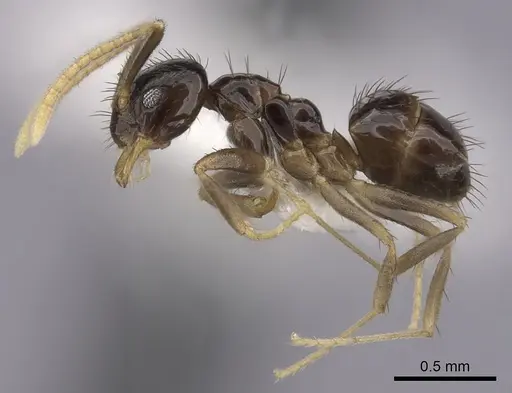
CASENT0281006
View on AntWeb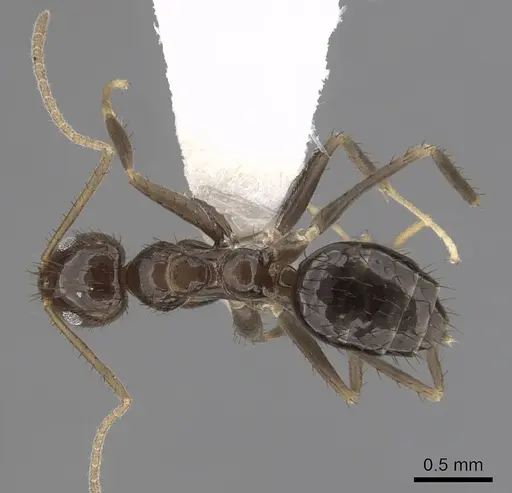
CASENT0281007
View on AntWeb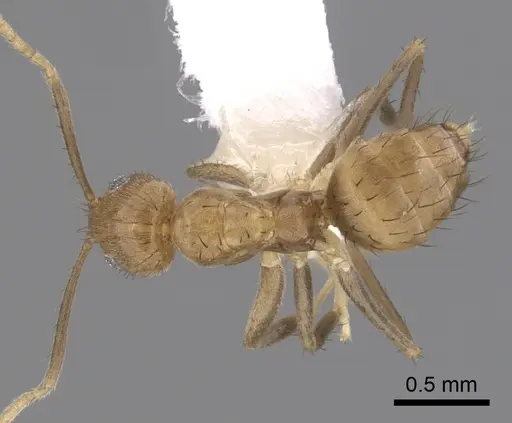
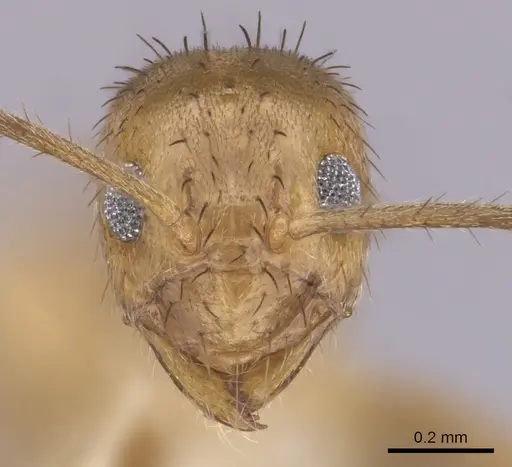
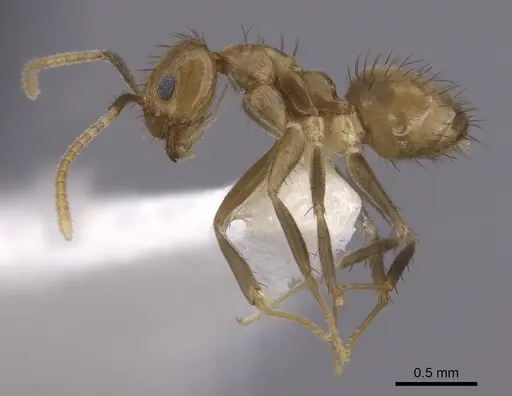
CASENT0767550
View on AntWeb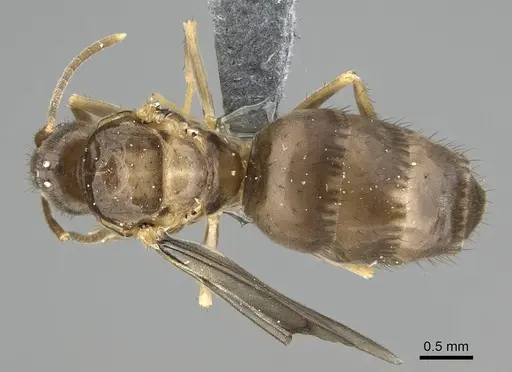
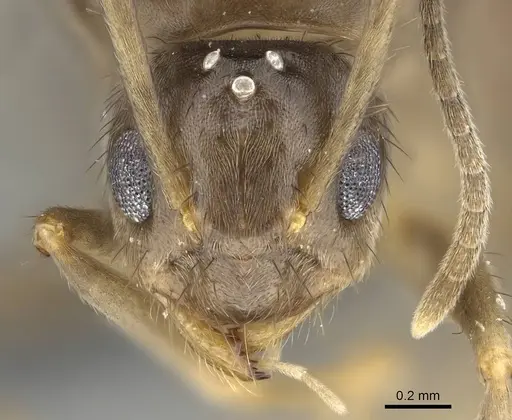
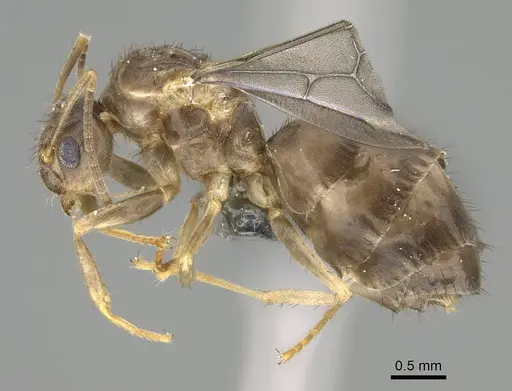
CASENT0767551
View on AntWeb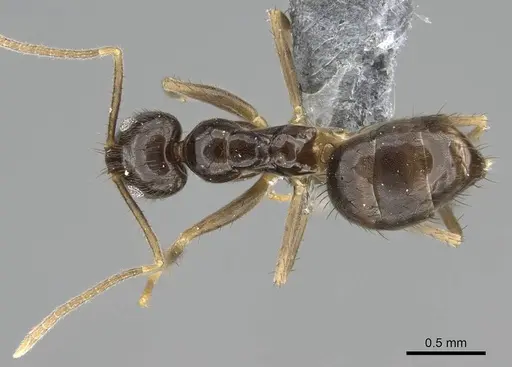
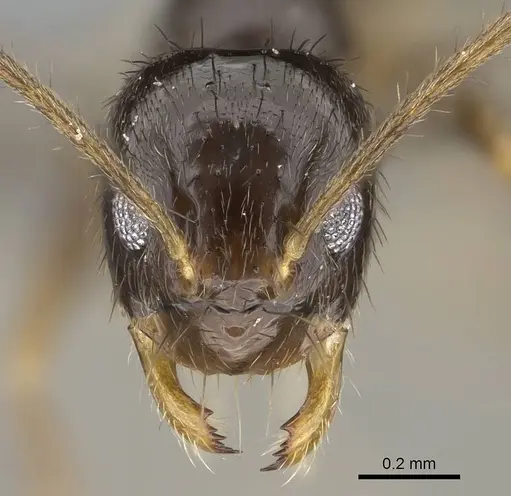
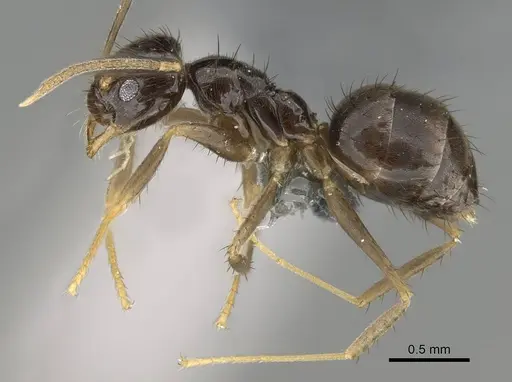
CASENT0903131
View on AntWeb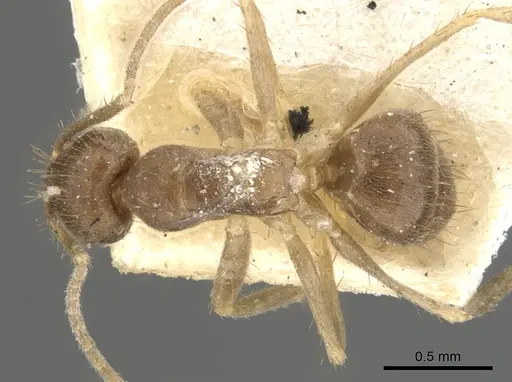
CASENT0911038
View on AntWeb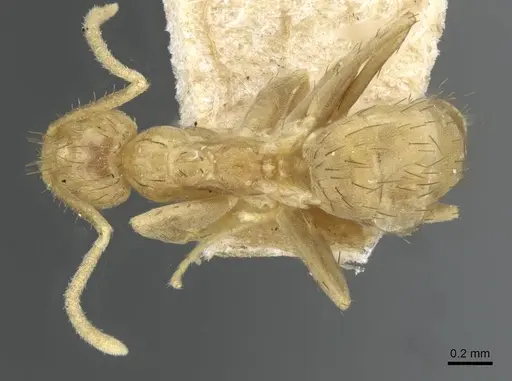
CASENT0912303
View on AntWeb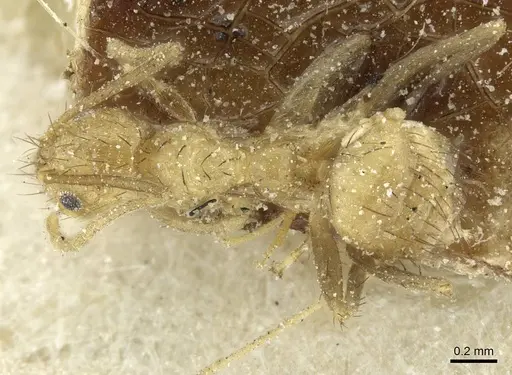
CBUMAGENT41821
View on AntWeb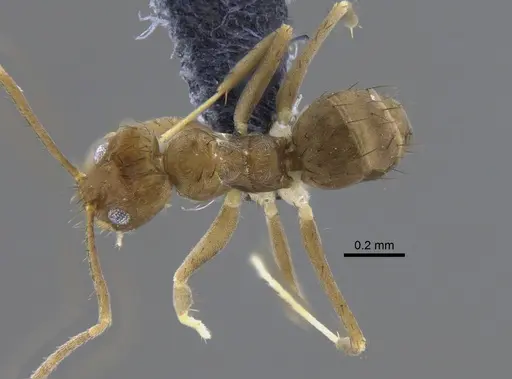
ECOFOG-MI15-0288-24
View on AntWeb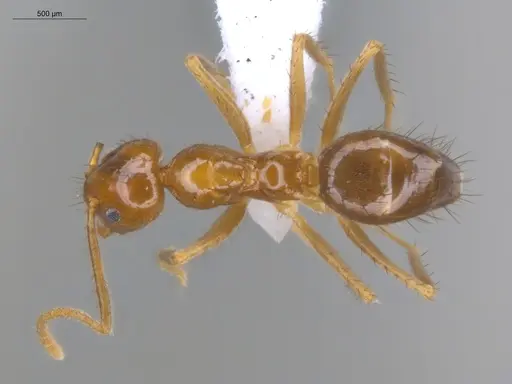
ECOFOG-MI15-0415-21
View on AntWeb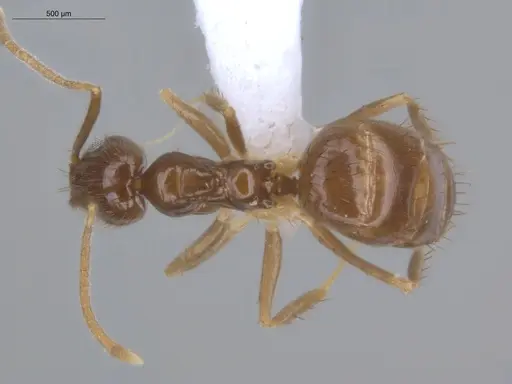
FMNHINS0000088662
View on AntWeb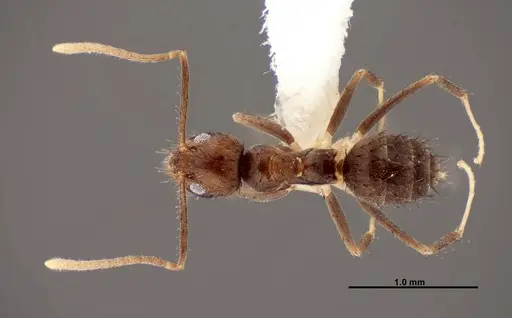
USNMENT00753568
View on AntWeb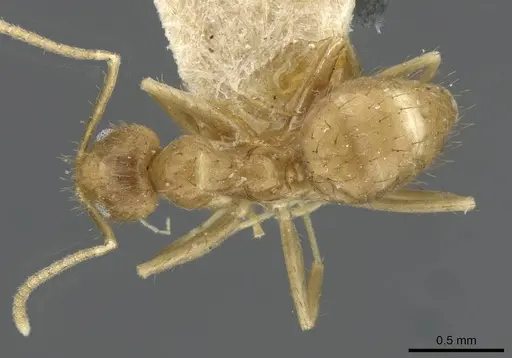
Literature
Loading distribution map...Loading products...