
Nylanderia bruesii
- Sci. Name
- Nylanderia bruesii
- Tribe
- Lasiini
- Subfamily
- Formicinae
- Author
- Wheeler, 1903
- Distribution
- Found in 2 countries
Introduction
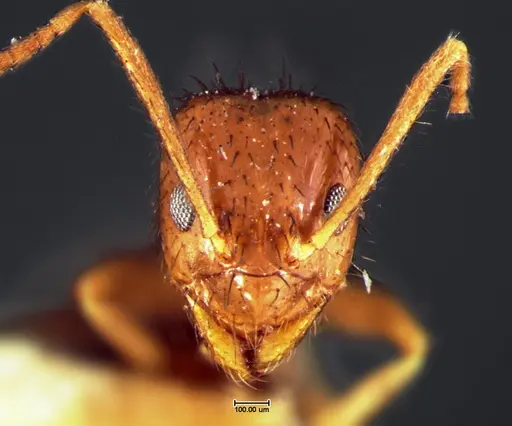
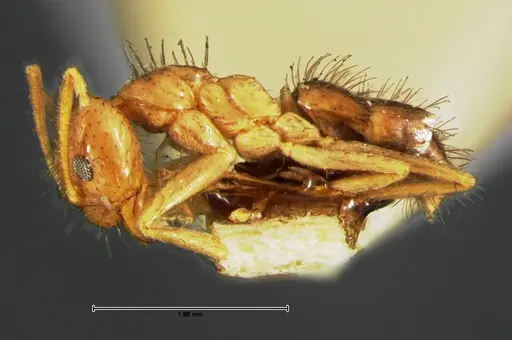
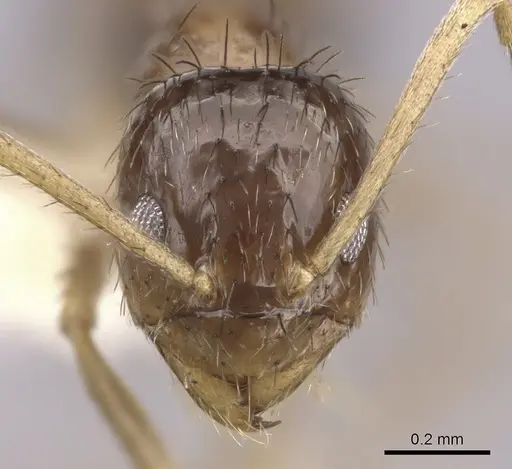
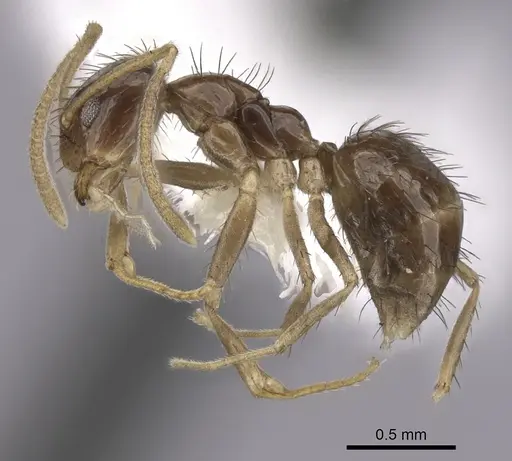
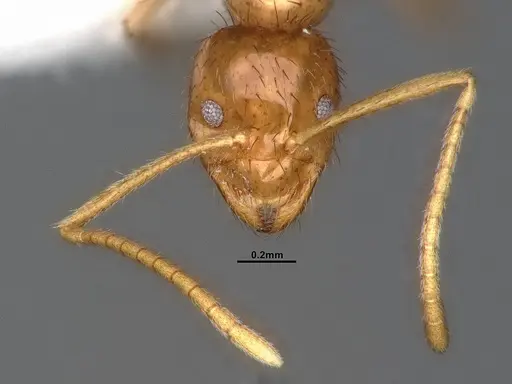
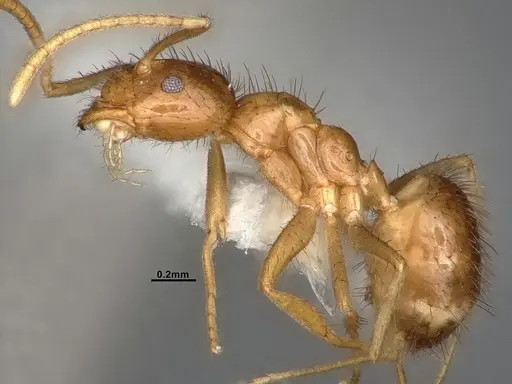
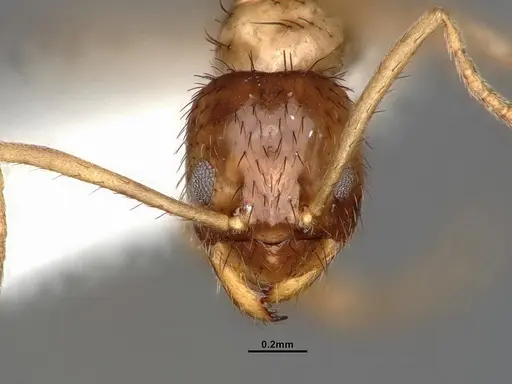
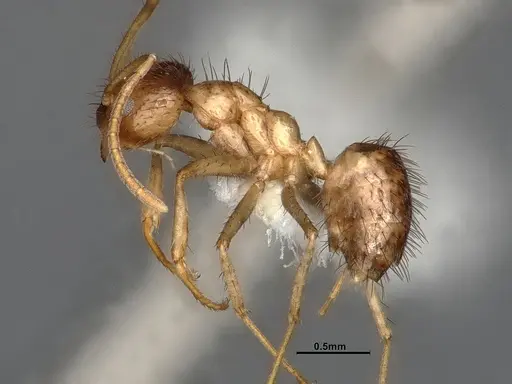
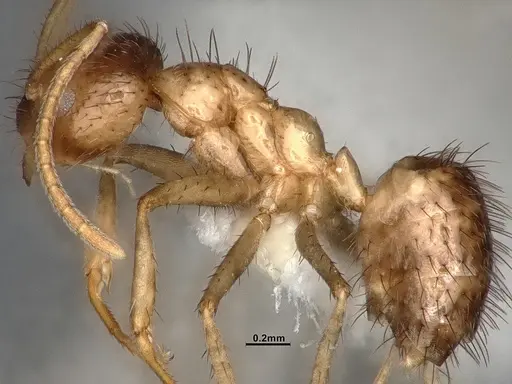
Nylanderia bruesii is a small to medium-sized ant native to the desert southwest United States and northern Mexico. Workers measure 2.37-3.23 mm and are dark brown with lighter brown mandibles, scapes, and legs. The pronotum and mesonotum are often lighter colored than the rest of the mesosoma, and the body is covered in dense pubescence and macrosetae. Queens are larger at 4.58-5.13 mm . This species is frequently found nesting under stones in shady areas near water, even in arid environments like desert washes and arroyos . It can be distinguished from the similar Nylanderia austroccidua by its lack of bluish coloration and more angular pronotum .
Quick Summary
- Difficulty: Medium
- Origin & Habitat: Desert southwest United States and northern Mexico, including Arizona, Texas, Baja California Sur, Chihuahua, Coahuila, and Sonora. Found in desert washes, mountainous hillsides, grassy meadows, and mesic forests with willow, cottonwood, oak, and juniper. Nests under stones in streambeds or arroyos at elevations of 750-1800 m [1][3][4][2].
- Colony Type: Unconfirmed, no direct documentation of colony structure in scientific literature.
- Size & Growth:
- Queen: 4.58-5.13 mm [1]
- Worker: 2.37-3.23 mm [1]
- Colony: Unknown, no colony size data available
- Growth: Unknown
- Development: Estimated 6-10 weeks based on related Nylanderia species, but not confirmed for this species. (Development timeline has not been directly studied. Estimates are based on genus-level patterns for similar small Formicinae.)
- Antkeeping:
- Temperature: Temperature needs are unclear, start around 24-28°C and observe, as this species is from desert habitats.
- Humidity: Provide a humidity gradient, mostly dry nest chamber with one small moist area, as they nest near water in arid environments [1][2].
- Diapause: Unknown, alates overwinter in nests, but diapause requirements are not confirmed [2].
- Nesting: Natural nesting under stones or wood. In captivity, use Y-tong, plaster, or soil nests. Provide a shallow water tube and allow dry areas [1][2].
- Behavior: Workers are small and fast-moving. Based on Nylanderia genus patterns, they are active foragers and not highly aggressive but will defend the nest. Escape prevention is critical due to their tiny size.
- Common Issues: escape prevention is critical, their tiny size means they can squeeze through the smallest gaps., overhumidity can kill colonies, this is a desert species that prefers drier conditions., winter care is unclear, alates overwinter in wild colonies but captive requirements are unknown., slow founding phase, queens may take months to raise first workers., wild-caught colonies may have parasites that cause problems in captivity.
Nest Preferences and Housing
In the wild, Nylanderia bruesii nests under stones in shady areas near water, even in arid environments like the Chihuahuan Desert. They also nest under wood, such as dead Yucca logs. The species prefers desert washes, mountainous hillsides, and grassy meadows, as well as mesic forests populated by willow, cottonwood, oak, and juniper [1][2]. For captive care, provide a nest that allows for some dryness, a Y-tong, plaster, or soil formicarium works well. Include a shallow water tube for humidity but avoid creating consistently damp conditions. The nest should have some covered, darker areas where the colony can retreat. Because of their small size, ensure all connections and gaps are sealed with fine mesh to prevent escapes.
Feeding and Diet
Nylanderia species are generalist foragers that scavenge and tend honeydew from aphids and scale insects. In captivity, offer sugar water or honey as a constant energy source. For protein, provide small insects like fruit flies, pinhead crickets, or mealworms. Since this is a desert species, they likely have modest water requirements, a shallow water tube provides both drinking water and slight humidity. Feed protein 2-3 times per week and keep sugar sources available at all times. Remove uneaten prey after 24 hours to prevent mold. [2]
Temperature and Seasonal Care
As a desert species from the American Southwest, Nylanderia bruesii prefers warm temperatures, but specific needs are unclear. Start with temperatures around 24-28°C and observe colony behavior. Provide a gentle heat gradient so workers can regulate their temperature by moving between warmer and cooler areas of the nest. Regarding winter care, the scientific literature shows alates remain in the nest from April through December, flying at the onset of hot weather or after spring rains [2]. This suggests the species may not require a true hibernation but may benefit from a cooler period in winter to simulate natural cycles. Start with room temperature (around 20-22°C) in winter and observe.
Behavior and Colony Dynamics
Workers of Nylanderia bruesii are small, dark brown ants with dense pubescence covering their body. They are active foragers and likely use chemical trails to recruit nestmates to food sources, as is typical for the genus. Queens are substantially larger and likely live for many years, as is common for Formicinae species. The colony structure is unconfirmed, but based on genus patterns, it may start with a single queen. Workers are not particularly aggressive but will defend the nest if threatened. The most critical husbandry concern is escape prevention, their tiny size allows them to squeeze through gaps that would contain larger ants. Always use fine mesh barriers and check all connections regularly. [1][2]
Frequently Asked Questions
How long does it take for Nylanderia bruesii to raise first workers?
The development timeline has not been directly studied for this species. Based on related Nylanderia species, expect an estimated 6-10 weeks from egg to first worker at optimal temperature (around 24-28°C). The founding phase may take several months as the queen raises workers.
What temperature do Nylanderia bruesii ants need?
Keep them warm at roughly 24-28°C, as this desert species prefers warmer conditions. A gentle heat gradient allows workers to regulate their temperature. Temperature needs are unclear, so start within this range and observe.
Do Nylanderia bruesii ants need hibernation?
Diapause requirements are not confirmed. In the wild, alates remain in the nest throughout winter and fly at the onset of hot weather or after spring rains. A cooler period in winter may be beneficial but is not strictly required.
Can I keep multiple Nylanderia bruesii queens together?
Combining unrelated queens has not been documented for this species. Based on typical Nylanderia behavior, they are likely single-queen colonies. Do not attempt to house multiple foundress queens together as they will likely fight.
How big do Nylanderia bruesii colonies get?
Colony size data is not available in scientific literature. Based on worker size and genus patterns, colonies likely reach several hundred workers. This is not a large, aggressive species.
What do Nylanderia bruesii ants eat?
They are generalist foragers. Offer sugar water or honey as a constant energy source. For protein, provide small insects like fruit flies, small crickets, or mealworms. Feed protein 2-3 times per week.
Are Nylanderia bruesii good for beginners?
This species is rated as medium difficulty. While not as challenging as some tropical species, their small size and specific humidity requirements make them better suited for keepers with some experience. Escape prevention is critical and must be taken seriously.
When should I move Nylanderia bruesii to a formicarium?
Keep newly caught or purchased colonies in a test tube setup until they have a decent number of workers. Once the colony outgrows the test tube, transfer to a small formicarium with appropriate chamber sizes. Ensure the formicarium has good escape prevention since they are very small.
Why are my Nylanderia bruesii dying?
The most common causes are overhumidity (this is a desert species that prefers drier conditions), escape through tiny gaps, and temperatures outside their preferred range. Check that the nest is not too damp and that all connections are sealed with fine mesh.
Report an Issue
The current care sheet is based fully on literature. See inconsistencies, or something that's incorrect? Please , it will be resolved after review from an admin. Contributing to the blogs tab also helps providing information, to make us be able to further improve the caresheets. Thank you for your support!
References

This caresheet is licensed under CC BY-SA 4.0 .
Community Blogs
CASENT0105645
View on AntWeb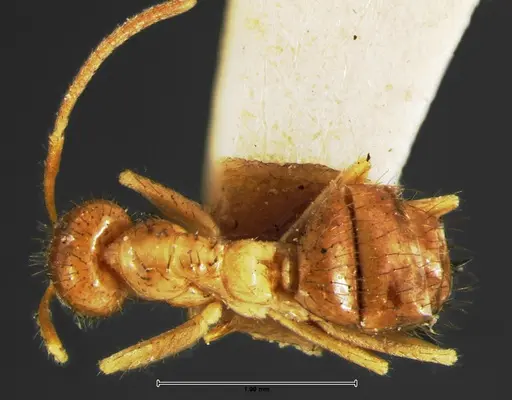
CASENT0280575
View on AntWeb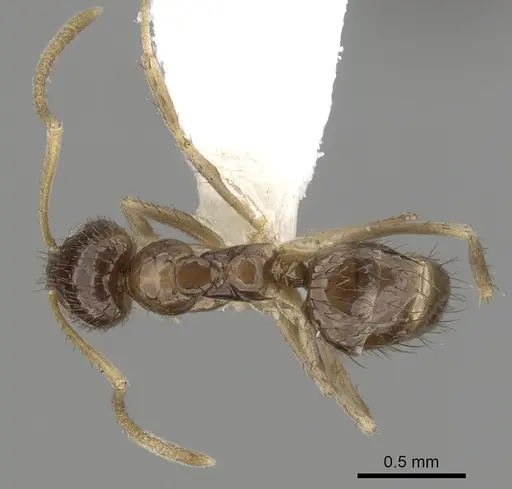
CASENT4031884
View on AntWeb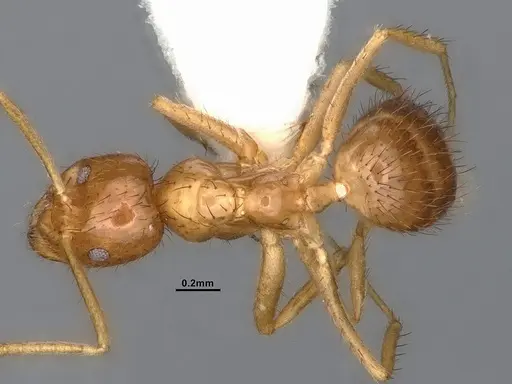
CASENT4031885
View on AntWeb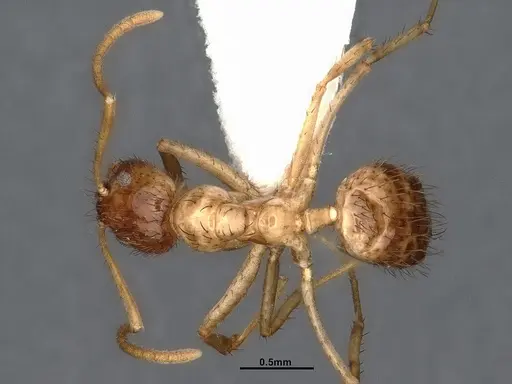
Literature
Loading distribution map...Loading products...