
Nylanderia brevisetula
- Sci. Name
- Nylanderia brevisetula
- Tribe
- Lasiini
- Subfamily
- Formicinae
- Author
- LaPolla & Fisher, 2011
- Distribution
- Found in 2 countries
Introduction
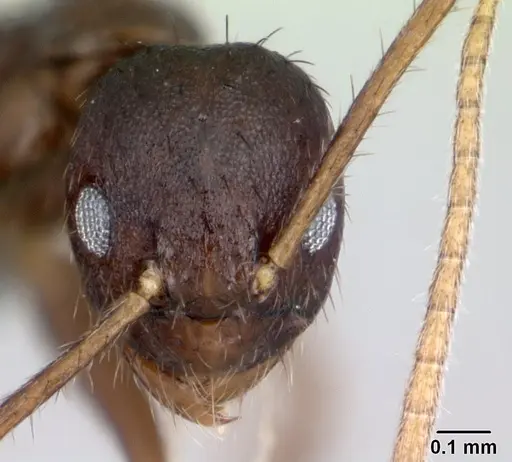
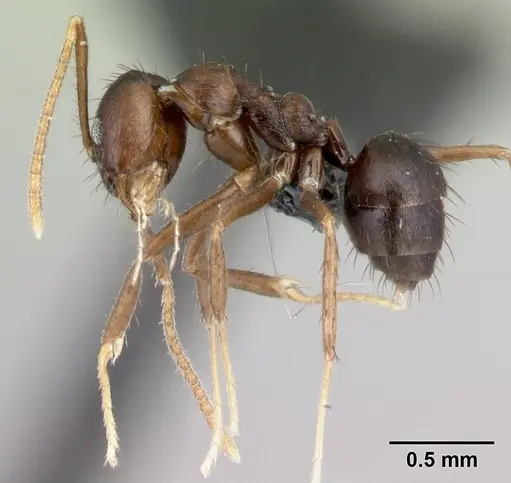
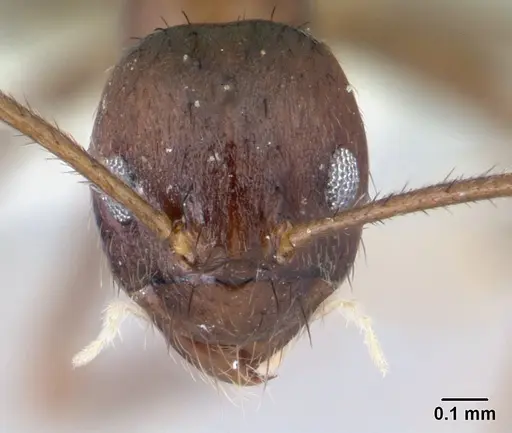
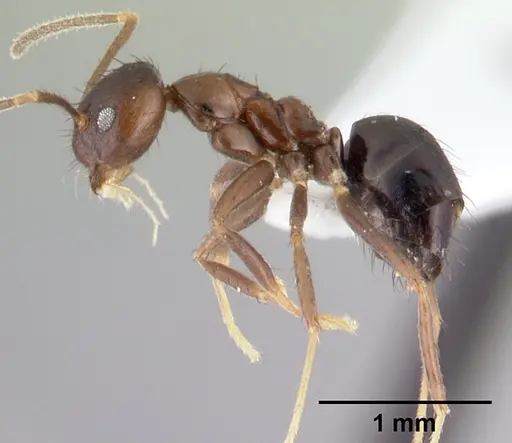
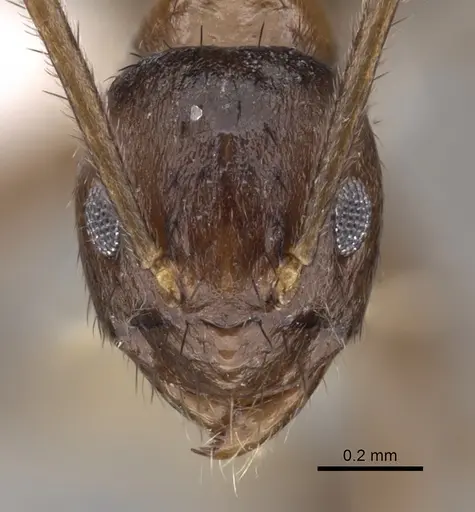
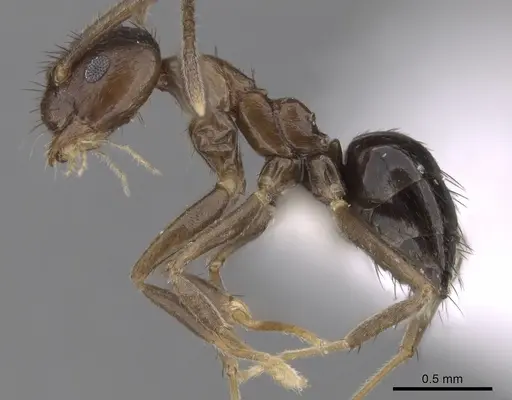
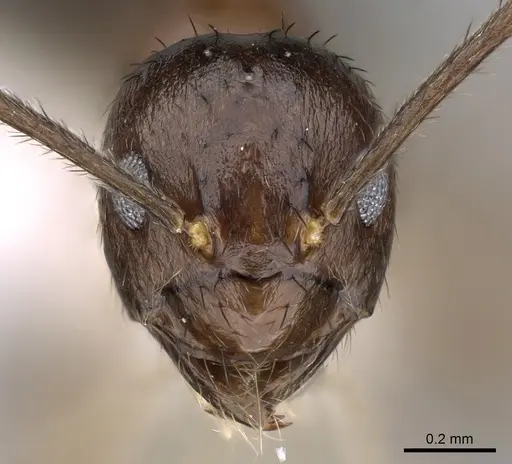
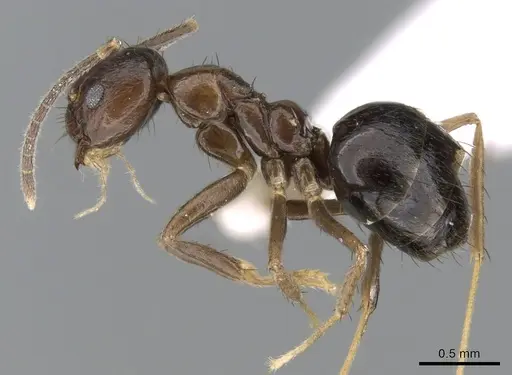
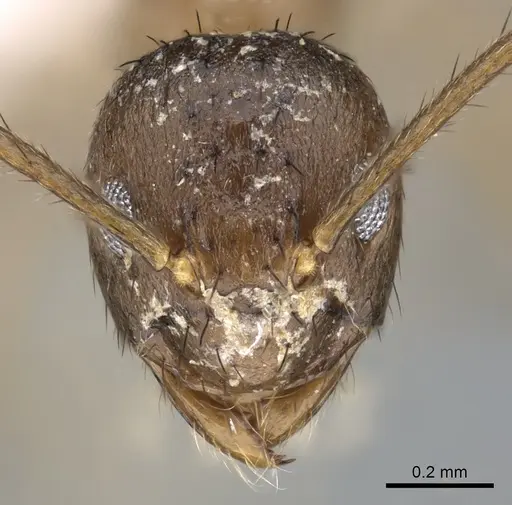
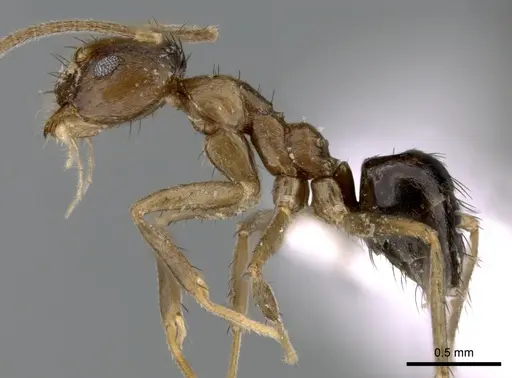
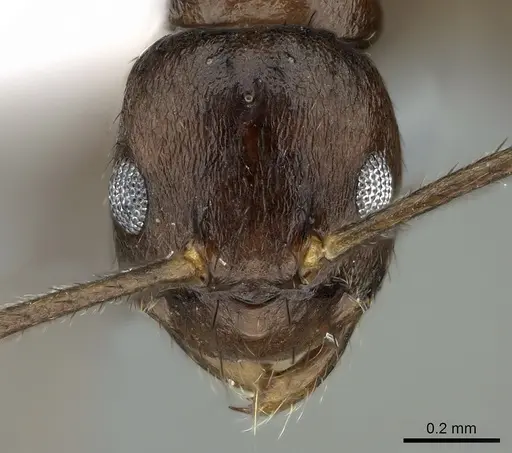
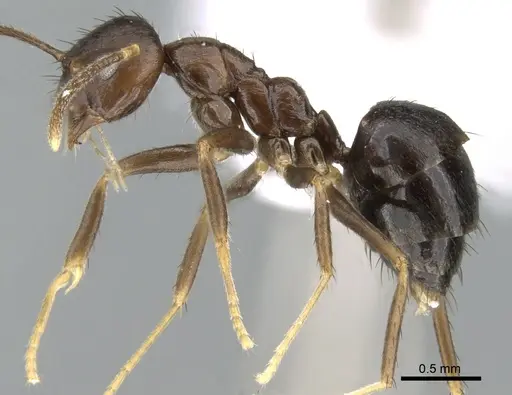
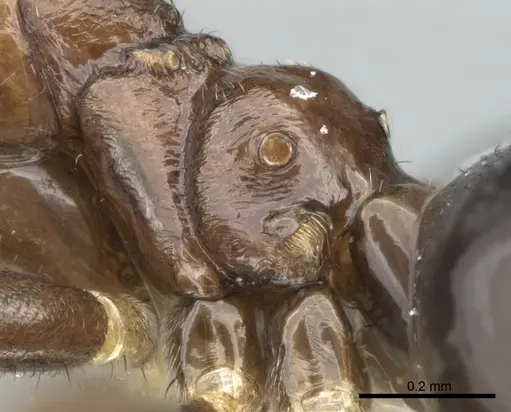
Nylanderia brevisetula is a tiny ant species native to Central Africa, first described in 2011. Workers measure 2.40-2.80 mm in total length . They have a brown to reddish-brown head and mesosoma, with a darker brown abdomen, and yellowish legs, antennae, and mandibles . The most notable feature is the unusually short bristles on the pronotum and mesonotum, which is where the species name 'brevisetula' comes from, meaning 'short bristle' in Latin . The head has a rough, wrinkled texture, which is unusual for Nylanderia and helps distinguish it from similar species . This species is closely related to Nylanderia mendica but has shorter bristles . It is known from Cameroon, Gabon, Ivory Coast, and Central African Republic . Almost nothing is published about its biology in the wild or in captivity .
Quick Summary
- Difficulty: Unknown, insufficient captive data
- Origin & Habitat: Central Africa (Cameroon, Gabon, Ivory Coast, Central African Republic) in tropical forest habitats [1][2]
- Colony Type: Unknown, queen caste has not been described [1]
- Size & Growth:
- Antkeeping:
- Temperature: Unknown for this species. Based on their Central African origin, they likely prefer warm conditions. Start around 24-28°C and observe colony behavior, if workers seem sluggish, warm slightly, if they avoid heated areas, cool down.
- Humidity: Unknown. Based on tropical forest origin, likely moderate humidity. Keep nest substrate lightly moist but not waterlogged. Provide a water tube for drinking access.
- Diapause: Unknown, no seasonal data published [1]. As a tropical species, they may not require true hibernation but might slow down during cooler periods.
- Nesting: No specific nesting data. Based on genus patterns, they may nest in soil, under stones, or in rotting wood. Use a test tube setup for founding colonies, once established, a small Y-tong or plaster nest suits their tiny size.
- Behavior: Behavior is unstudied in captivity. Based on genus patterns, they are likely generalist foragers that hunt small insects and tend honeydew-producing insects. Their tiny size means they are likely quick-moving and can escape through small gaps. Treat them as a small, active species requiring excellent escape prevention.
- Common Issues: high escape risk due to tiny size (2.4-2.8 mm), use fine mesh or barriers to prevent escapes, no captive care data exists, all care is estimated from genus patterns and requires experimentation, queen caste unknown, colony structure unconfirmed, wild-caught colonies may have parasites or diseases with no documented treatment
Appearance and Identification
Nylanderia brevisetula workers are tiny ants, measuring only 2.40-2.80 mm in total length [1]. Their body is brown to reddish-brown on the head and middle section, with a darker brown abdomen. The legs, antennae, and mandibles are yellowish [1]. The most distinctive feature is the unusually short bristles standing up on their pronotum and mesonotum, these are noticeably shorter than in related species like N. mendica [1]. The head has a rough, wrinkled texture, which is unusual for Nylanderia and helps identify this species [1]. The abdomen often shows faint striations on its surface [1]. Unfortunately, the queen and male castes have never been described, so you cannot identify queens from the scientific literature [1].
Distribution and Habitat
This species is known from four countries in Central Africa: Gabon (where it was first described), Cameroon, Ivory Coast, and the Central African Republic [1][2]. All collection records come from tropical forest regions. The original specimens were collected in Gabon at Monts Doudou at an elevation of 375 meters [1]. A more recent survey found them in urban green spaces in Abidjan, Ivory Coast, suggesting they can adapt to some human-modified environments [2]. However, nothing is known about their specific nesting habits or preferred microhabitats in the wild.
Known Biology
No biological studies have been published on Nylanderia brevisetula. This is one of the least-known ant species in the hobby. The original 2011 description only covers worker morphology, the queen, male, and all life stages remain undescribed [1]. We do not know their diet, nesting preferences, colony size, nuptial flight timing, or any aspect of their behavior. This means you will be essentially pioneering their care in captivity.
Care Guidelines
Since no captive care data exists, you will need to extrapolate from related Nylanderia species and their tropical African origin. Keep them warm, around 24-28°C, which matches their natural habitat in Central Africa. Maintain moderate humidity with a moist nest substrate and always-available drinking water. Feed them small live prey like fruit flies or pinhead crickets, along with sugar water or honey. Start colonies in a simple test tube setup, once established, a small Y-tong or plaster nest works well given their tiny size. Because workers are only 2.4-2.8 mm, escape prevention must be excellent, even tiny gaps can allow them to slip through. Observe your colony closely and adjust conditions based on their behavior rather than fixed rules.
Challenges and Considerations
The biggest challenge with Nylanderia brevisetula is the complete lack of documented captive care. Everything about their biology, from founding behavior to colony development, is unknown. You should expect a period of experimentation to find what works best. Additionally, since the queen has never been described, you may have difficulty identifying wild-caught queens if you find them. The species is only known from a few collection records, so obtaining founding colonies may be difficult. If you do acquire them, document your observations carefully, any captive data would be scientifically valuable for this poorly known species. [1]
Frequently Asked Questions
How do I care for Nylanderia brevisetula ants?
No captive care has been documented for this species. Based on their Central African origin and tiny size, keep them at 24-28°C with moderate humidity. Use a test tube for founding and a small Y-tong or plaster nest once established. Feed small live prey and sugar water. Their tiny size (2.4-2.8 mm) means excellent escape prevention is critical [1].
What do Nylanderia brevisetula ants eat?
Diet is unconfirmed for this species. Based on typical Nylanderia behavior, they likely accept small insects and honeydew. Start with small live prey like fruit flies or pinhead crickets, plus sugar water or honey. Offer protein twice weekly and sugar constantly.
How big do Nylanderia brevisetula colonies get?
Unknown, no colony size data has been published [1]. Related Nylanderia species typically form small to moderate colonies. Expect a slow discovery process with your colony.
What temperature do Nylanderia brevisetula ants need?
No specific data exists. Based on their Central African (tropical) origin, aim for 24-28°C. Start in this range and adjust based on colony activity, if they seem sluggish, warm slightly, if they avoid heated areas, cool down [1].
How long does it take for Nylanderia brevisetula to raise first workers?
Unknown, no development data has been published [1]. Based on typical Nylanderia patterns and their small worker size, development may take several weeks at optimal temperatures, but this is entirely estimated.
Can I keep multiple Nylanderia brevisetula queens together?
Unknown, the colony structure (monogyne vs polygyne) has not been documented. The queen caste itself has never been described. Do not attempt combining unrelated queens until more is known [1].
Are Nylanderia brevisetula good for beginners?
No, this species is not recommended for beginners due to the complete lack of captive care data. Every aspect of their husbandry requires experimentation. Choose a better-documented species like Lasius niger or Nylanderia fulva for your first ant.
Where does Nylanderia brevisetula come from?
This species is native to Central Africa, specifically Gabon, Cameroon, Ivory Coast, and the Central African Republic. All records come from tropical forest regions [1][2].
Why is Nylanderia brevisetula so hard to find care information for?
This species was only described in 2011 and has never been studied in captivity. No biological papers exist on their diet, development, nesting, or behavior. The queen caste has not even been scientifically described yet. Any captive data you develop would be original research [1].
Report an Issue
The current care sheet is based fully on literature. See inconsistencies, or something that's incorrect? Please , it will be resolved after review from an admin. Contributing to the blogs tab also helps providing information, to make us be able to further improve the caresheets. Thank you for your support!
References

This caresheet is licensed under CC BY-SA 4.0 .
Community Blogs
CASENT0090304
View on AntWeb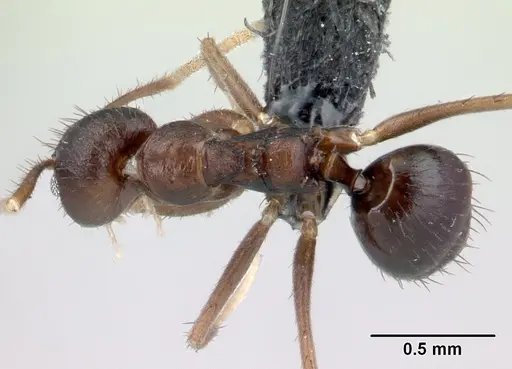
CASENT0179575
View on AntWeb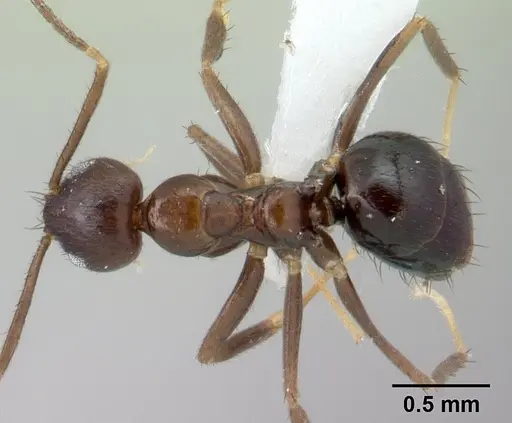
CASENT0317036
View on AntWeb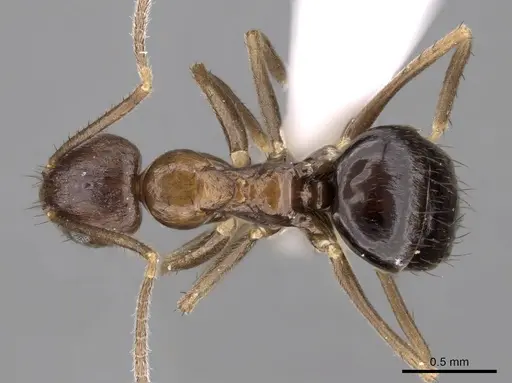
CASENT0317037
View on AntWeb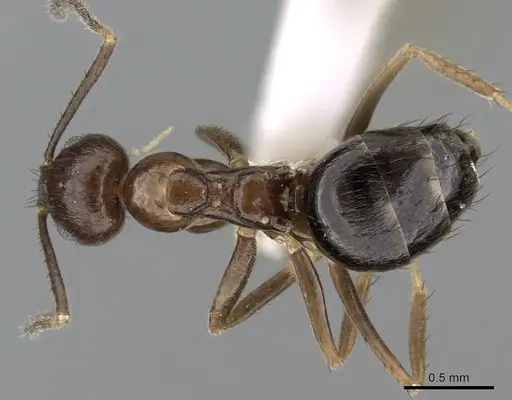
CASENT0317038
View on AntWeb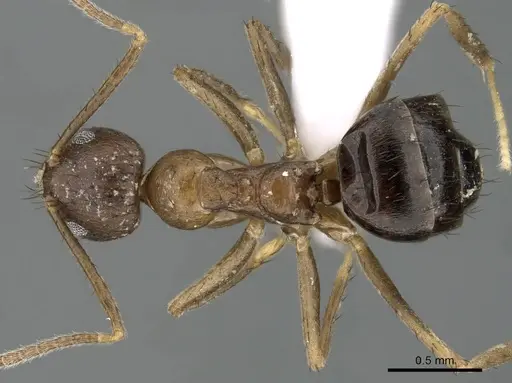
CASENT0317387
View on AntWeb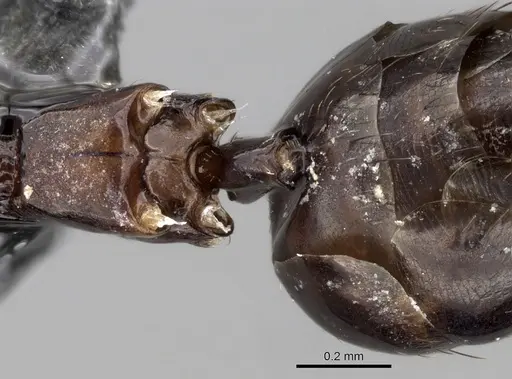
CASENT0317388
View on AntWeb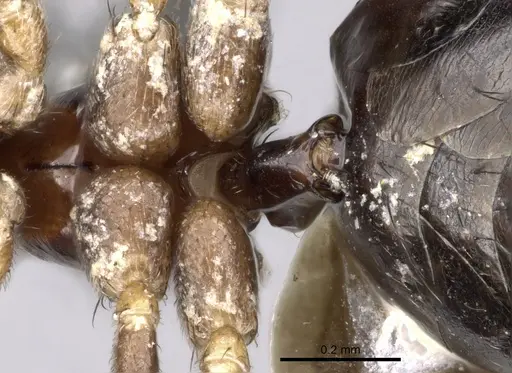
CASENT0906551
View on AntWeb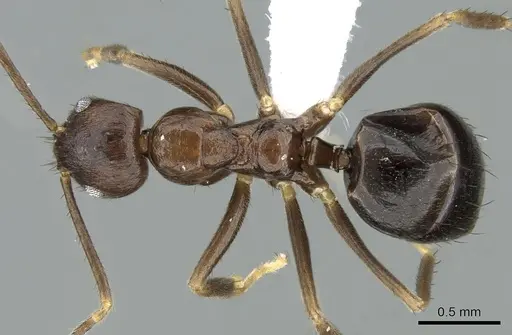
Literature
Loading distribution map...Loading products...