
Nylanderia braueri
- Sci. Name
- Nylanderia braueri
- Tribe
- Lasiini
- Subfamily
- Formicinae
- Author
- Mayr, 1868
- Distribution
- Found in 3 countries
Introduction
Nylanderia braueri is a small ant species native to Australia, first described by Mayr in 1868. Workers have mandibles with 6-7 teeth and antennae with erect setae . Body size data is unavailable. The species is recorded from Australia, with type locality in Mackay, Queensland , and from the Solomon Islands . This species is poorly studied, with most care information inferred from genus patterns. It remains a valid taxon despite taxonomic history involving Nylanderia glabrior .
Quick Summary
- Difficulty: Hard
- Origin & Habitat: Native to Australia, specifically Queensland (Mackay type locality) [2]. Recorded from Solomon Islands [3]. Natural habitat unconfirmed.
- Colony Type: Unconfirmed, colony structure not documented in scientific literature.
- Size & Growth:
- Queen: size data unavailable
- Worker: size data unavailable
- Colony: Unknown, no colony size data available
- Growth: Unknown
- Development: Unknown, no development data available (No species-specific data available.)
- Antkeeping:
- Temperature: Unknown, no species-specific data. Based on genus patterns, aim for warm temperatures, but exact requirements unconfirmed.
- Humidity: Unknown, no species-specific data. Based on genus patterns, moderate humidity may be suitable.
- Diapause: Unknown for this species.
- Nesting: Preferred nesting conditions unconfirmed. Based on genus patterns, soil or small cavities may be suitable.
- Behavior: Behavior unconfirmed. Based on genus patterns, workers are active and fast-moving. As Formicinae, they can spray formic acid when threatened. Escape prevention is critical due to the small size of Nylanderia species.
- Common Issues: Escape prevention is critical due to small worker size, No species-specific care data exists, keepers must rely on genus-level inferences, Growth rate and development timeline are unconfirmed, Hibernation or cool-season requirements are unknown
Species Identification and History
Nylanderia braueri was originally described as Nylanderia braueri by Mayr in 1868 from worker specimens collected in Mackay, Queensland, Australia [2]. The species has undergone several reclassifications over the years, moving through Prenolepis, then Paratrechina (Nylanderia), and finally settling in Nylanderia as currently recognized [4]. A subspecies, Nylanderia braueri donisthorpei, was described by Forel in 1908,though the current validity of this subspecies is uncertain. Some researchers have suggested N. braueri may be synonymous with N. glabrior, which was elevated to full species status in 2012,but N. braueri remains recognized as a valid taxon in current checklists [2].
Distribution and Range
Nylanderia braueri is native to Australia, with the type locality in Queensland. The species has been recorded from the Solomon Islands, with specimens collected from Guadalcanal in 1954 representing the first record for that region [3]. The species appears in surveys of Australian territories, including Barrow Island where it was detected only in non-indigenous species (NIS) surveys [5]. This suggests some capability for dispersal, though its established range remains primarily Australia and neighboring Pacific islands.
Identification Notes
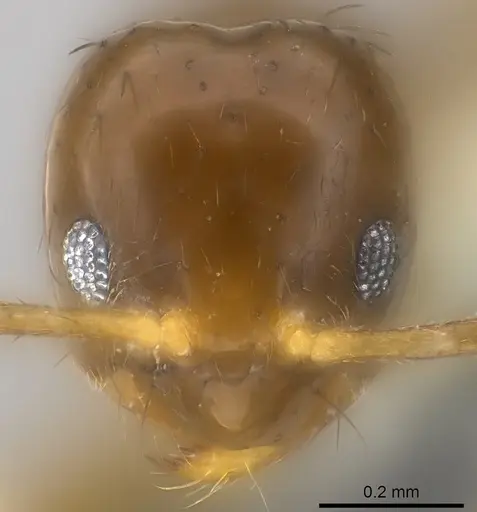
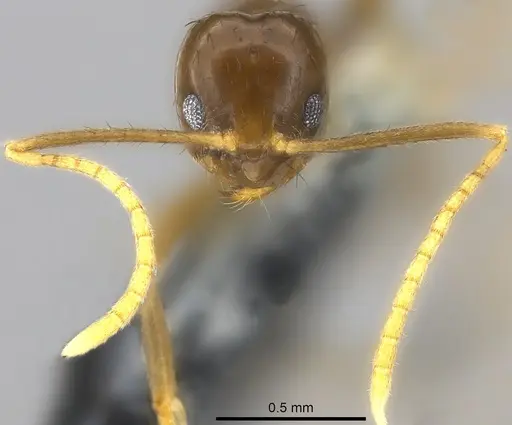
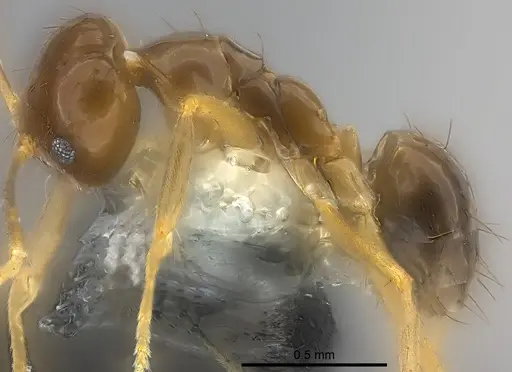
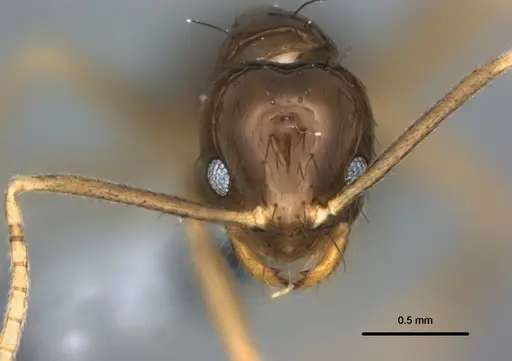
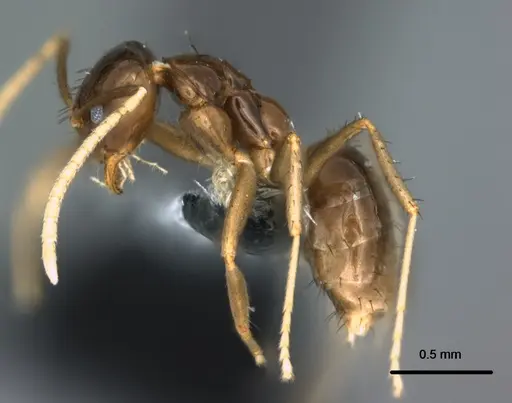
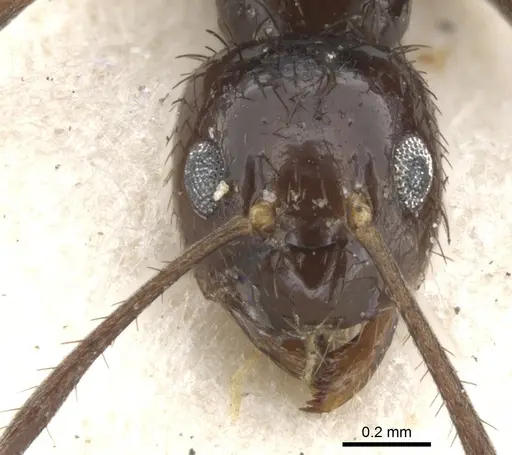
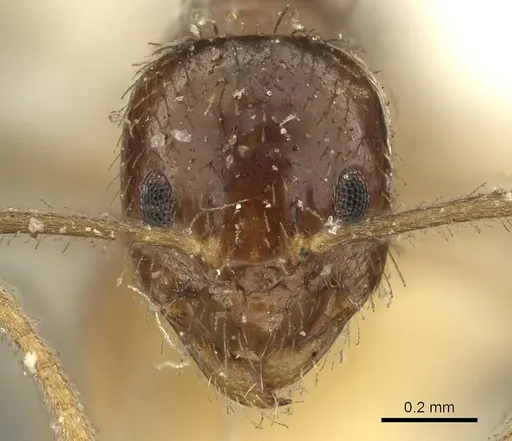
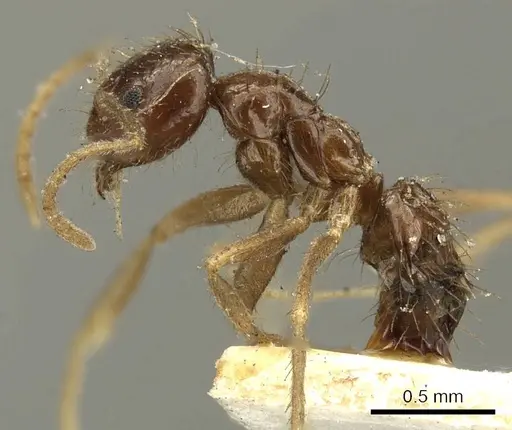
Workers of N. braueri are small ants, though exact body size data is unavailable. Key identification features include mandibles armed with six or seven teeth and antennae with erect setae (bristles standing up from the surface) [1]. The genus Nylanderia can be distinguished from similar genera like Paratrechina by certain morphological characteristics, and the species-level identification typically requires examination of microscopic features.
Care and Keeping Uncertainty
This species has not been studied in captivity, and almost no scientific data exists on its biology. All care information in this caresheet represents either direct data from limited specimens or inferences from genus-level patterns. Keepers should monitor colonies closely and adjust care based on observed behavior. This species is best suited for experienced antkeepers comfortable with uncertainty.
Frequently Asked Questions
How long does it take for Nylanderia braueri to produce first workers?
Unknown, no species-specific development data available.
What do Nylanderia braueri ants eat?
Diet is unconfirmed. Based on genus patterns, they likely accept sugar sources and small protein prey.
What temperature do Nylanderia braueri ants need?
Temperature requirements are not documented. Based on genus patterns, aim for warm temperatures.
Are Nylanderia braueri ants good for beginners?
This species cannot be recommended for beginners due to lack of species-specific care information.
How big do Nylanderia braueri colonies get?
Colony size is unknown, no scientific data exists.
Can I keep multiple Nylanderia braueri queens together?
The colony structure is unconfirmed for this species.
Do Nylanderia braueri ants need hibernation?
Diapause requirements are unknown for this species.
Why are my Nylanderia braueri ants dying?
Without species-specific data, causes are speculative. Ensure excellent escape prevention, appropriate temperature, and moderate humidity.
Where can I get Nylanderia braueri ants?
This species is rarely available in the antkeeping hobby. Check with specialized vendors.
Report an Issue
The current care sheet is based fully on literature. See inconsistencies, or something that's incorrect? Please , it will be resolved after review from an admin. Contributing to the blogs tab also helps providing information, to make us be able to further improve the caresheets. Thank you for your support!
References

This caresheet is licensed under CC BY-SA 4.0 .
Community Blogs
CASENT0181471
View on AntWeb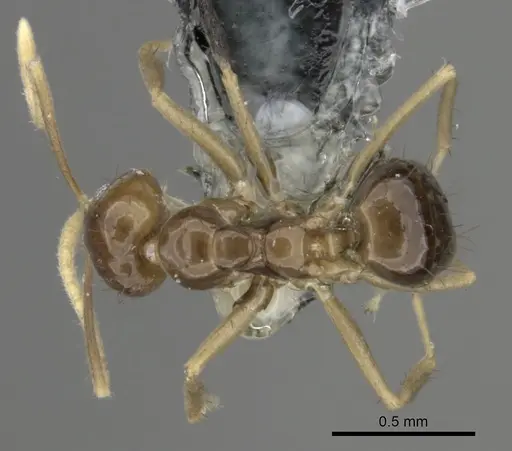
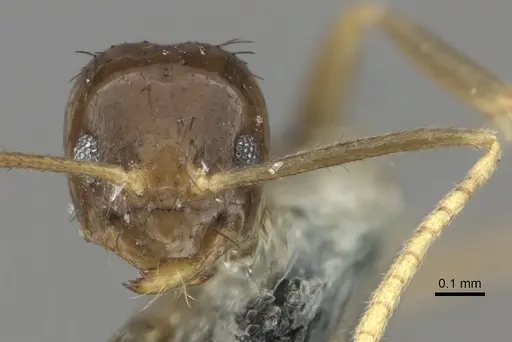
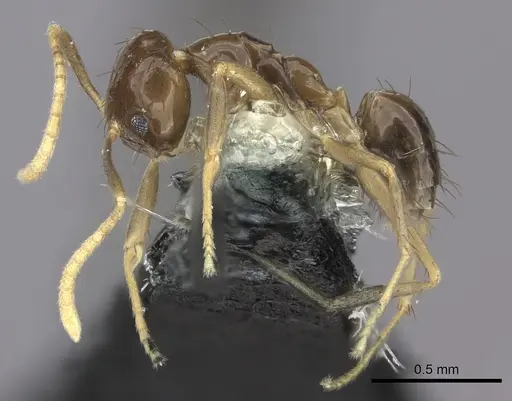
CASENT0181474
View on AntWeb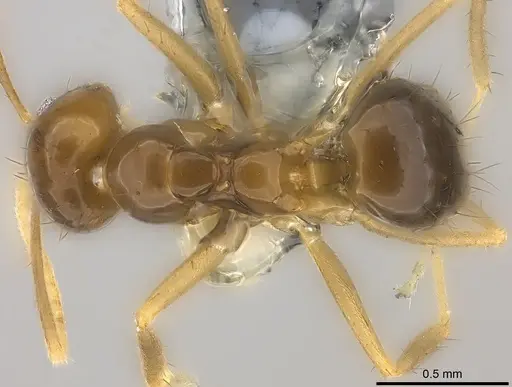
CASENT0181506
View on AntWeb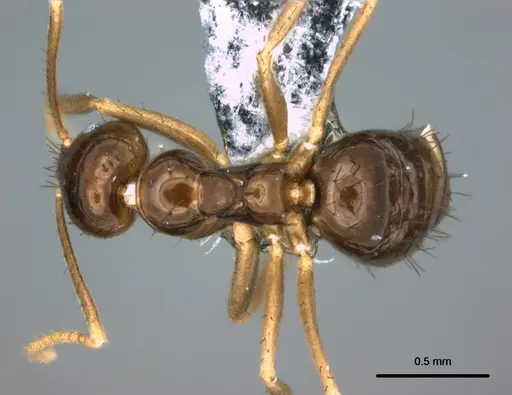
CASENT0903129
View on AntWeb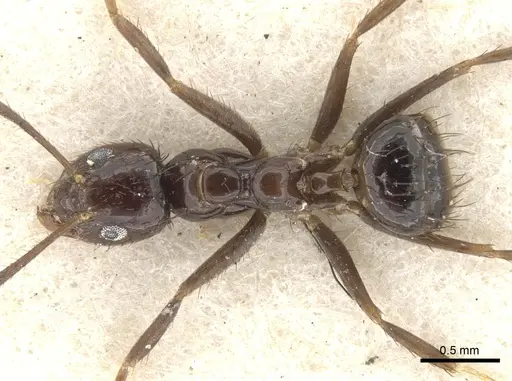
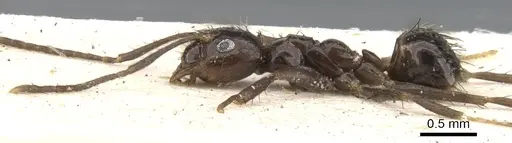
CASENT0911015
View on AntWeb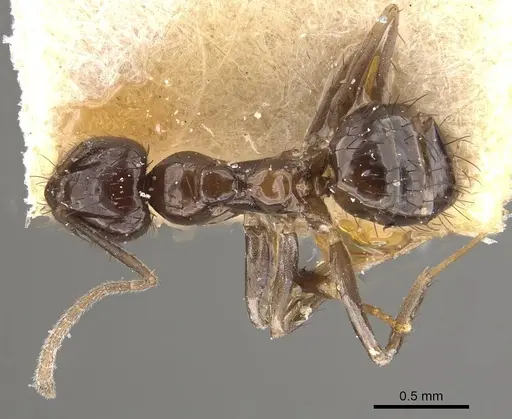
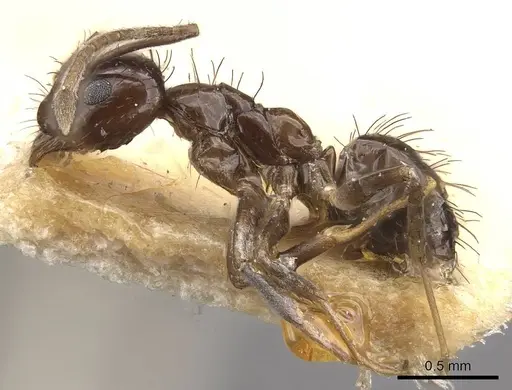
CASENT0915719
View on AntWeb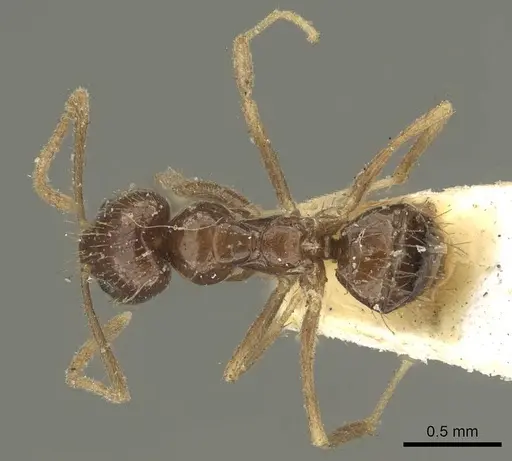
Literature
Loading distribution map...Loading products...