
Nylanderia amia
- Sci. Name
- Nylanderia amia
- Tribe
- Lasiini
- Subfamily
- Formicinae
- Author
- Forel, 1913
- Distribution
- Found in 3 countries
Introduction
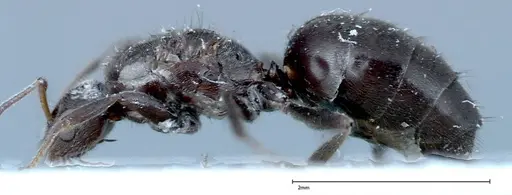
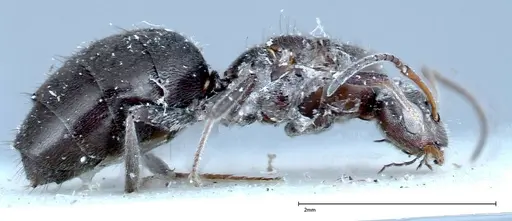
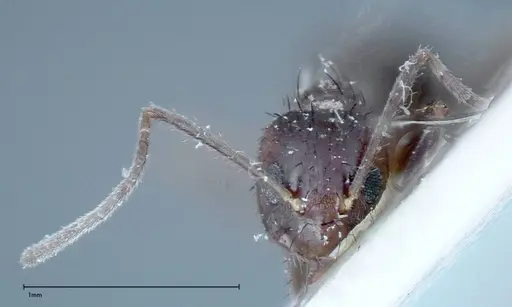
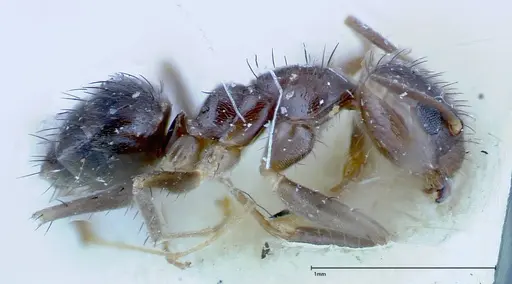
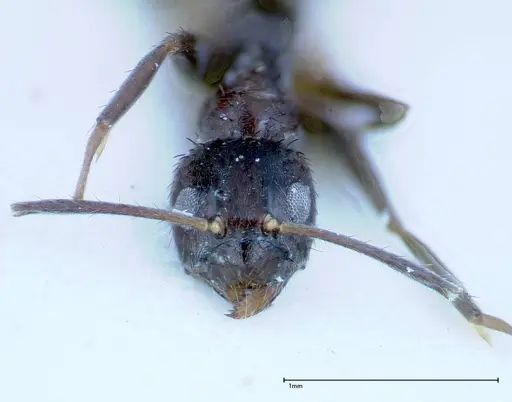
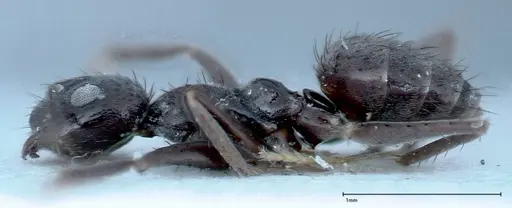
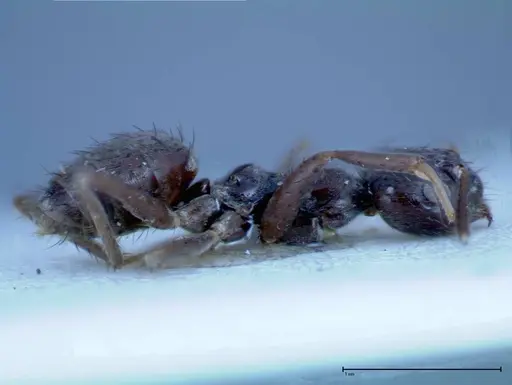
Nylanderia amia is a small ant native to Japan and Taiwan, commonly found in the Ogasawara and Nansei Islands. Workers are inferred to be around 2-3 mm based on Nylanderia genus patterns, and queens are larger. It has pale yellowish to brownish coloration and nests in leaf litter, rotting wood, or soil in dry habitats . This species is a tramp species that has spread through human commerce and is now established in port cities across Japan, often in urban areas .
Quick Summary
- Difficulty: Expert
- Origin & Habitat: Native to Japan and Taiwan, found in dry habitats like leaf litter and rotting wood [1][2].
- Colony Type: Unconfirmed, no species-specific data on queen number.
- Size & Growth:
- Queen: ~4-5 mm, inferred from Nylanderia genus
- Worker: ~2-3 mm, inferred from Nylanderia genus
- Colony: Size data unavailable
- Growth: Moderate
- Development: Development timeline data unavailable (No species-specific data on development time.)
- Antkeeping:
- Temperature: Keep at room temperature, roughly 20-26°C. Tolerates a wide range based on Japanese distribution [5].
- Humidity: Provide a humidity gradient, mostly dry nest chamber with one small moist area, as they nest in dry habitats [1].
- Diapause: Unknown, no species-specific data on diapause requirements.
- Nesting: They nest in leaf litter, rotting wood, and soil. In captivity, use Y-tong nests, plaster nests, or soil-based setups with compact chambers [1].
- Behavior: These ants are active foragers with erratic 'crazy ant' movement. They are attracted to sweet foods and are not aggressive [5][6]. Due to small size, escape prevention is critical [3]. This species is an invasive tramp species, never release outside native range of Japan and Taiwan [3][4].
- Common Issues: escape prevention is critical due to their tiny size, use fine mesh barriers and tight-fitting lids [3]., this species is an invasive tramp species, never release outside native range of Japan and Taiwan [3][4]., colonies may be slow to establish initially, don't overfeed during founding., test tube setups must have proper water reservoir management to avoid flooding., wild-caught colonies may carry parasites that can cause colony collapse in captivity.
Housing and Nest Setup
You can keep Nylanderia amia in standard ant keeping setups. A test tube setup works for founding colonies, use a small test tube with a cotton water reservoir. Once the colony reaches a few dozen workers, move them to a small formicarium or Y-tong nest. These ants prefer narrow chambers and tight spaces. Keep the nest material moderately humid with some dry areas, they will self-regulate. An outworld of about 10x10cm is sufficient for colonies under a few hundred workers. Use a fluon barrier around the outworld edges and cover ventilation holes with fine mesh to prevent escapes [3]. Avoid dirt-based setups initially as they can be hard to maintain.
Feeding and Diet
You should offer sweet foods constantly, as Nylanderia amia is strongly attracted to honey baits and extrafloral nectaries [5][6]. Provide sugar water or diluted honey at all times. For protein, offer small insects like fruit flies or mealworm pieces 2-3 times per week. Remove uneaten protein after 24 hours to prevent mold. These ants are not primarily predatory, so pre-killed insects work fine. Monitor consumption and adjust feeding as the colony grows.
Temperature and Seasonal Care
Keep your colony at room temperature, roughly 20-26°C. This species tolerates a wide temperature range based on its distribution in Japan [5]. During winter, if temperatures drop below 15°C, consider a slight heat source or allow a natural rest period. No specific diapause data exists, but based on Japanese distribution, a winter rest may be beneficial. Observe your colony, if workers become less active, they may be entering a rest period.
Behavior and Temperament
You will notice these ants move quickly with erratic, darting movements, the classic 'crazy ant' behavior. They are active foragers and not aggressive toward keepers [5][6]. However, their small size makes them excellent escape artists, so always use excellent escape prevention [3]. They are disturbance-tolerant and adapt well to urban environments, which helps in captivity.
Colony Development
A newly mated queen will seal herself in a chamber and lay eggs. She feeds on stored reserves during founding, founding type is unconfirmed. First workers typically emerge after several weeks, but no species-specific data exists. Growth is moderate, and colonies can reach several hundred workers over time. Regular feeding and proper temperature support steady growth. [2][3]
Legal and Ethical Considerations
Nylanderia amia is an invasive tramp species documented in port cities across Japan [3][4]. If you keep this species, never release any ants outside their native range of Japan and Taiwan. This is critical to prevent ecological damage. Responsible antkeeping means preventing accidental releases.
Frequently Asked Questions
Can I keep Nylanderia amia in a test tube?
Yes, test tubes work for founding colonies. Use a small test tube with a cotton water reservoir. Once the colony reaches a few dozen workers, consider moving to a Y-tong or plaster nest [1].
How long until first workers appear?
No species-specific data exists, but based on related Nylanderia species, expect first workers after several weeks at optimal temperature.
What do Nylanderia amia eat?
They are primarily sugar-feeding ants. Offer sugar water or diluted honey constantly, and protein like small insects 2-3 times per week [5][6].
Are Nylanderia amia good for beginners?
No, this species is set to Expert difficulty due to its invasive nature. It is not recommended for beginners, especially outside Japan and Taiwan [3].
Do Nylanderia amia need hibernation?
No species-specific data exists, but based on Japanese distribution, a winter rest may be beneficial. Monitor your colony for activity changes.
How big do Nylanderia amia colonies get?
Colony size data is unavailable, but they can grow to several hundred workers based on tramp species patterns.
Can I keep multiple queens together?
No species-specific data on queen number, so it is unconfirmed. Only keep one queen per colony to avoid conflicts.
Why are my Nylanderia amia escaping?
Their small size makes them excellent escape artists. Use fine mesh on ventilation holes, apply fluon barrier grease, and ensure tight lids [3].
When should I move them to a formicarium?
Move to a formicarium when the colony reaches a few dozen workers and the test tube becomes crowded. Use Y-tong or plaster nests with compact chambers [1].
What temperature do Nylanderia amia need?
Room temperature of 20-26°C is ideal, and they tolerate a wide range based on Japanese distribution [5].
Report an Issue
The current care sheet is based fully on literature. See inconsistencies, or something that's incorrect? Please , it will be resolved after review from an admin. Contributing to the blogs tab also helps providing information, to make us be able to further improve the caresheets. Thank you for your support!
References

This caresheet is licensed under CC BY-SA 4.0 .
Community Blogs
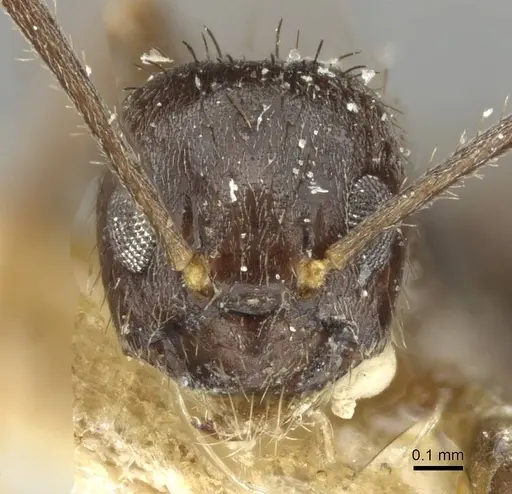
CASENT0188902
View on AntWeb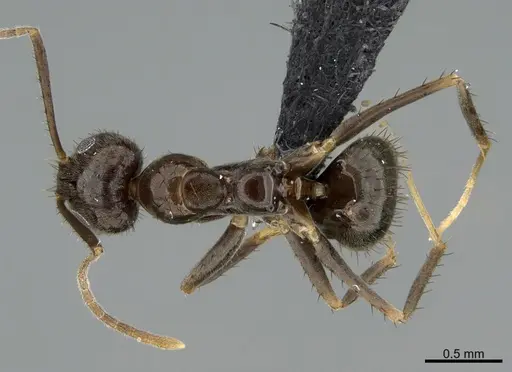
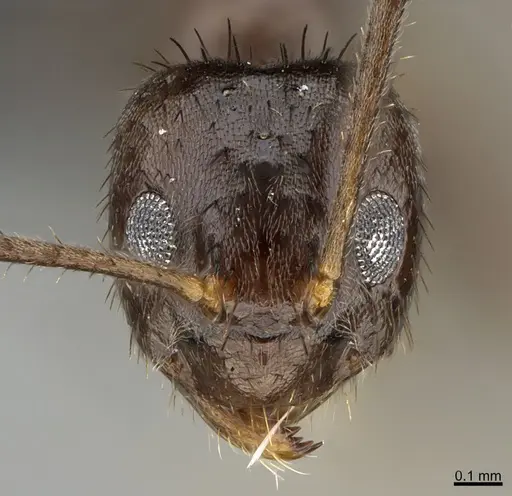
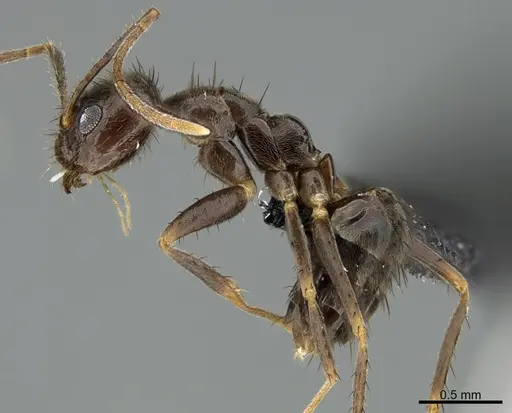
CASENT0910996
View on AntWeb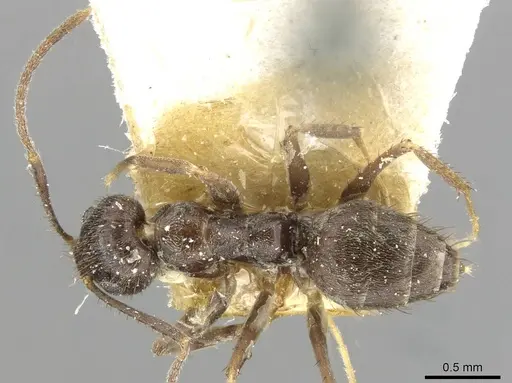
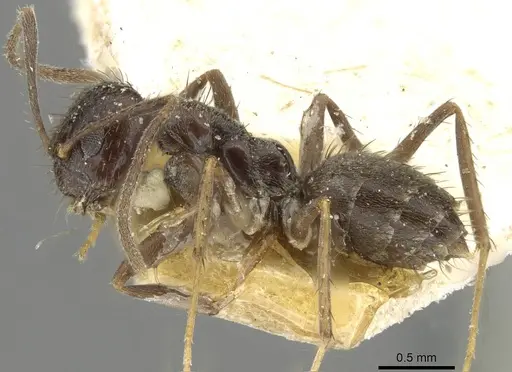
FOCOL0143
View on AntWeb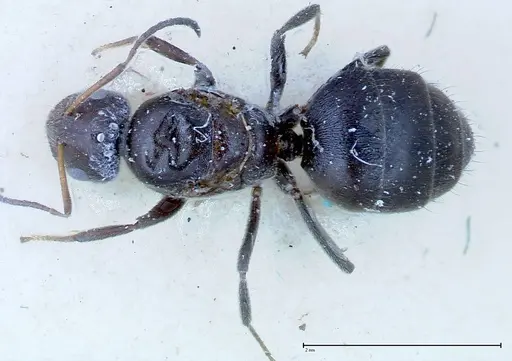
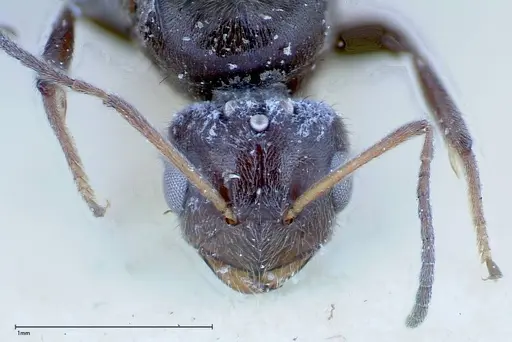
FOCOL0144
View on AntWeb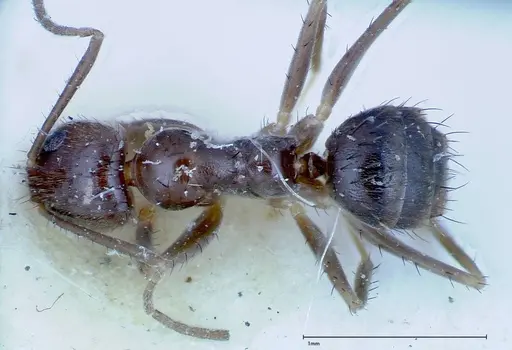
FOCOL0145
View on AntWeb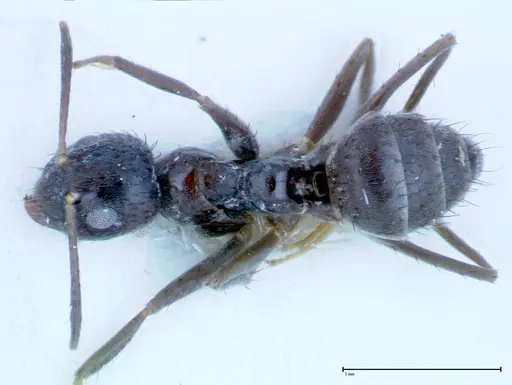
Literature
Loading distribution map...Loading products...