
Nylanderia amblyops
- Sci. Name
- Nylanderia amblyops
- Tribe
- Lasiini
- Subfamily
- Formicinae
- Author
- Forel, 1892
- Distribution
- Found in 1 countries
Introduction
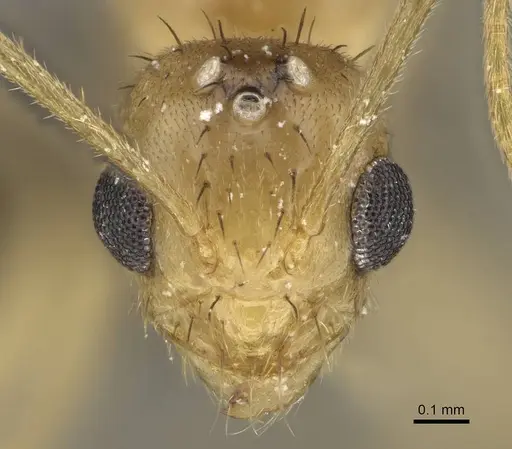
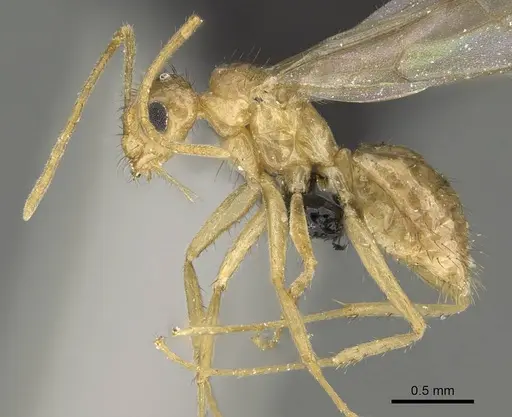
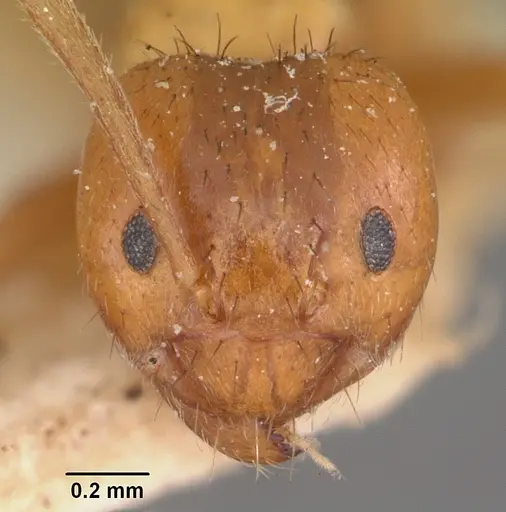
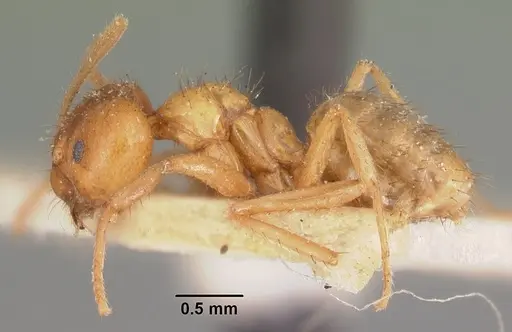
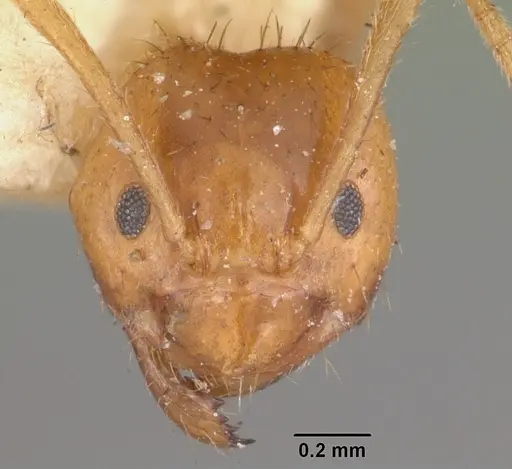
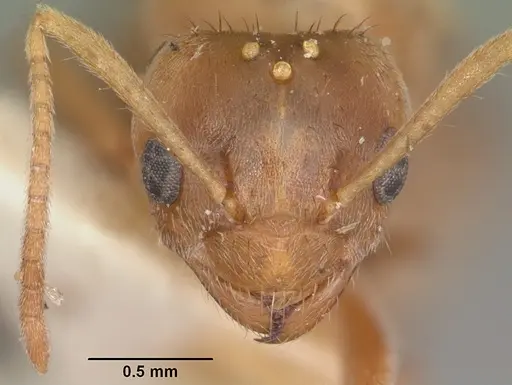
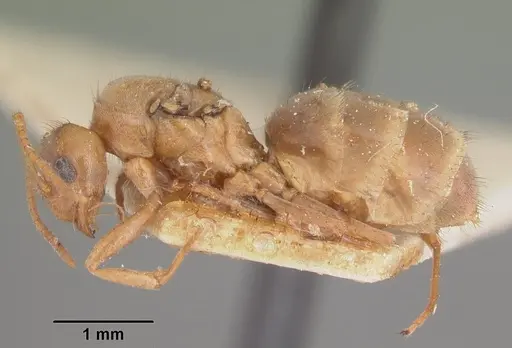
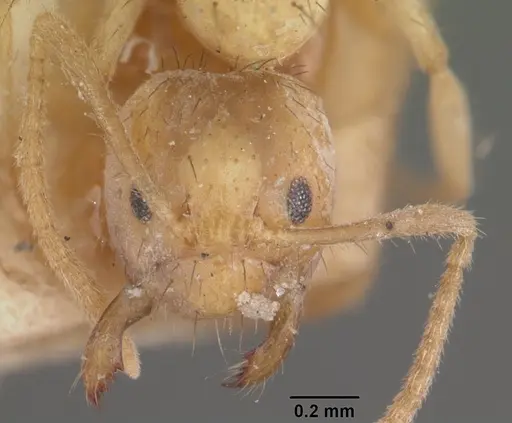
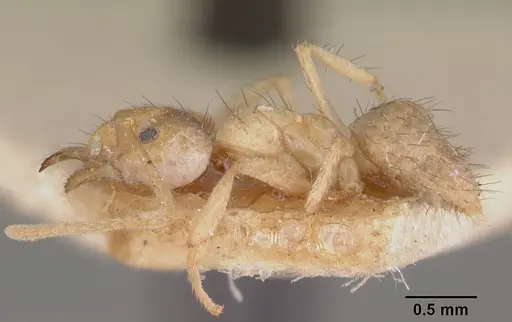
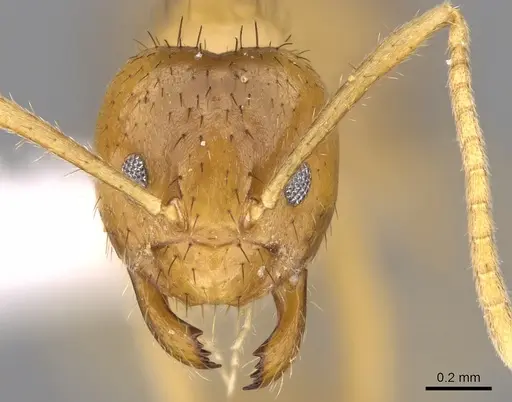
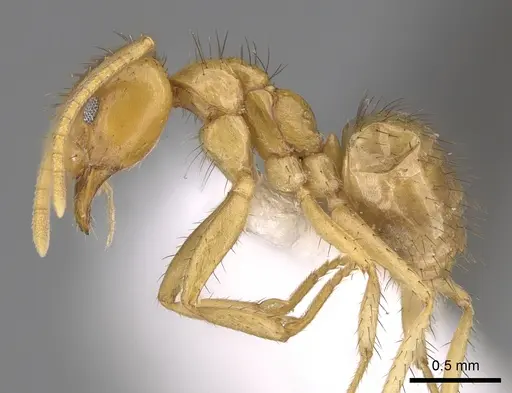
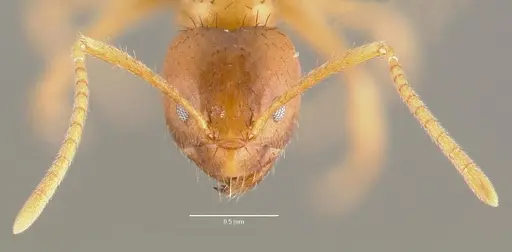
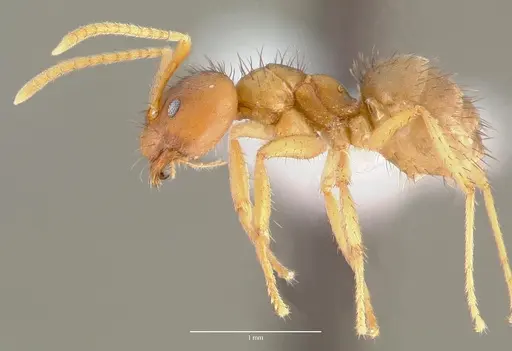
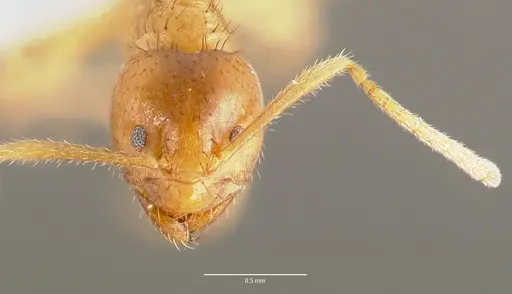
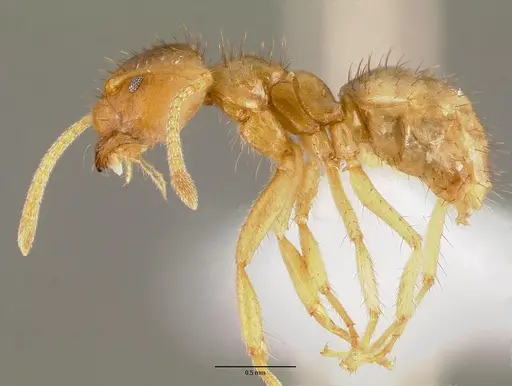
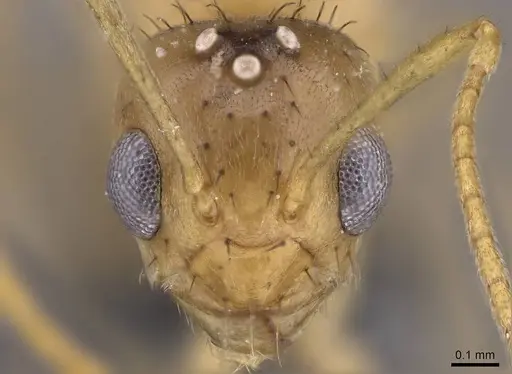
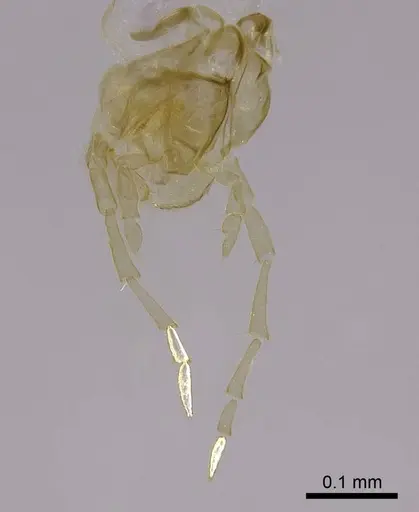
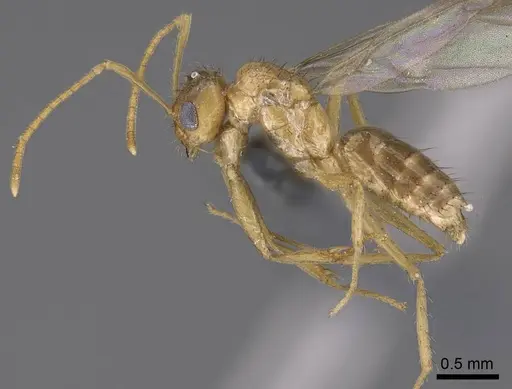
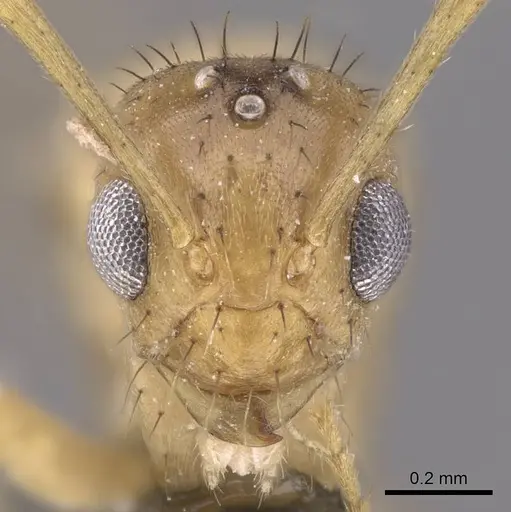
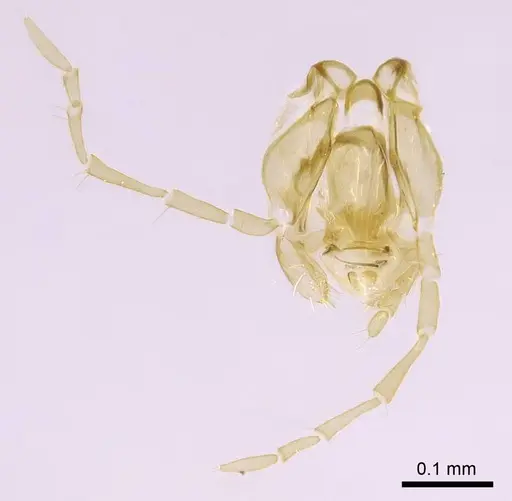
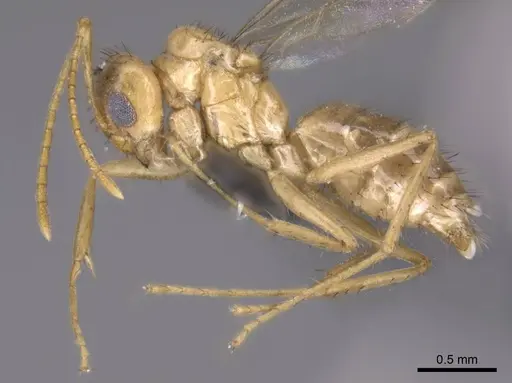
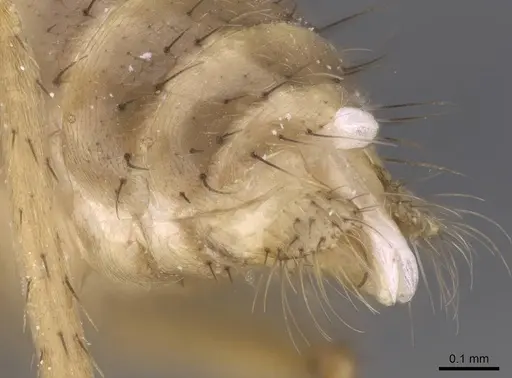
Nylanderia amblyops is a small ant species endemic to Madagascar . The genus was reclassified from Paratrechina to Nylanderia in 2010 based on molecular data . Workers exhibit possible polymorphism, meaning size variation within colonies . Size data is unavailable from current research. This species is notable for hosting the clavigerid beetle Apoderiger cervinus, a myrmecophilous relationship documented in Madagascar .
Quick Summary
- Difficulty: Hard
- Origin & Habitat: Endemic to Madagascar, found in the Malagasy Region [1]. Specific habitat details are unconfirmed, but tropical climate suggests warm, humid forest preferences.
- Colony Type: Colony structure is unconfirmed. Based on typical Nylanderia patterns, likely single-queen (monogyne) colonies with possible worker size variation [3].
- Size & Growth:
- Queen: Size data unavailable from current research. Estimated around 4-5mm based on Nylanderia genus patterns.
- Worker: Size data unavailable from current research. Estimated around 2-4mm based on Nylanderia genus patterns.
- Colony: Unknown, no colony size data exists for this species.
- Growth: Unknown, no development data exists.
- Development: Unconfirmed. Based on similar tropical Nylanderia species, estimate 4-8 weeks at optimal warm temperatures. (No direct development studies exist for this species. Timeline is inferred from genus patterns.)
- Antkeeping:
- Temperature: Maintain warm conditions, roughly 24-28°C, based on tropical origin. Use a heating cable to create a gradient if needed.
- Humidity: Keep nest substrate consistently moist but not waterlogged, based on tropical habitat. Provide a water tube for drinking access.
- Diapause: No diapause required, as a tropical species.
- Nesting: Use standard ant housing like test tubes or small nests, ensure escape prevention due to tiny size [1].
- Behavior: Behavior is unstudied. Based on genus patterns, they are active foragers and not aggressive. Escape risk is high due to small size, use fine mesh barriers.
- Common Issues: lack of species-specific care data makes husbandry challenging., escape prevention is critical due to tiny size., colony founding may be difficult with no documented success., temperature and humidity requirements are estimates based on genus patterns., diet preferences are unconfirmed, start with sugar water and small prey.
Species Background and Taxonomy
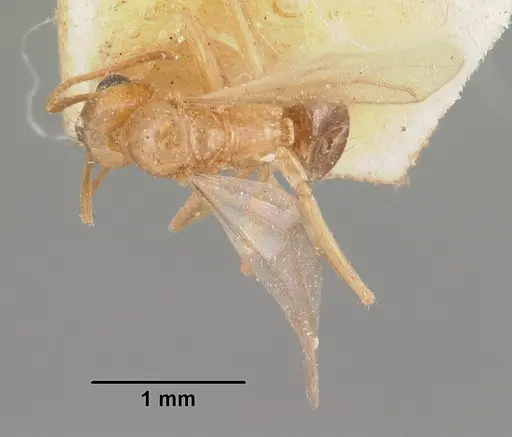
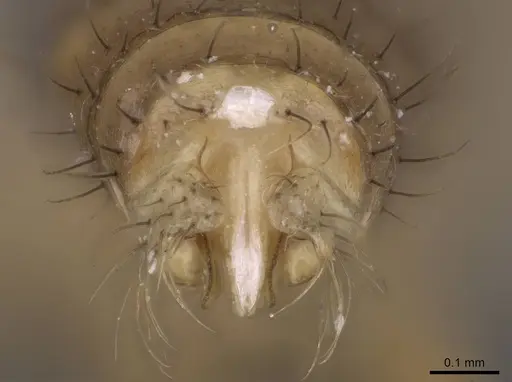
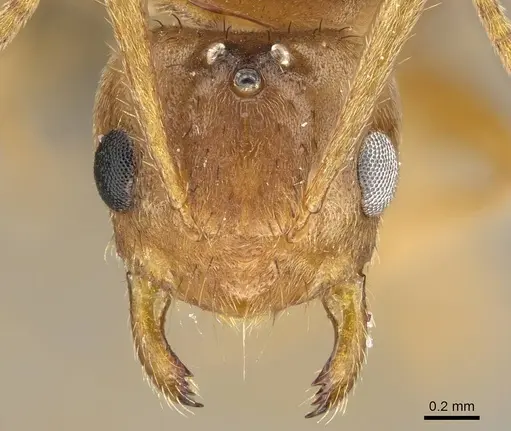
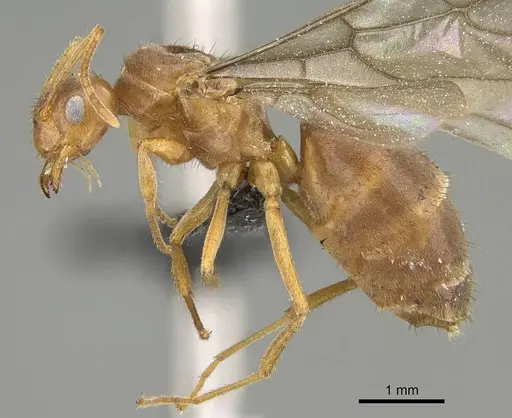
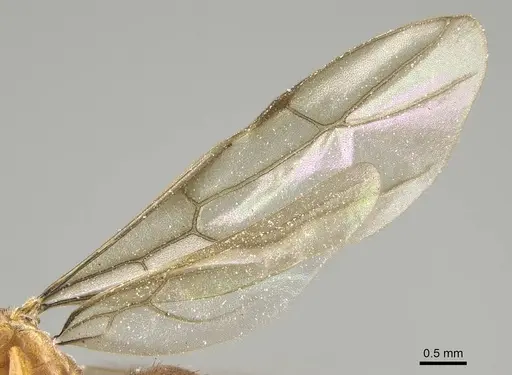
Nylanderia amblyops was originally described as Nylanderia amblyops by Forel in 1892 from worker specimens collected in Madagascar [1]. The queen was described by Forel later in 1892,and the male by Emery in 1899. The species underwent reclassification, moving to Nylanderia in 2010 when molecular data confirmed its placement within that genus [2]. A subspecies, Nylanderia amblyops rubescens, was also described [1]. This species is known only from Madagascar, making it rare in antkeeping.
Housing and Nesting
No specific natural nesting data exists for this species. In captivity, use standard ant housing like test tubes with water reservoirs for founding, or small ytong nests for established colonies. Because workers are tiny, ensure no gaps allow escapes, use snug cotton stoppers and fine mesh on ventilation [1]. The nest should have a water chamber for humidity.
Feeding and Diet
Diet is unconfirmed for this species. Based on typical Nylanderia biology, they likely accept sugar sources (honey water) and small protein sources (fruit flies, small crickets). Offer constant sugar water and live prey 2-3 times per week, removing uneaten items within 24 hours.
Temperature and Seasonal Care
As a tropical Madagascar species, maintain warm conditions year-round, roughly 24-28°C with minimal fluctuations. A heating cable can create a gentle gradient. Humidity should remain moderate, keep nest substrate damp but not waterlogged. No diapause is expected.
Behavior and Colony Dynamics
Specific behavior is unstudied, but Nylanderia species typically form moderate-sized colonies with active foraging workers. This species shows possible worker polymorphism [3]. It hosts the clavigerid beetle Apoderiger cervinus, a myrmecophilous relationship [4]. In captivity, expect active workers that forage throughout their enclosure. They are not aggressive and cannot sting humans.
Frequently Asked Questions
How long does it take for Nylanderia amblyops to produce first workers?
The egg-to-worker timeline is unconfirmed. Based on similar tropical Nylanderia species, expect approximately 4-8 weeks at optimal warm temperatures (24-28°C).
What do Nylanderia amblyops ants eat?
Diet is unconfirmed but likely similar to other Nylanderia species. Offer sugar water constantly and small live prey 2-3 times weekly.
Do Nylanderia amblyops ants need hibernation?
No hibernation is expected. As a tropical species, they require year-round warm temperatures.
Are Nylanderia amblyops good for beginners?
This species is not recommended for beginners due to lack of documented captive care. All husbandry recommendations are estimates based on genus patterns [1].
How big do Nylanderia amblyops colonies get?
Colony size is unknown, no colony size data exists for this species [1].
Can I keep multiple Nylanderia amblyops queens together?
Colony structure is unconfirmed. Combining unrelated queens has not been documented for this species. Based on typical genus patterns, single-queen colonies are likely.
What temperature and humidity do Nylanderia amblyops need?
Keep at roughly 24-28°C with moderate humidity, maintain damp nest substrate.
Why is Nylanderia amblyops so rare in the antkeeping hobby?
This species is endemic only to Madagascar and has never been documented in scientific literature as being collected for antkeeping. Very little biological data exists [1].
Is Nylanderia amblyops invasive anywhere?
No. This species is endemic to Madagascar and has not been documented as invasive anywhere [1].
Report an Issue
The current care sheet is based fully on literature. See inconsistencies, or something that's incorrect? Please , it will be resolved after review from an admin. Contributing to the blogs tab also helps providing information, to make us be able to further improve the caresheets. Thank you for your support!
References

This caresheet is licensed under CC BY-SA 4.0 .
Community Blogs
CASENT0007735
View on AntWeb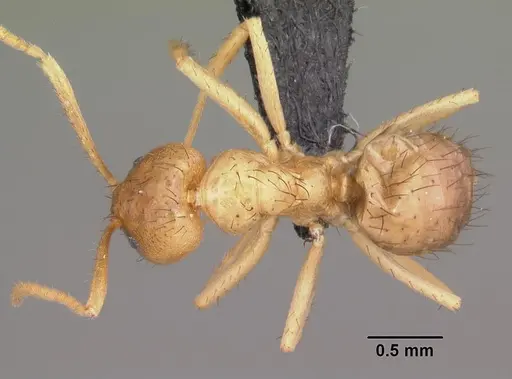
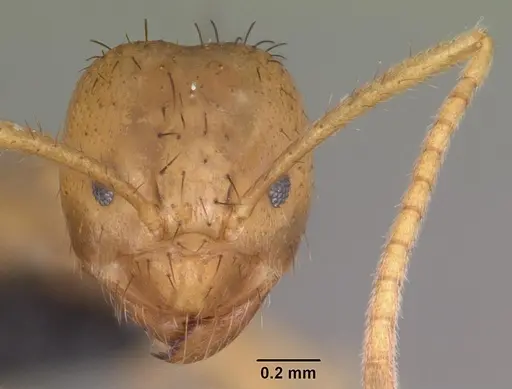
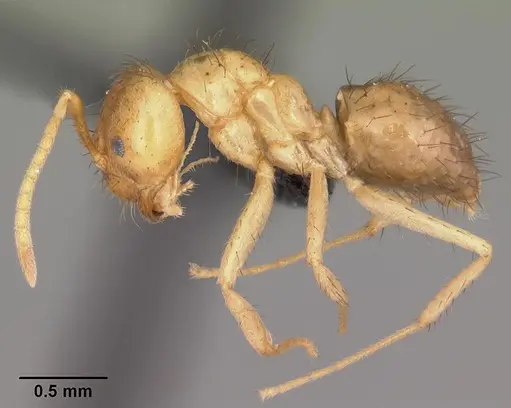
CASENT0066704
View on AntWeb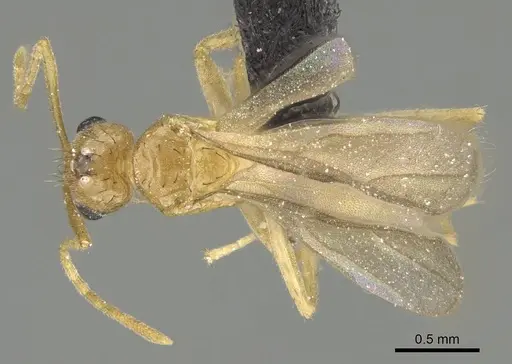
CASENT0101311
View on AntWeb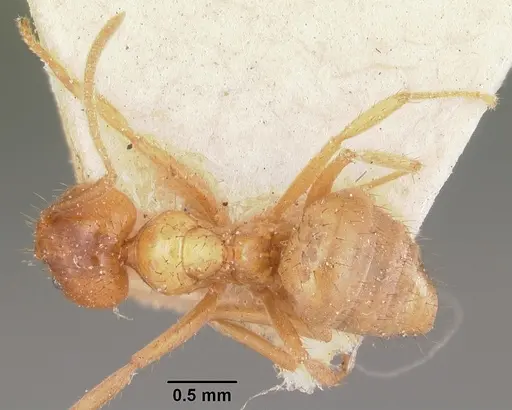
CASENT0101312
View on AntWeb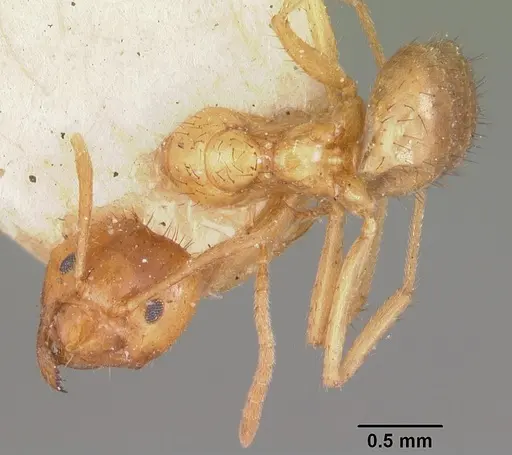
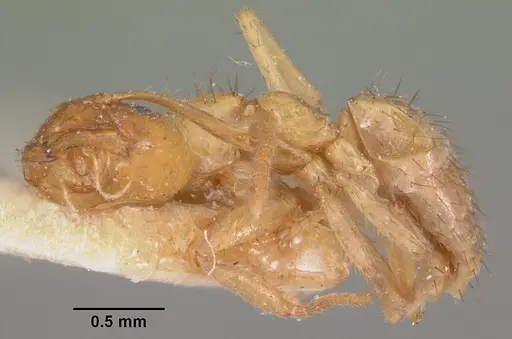
CASENT0101605
View on AntWeb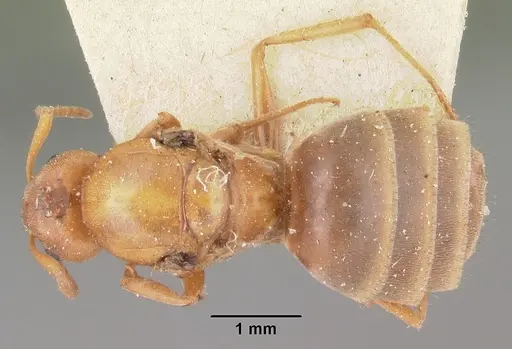
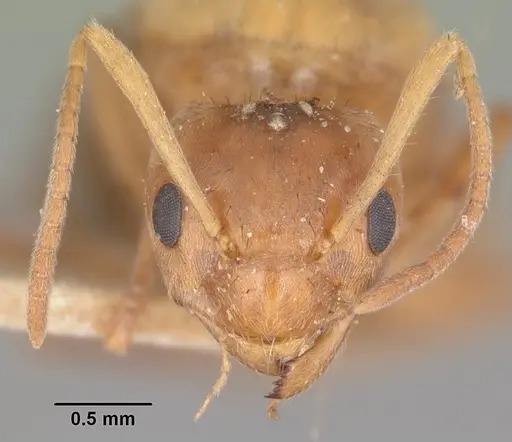
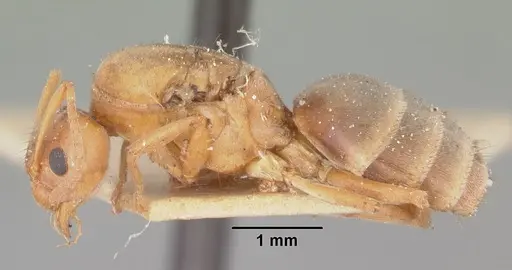
CASENT0101627
View on AntWeb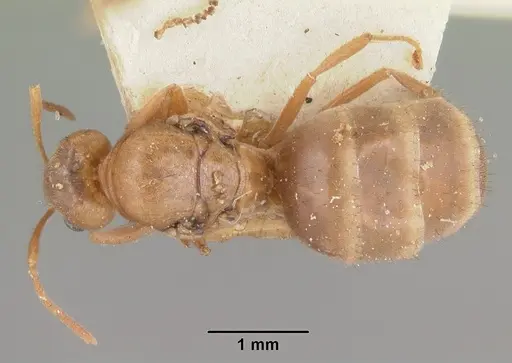
CASENT0101749
View on AntWeb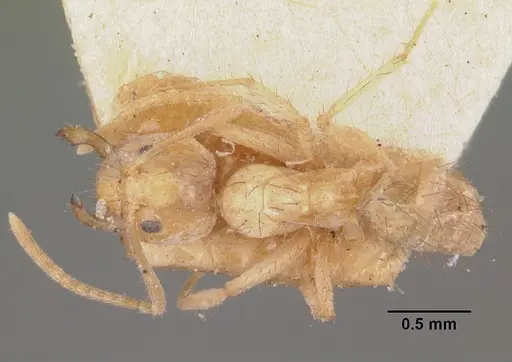
CASENT0101920
View on AntWeb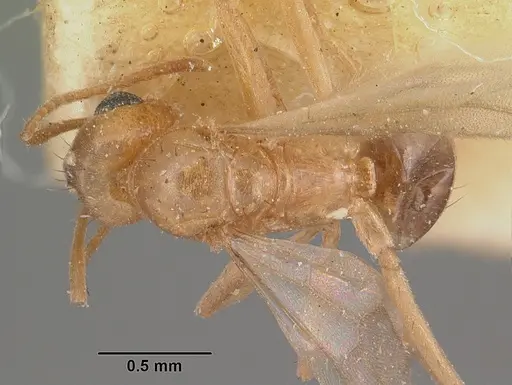
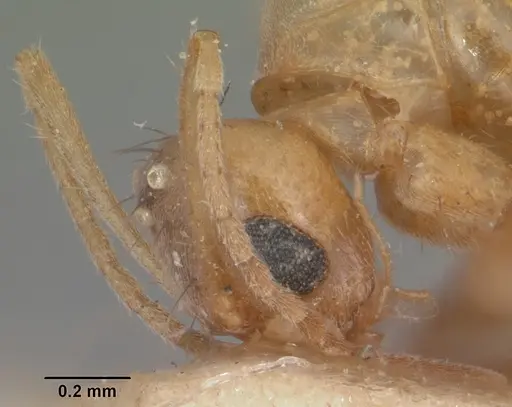
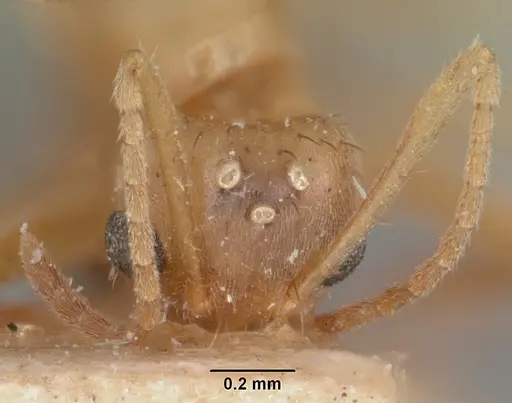
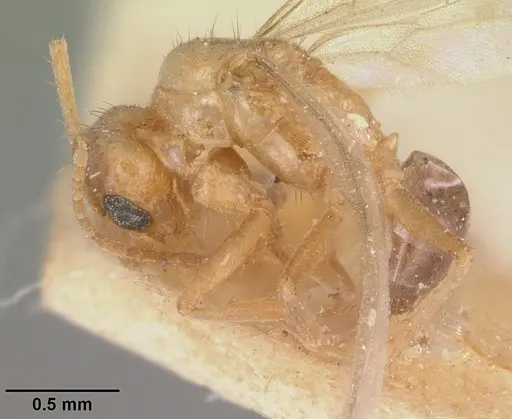
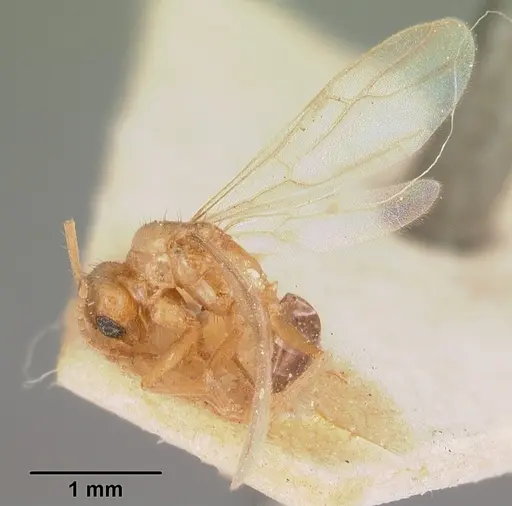
CASENT0281132
View on AntWeb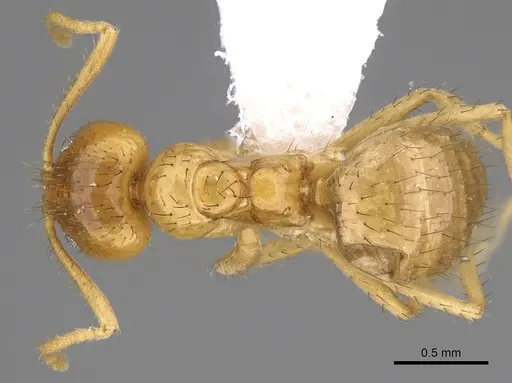
CASENT0304713
View on AntWeb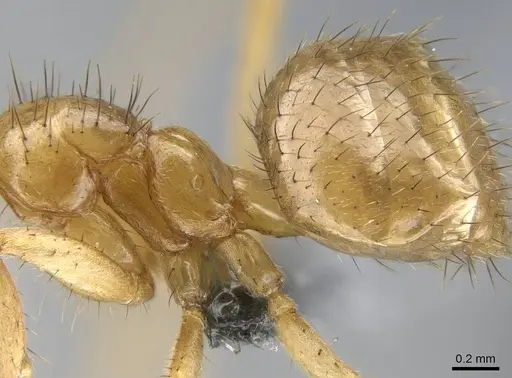
CASENT0407980
View on AntWeb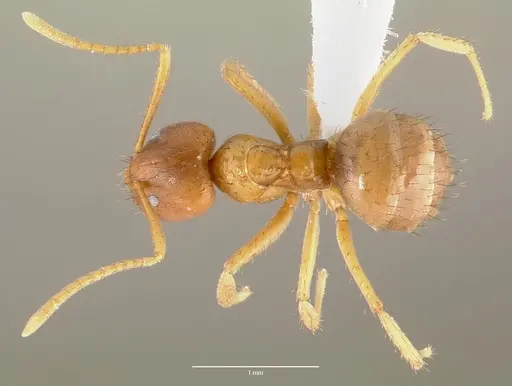
CASENT0415031
View on AntWeb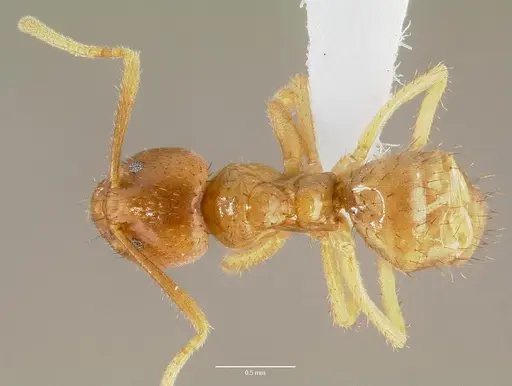
CASENT0740912
View on AntWeb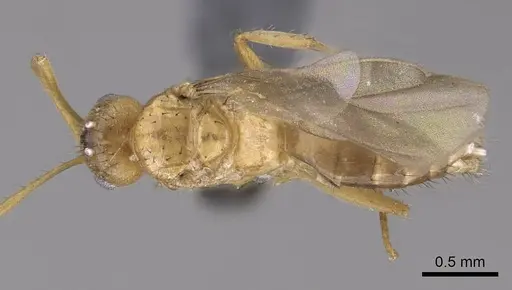
CASENT0740913
View on AntWeb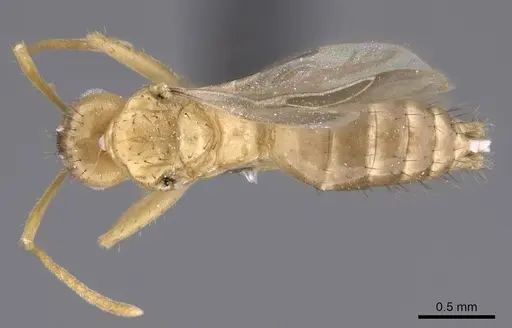
CASENT0922063
View on AntWeb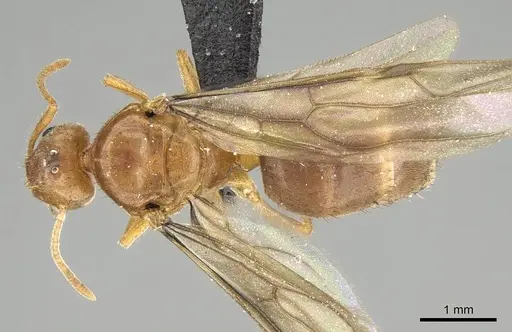
Literature
Loading distribution map...Loading products...