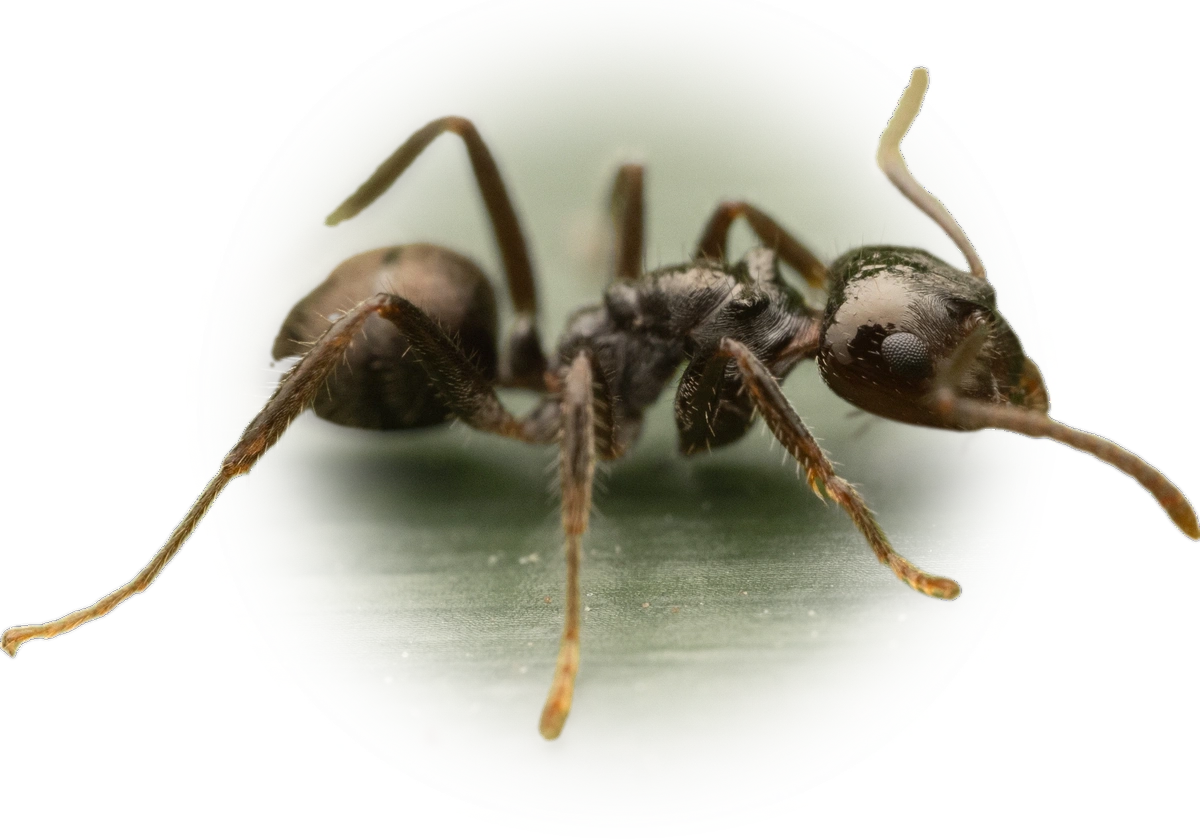
Notoncus capitatus
- Sci. Name
- Notoncus capitatus
- Tribe
- Melophorini
- Subfamily
- Formicinae
- Author
- Forel, 1915
- Distribution
- Found in 1 countries
Introduction
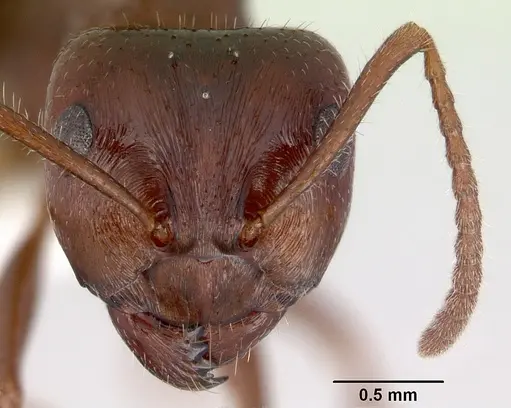
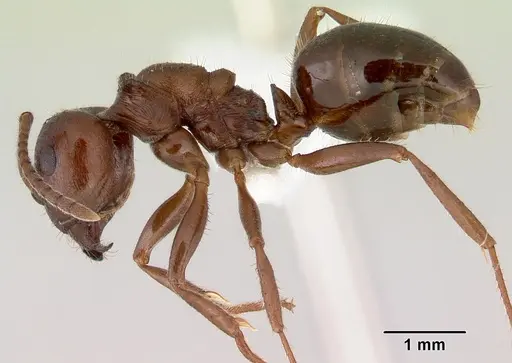
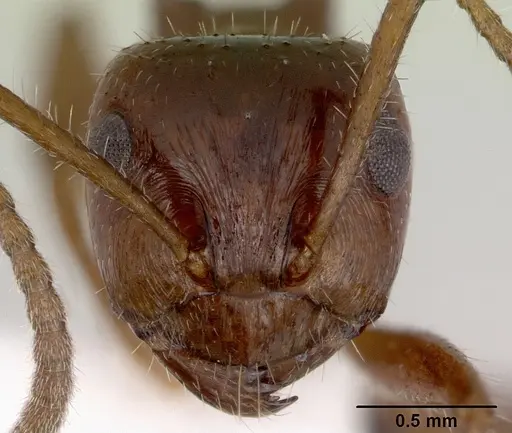
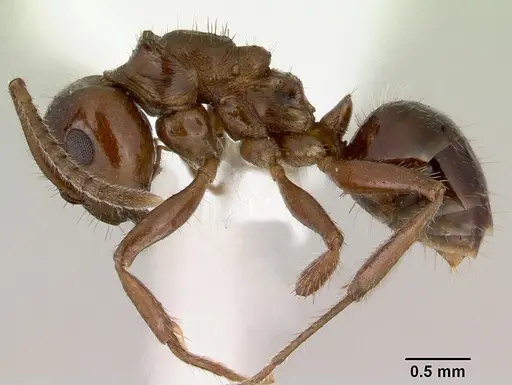
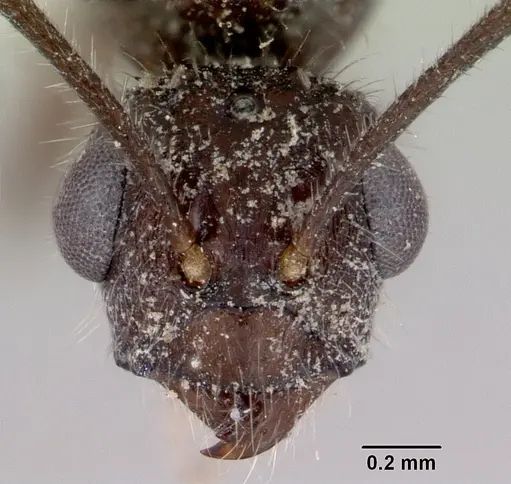
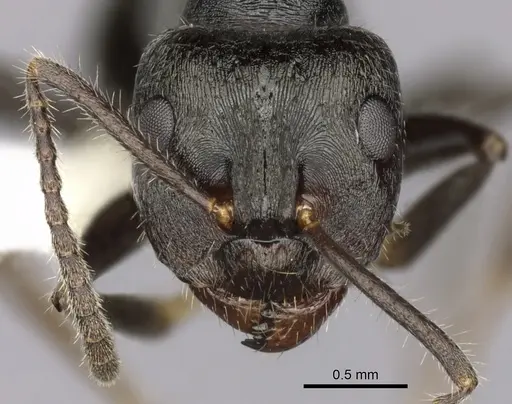
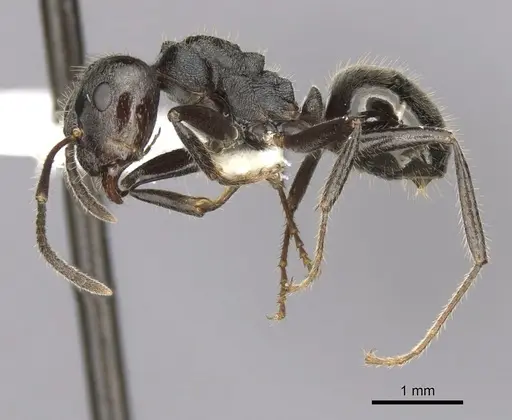
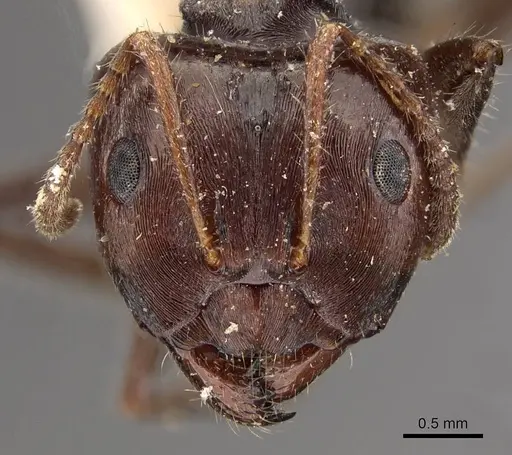
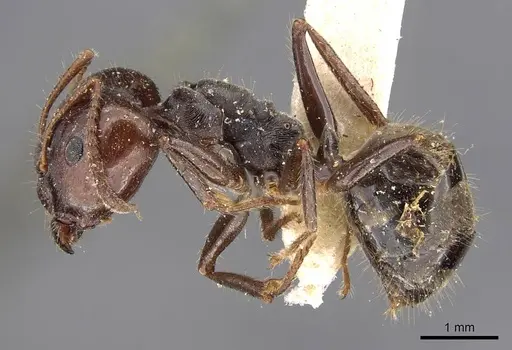
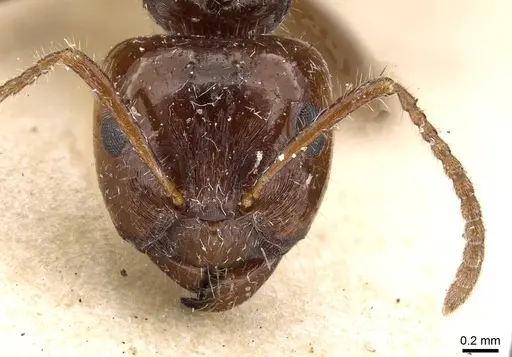
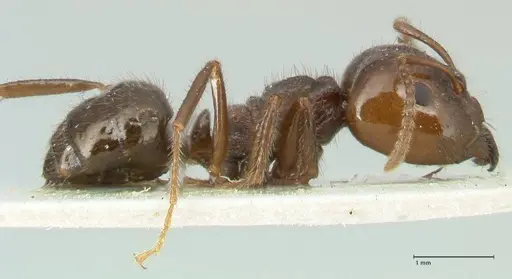
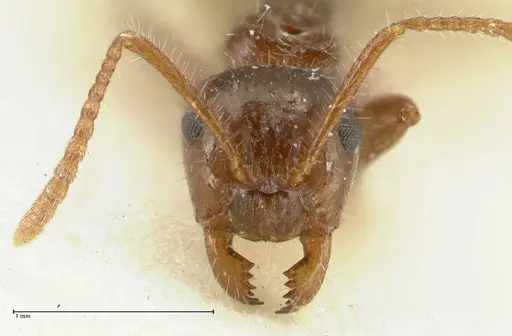
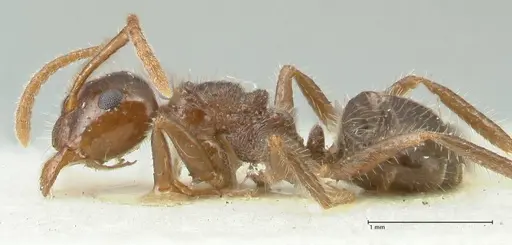
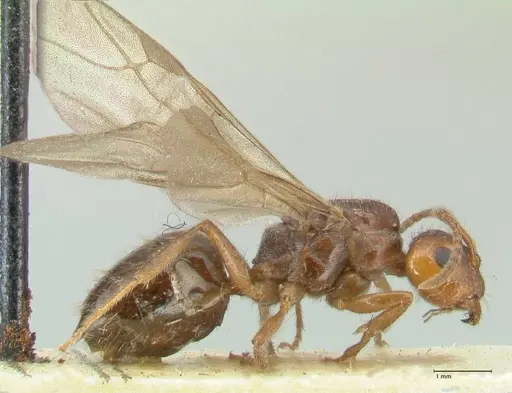
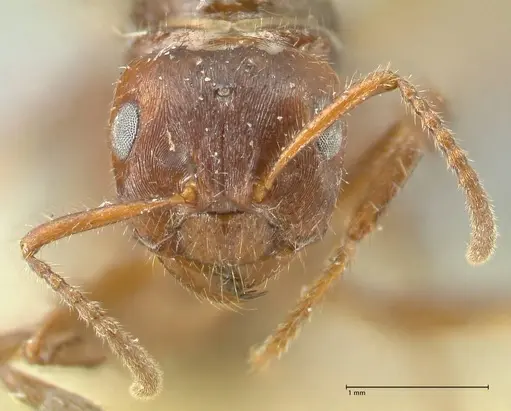
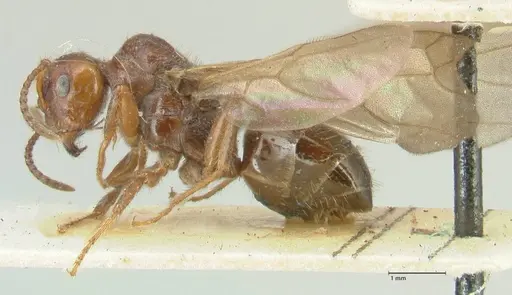
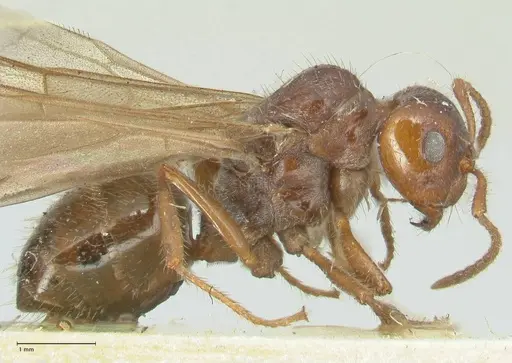
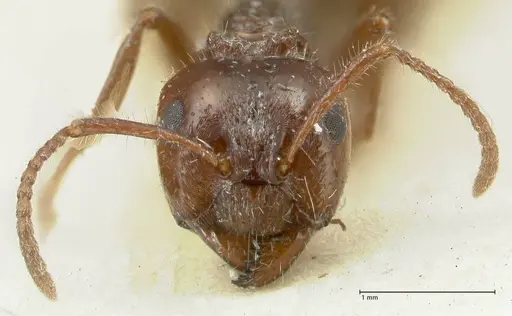
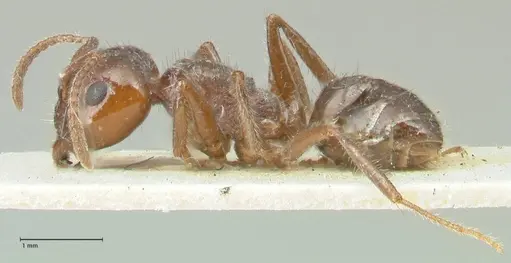
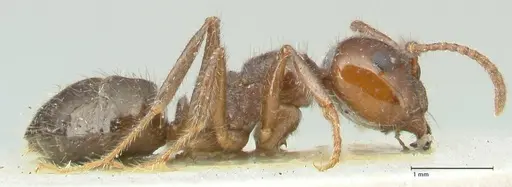
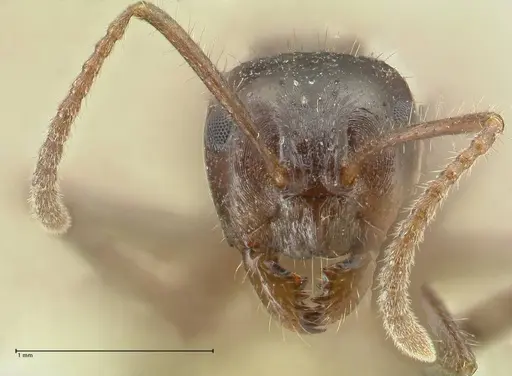
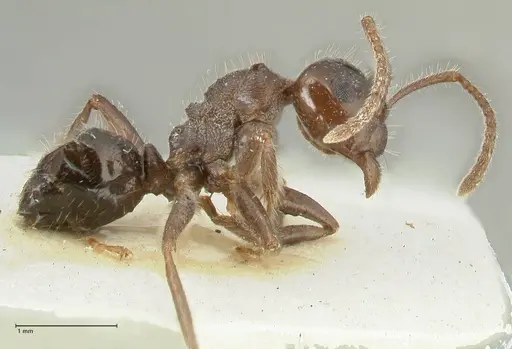
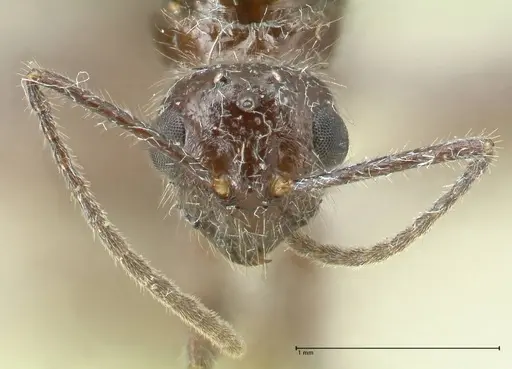
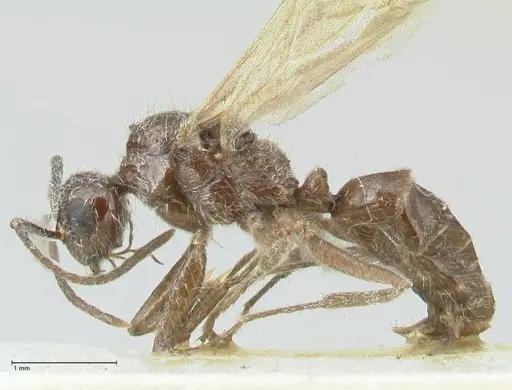
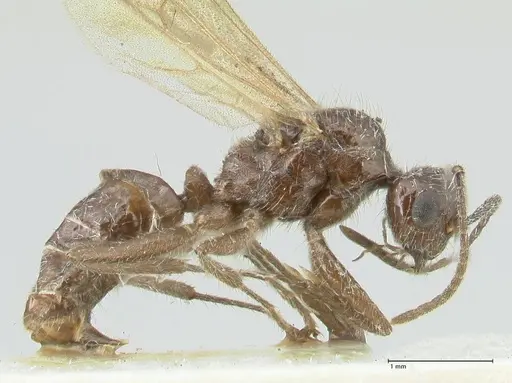
Notoncus capitatus is a small Australian ant species in the subfamily Formicinae, tribe Melophorini. It is identified by a thick, rounded scutellum and striate propodeum . Total body length data is unavailable for this species. It is found in Australia, including Western Australia and Victoria, and nests in soil . This species has a mutualistic relationship with the Eltham copper butterfly (Paralucia pyrodiscus lucida), where caterpillars overwinter in ant nests and are tended by ants . It also forms associations with aphids, particularly Aphis clerodendri .
Quick Summary
- Difficulty: Medium
- Origin & Habitat: Native to Australia, found in Western Australia and Victoria, soil-nesting in various environments [2][3].
- Colony Type: Unconfirmed, no specific data on queen number or social structure.
- Size & Growth:
- Queen: Size data unavailable, no total length measurements documented.
- Worker: Size data unavailable, no total length measurements documented.
- Colony: Unknown, not directly studied.
- Growth: Moderate, inferred from Formicinae patterns.
- Development: Unknown, no specific data available. (Development time likely varies with temperature and conditions.)
- Antkeeping:
- Temperature: Keep at warm temperatures, around 22-26°C, as a general guideline for Australian ants. No specific research data available.
- Humidity: Provide a humidity gradient with moist substrate areas. No specific research data available.
- Diapause: Diapause requirements are unknown, based on temperate distribution, a winter rest may be beneficial.
- Nesting: Soil-nesting species, prefer naturalistic setups with deep soil substrate [3].
- Behavior: Temperament is unconfirmed, based on Formicinae patterns, likely peaceful. Escape risk is moderate due to small size, use standard precautions.
- Common Issues: colonies may be slow to establish, patience required during founding phase., small colony size means losses have bigger impact, avoid disturbing founding queens., winter diapause timing is unclear, adjust based on your climate., soil-nesting requires proper moisture balance, too wet causes fungal problems, too dry kills brood., wild-caught colonies may introduce parasites that can devastate captive colonies.
Nest Preferences and Housing
Notoncus capitatus is a soil-nesting species that naturally establishes colonies in the ground, often under stones or in disturbed soil areas [3]. In captivity, they do well in naturalistic setups with a deep soil layer that allows for tunneling and chamber creation. You can also use Y-tong nests with plaster or soil-filled chambers, which provide good visibility while maintaining appropriate humidity. The key is providing a moist substrate that doesn't become waterlogged, these ants prefer well-drained soil that holds moisture without becoming soggy. Include some dry areas in the setup so workers can regulate their humidity exposure.
Feeding and Diet
In the wild, Notoncus capitatus forms mutualistic relationships with aphids, particularly Aphis clerodendri, feeding on honeydew secretions [4]. They also likely supplement their diet with small insects and arthropods as is typical for Melophorini ants. In captivity, offer a varied diet including sugar water or honey as a constant energy source, and protein-rich foods like small crickets, mealworms, or fruit flies. Since they're small ants, prey items should be appropriately sized. Feed protein sources 2-3 times per week, and keep sugar water available at all times.
Temperature and Seasonal Care
Temperature and seasonal care data is not documented for this species. Maintain at room temperature with a gradient, and consider a winter rest period if from temperate regions. No specific research data available.
Behavior and Colony Dynamics
Notoncus capitatus workers are relatively calm compared to some other Australian ants. They forage actively and will tend any aphids present in their enclosure, demonstrating the same mutualistic behavior seen in the wild. The colony will establish multiple chambers within their nesting area, some for brood, some for food storage, and some as waste areas. This species shows resilience to environmental disturbance, including surviving bushfires in their natural habitat [3].
Growth and Development
Colony growth follows typical Formicinae patterns. The founding queen, if claustral, would seal herself in a chamber and rely on stored fat reserves until her first workers emerge. Growth rate is moderate, but specific development timing is unknown. Patience is key during the founding phase when the colony is most vulnerable.
Frequently Asked Questions
How long does it take for Notoncus capitatus to produce first workers?
Development time is unknown for this species. Based on Formicinae patterns, it may take several weeks at warm temperatures, but no specific data is available.
What do Notoncus capitatus ants eat?
They feed on honeydew from aphids (they're known to tend Aphis clerodendri) and small insects. In captivity, offer sugar water or honey constantly, plus protein sources like small crickets, mealworms, or fruit flies 2-3 times per week.
Can I keep multiple Notoncus capitatus queens together?
This species' colony type is unconfirmed. Combining unrelated queens is not recommended as they may not tolerate each other. If you capture a founding queen, house her alone until her first workers emerge.
Do Notoncus capitatus need hibernation?
Diapause requirements are unknown. Based on temperate distribution, a winter rest may be beneficial, but no specific data is available.
What is the best nest type for Notoncus capitatus?
Soil-nesting species do best in naturalistic setups with deep soil substrate or Y-tong nests with moist soil/plaster chambers. They need space to dig tunnels and create chambers for brood and food storage.
Are Notoncus capitatus good for beginners?
They are rated Medium difficulty. They're more challenging than common pet ants because of their specific soil-nesting requirements and need for seasonal temperature changes. Experience with founding colonies is helpful.
Why are my Notoncus capitatus dying during founding?
Founding colonies are vulnerable. Common causes include: disturbing the queen before workers emerge, keeping substrate too wet or too dry, temperatures outside their preferred range, or parasites from wild-caught colonies. Minimize disturbances and ensure proper humidity balance.
How big do Notoncus capitatus colonies get?
Exact maximum colony size is unknown for this species. Based on related Notoncus species, moderate colonies are likely, but no specific data is available.
Report an Issue
The current care sheet is based fully on literature. See inconsistencies, or something that's incorrect? Please , it will be resolved after review from an admin. Contributing to the blogs tab also helps providing information, to make us be able to further improve the caresheets. Thank you for your support!
References

This caresheet is licensed under CC BY-SA 4.0 .
Community Blogs
CASENT0106015
View on AntWeb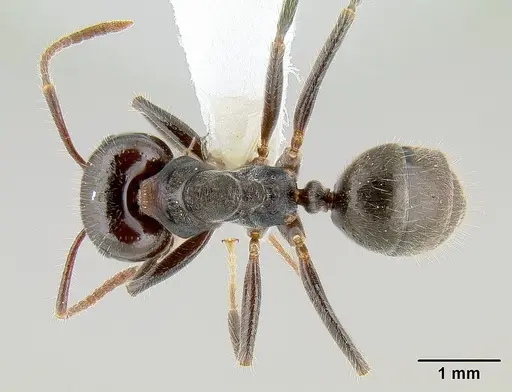
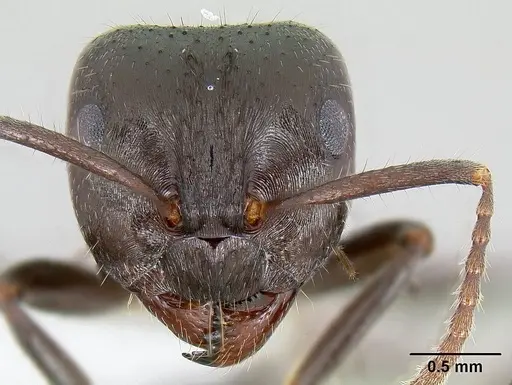
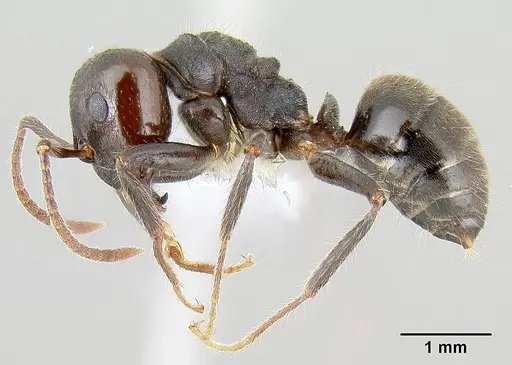
CASENT0172024
View on AntWeb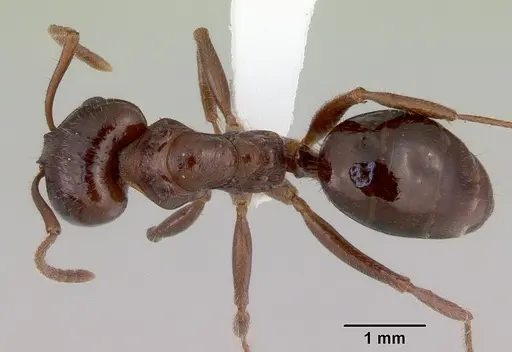
CASENT0172025
View on AntWeb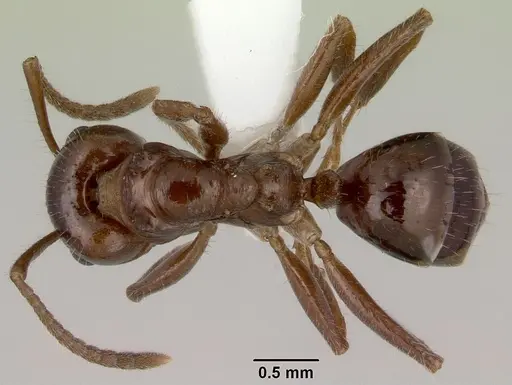
CASENT0172031
View on AntWeb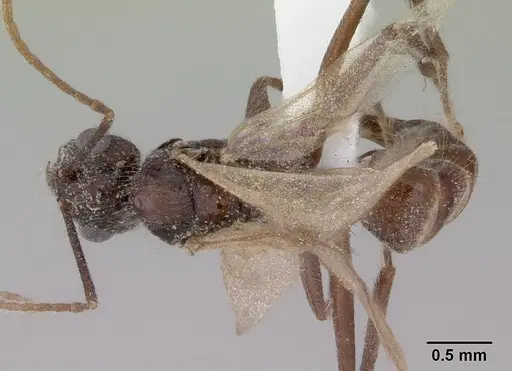
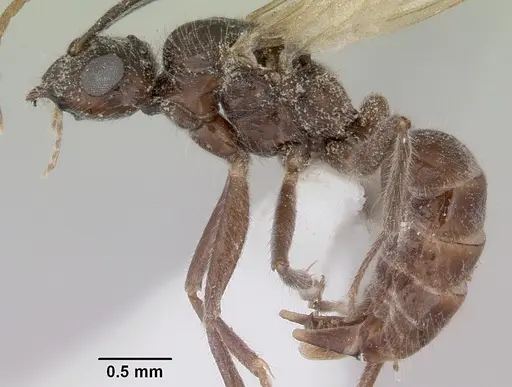
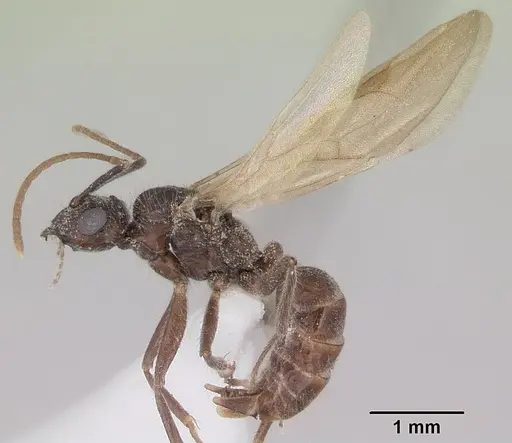
CASENT0280561
View on AntWeb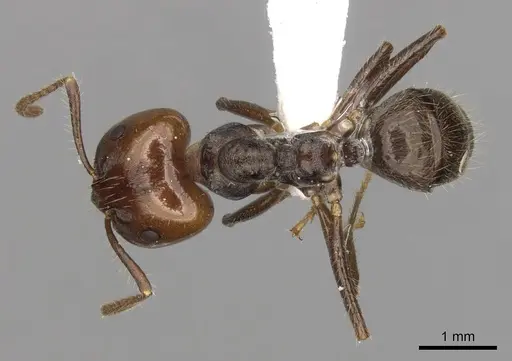
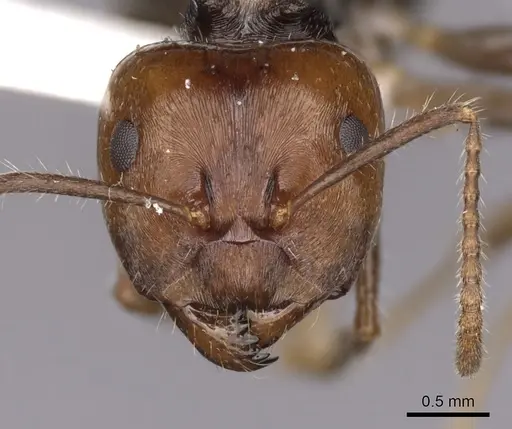
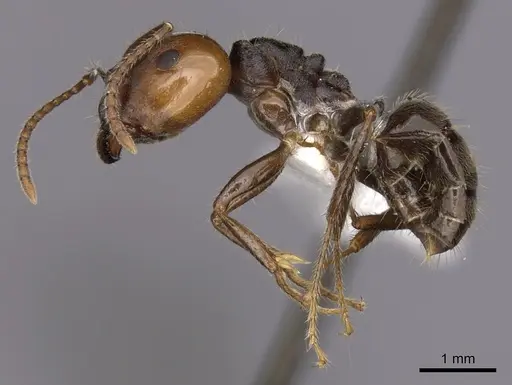
CASENT0280562
View on AntWeb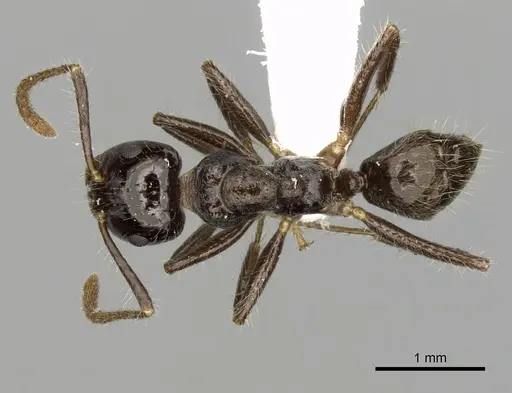
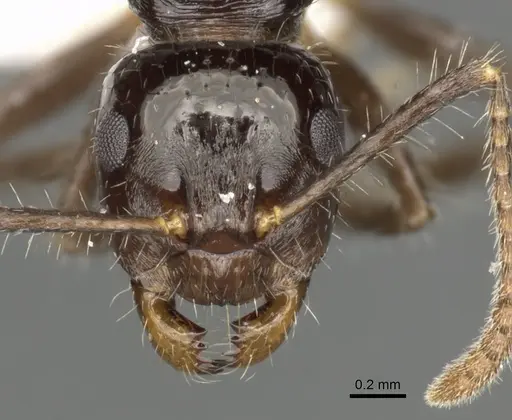
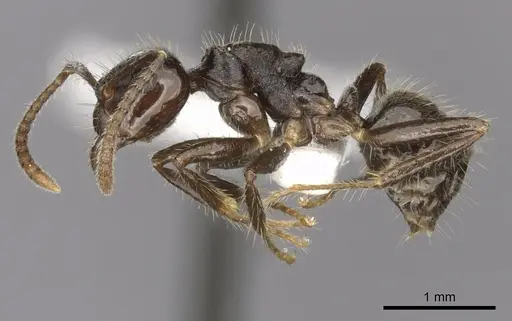
CASENT0280563
View on AntWeb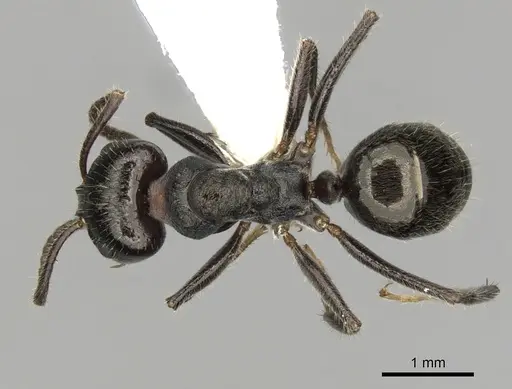
CASENT0909832
View on AntWeb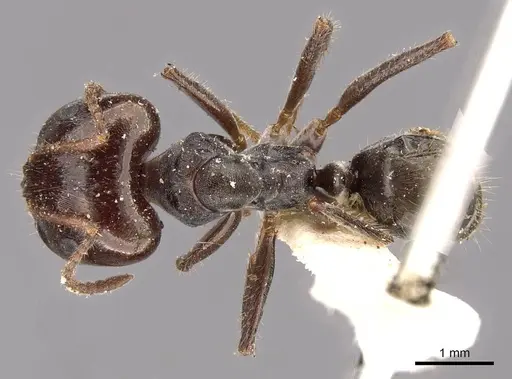
CASENT0909833
View on AntWeb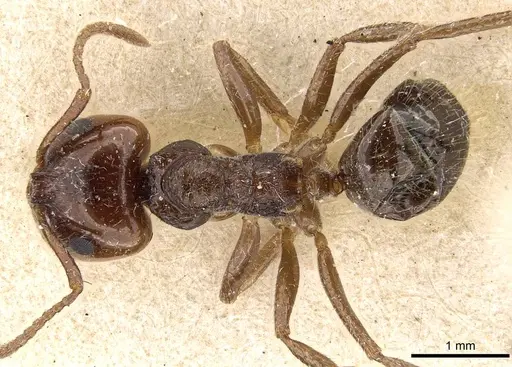
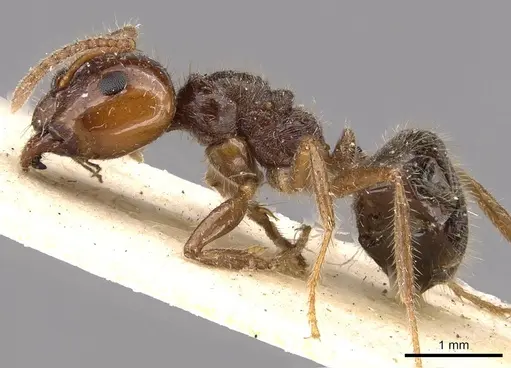
FOCOL2213-1
View on AntWeb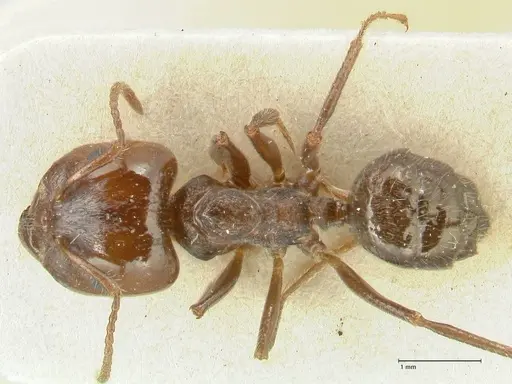
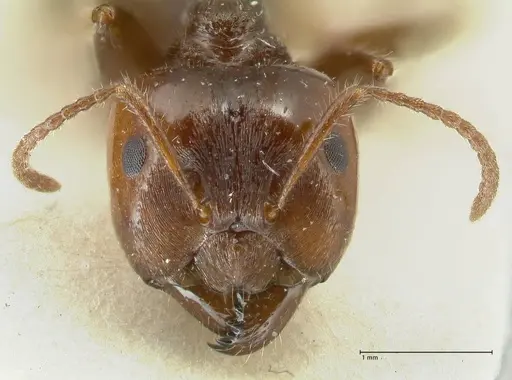
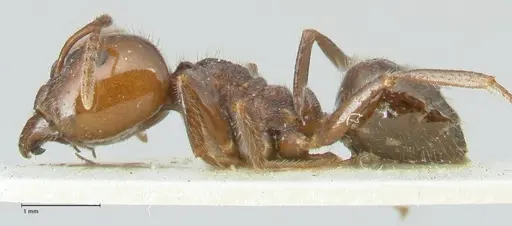
FOCOL2213-2
View on AntWeb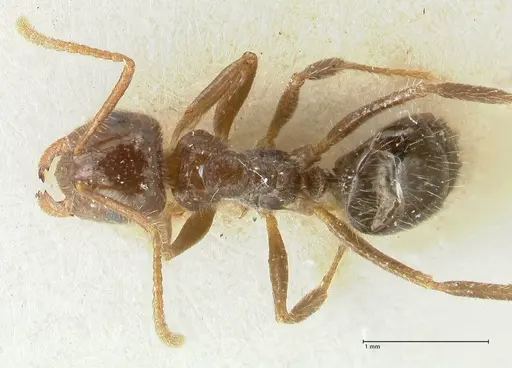
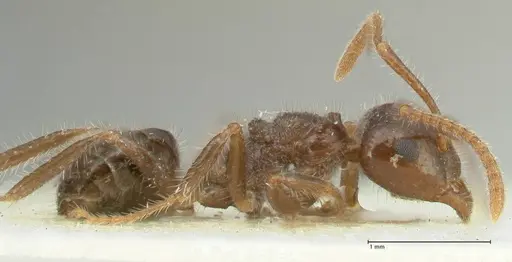
FOCOL2214-1
View on AntWeb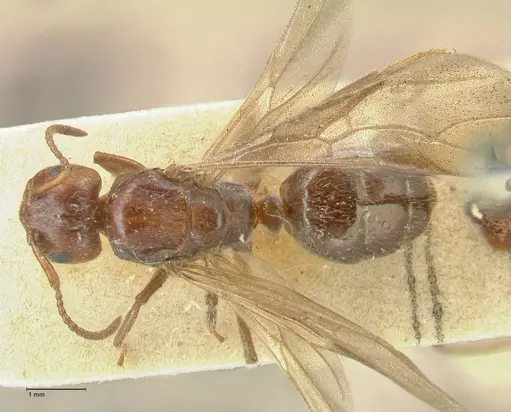
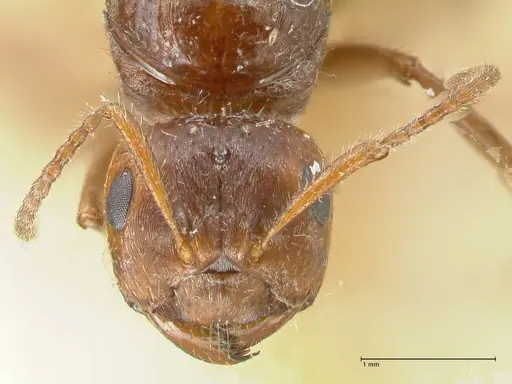
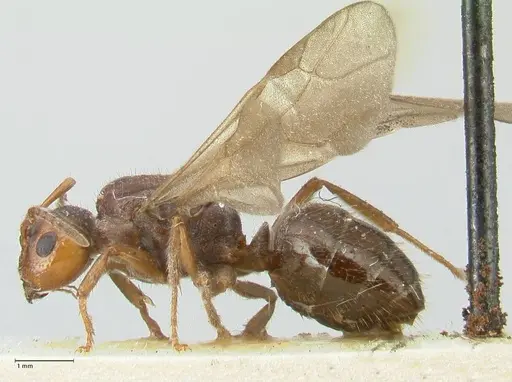
FOCOL2214-2
View on AntWeb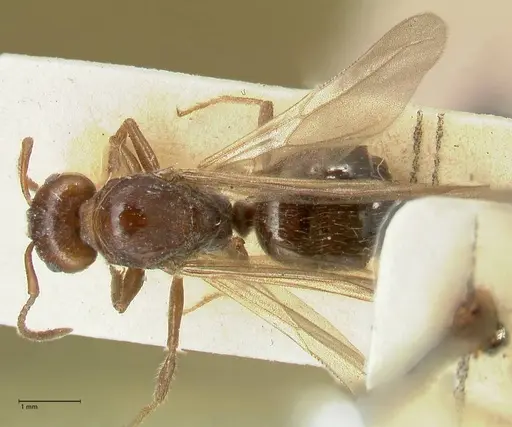
FOCOL2215-1
View on AntWeb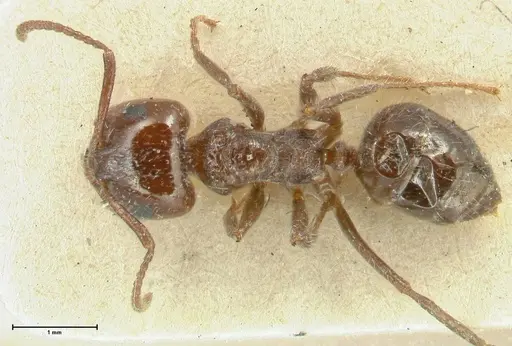
FOCOL2215-2
View on AntWeb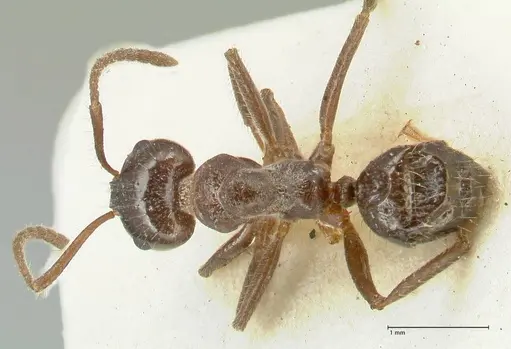
FOCOL2216
View on AntWeb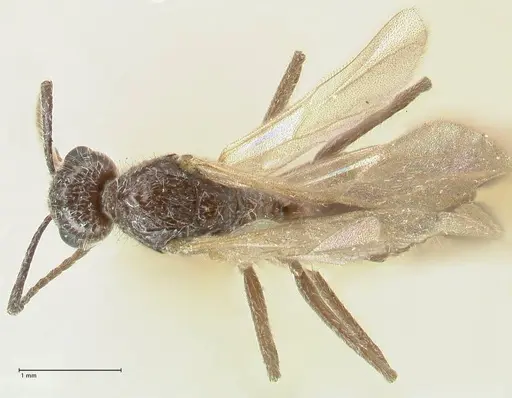
Literature
Loading distribution map...Loading products...