
Nomamyrmex hartigii
- Sci. Name
- Nomamyrmex hartigii
- Subfamily
- Dorylinae
- Author
- Westwood, 1842
- Distribution
- Found in 6 countries
Introduction
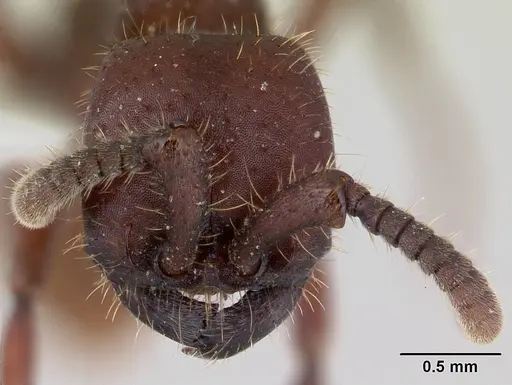
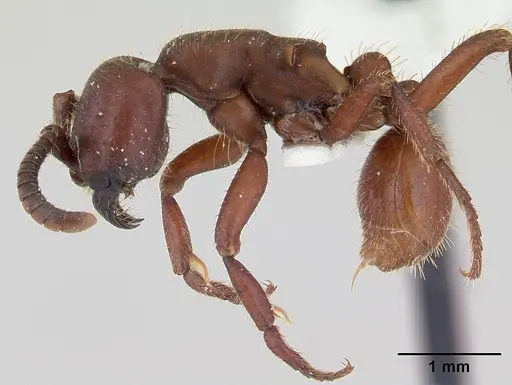
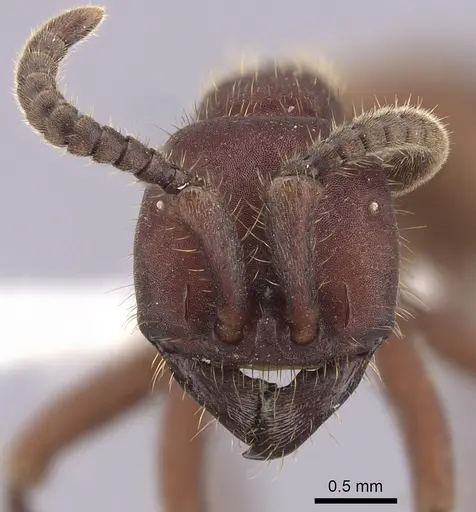
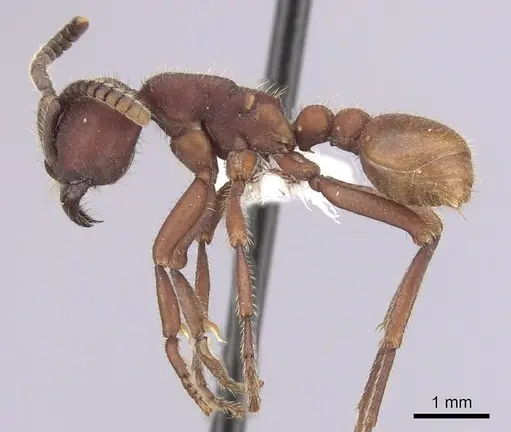
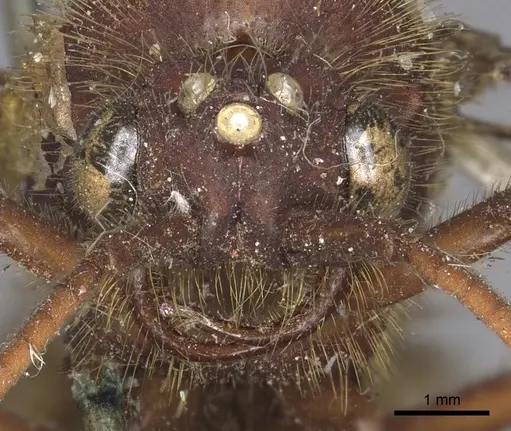
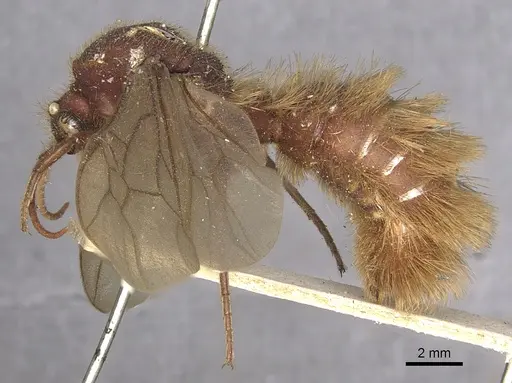
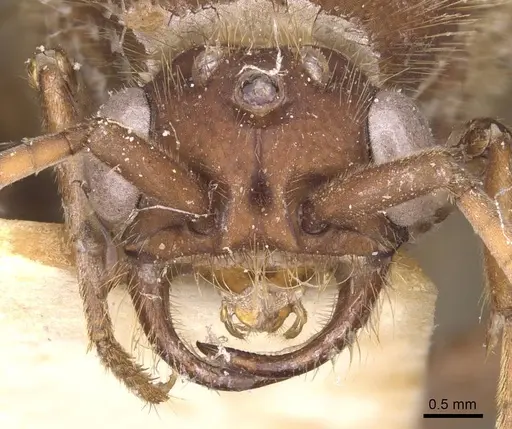
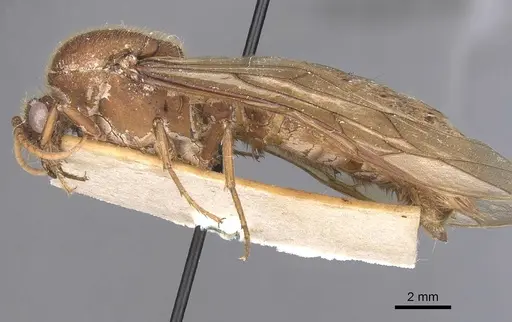
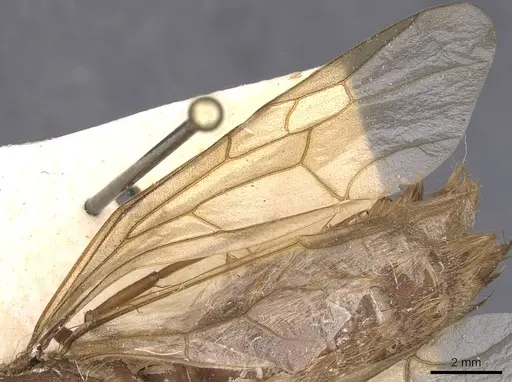
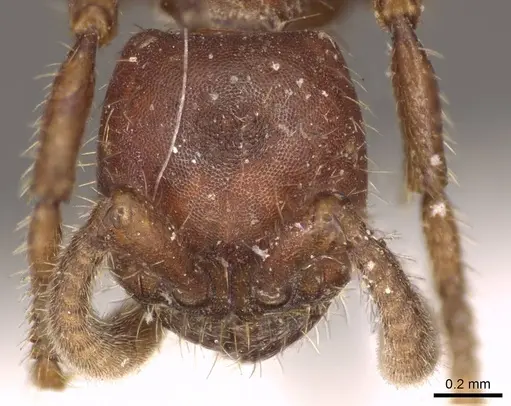
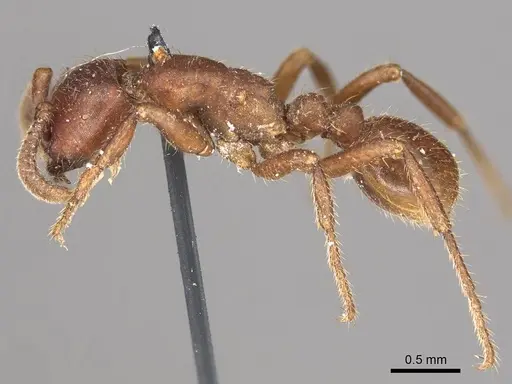
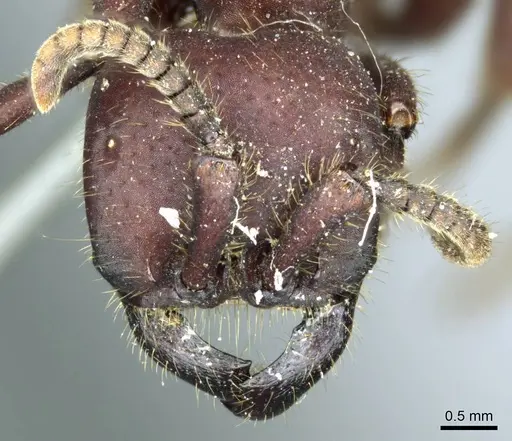
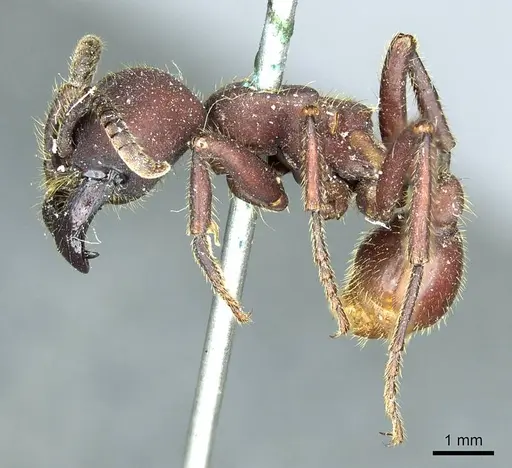
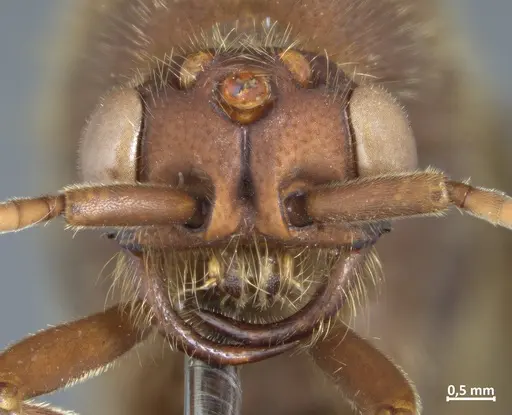
Nomamyrmex hartigii is a New World army ant found from Mexico to Argentina in Neotropical rainforests and dry forests . Workers are medium-sized with a smooth petiole and no postoccipital groove on the head . This species is rarely seen because it spends most of its time underground . Queens and males are known, but the species is poorly studied due to its secretive habits. What makes N. hartigii special is its extreme specialization as a subterranean predator. It rarely appears above ground and may specialize more on termites than any other army ant . This cryptic lifestyle means you won't see dramatic surface raids, instead, the colony operates stealthily underground.
Quick Summary
- Difficulty: Expert
- Origin & Habitat: Neotropical rainforests and tropical dry forests from Mexico to Argentina, found from sea level up to 1400m elevation [4][5]. This species is largely subterranean, nesting and foraging underground [3].
- Colony Type: Based on army ant patterns, likely monogyne with a single wingless queen. Army ants typically have a unique colony structure with nomadic movement between nest sites.
- Size & Growth:
- Queen: Size data unavailable, no total length measurements in research context
- Worker: Size data unavailable, no total length measurements in research context
- Colony: Colonies can be large, but exact maximum size is unknown
- Growth: Fast (inferred from army ant patterns)
- Development: 6-8 weeks estimated based on related army ant species (inferred) (Development is temperature-dependent, warmer conditions within tropical range may speed up growth)
- Antkeeping:
- Temperature: Keep warm around 24-28°C, based on tropical range [3]. Use a heating cable to create a gradient.
- Humidity: Keep substrate consistently moist but not waterlogged, based on subterranean habits [3].
- Diapause: No, tropical species does not require hibernation (inferred from range).
- Nesting: Subterranean species needs deep, moist substrate in a naturalistic setup. Avoid test tubes, use terrarium-style formicarium with at least 10cm soil [3].
- Behavior: Aggressive predators that hunt in groups, specializing in termites underground [3]. Workers have a sting and powerful mandibles. Escape risk is high due to small size, ensure excellent barrier protection. Rarely emerges above ground, so foraging observations are limited.
- Common Issues: subterranean habits make workers nearly invisible, leading to keeper uncertainty, specialized termite diet may be difficult to replicate in captivity, escape prevention is critical due to small worker size, nomadic colony movement may cause nest abandonment if conditions are unsuitable
Housing and Nest Setup
Nomamyrmex hartigii needs a naturalistic setup with deep, moist substrate because it is highly subterranean. You should use a terrarium-style formicarium with at least 10cm of soil or nesting material, allowing the colony to create underground chambers. Avoid test tubes or small acrylic nests, these ants require space to nomadically relocate. Provide a water reservoir to maintain constant humidity and include hiding structures like flat stones on the substrate surface [3][2].
Feeding and Diet
In the wild, N. hartigii specializes in termites [3]. In captivity, offer live insects like termites, mealworms, waxworms, or small crickets. Feed generously to support rapid colony growth. Remove uneaten prey after 24-48 hours to prevent mold. Army ants get carbohydrates from prey fluids, so sugar sources are not essential [3].
Temperature and Humidity
As a tropical species, maintain warm temperatures around 24-28°C using a heating cable for a gradient [3]. Humidity should be high, with substrate kept moist but not waterlogged. Monitor with a hygrometer and mist as needed to prevent drying [3].
Colony Behavior and Observation
Army ants are nomadic, moving nest sites every few weeks as prey depletes. N. hartigii is exceptionally secretive, rarely emerging above ground [3]. You may go weeks without seeing workers on the surface. Observation requires patience, carefully disturbing the substrate may reveal underground activity [3][6].
Growth and Development
Army ant colonies grow rapidly when well-fed. Development from egg to worker takes about 6-8 weeks at optimal temperature (inferred from related species). First workers are smaller but quickly begin hunting. The colony alternates between statary and nomadic phases [3].
Legal and Ethical Considerations
N. hartigii is native from Mexico to Argentina [1]. It should not be kept in temperate regions without heating. Never release non-native ants, army ants could impact local ecosystems. This species is rarely available due to specialized needs [1].
Frequently Asked Questions
Can I keep Nomamyrmex hartigii in a test tube?
No, test tubes are unsuitable. This species needs deep, moist substrate in a naturalistic setup from the start [3].
How long until first workers in Nomamyrmex hartigii?
About 6-8 weeks from egg to worker at optimal temperature, based on related army ant species (inferred) [3].
What do Nomamyrmex hartigii eat?
They specialize in termites in the wild. In captivity, offer live insects like termites, mealworms, or crickets [3].
Are Nomamyrmex hartigii good for beginners?
No, this is an expert-level species due to subterranean habits, specialized diet, and large space requirements [3].
Why can't I see my Nomamyrmex hartigii workers?
This is normal, the species is highly subterranean and rarely emerges above ground [3][6].
Do Nomamyrmex hartigii need hibernation?
No, as a tropical species, they do not hibernate and require warm conditions year-round (inferred) [3].
How big do Nomamyrmex hartigii colonies get?
Exact size is unknown, but colonies can be large based on army ant patterns [3].
Can I keep multiple queens together?
Unconfirmed, research does not specify, but army ants are typically monogyne (inferred). Multiple queens may fight.
When should I move Nomamyrmex hartigii to a formicarium?
Move them to a naturalistic setup from the start with deep, moist substrate [3].
Report an Issue
The current care sheet is based fully on literature. See inconsistencies, or something that's incorrect? Please , it will be resolved after review from an admin. Contributing to the blogs tab also helps providing information, to make us be able to further improve the caresheets. Thank you for your support!
References

This caresheet is licensed under CC BY-SA 4.0 .
Community Blogs
CASENT0178604
View on AntWeb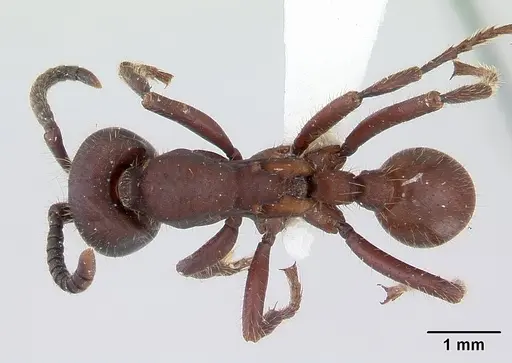
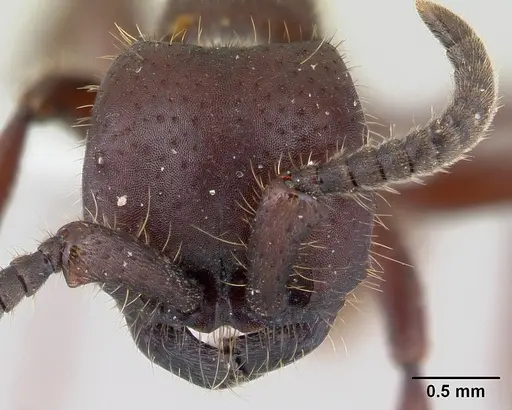
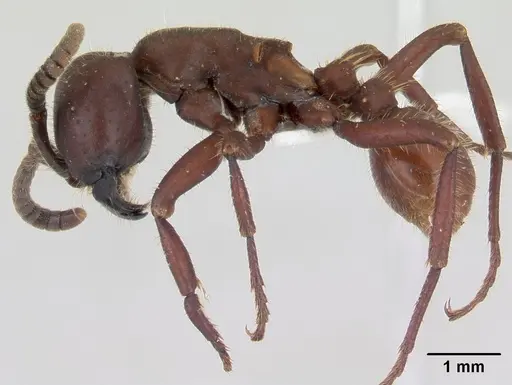
CASENT0178605
View on AntWeb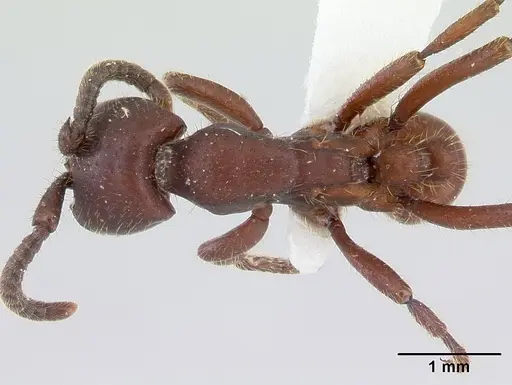
CASENT0249511
View on AntWeb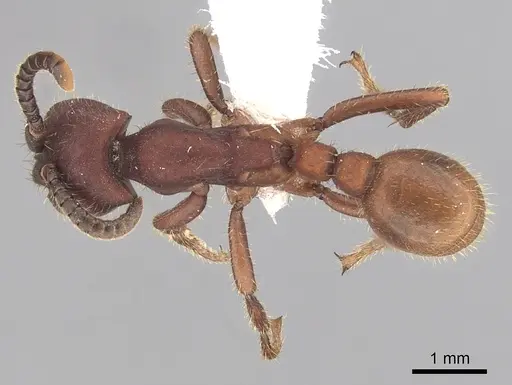
CASENT0901958
View on AntWeb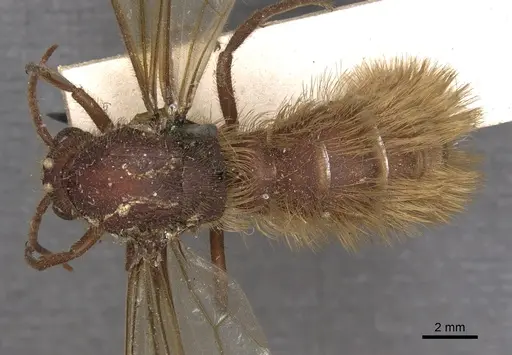
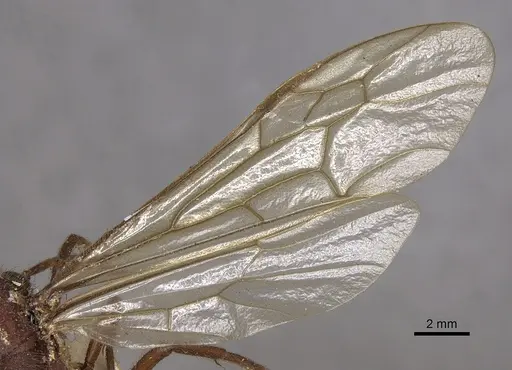
CASENT0902668
View on AntWeb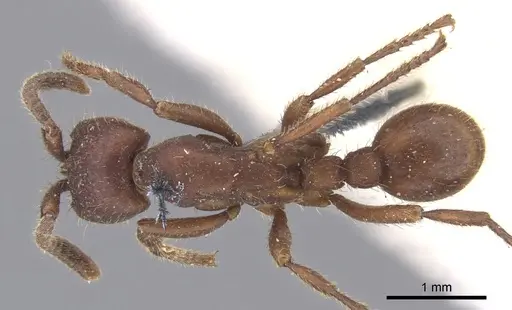
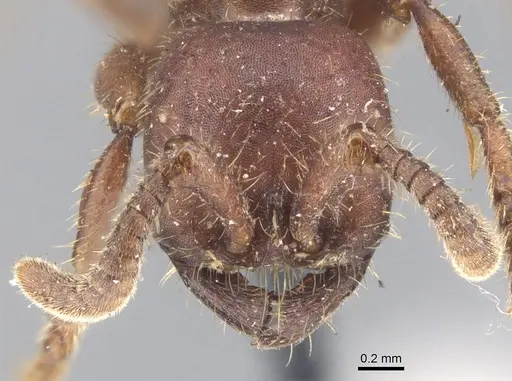
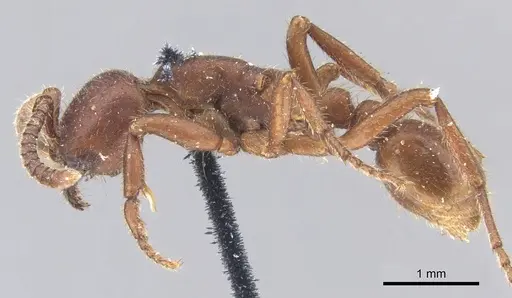
CASENT0905946
View on AntWeb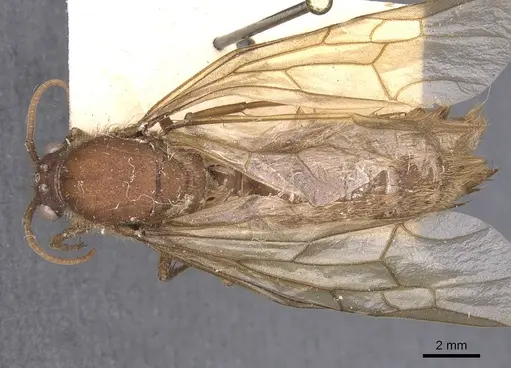
CASENT0911414
View on AntWeb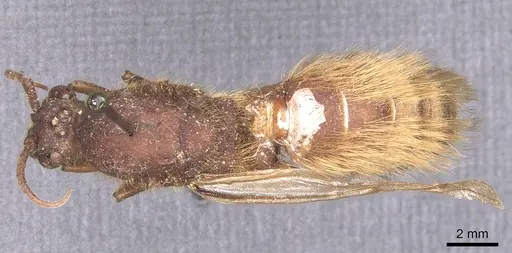
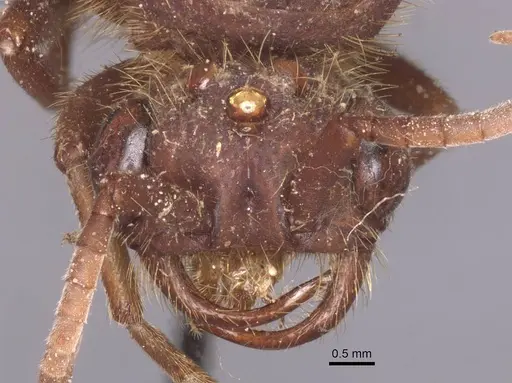
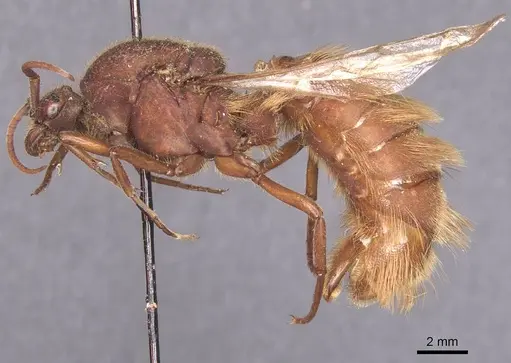
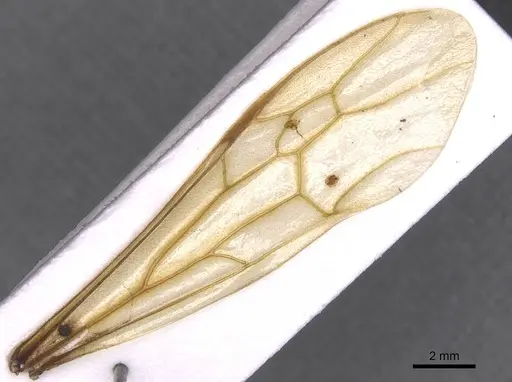
CASENT0915865
View on AntWeb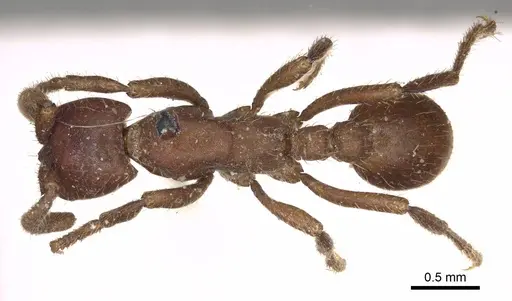
CASENT0915866
View on AntWeb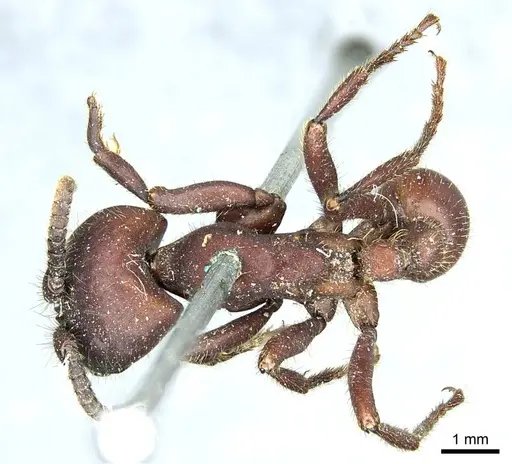
DZUP550218
View on AntWeb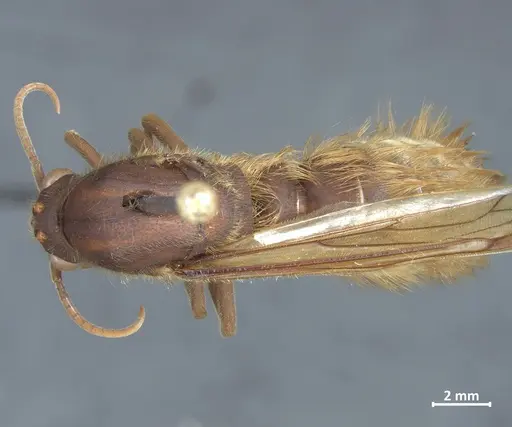
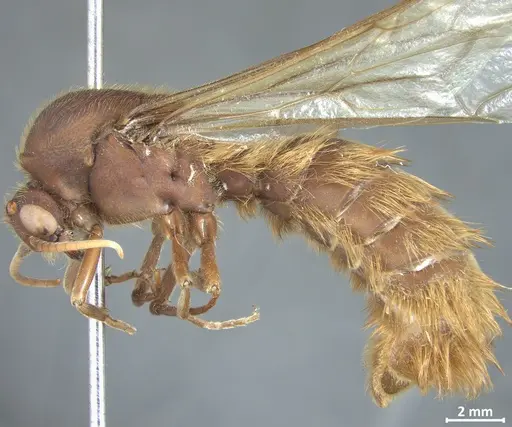
JTLC000009350
View on AntWeb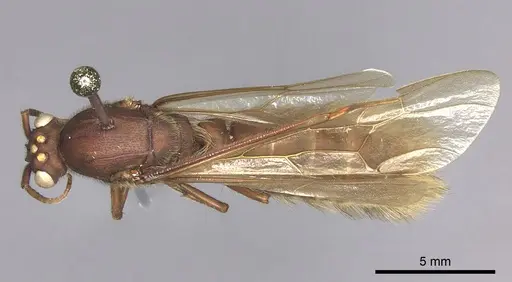
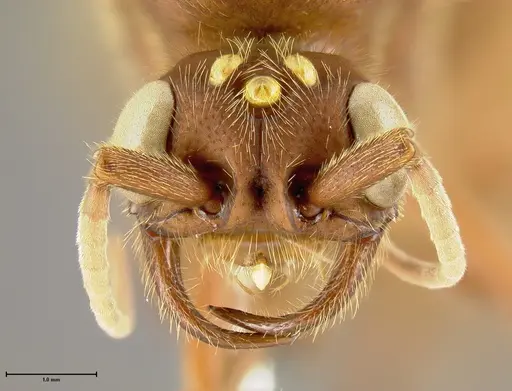
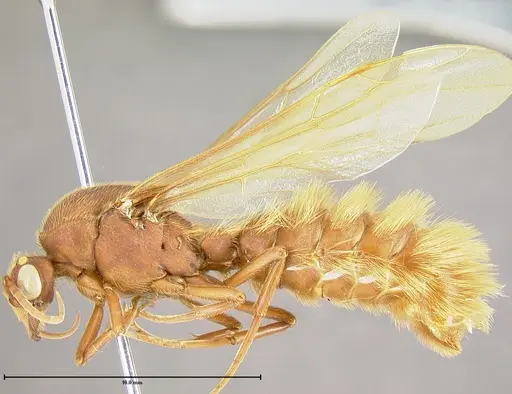
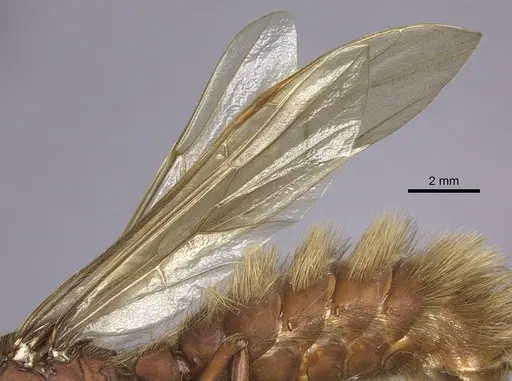
UFV-LABECOL-004412
View on AntWeb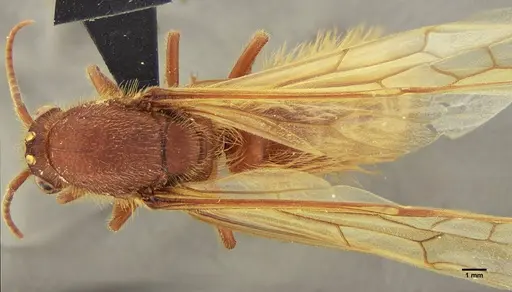
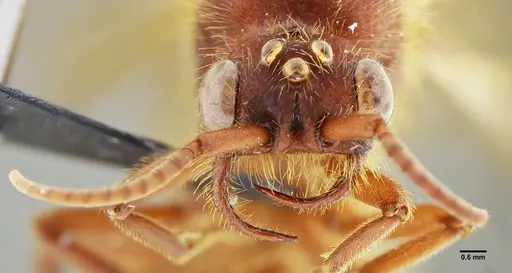
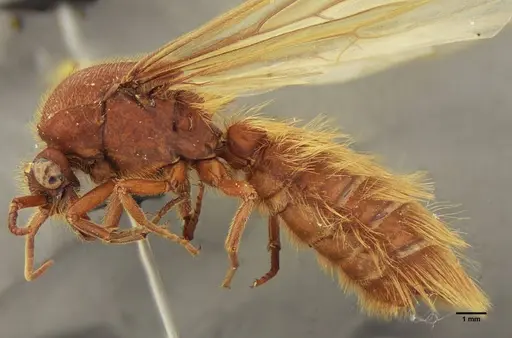
Literature
Loading distribution map...Loading products...