
Nesomyrmex spinosus
- Sci. Name
- Nesomyrmex spinosus
- Tribe
- Crematogastrini
- Subfamily
- Myrmicinae
- Author
- Csősz & Fisher, 2015
- Distribution
- Found in 1 countries
Introduction
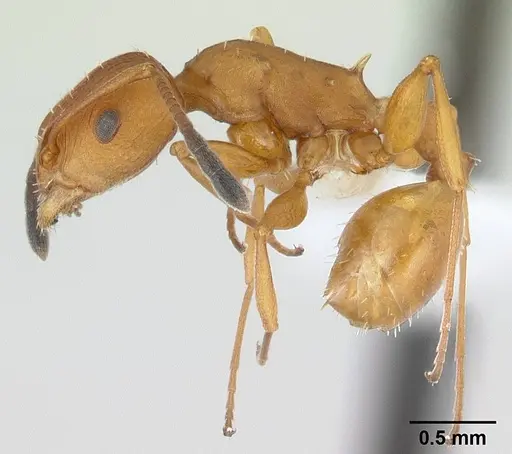
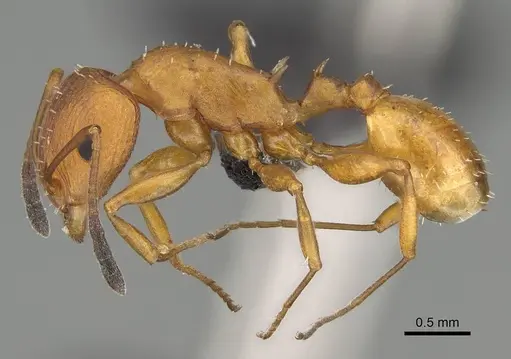
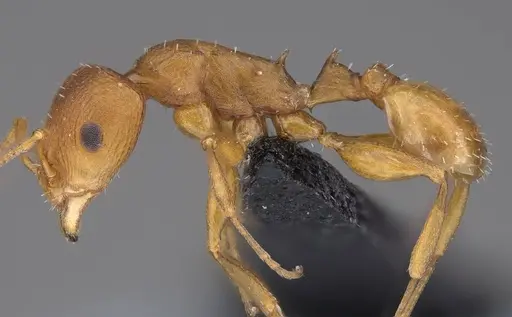
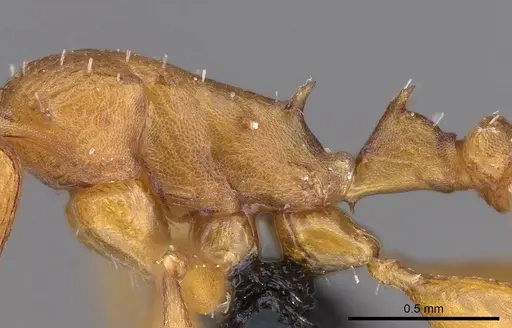
Nesomyrmex spinosus is a tiny brown ant native to southern Madagascar. What makes this species recognizable is its spiny appearance - it has three pairs of dorsal spines: pronotal spines, propodeal spines, and distinctive antero-dorsal spines on the petiolar node . This spiny morphology is unique among ants in the Malagasy region and the entire African continent . The species was formally described in 2015 and belongs to the hafahafa species group . Body size data is unavailable from current research. This is an extremely rare ant in the hobby, known only from three small, isolated forest patches in southern Madagascar: Réserve Privé Berenty, Forêt d'Anjapolo, and Parc National d'Andohahela . These forests are in a hot, dry region of Madagascar, suggesting the species may tolerate warmer, drier conditions than typical rainforest ants. Nothing is known about their colony structure, founding behavior, or specific care requirements in captivity.
Quick Summary
- Difficulty: Expert
- Origin & Habitat: Southern Madagascar, restricted to small isolated forest patches in dry regions (Réserve Privé Berenty, Forêt d'Anjapolo, Parc National d'Andohahela) [1]
- Colony Type: Unknown, colony structure has not been documented in scientific literature
- Size & Growth:
- Queen: Size data unavailable
- Worker: Size data unavailable
- Colony: Unknown, no colony size data available
- Growth: Unknown
- Development: Unknown, no development data available (No development data exists, based on tropical origin, development may be relatively fast, but this is unconfirmed.)
- Antkeeping:
- Temperature: Based on Madagascar origin, likely prefers warm conditions (24-28°C), but no specific data exists.
- Humidity: Based on dry forest habitat, may tolerate lower humidity, provide a moisture gradient for ants to choose their preferred zone.
- Diapause: Unknown, tropical species may not require formal hibernation.
- Nesting: No specific nesting data available. Based on genus patterns and dry forest habitat [1], likely nests in soil or small cavities. Use small test tubes or Y-tong nests scaled to their tiny size with a moisture gradient.
- Behavior: Behavior is unstudied in captivity. Based on their tiny size and spiny morphology, they likely avoid confrontation. Defense mechanism is smear-based, typical for Myrmicinae. Escape prevention must be excellent due to small size.
- Common Issues: no captive husbandry information exists, all care is speculative, extremely restricted wild distribution means wild-caught colonies are virtually impossible to obtain, tiny size makes escape prevention critical, use fine mesh and tight-fitting barriers, nothing known about diet, experimental feeding will be required, no information on colony founding or queen behavior
Appearance and Identification
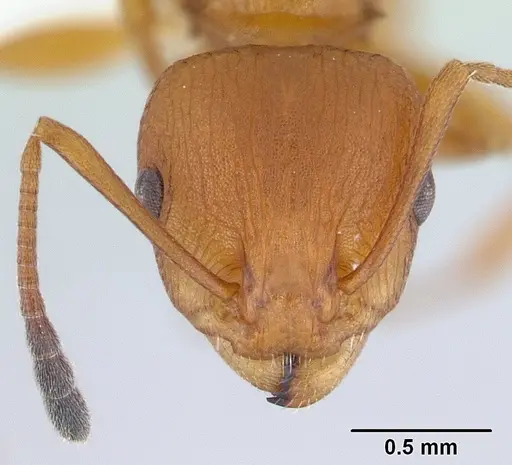
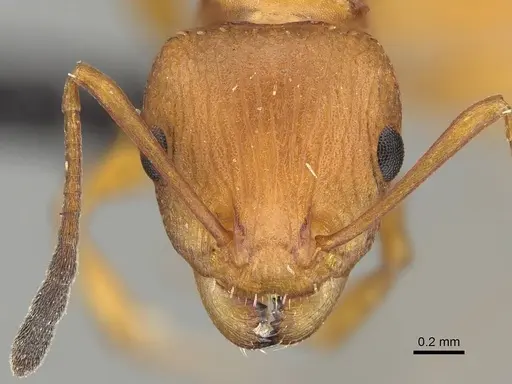
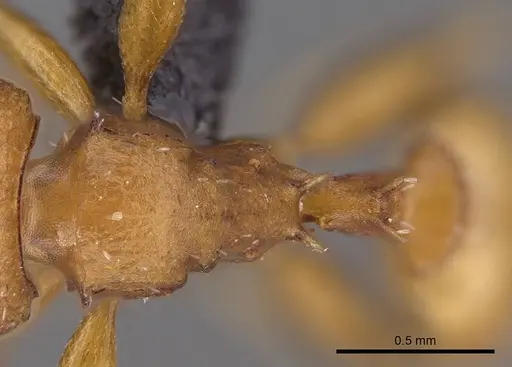
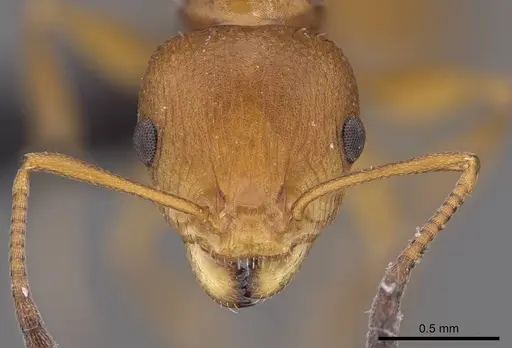
Nesomyrmex spinosus is one of the most visually distinctive ants you could keep. Workers are very small, but their three pairs of dorsal spines make them instantly recognizable [1]. The spines include pronotal spines on the shoulders, propodeal spines on the rear of the mesosoma, and the most distinctive feature: antero-dorsal spines pointing forward from the petiolar node [1]. The body is uniformly brown with only the clava (the club at the end of the antennae) being slightly darker [1]. The name 'spinosus' specifically refers to these short, strong spines on the petiolar node [1]. No other ant in Madagascar or mainland Africa has this spiny appearance, making identification straightforward once you know what to look for.
Natural History and Distribution
This species has one of the most restricted distributions of any ant. It is known only from three tiny forest patches in southern Madagascar: Réserve Privé Berenty, Forêt d'Anjapolo, and Parc National d'Andohahela (Forêt d'Ambohibory) [1]. These are isolated remnants of dry forest in a region that is otherwise hot and semi-arid. The species was only formally described in 2015,meaning it was previously unrecognized by science [1]. This restricted distribution means that wild colonies are essentially unavailable to antkeepers, and any specimens in captivity likely originate from scientific collections rather than the antkeeping hobby. The isolation of these populations also suggests the species may be vulnerable to habitat disturbance.
Housing and Nest Setup
Since nothing is known about this species' captive care, you will need to approach housing experimentally. Based on the species' distribution in dry forests of southern Madagascar [1], use small-scale setups such as test tubes or Y-tong nests with narrow chambers scaled to their tiny size. Provide a moisture gradient to allow ants to choose their preferred humidity. Excellent escape prevention is critical due to their small size, use fine mesh on ventilation holes and tight-fitting barriers.
Feeding and Diet
The diet of Nesomyrmex spinosus is completely unstudied. As a tiny Myrmicinae ant, they likely are generalist foragers that would accept small prey items and sugar sources, but this is speculative. Start by offering tiny live prey appropriate to their size (fruit flies, springtails, or micro-arthropods). Sugar water or honey water can be offered in very small amounts in a shallow container to prevent drowning. Monitor any food acceptance carefully and adjust accordingly.
Temperature and Seasonal Care
No specific temperature data exists for this species, but their Madagascar origin suggests they prefer warm conditions. Start around 24-28°C and observe colony behavior, if workers become sluggish, increase slightly, if they avoid heated areas, reduce temperature. Since they come from a tropical region, they may not require a formal hibernation period, but may show reduced activity during cooler months. Any seasonal adjustments should be based on observing your specific colony.
Challenges and Considerations
This is not a species for beginners. Almost nothing is known about their captive care, meaning you will be essentially pioneering their husbandry. The extremely restricted natural distribution means colonies are essentially never available through normal channels. If you obtain specimens (likely only through scientific sources), expect a steep learning curve. Their tiny size creates practical challenges for feeding, housing, and escape prevention. Document your observations carefully, any information you gather would be valuable for the antkeeping community since this species has never been kept in captivity before.
Frequently Asked Questions
How big do Nesomyrmex spinosus ants get?
Body size data is unavailable from current research. Workers are very small, but exact measurements are not documented.
Where is Nesomyrmex spinosus found in the wild?
Only in three small, isolated forest patches in southern Madagascar: Réserve Privé Berenty, Forêt d'Anjapolo, and Parc National d'Andohahela [1].
Are Nesomyrmex spinosus good for beginners?
No. This is an expert-level species because almost nothing is known about their captive care requirements. There is no baseline husbandry information to draw from, making successful keeping very challenging.
What do Nesomyrmex spinosus eat?
Diet is completely unstudied. Based on their size and genus, they likely accept small live prey and sugar sources, but this is speculative. Experimental feeding will be required.
What temperature do Nesomyrmex spinosus need?
No specific data exists. Based on their Madagascar origin, they likely prefer warm conditions (24-28°C). Start in this range and adjust based on observed colony activity.
Do Nesomyrmex spinosus need hibernation?
Unknown. As a tropical species from southern Madagascar, they likely do not require formal hibernation, but may have seasonal activity patterns.
How many queens does Nesomyrmex spinosus have?
Unknown. Colony structure (monogyne vs polygyne) has not been documented in scientific literature.
Are Nesomyrmex spinosus aggressive?
Unknown. Based on their tiny size and spiny morphology, they likely avoid confrontation rather than engage aggressively. Their behavior in captivity has never been documented.
How long does it take for Nesomyrmex spinosus to develop from egg to worker?
Unknown. No development data exists for this species. Based on their tiny size and tropical origin, development may be relatively fast, but this is purely speculative.
Can I keep Nesomyrmex spinosus in a test tube?
Yes, test tubes scaled to their tiny size would be appropriate. Ensure excellent escape prevention since ants this small can squeeze through very tiny gaps.
Why are Nesomyrmex spinosus so rare in the antkeeping hobby?
Their natural distribution is extremely restricted to just three small forest patches in southern Madagascar. They were only formally described in 2015,making them one of the most recently described species available to keepers. Wild colonies are essentially inaccessible.
What makes Nesomyrmex spinosus unique among ants?
Their three pairs of dorsal spines (pronotal, propodeal, and petiolar) make them unlike any other ant species in Madagascar or mainland Africa [1]. This unique morphology gives them their name 'spinosus' (spiny).
Report an Issue
The current care sheet is based fully on literature. See inconsistencies, or something that's incorrect? Please , it will be resolved after review from an admin. Contributing to the blogs tab also helps providing information, to make us be able to further improve the caresheets. Thank you for your support!
References

This caresheet is licensed under CC BY-SA 4.0 .
Community Blogs
CASENT0001369
View on AntWeb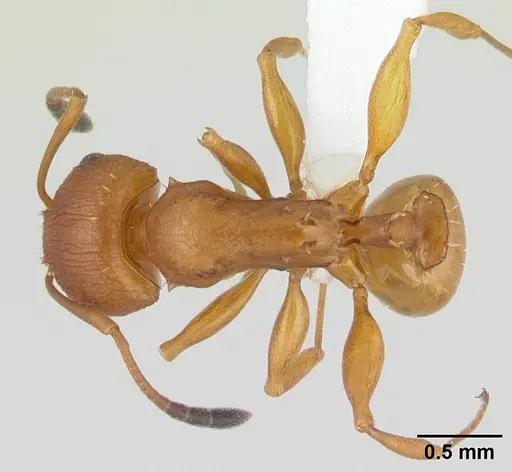
CASENT0443515
View on AntWeb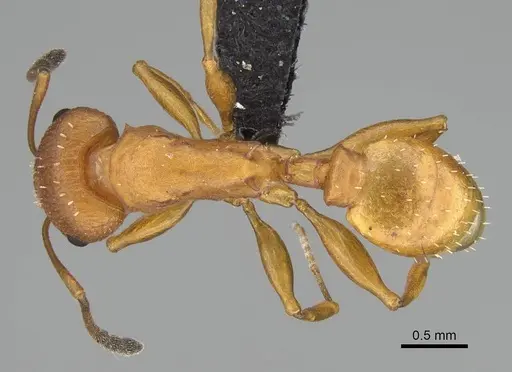
CASENT0443532
View on AntWeb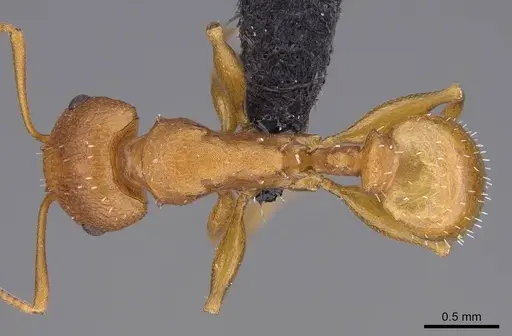
CASENT0740823
View on AntWeb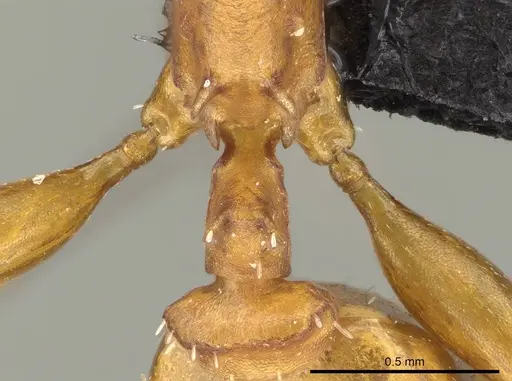
Literature
Loading distribution map...Loading products...