
Nesomyrmex spininodis
- Sci. Name
- Nesomyrmex spininodis
- Tribe
- Crematogastrini
- Subfamily
- Myrmicinae
- Author
- Mayr, 1887
- Distribution
- Found in 6 countries
Introduction
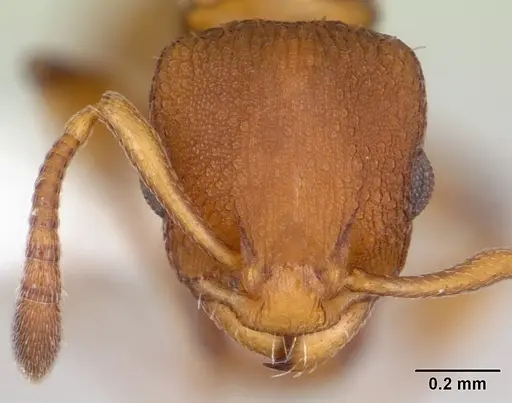
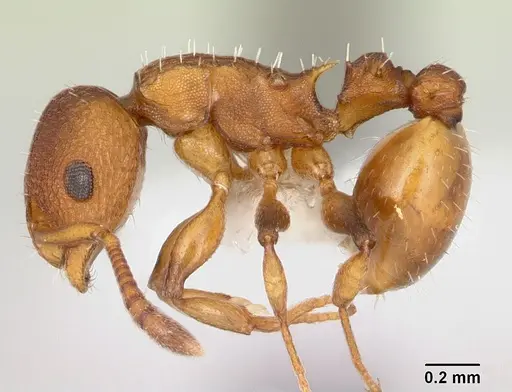
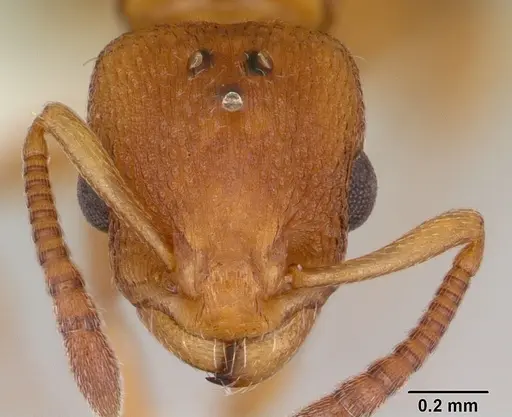
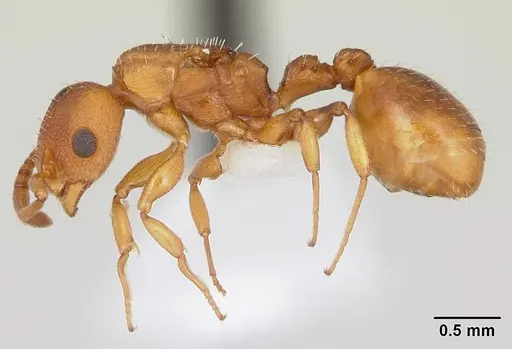
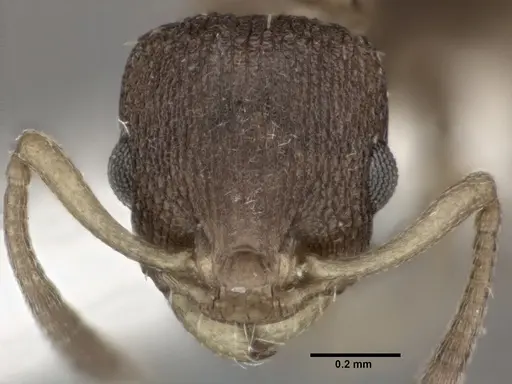
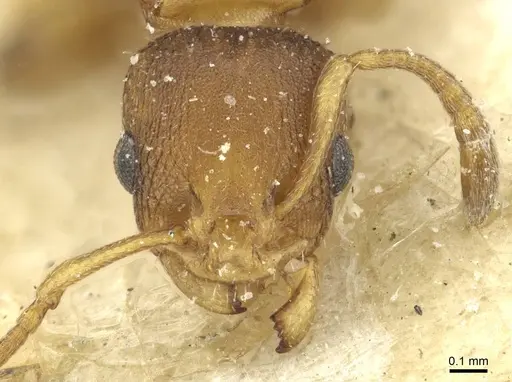
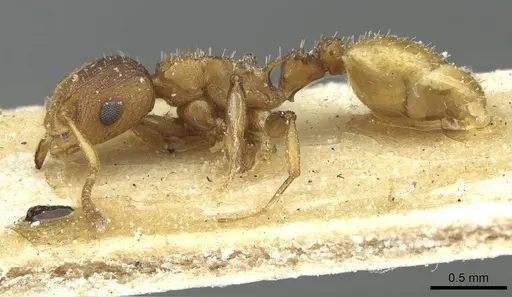
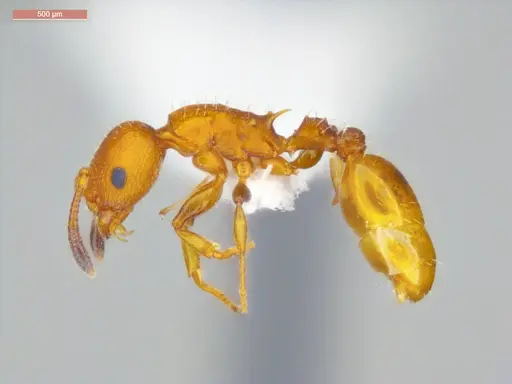
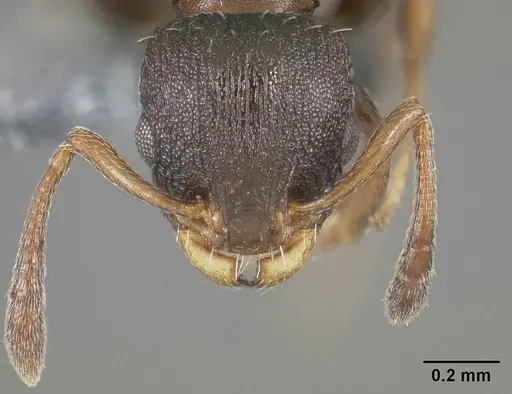
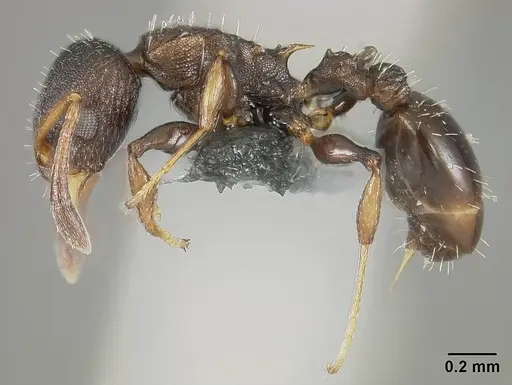
Nesomyrmex spininodis is a small Neotropical ant belonging to the Myrmicinae subfamily. Workers have uniform testaceous or yellowish-brown coloration and 11 antennomeres . They nest in unusual arboreal locations like bromeliad infructescences and tree galls . This species has a broad distribution across the Neotropics, from Costa Rica to Argentina .
Quick Summary
- Difficulty: Medium
- Origin & Habitat: Native to the Neotropical region, found across Argentina, Bolivia, Brazil, Colombia, Costa Rica, Ecuador, French Guiana, Guyana, Paraguay, Suriname, Trinidad and Tobago, and Venezuela. They inhabit tropical dry forests, Atlantic forest fragments, and cerrado savanna. These ants are exclusively arboreal, nesting in plant structures like bromeliad infructescences and tree galls [1][2][3].
- Colony Type: Colony structure is unconfirmed in scientific literature. Based on genus patterns, likely monogyne (single queen) colonies, but no specific data exists.
- Size & Growth:
- Queen: Size data unavailable, inferred from Nesomyrmex genus to be around 5-6mm
- Worker: Worker size is small, exact body length not available in context. Inferred from genus to be around 3-4mm
- Colony: Up to 7 workers based on one documented colony in a stem-gall [2]
- Growth: Moderate, inferred from typical Myrmicinae development
- Development: Estimated 6-10 weeks at tropical temperatures (Development time is not directly studied, tropical climate suggests faster development)
- Antkeeping:
- Temperature: Keep warm, around 24-28°C, based on tropical habitat
- Humidity: Keep nest substrate consistently moist but not waterlogged, based on arboreal habitat
- Diapause: Unknown, tropical species may not require formal diapause
- Nesting: Exclusively arboreal, provide climbing structures and vertical space. Use Y-tong nests or naturalistic setups with cork bark and twigs [2][1]
- Behavior: Exclusively arboreal and arboreal foragers, they forage on vegetation rather than on the ground. Workers are small and can escape through standard barrier setups if not careful. Temperament is not aggressive, they are shy, cryptic ants that avoid confrontation. Foraging strategy involves searching for honeydew and small arthropods on leaves and stems [3][1].
- Common Issues: escape prevention is critical, tiny workers can squeeze through small gaps, arboreal nature means they need climbing structures and vertical space in captivity, slow colony growth can frustrate beginners, tropical humidity requirements can lead to mold if ventilation is poor, wild-caught colonies may have parasites that affect survival
Housing and Nest Setup
Nesomyrmex spininodis is an exclusively arboreal species, meaning they live and forage in trees and shrubs rather than on the ground. In the wild, they nest in unusual locations like bromeliad flower stalks (infructescences) and senescent stem-galls on trees [2][1]. For captive care, you'll need to replicate this arboreal lifestyle. A naturalistic setup with cork bark, small twigs, and artificial plant stems works well. You can use a Y-tong nest, but provide plenty of climbing structures and vertical space within the outworld. These ants do best with a formicarium that allows them to travel vertically between chambers. Because they are so small, ensure your escape prevention is excellent, they can squeeze through gaps as small as 1mm.
Feeding and Diet
Based on their arboreal lifestyle, these ants likely forage for honeydew from aphids and scale insects on vegetation, plus small arthropods. In captivity, offer sugar water or honey water as a constant energy source. For protein, provide small live prey like fruit flies, pinhead crickets, or other tiny insects. Because they are so small, prey items should be appropriately sized, anything larger than 2mm may be too big for them to tackle. Feed protein 2-3 times per week, and keep sugar water available at all times.
Temperature and Humidity
As a Neotropical species from tropical and subtropical regions, Nesomyrmex spininodis needs warm, humid conditions. Keep the nest area at 24-28°C. You can use a heating cable on one side of the nest to create a temperature gradient, place it on top of the nest, not underneath, to avoid evaporating moisture too quickly. Humidity should be moderate, keep the nest substrate consistently moist but not waterlogged. Their natural habitats include humid forests, so the nest substrate should remain consistently moist. However, avoid creating stagnant, overly wet conditions that promote mold. Good ventilation is essential, use small ventilation holes that don't allow escapes.
Colony Dynamics and Growth
Colony size appears to be small in this species. One documented wild colony in a stem-gall contained only 7 individuals [2]. This suggests mature colonies are compact, making them suitable for smaller setups. The exclusively arboreal nature of this genus means they don't form large ground-nesting colonies. Queens have not been directly measured, but based on related Nesomyrmex species, expect queens around 5-6mm. Development time is not documented, but tropical Myrmicinae typically develop from egg to worker in 6-10 weeks at warm temperatures. Colonies grow slowly compared to ground-nesting species, so patience is required.
Behavior and Temperament
Nesomyrmex spininodis is a shy, non-aggressive species. As an arboreal ant, they spend their time foraging on vegetation rather than patrolling the ground. Workers are small and quick, actively searching for honeydew and small prey on leaves and stems. They are not defensive and rarely sting, their main defense is fleeing. Because of their small size and arboreal nature, they are excellent escape artists. Always use fine mesh barriers and tight-fitting lids. These ants are best observed in a naturalistic setup where you can watch them climbing and foraging on provided structures. [3][1]
Frequently Asked Questions
How long does it take for Nesomyrmex spininodis to produce first workers?
Exact development time is unconfirmed for this species, but based on typical tropical Myrmicinae development, expect 6-10 weeks from egg to first worker at optimal temperatures of 24-28°C. Patience is key with this species as colonies grow slowly.
Can I keep Nesomyrmex spininodis in a test tube setup?
Test tubes can work for founding colonies, but due to their arboreal nature, you should transfer them to a naturalistic setup with climbing structures once the colony reaches 10-15 workers. They need vertical space and structures to climb on.
What do Nesomyrmex spininodis eat?
They likely feed on honeydew from aphids and scale insects in the wild. In captivity, provide constant access to sugar water or honey water, plus small live prey like fruit flies, tiny crickets, or other small insects. Size prey appropriately for their tiny workers.
Are Nesomyrmex spininodis good for beginners?
This species is rated Medium difficulty. While not the hardest ant to keep, their small size, escape risk, arboreal housing requirements, and slow growth make them better suited for keepers with some experience. Beginners may struggle with escape prevention and the slow colony development.
Do Nesomyrmex spininodis ants sting?
They are not known to be aggressive and rarely sting. Their small size and non-defensive nature make them safe to handle, though their tiny stinger would not penetrate human skin anyway.
How big do Nesomyrmex spininodis colonies get?
Based on available data showing a wild colony of only 7 individuals in a gall, mature colonies are small and compact [2].
Do Nesomyrmex spininodis need hibernation?
As a tropical species from the Neotropics, they likely do not require a formal hibernation period. However, they may slow activity during cooler periods. Maintain warm temperatures year-round (24-28°C) for optimal colony development.
Why are my Nesomyrmex spininodis escaping?
Their tiny size makes them excellent escape artists. Use fine mesh barriers (0.5mm or smaller), tight-fitting lids, and reliable barrier coatings like fluon. Check all connections and seams regularly, as they can squeeze through incredibly small gaps.
When should I move Nesomyrmex spininodis to a formicarium?
Move them when the test tube water reservoir becomes difficult to maintain or when the colony outgrows the tube. For this arboreal species, provide a naturalistic setup with cork bark, twigs, or artificial plant stems rather than a standard horizontal nest.
Where does Nesomyrmex spininodis live in the wild?
They are found across the Neotropical region from Costa Rica to Argentina. They nest in unusual arboreal locations like bromeliad infructescences (dried flower stalks) and tree galls, not in soil. This arboreal nesting is why they require special housing in captivity.
Report an Issue
The current care sheet is based fully on literature. See inconsistencies, or something that's incorrect? Please , it will be resolved after review from an admin. Contributing to the blogs tab also helps providing information, to make us be able to further improve the caresheets. Thank you for your support!
References

This caresheet is licensed under CC BY-SA 4.0 .
Community Blogs
CASENT0173995
View on AntWeb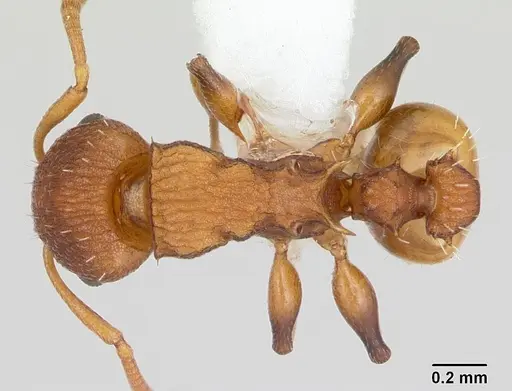
CASENT0173996
View on AntWeb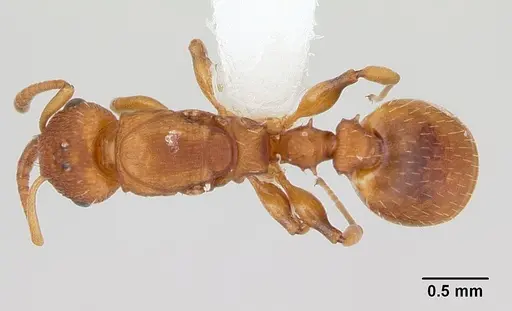
CASENT0246056
View on AntWeb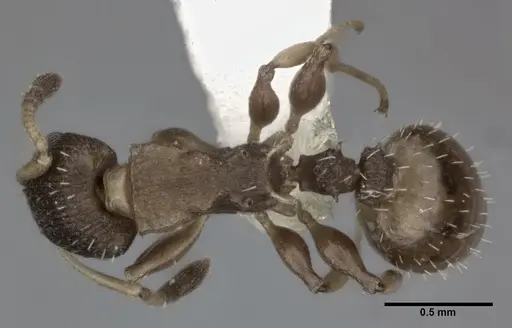
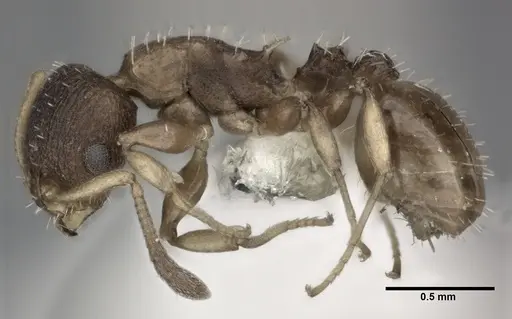
CASENT0645974
View on AntWeb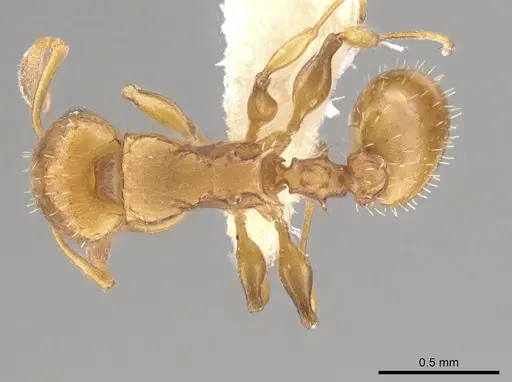
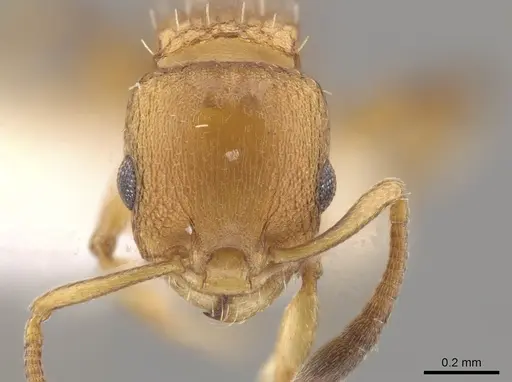
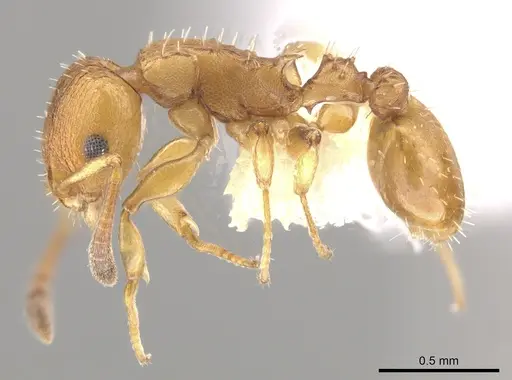
CASENT0913001
View on AntWeb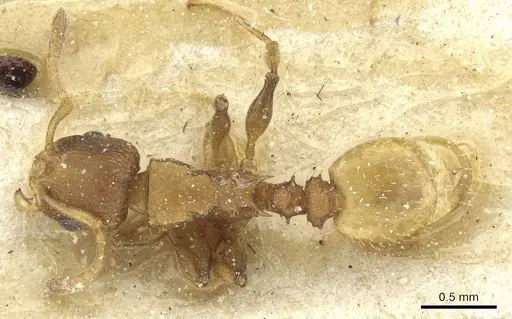
CASENT0919734
View on AntWeb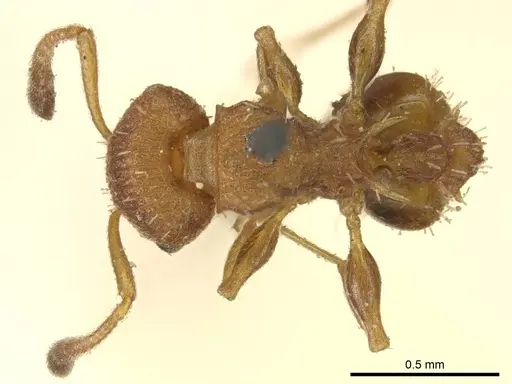
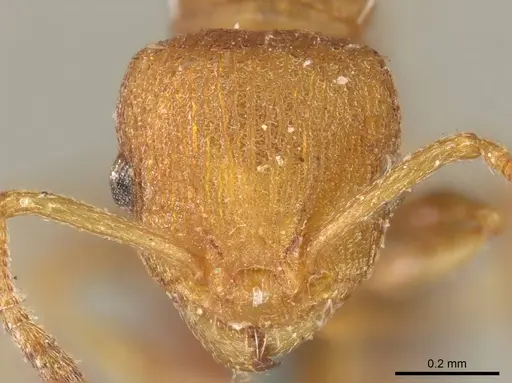
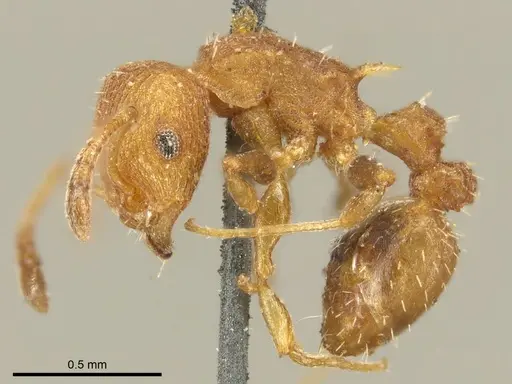
ECOFOG-OI17-0102-01
View on AntWeb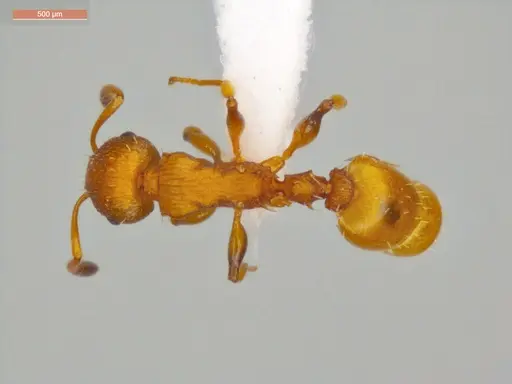
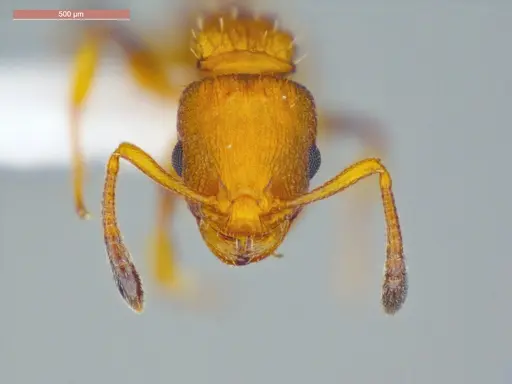
USNMENT01124254
View on AntWeb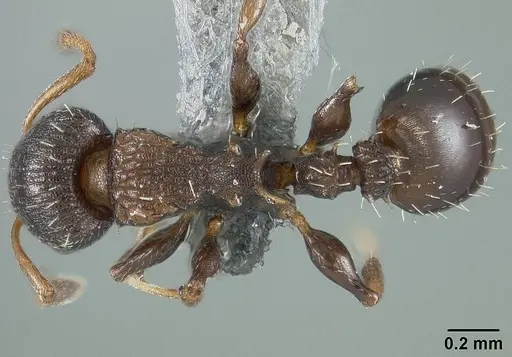
Literature
Loading distribution map...Loading products...