
Nesomyrmex punctaticeps
- Sci. Name
- Nesomyrmex punctaticeps
- Tribe
- Crematogastrini
- Subfamily
- Myrmicinae
- Author
- Csősz & Fisher, 2016
- Distribution
- Found in 1 countries
Introduction
Nesomyrmex punctaticeps is a tiny yellow ant species endemic to Madagascar. It belongs to the brevicornis species-group within the genus Nesomyrmex. These ants inhabit Madagascar's tropical dry forests and spiny forests at low elevations between 20-770 meters, with one recorded sample from rainforest at 900m. They are collected by beating low vegetation, suggesting they nest in above-ground microhabitats like dead wood, under bark, or in vegetation rather than in soil.
Quick Summary
- Difficulty: Unknown, limited data available
- Origin & Habitat: Madagascar, tropical dry forests and spiny forests at lower elevations (20-770m) [1]
- Colony Type: Unconfirmed, colony structure has not been documented in scientific literature
- Size & Growth:
- Queen: Size data unavailable, no total length measurements exist
- Worker: Size data unavailable, no total length measurements exist
- Colony: Unknown, no colony size data available
- Growth: Unknown, no development data available
- Development: Estimated 6-10 weeks based on typical Myrmicinae development at warm temperatures (No direct measurements exist for this species. Estimate based on genus-level patterns for small Myrmicinae from Madagascar.)
- Antkeeping:
- Temperature: Based on lowland Madagascar habitat [1], aim for 24-28°C with a gentle gradient. Room temperature around 24°C is likely suitable.
- Humidity: Based on dry forest habitat [1], allow substrate to dry partially between waterings rather than keeping it constantly moist.
- Diapause: Unknown, no documented seasonal requirements
- Nesting: Based on collection method [2], they likely nest in small cavities. Provide a small Y-tong nest or similar with tight chambers scaled to their tiny size.
- Behavior: Behavior is not well documented. As small Myrmicinae from Madagascar, they are likely moderate foragers with typical colony defense. Their defense mechanism is smear-based, typical of Crematogastrini, but no specific studies on this species. Escape risk is high due to their small size, they can squeeze through tiny gaps.
- Common Issues: limited scientific data means care recommendations are largely inferred from habitat and genus patterns, colony size unknown so keepers may not know when to upgrade nests, no documented founding behavior, unknown if claustral or semi-claustral, escape risk due to small size, use fine mesh and tight-fitting barriers, wild-caught colonies may have parasites or diseases not documented in literature
Natural History and Distribution
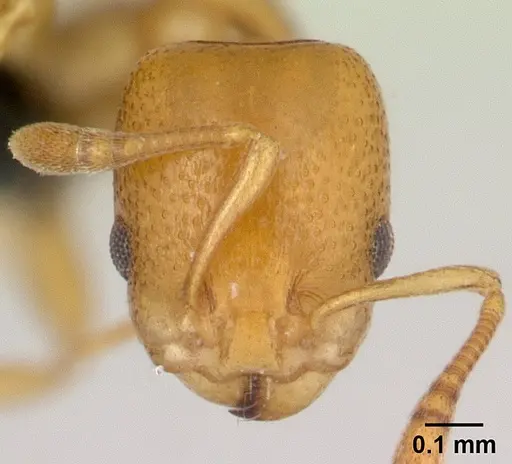
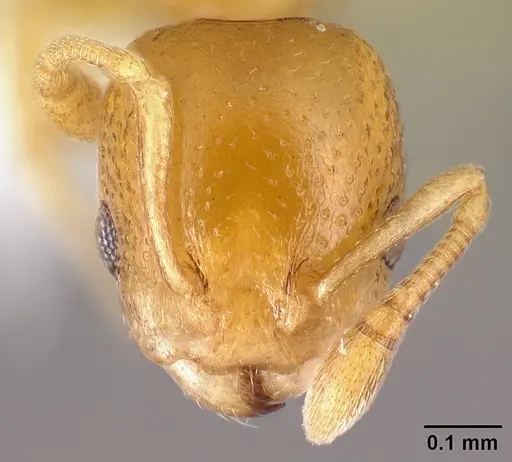
Nesomyrmex punctaticeps is endemic to Madagascar, where it inhabits the island's distinctive dry forests and spiny forests at lower elevations between 20-770 meters above sea level. The species has been collected primarily by beating low vegetation, which suggests it forages and likely nests in above-ground microhabitats such as dead twigs, under bark, or in low vegetation rather than in soil. One specimen has been recorded from the rainforest of Ranomafana National Park at approximately 900m elevation, showing some adaptability to different forest types. The species was formally described in 2016 by Csösz and Fisher as part of a taxonomic revision of the Malagasy Nesomyrmex brevicornis species-group. The species name 'punctaticeps' refers to the conspicuously foveolate (pitted) head dorsum that distinguishes these workers. [1][2]
Identification and Morphology
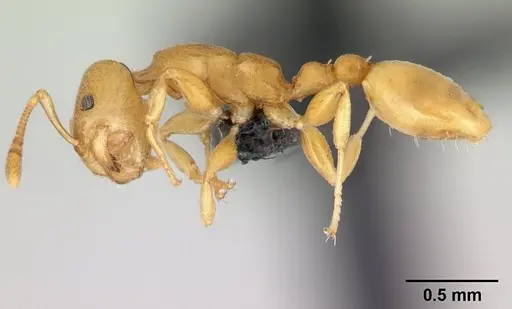
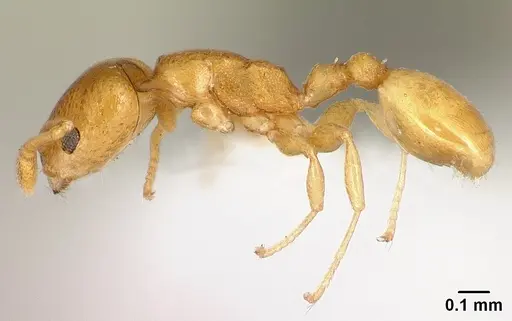
Workers are small ants with a yellow, concolorous body. The head has conspicuous foveae (small pits) with well-demarcated margins, and the genae have rugoso-reticulate sculpture. Eyes are relatively small, and the scapes are moderately long. These features help distinguish N. punctaticeps from other Nesomyrmex species in the brevicornis-group. [1]
Housing and Nesting
Based on collection method by beating low vegetation [2], Nesomyrmex punctaticeps likely nests in small cavities in dead wood, under bark, or within vegetation. In captivity, provide a nest with small, tight chambers scaled to their tiny size. A Y-tong nest or small naturalistic setup with dead wood or cork works well. Avoid large, open chambers as these small ants may feel exposed. Keep the nest relatively compact with narrow passages. Since they come from dry forest environments, allow the substrate to dry partially between waterings rather than keeping it constantly moist. Ensure excellent escape prevention, their small size means they can squeeze through tiny gaps. Use fine mesh on any ventilation holes and ensure all connections are tight.
Temperature and Humidity
Based on the species' lowland Madagascar habitat [1], these ants prefer warm conditions. Aim for temperatures in the range of 24-28°C, which is typical for Madagascar lowland species. Room temperature around 24°C should be suitable. Provide a gentle temperature gradient so ants can choose their preferred zone. For humidity, the dry forest and spiny forest habitat suggests they prefer moderately dry to moderate conditions. Allow the nest substrate to dry partially between waterings rather than maintaining constant moisture. Some damp areas should be available, but avoid waterlogging. This is not a high-humidity rainforest species.
Feeding and Diet
The specific diet of Nesomyrmex punctaticeps has not been documented in scientific literature. As a member of the Myrmicinae subfamily (tribe Crematogastrini), they likely have typical omnivorous habits for small ants: they probably consume small insects, honeydew, and nectar. Based on related Nesomyrmex species and their small size, offer small protein sources such as fruit flies, small mealworms, or other tiny arthropods. Sugar sources like diluted honey or sugar water may be accepted. Feed small amounts several times per week and remove uneaten food to prevent mold. Since they are small ants, portion sizes should be tiny.
Colony Development and Growth
No specific data exists for colony development in Nesomyrmex punctaticeps. Based on typical Myrmicinae patterns for small ants in warm climates, development from egg to worker likely takes 6-10 weeks at optimal temperatures (around 26°C). The first workers (nanitics) will typically be smaller than mature workers. Colony size in the wild is unknown, but related Nesomyrmex species typically form small to moderate colonies. Start with a simple setup (test tube or small formicarium) and upgrade only when the colony shows signs of crowding. Monitor for queen activity and worker numbers to guide expansion timing.
Frequently Asked Questions
How long does it take for Nesomyrmex punctaticeps to produce first workers?
The exact timeline is unknown as this species has not been studied in captivity. Based on typical Myrmicinae development patterns for small ants in warm conditions, expect approximately 6-10 weeks from egg to first worker at optimal temperatures (around 24-28°C).
What size colony does Nesomyrmex punctaticeps reach?
Colony size is not documented in scientific literature. Based on related Nesomyrmex species, colonies likely reach several hundred workers at most. Monitor your colony and upgrade nest size when workers appear crowded.
Do Nesomyrmex punctaticeps ants sting?
No documented sting behavior exists for this species. As small Myrmicinae, they likely have a stinger but it is too small to penetrate human skin effectively. They are not considered dangerous to humans.
What temperature is best for Nesomyrmex punctaticeps?
Based on their Madagascar lowland habitat [1], keep them warm at 24-28°C. Room temperature around 24°C is typically suitable. A gentle temperature gradient allows ants to self-regulate.
Do Nesomyrmex punctaticeps need hibernation or diapause?
This is unknown. Madagascar has seasonal variation but the specific dormancy requirements for this species have not been documented. Do not assume they need hibernation, observe your colony's seasonal activity patterns.
Can I keep multiple Nesomyrmex punctaticeps queens together?
This has not been documented. The colony structure (monogyne vs polygyne) is unknown for this species. Do not combine unrelated queens unless you observe specific social tolerance.
What should I feed Nesomyrmex punctaticeps?
Based on typical small Myrmicinae diet, offer small protein sources (fruit flies, tiny mealworms, small arthropods) and sugar sources (diluted honey or sugar water). Feed small amounts several times per week and remove uneaten food.
Is Nesomyrmex punctaticeps a good species for beginners?
Difficulty level cannot be determined due to limited scientific data. This species is rarely kept in captivity and there is limited husbandry information. Only experienced antkeepers should attempt this species.
What type of nest is best for Nesomyrmex punctaticeps?
Based on their collection from low vegetation [2], they likely nest in small cavities. A small Y-tong nest or acrylic formicarium with tight, small chambers works well. Avoid large open spaces. Provide small passages scaled to their tiny size.
How do I prevent Nesomyrmex punctaticeps from escaping?
Their small size means they can squeeze through tiny gaps. Use excellent escape prevention: fine mesh on all ventilation, tight-fitting lids, and seal all connections. Check regularly for small escapes.
Report an Issue
The current care sheet is based fully on literature. See inconsistencies, or something that's incorrect? Please , it will be resolved after review from an admin. Contributing to the blogs tab also helps providing information, to make us be able to further improve the caresheets. Thank you for your support!
References

This caresheet is licensed under CC BY-SA 4.0 .
Community Blogs
CASENT0002644
View on AntWeb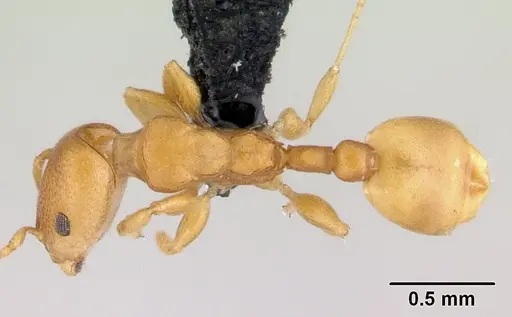
CASENT0418448
View on AntWeb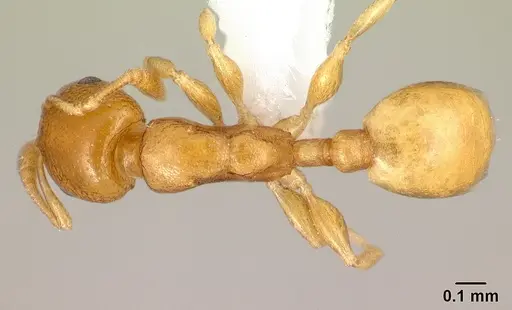
Literature
Loading distribution map...Loading products...