
Nesomyrmex nitidus
- Sci. Name
- Nesomyrmex nitidus
- Tribe
- Crematogastrini
- Subfamily
- Myrmicinae
- Author
- Csősz & Fisher, 2016
- Distribution
- Found in 2 countries
Introduction
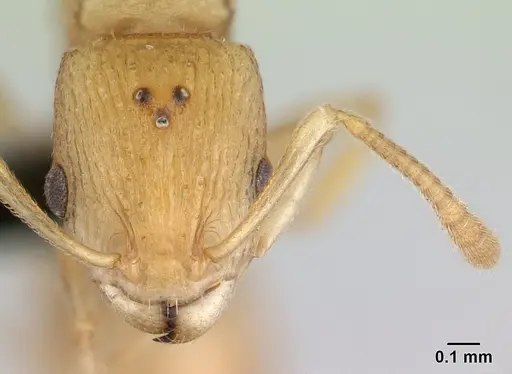
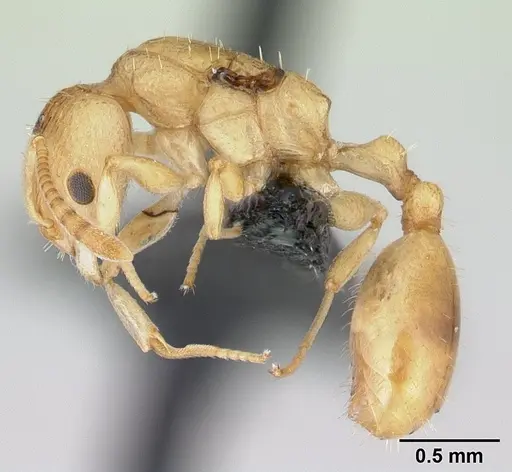
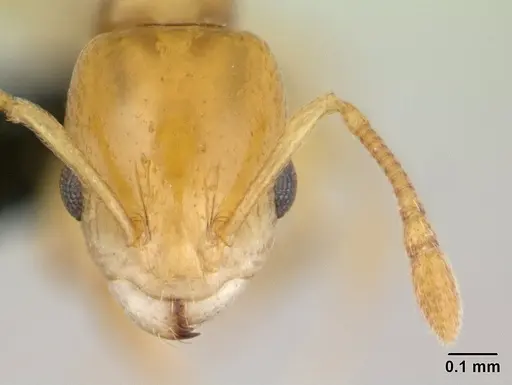
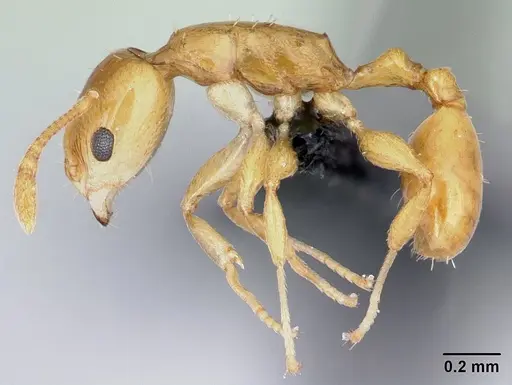
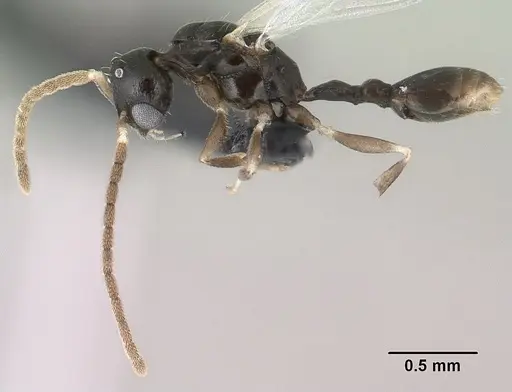
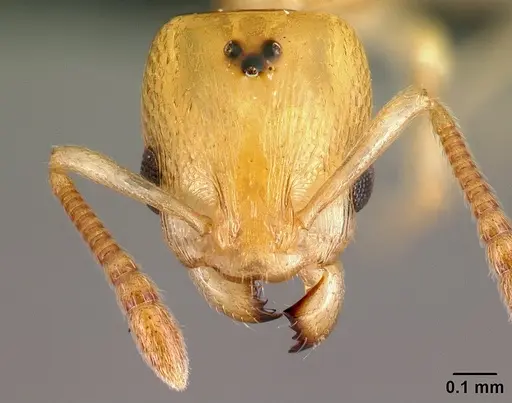
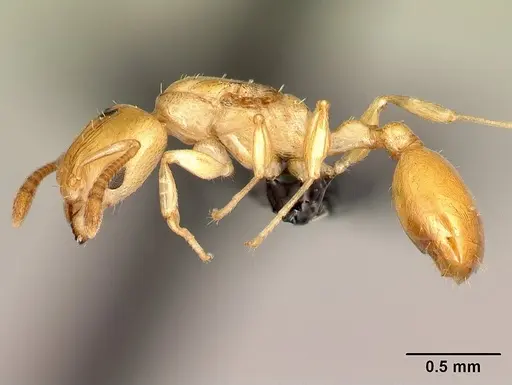
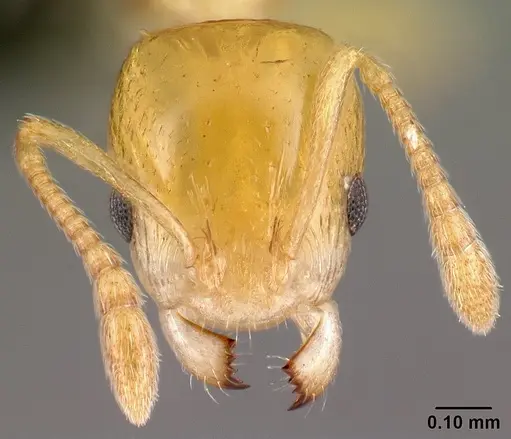
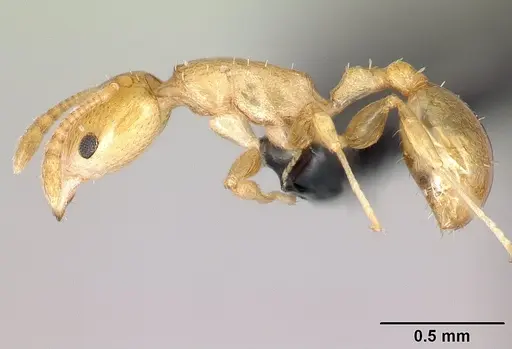
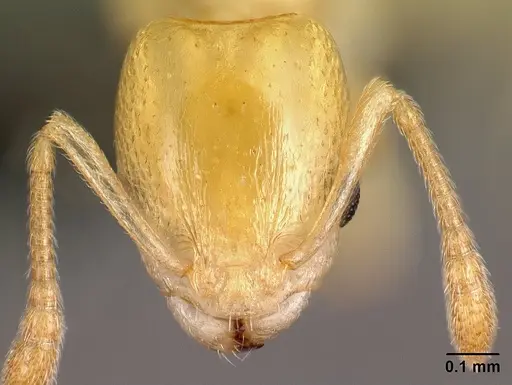
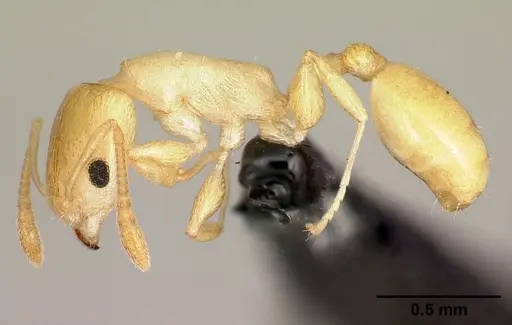
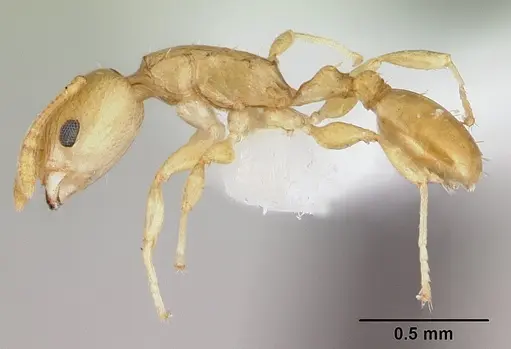
Nesomyrmex nitidus is a tiny yellow ant endemic to Madagascar's rainforests. Workers are uniform light yellow throughout their body, making them distinguishable from similar species like Nesomyrmex madecassus and Nesomyrmex gibber . This species is part of the madecassus species group and is most similar to Nesomyrmex flavus, requiring morphometric analysis for separation . Size data is unavailable from the research . Colonies forage in low vegetation and nest in dead twigs and stems above ground . This ant is cryptic and lives in Madagascar's lowland to mid-elevation rainforests, typically between 10 and 1550 meters elevation . For antkeepers, it represents a rare Malagasy species with arboreal nesting habits.
Quick Summary
- Difficulty: Medium
- Origin & Habitat: Madagascar rainforests, elevation 10-1550 meters, nesting in dead twigs and stems above ground, foraging in low vegetation [1][2].
- Colony Type: Colony structure is unconfirmed. Based on genus patterns, likely single-queen colonies, but no specific data on ergatoid reproductives.
- Size & Growth:
- Queen: Size data unavailable [1]
- Worker: Size data unavailable [1]
- Colony: Up to 500 workers, estimated based on natural twig-nesting behavior [1]
- Growth: Moderate, inferred from small colony size
- Development: Estimated 6-10 weeks, based on typical Myrmicinae patterns [1] (Development time may vary with temperature, direct data unavailable.)
- Antkeeping:
- Temperature: Keep warm, roughly 22-26°C, inferred from tropical habitat [1]
- Humidity: Keep substrate consistently moist but not waterlogged, inferred from rainforest habitat [1][2]
- Diapause: No diapause required, as tropical species [1]
- Nesting: Provide small arboreal nests with chambers mimicking dead twigs, use Y-tong or small formicaria with narrow passages [1][2]
- Behavior: Workers are docile and use smear defense typical of Myrmicinae. Escape prevention is critical due to their tiny size. They forage slowly in low vegetation.
- Common Issues: escape prevention is critical due to very small size, use fine mesh and tight-fitting lids, small colony size means slow population growth, patience is required, humidity control is important, too dry and they desiccate, too wet and mold becomes a problem, wild-caught colonies may be stressed from collection and transport, their arboreal nature means they need appropriately scaled nest chambers, too large and they may not use them
Housing and Nest Setup
Nesomyrmex nitidus is an arboreal species that naturally nests in dead twigs and stems above ground [1]. In captivity, provide small nest chambers that mimic this behavior. Use Y-tong nests or small formicaria with narrow tunnels sized to the tiny workers [1][2]. Avoid large open spaces, these ants prefer tight quarters. Connect a small outworld for foraging, but keep food sources close since they forage in low vegetation [1].
Temperature and Humidity
As a Madagascar rainforest species, keep temperatures warm, roughly 22-26°C, inferred from their habitat [1]. For humidity, keep the substrate consistently moist but not waterlogged, based on rainforest conditions [1][2]. Monitor moisture regularly to prevent drying or mold.
Feeding and Diet
Offer a varied diet of small insects and sugar sources. Provide small prey like fruit flies or pinhead crickets, and sugar water or honey [1][2]. Feed every 2-3 days and remove uneaten food to prevent mold.
Escape Prevention
Escape prevention is critical due to the tiny size of workers. Use fine mesh (0.5mm or smaller) on ventilation holes and ensure tight-fitting lids [1]. Apply barriers like fluon to nest edges and check connections frequently.
Growth and Development
Colony growth is moderate, with first workers appearing in an estimated 6-10 weeks from egg to worker at optimal temperatures [1]. Colonies likely remain small, up to 500 workers, based on natural nesting habits [1]. Patience is essential, avoid overfeeding to prevent mold.
Frequently Asked Questions
How long does it take for Nesomyrmex nitidus to produce first workers?
The exact timeline is unconfirmed, but based on typical Myrmicinae patterns, expect 6-10 weeks from egg to worker at optimal temperatures [1]. Nanitics will be very small.
Can I keep Nesomyrmex nitidus in a test tube?
Test tubes can work for founding colonies, but since they are arboreal twig-nesters, a small nest with chambers is better long-term [1][2]. Ensure excellent escape prevention due to their size.
Do Nesomyrmex nitidus ants sting?
They are unlikely to sting humans effectively. They use smear defense typical of Myrmicinae, but their stingers are small and they show little aggression [1].
What do Nesomyrmex nitidus eat?
They accept small insects like fruit flies and sugar sources like honey water [1][2]. Feed appropriately sized prey every 2-3 days.
Are Nesomyrmex nitidus good for beginners?
This is not ideal for beginners due to tiny size, escape risks, and specific humidity needs. Experienced keepers may enjoy the challenge [1].
How big do Nesomyrmex nitidus colonies get?
Colonies likely remain small, up to 500 workers, based on their natural twig-nesting behavior [1][2].
Do Nesomyrmex nitidus need hibernation?
No diapause is required, as they are a tropical species from Madagascar [1]. A slight temperature reduction in winter may be appropriate, but full hibernation is not necessary.
Why are my Nesomyrmex nitidus escaping?
Their tiny size allows escapes through small gaps. Review escape prevention: use fine mesh, tight lids, and barriers like fluon [1].
Report an Issue
The current care sheet is based fully on literature. See inconsistencies, or something that's incorrect? Please , it will be resolved after review from an admin. Contributing to the blogs tab also helps providing information, to make us be able to further improve the caresheets. Thank you for your support!
References

This caresheet is licensed under CC BY-SA 4.0 .
Community Blogs
CASENT0050380
View on AntWeb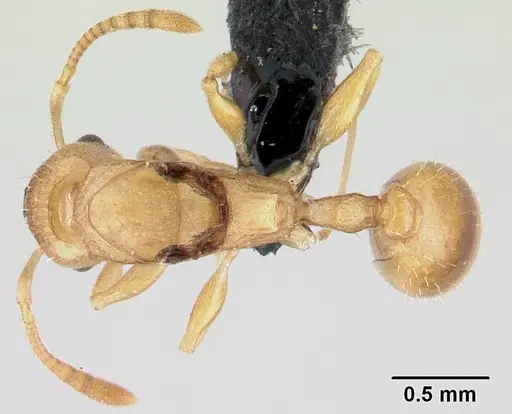
CASENT0132521
View on AntWeb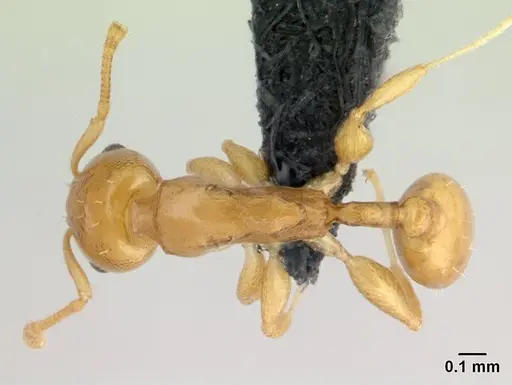
CASENT0148204
View on AntWeb
CASENT0151898
View on AntWeb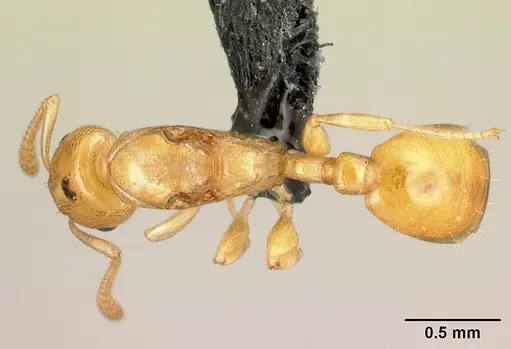
CASENT0151914
View on AntWeb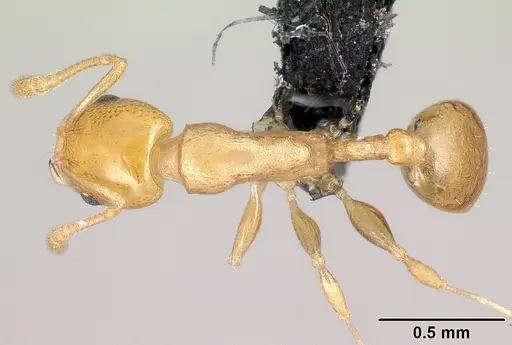
CASENT0152470
View on AntWeb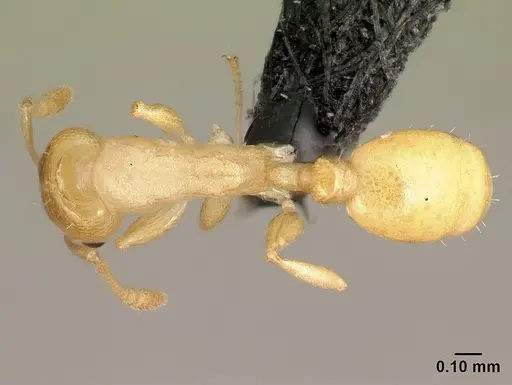
CASENT0163151
View on AntWeb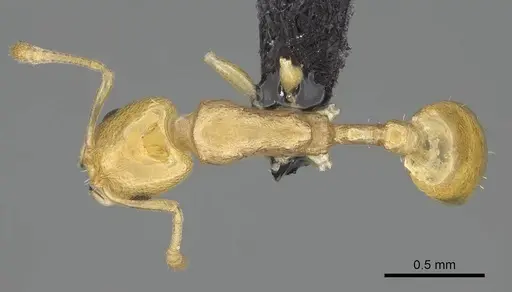
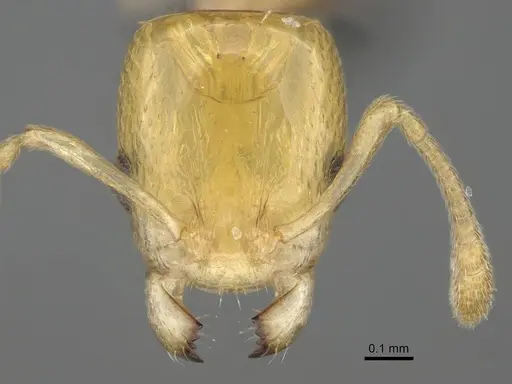
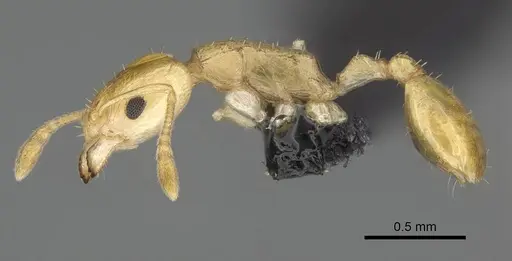
CASENT0421406
View on AntWeb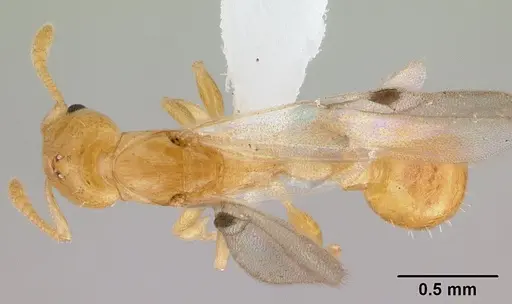
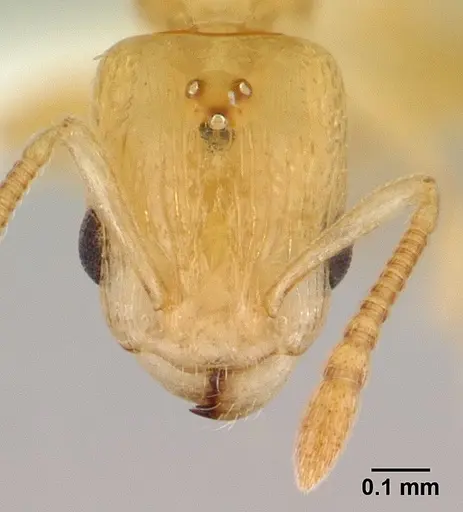
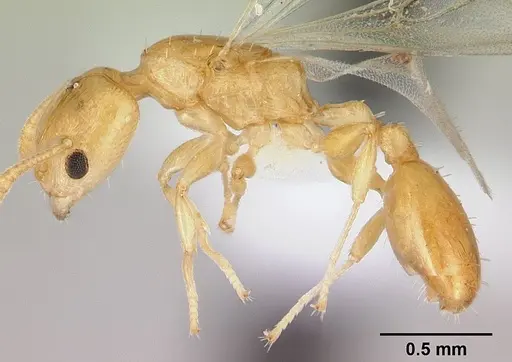
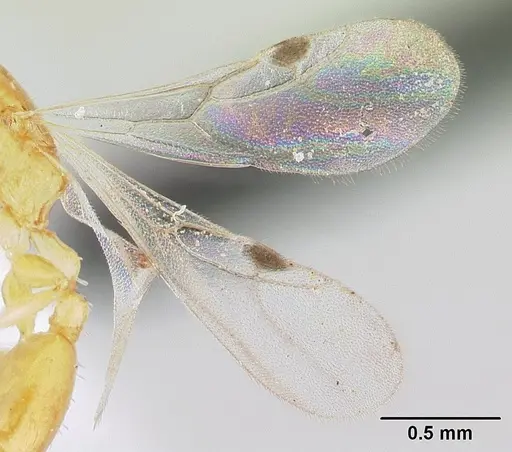
CASENT0422630
View on AntWeb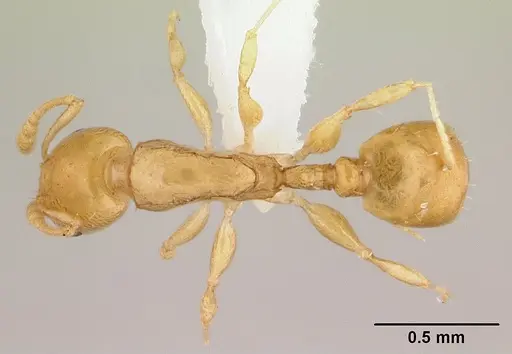
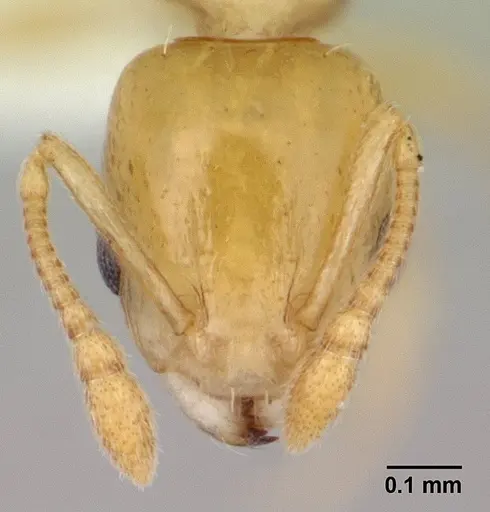
Literature
Loading distribution map...Loading products...