
Nesomyrmex modestus
- Sci. Name
- Nesomyrmex modestus
- Tribe
- Crematogastrini
- Subfamily
- Myrmicinae
- Author
- Csősz & Fisher, 2016
- Distribution
- Found in 1 countries
Introduction
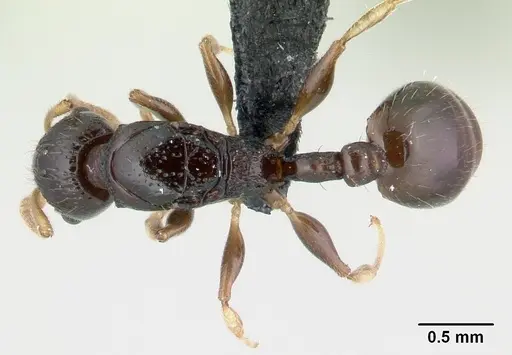
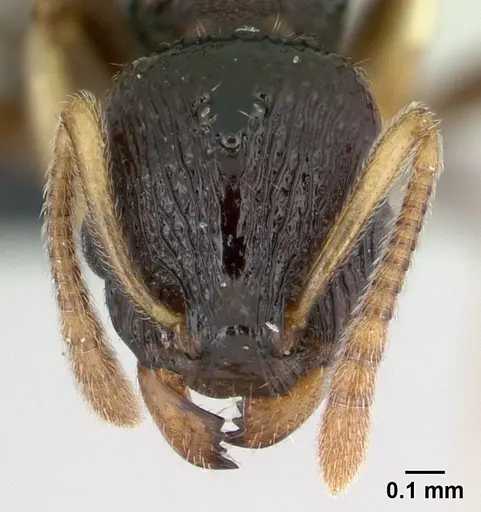
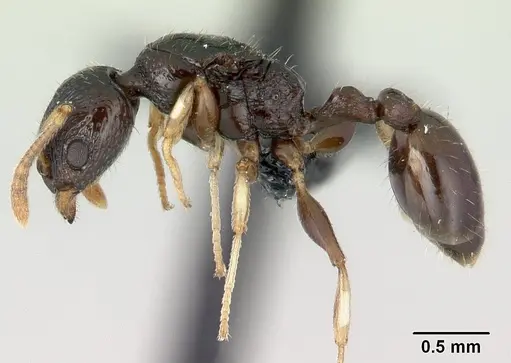
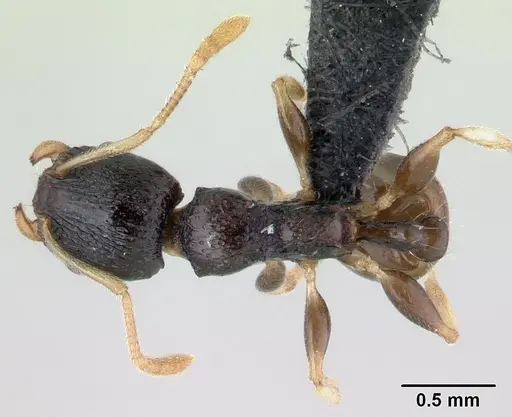
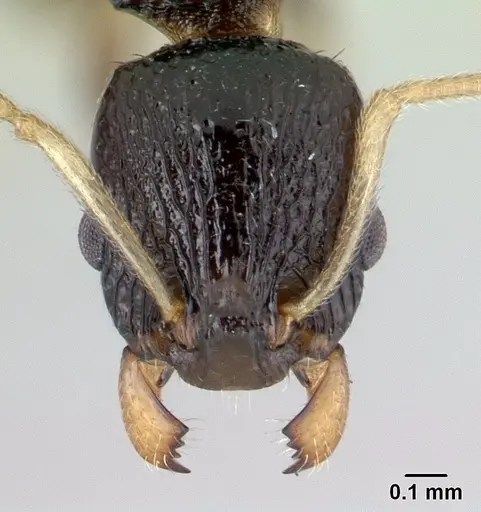
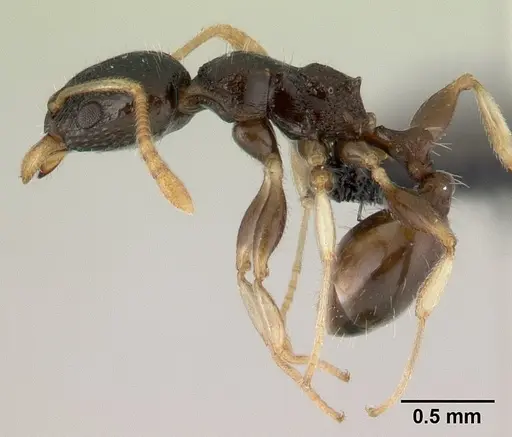
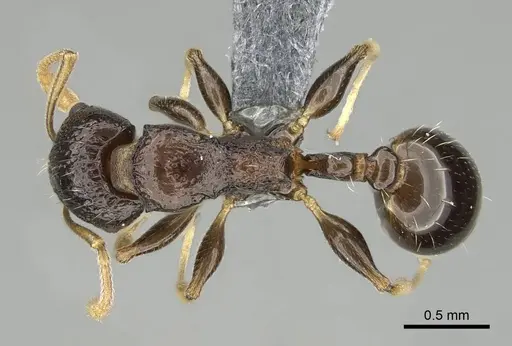
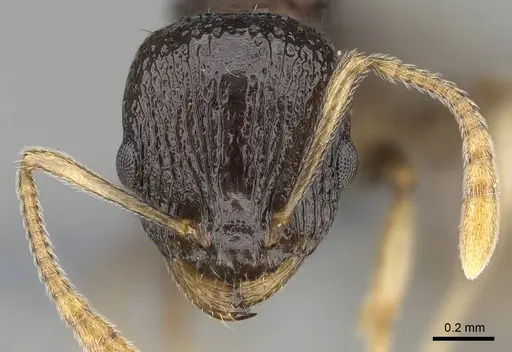
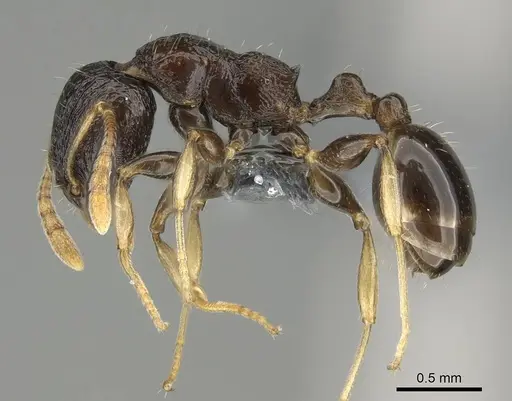
Nesomyrmex modestus is a small, black ant species native to the rainforests of southwestern Madagascar at elevations between 520 and 1325 meters . Workers are entirely black with moderately coarse surface sculpturing . This species belongs to the Nesomyrmex sikorae species group and was formally described in 2016,with little known about its biology in captivity .
Quick Summary
- Difficulty: Hard
- Origin & Habitat: Southwestern Madagascar rainforests at 520-1325 m elevation [1]
- Colony Type: Unconfirmed, colony structure has not been documented
- Size & Growth:
- Queen: ~5-7 mm, inferred from Nesomyrmex genus
- Worker: ~3-4 mm, inferred from Nesomyrmex genus
- Colony: Unknown
- Growth: Unknown
- Development: Unconfirmed, estimated 6-10 weeks based on typical Myrmicinae patterns (No direct development data exists for this species.)
- Antkeeping:
- Temperature: Aim for 22-26°C with a gradient, based on Madagascar rainforest habitat
- Humidity: Keep substrate consistently moist but not waterlogged
- Diapause: Unknown
- Nesting: Prefer humid nests with wood or soil substrate, Y-tong or plaster nests with moisture retention
- Behavior: Behavior is unstudied in captivity. Based on genus patterns, workers are likely peaceful. Defense mechanism involves smearing venom, typical of Myrmicinae tribe Crematogastrini. Workers are small (around 3-4 mm), so escape prevention is important.
- Common Issues: lack of established care protocols makes keeping this species challenging., no data on founding behavior or colony structure., diet preferences are unknown., wild-caught colonies may have parasites or diseases., small size requires careful escape prevention.
Species Discovery and Taxonomy
Nesomyrmex modestus was formally described in 2016 by Sándor Csösz and Brian L. Fisher as part of a taxonomic revision of the Nesomyrmex sikorae species group in Madagascar [1]. The species name 'modestus' means moderate, referring to the moderately coarse surface sculpturing that distinguishes it from related species [1].
Natural Habitat and Distribution
This species is known only from the rainforests of southwestern Madagascar, occurring at elevations between 520 and 1325 meters above sea level [1]. The habitat data suggests they prefer forested areas with moderate elevation in humid microhabitats.
Appearance and Identification
Workers are entirely black throughout their body with moderately coarse surface sculpturing [1]. They possess propodeal spines that are triangular and blunt in shape [1]. Workers are small, with body size inferred from genus patterns.
What We Don't Know
This is one of the least-studied species in antkeeping. No research exists on colony size in the wild, founding behavior, nuptial flight timing, accepted foods, temperature preferences, humidity requirements, or any aspect of captive care. The genus Nesomyrmex is not well-represented in captivity, so there are no established husbandry protocols.
Inferred Care Based on Genus Patterns
While direct data is lacking, reasonable inferences can be made from the genus Nesomyrmex and the Madagascar rainforest habitat. These ants likely prefer humid conditions with consistent moisture. Temperature probably should be in the low-to-mid 20s Celsius. Starting with standard Myrmicinae setups and adjusting based on colony behavior is the best approach. Food acceptance is completely unknown, begin with standard ant foods and observe what they accept.
Frequently Asked Questions
How long does it take for Nesomyrmex modestus to go from egg to worker?
This is unconfirmed, no development data exists for this species. Based on typical Myrmicinae patterns, estimate 6-10 weeks at optimal temperature, but this is purely speculative.
What do Nesomyrmex modestus ants eat?
Unknown, no feeding studies exist for this species. Begin with sugar water and small live prey and observe what they accept.
Are Nesomyrmex modestus good for beginners?
No, this is not a beginner species. This is a newly described species with no established captive care protocols.
Do Nesomyrmex modestus ants sting?
Unknown, no sting or bite records exist. Given their very small size, any sting would likely be negligible to humans.
What temperature should I keep Nesomyrmex modestus at?
Unconfirmed, but based on their Madagascar rainforest habitat, aim for 22-26°C with a gradient.
How big do Nesomyrmex modestus colonies get?
Unknown, no colony size data exists.
Can I keep multiple Nesomyrmex modestus queens together?
Unknown, colony structure has not been documented. Do not attempt combining unrelated queens until more is known.
Do Nesomyrmex modestus need hibernation or diapause?
Unknown, no seasonal behavior data exists. Monitor for seasonal activity changes but do not assume they need a formal hibernation period.
What is the best nest type for Nesomyrmex modestus?
No established protocol exists. Based on genus patterns, they likely prefer humid nests, Y-tong or plaster nests with good moisture retention would be appropriate starting points.
Where is Nesomyrmex modestus found in the wild?
Only in the rainforests of southwestern Madagascar, at elevations between 520-1325 meters [1].
Report an Issue
The current care sheet is based fully on literature. See inconsistencies, or something that's incorrect? Please , it will be resolved after review from an admin. Contributing to the blogs tab also helps providing information, to make us be able to further improve the caresheets. Thank you for your support!
References

This caresheet is licensed under CC BY-SA 4.0 .
Community Blogs
Literature
Loading distribution map...Loading products...