
Nesomyrmex hafahafa
- Sci. Name
- Nesomyrmex hafahafa
- Tribe
- Crematogastrini
- Subfamily
- Myrmicinae
- Author
- Csősz & Fisher, 2015
- Distribution
- Found in 1 countries
Introduction
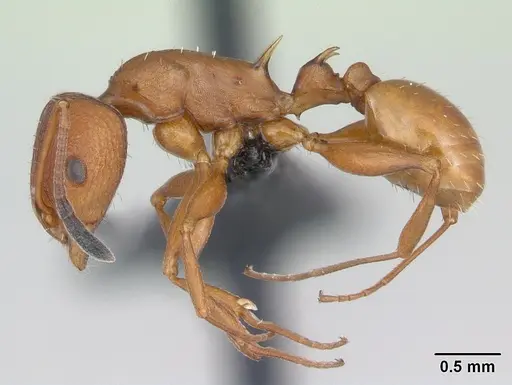
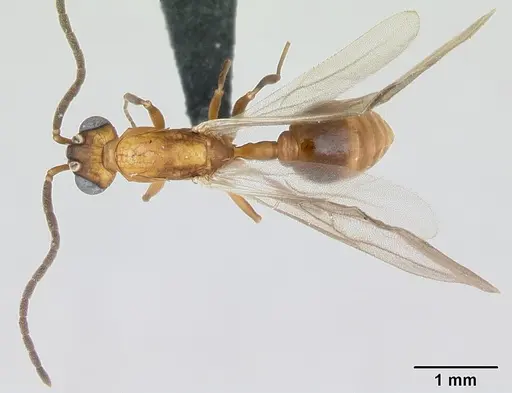
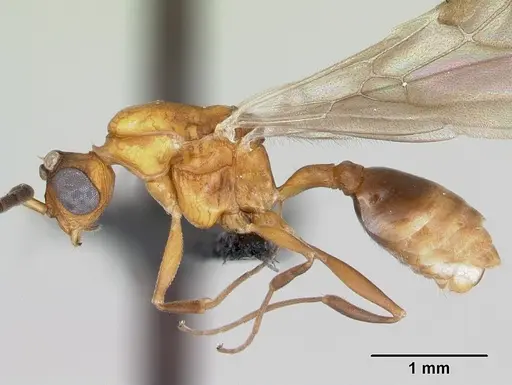
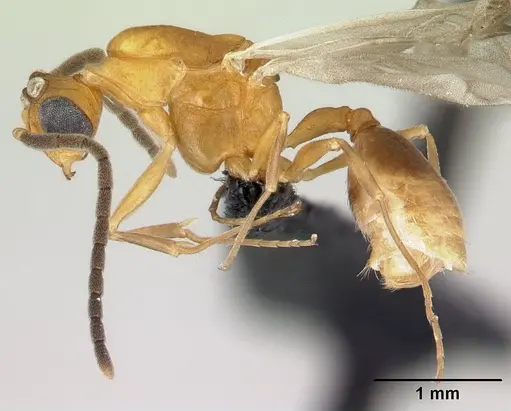
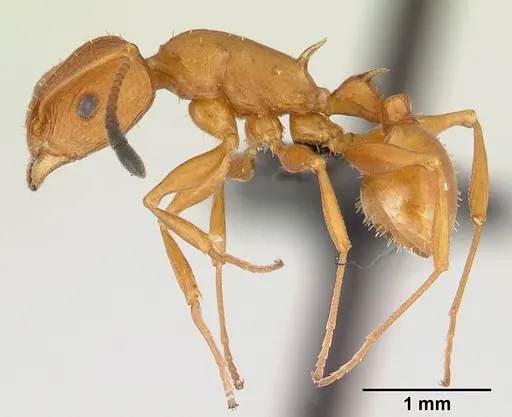
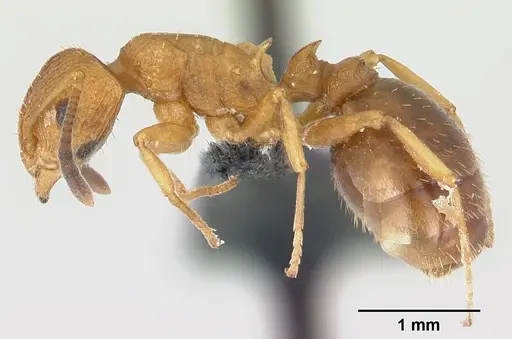
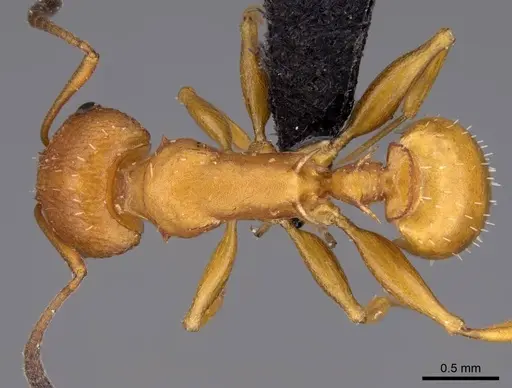
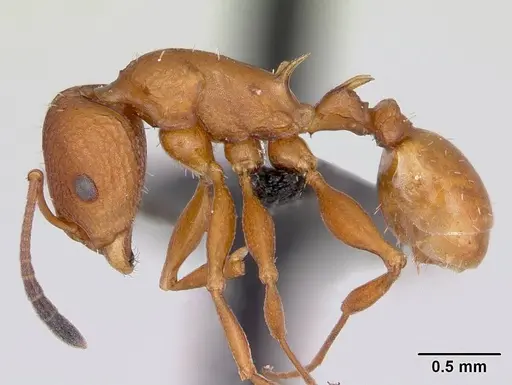
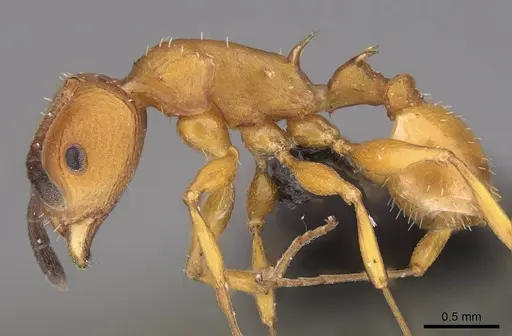
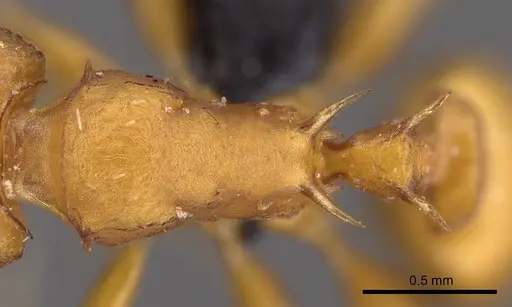
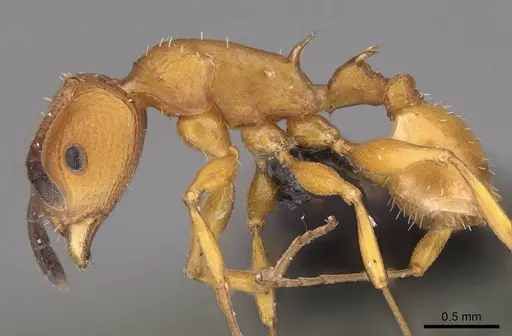
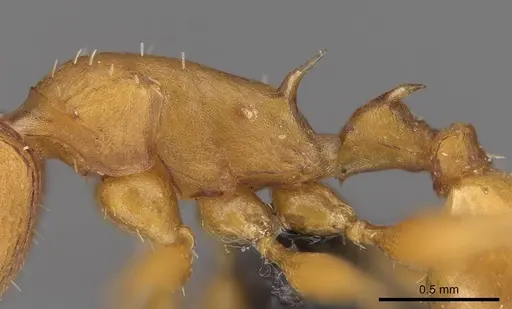
Nesomyrmex hafahafa is a tiny yellow to brown ant native to the western forests of Madagascar. Workers measure approximately 2-3mm in total length, making them one of the smaller ant species you'll encounter in the hobby. What makes them immediately recognizable is their extraordinary spination - they have three pairs of prominent dorsal spines: pronotal spines on the middle body section, propodeal spines on the rear, and uniquely, antero-dorsal spines on the petiole (the narrow 'waist' connecting abdomen to thorax). This bizarre appearance earned them their name - 'hafahafa' means 'weird' in Malagasy . This species is known only from lowland western Madagascar, specifically between 20°S and 23°S latitude at elevations around 70 meters. The type colony was collected in March in the Forêt de Tsinjoriaky, a dry forest region. As a tropical Malagasy species, they likely prefer warm, moderately humid conditions similar to other Nesomyrmex species, though their exact care requirements remain unstudied in captivity.
Quick Summary
- Difficulty: Unknown, no captive husbandry data exists
- Origin & Habitat: Western Madagascar lowland forests,70m elevation, between 20-23°S latitude [1]
- Colony Type: Unconfirmed, colony structure has not been documented in scientific literature
- Size & Growth:
- Queen: ~3-4mm, inferred from Nesomyrmex genus patterns
- Worker: ~2-3mm, inferred from Nesomyrmex genus (head size CS: 1062 µm) [1]
- Colony: Unknown, no colony size data available
- Growth: Unknown
- Development: Unconfirmed, no development data exists for this species (Based on typical Nesomyrmex and small Myrmicinae patterns, expect 6-10 weeks at optimal temperature, but this is entirely estimated)
- Antkeeping:
- Temperature: Estimated 24-28°C based on lowland tropical Madagascar habitat. Provide a gentle gradient if possible.
- Humidity: Estimated 60-80%, western Madagascar forests are humid but not rainforest-wet. Keep substrate moderately moist.
- Diapause: Unknown, no seasonal data available. Tropical species may have reduced activity periods rather than true hibernation.
- Nesting: No specific data exists. Likely nests in soil or rotting wood in nature. For captivity, small test tubes or Y-tong nests with tight chambers scaled to their tiny size would be appropriate.
- Behavior: Unstudied in captivity. Based on genus typical behavior, expect small, active workers that likely forage individually or in small groups. Their tiny size (~2-3mm) means escape prevention is critical, they can squeeze through remarkably small gaps. No data on aggression or sting potency exists, but given their size, any sting would be negligible to humans.
- Common Issues: no captive husbandry data exists, this is an extremely rare species in the antkeeping hobby, tiny size makes escape prevention essential, use fine mesh and tight-fitting lids, growth rate is unknown so beginners may struggle with patience, no information on diet acceptance, experimental feeding will be required, no data on founding behavior, queen care is speculative
Appearance and Identification
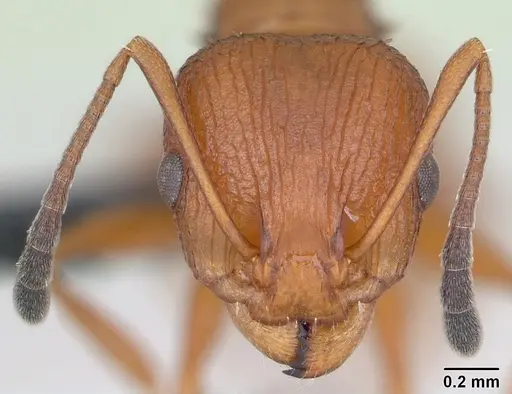
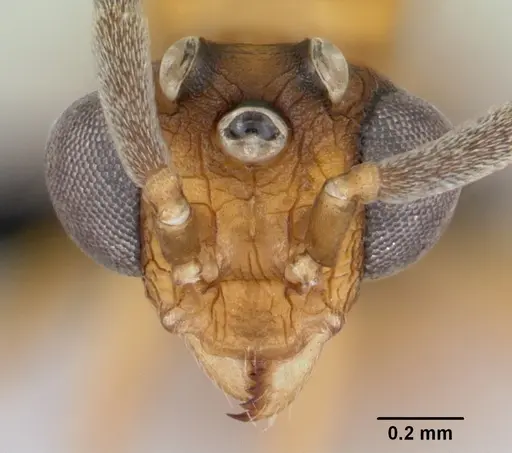
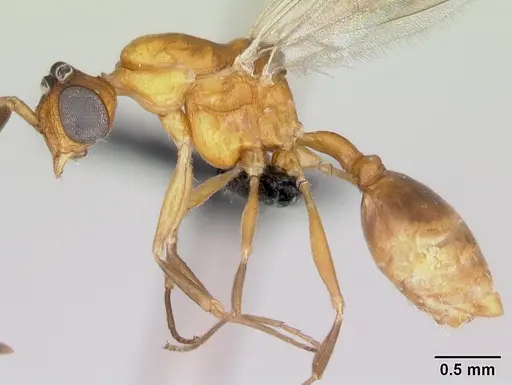
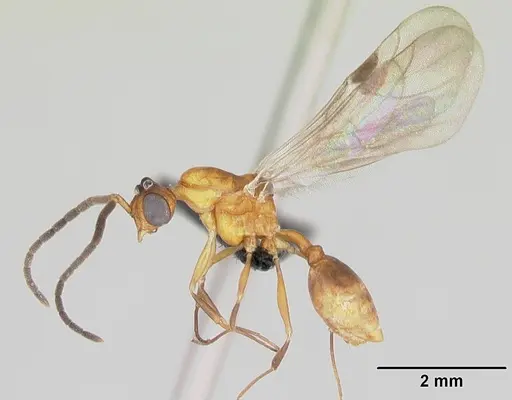
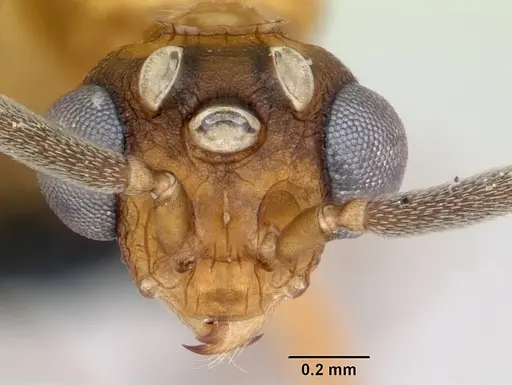
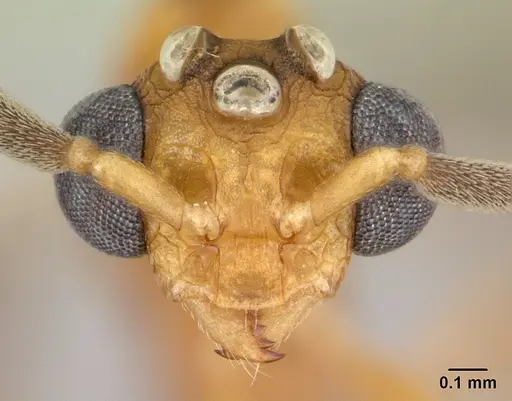
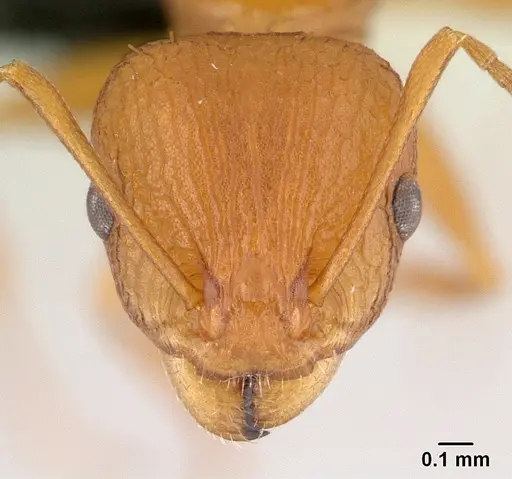
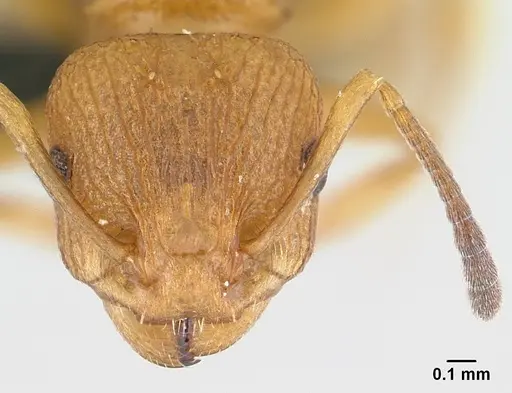
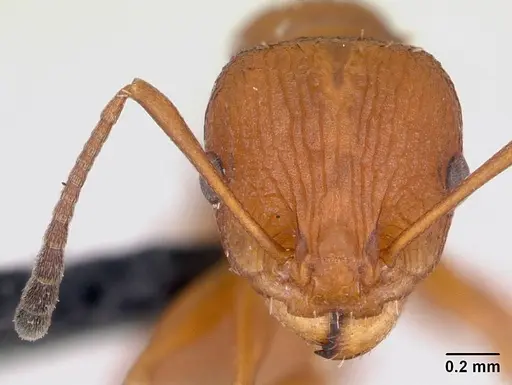
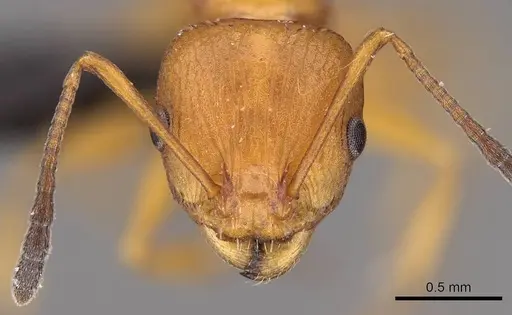
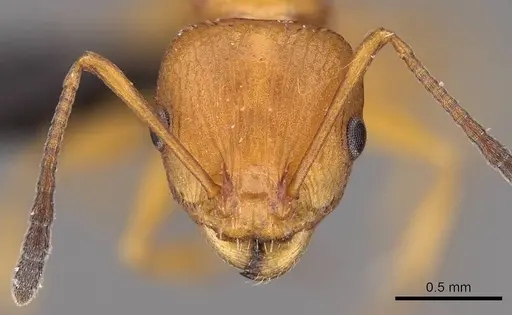
Nesomyrmex hafahafa is instantly recognizable by its extraordinary spination. Workers measure approximately 2-3mm in total length, making them among the smaller ants in the hobby. Their body color ranges from yellow to brown, with only the clava (the clubs at the end of the antennae) being slightly darker than the rest of the body [1]. The most distinctive feature is the three pairs of dorsal spines: pronotal spines on the pronotum, propodeal spines on the propodeum, and uniquely developed antero-dorsal spines on the petiolar node. These spines give them a dramatically spiked appearance unlike almost any other ant species. The propodeal spines are strongly bent, and the anterodorsal petiolar spines diverge from each other at approximately 80° [1]. This unusual morphology is what earned them the name 'hafahafa', the Malagasy word for 'weird' [1].
Natural Distribution
This species is endemic to western Madagascar, where it is widely distributed along the western forests between approximately 23°S and 20°S latitude [1]. The type locality is the Forêt de Tsinjoriaky, located about 6.2 km east of Tsifota at coordinates 22°48'S,43°25'E, at an elevation of just 70 meters above sea level [1]. This is a lowland dry forest habitat, quite different from the humid rainforests of eastern Madagascar. The collection date of March 2002 provides a single data point for when these ants are active, though nuptial flight timing remains completely unknown.
Housing and Nest Setup
No captive husbandry records exist for this species, so recommendations are based on typical Nesomyrmex care and the species' likely natural history. Given their tiny size of 2-3mm, housing must be carefully scaled. Small test tubes with cotton-plugged water reservoirs work well for founding colonies. For established colonies, Y-tong style formicaria with narrow chambers and passages will help them feel secure. Their small size means they can escape through gaps that would hold larger ants, use fine mesh (at least 0.5mm) on all ventilation holes and ensure lid seals are tight. Provide a foraging area that is appropriately scaled, they will be overwhelmed in large, open spaces.
Feeding and Diet
No dietary information exists for this species in scientific literature or antkeeping records. As a small Myrmicinae ant, they likely have a typical omnivorous diet similar to other Nesomyrmex species, accepting sugar sources, honeydew, and small protein prey. Given their tiny size, any prey items must be appropriately small. Start with diluted sugar water or honey, and offer small live prey like fruit flies, pinhead crickets, or other micro-arthropods. Observe carefully for acceptance, and adjust offerings based on colony response. Because no captive feeding data exists, expect an experimental period when establishing their diet preferences.
Temperature and Humidity
The natural habitat of western Madagascar at 70m elevation suggests a tropical but not extreme climate. Based on this, aim for temperatures in the 24-28°C range, with a slight gradient allowing the colony to self-regulate. Western Madagascar experiences seasonal variation, but being lowland tropical, temperatures likely remain warm year-round. Humidity should be moderate, think forest floor conditions rather than rainforest or dry desert. Keep substrate consistently moist but not waterlogged, with some slightly drier areas available. As a species from a relatively dry forest region, they likely tolerate brief periods of lower humidity better than species from true rainforests.
Colony Structure and Development
No scientific data exists on the colony structure of Nesomyrmex hafahafa. The genus Nesomyrmex is known to have various colony structures across species, ranging from single-queen to multiple-queen colonies, but this particular species has not been studied in this regard. Similarly, founding behavior, development times, and colony growth rates remain completely undocumented. For keepers, this means establishing a colony will require patience and careful observation. Expect slow initial growth during the claustral founding period if the queen is claustral (which is typical for most Myrmicinae), followed by gradual worker production. Based on typical small Myrmicinae patterns, the egg-to-worker timeline may be 6-10 weeks at optimal temperature, but this is entirely speculative.
Frequently Asked Questions
How do I care for Nesomyrmex hafahafa ants?
No captive husbandry data exists for this species, it is extremely rare in the antkeeping hobby. Care recommendations are based on typical Nesomyrmex patterns and the species' natural habitat in western Madagascar. Provide a small test tube for founding, maintain temperatures around 24-28°C, keep humidity moderate, and offer small protein prey and sugar sources. Expect an experimental period as you discover their preferences.
What do Nesomyrmex hafahafa eat?
Diet is unconfirmed for this species. Based on typical Nesomyrmex behavior, they likely accept sugar water or honey and small protein prey. Start with diluted sugar water and small live prey like fruit flies. Their tiny size means prey must be appropriately small. Observe carefully for acceptance and adjust accordingly.
How big do Nesomyrmex hafahafa colonies get?
Colony size is unknown, no scientific data exists on maximum colony size for this species. Based on typical Nesomyrmex patterns, colonies likely reach a few hundred workers at most, given their very small worker size.
Do Nesomyrmex hafahafa ants sting?
Sting capability is unstudied. Given their extremely small size (2-3mm), any sting would likely be negligible to humans, too small to penetrate skin effectively.
What temperature do Nesomyrmex hafahafa need?
Temperature requirements are estimated based on their lowland Madagascar habitat. Aim for 24-28°C, providing a gentle gradient so the colony can self-regulate. This is a tropical species from around 70m elevation.
How long does it take for Nesomyrmex hafahafa to develop from egg to worker?
Development timeline is completely unconfirmed, no scientific data exists for this species. Based on typical small Myrmicinae patterns, expect approximately 6-10 weeks at optimal temperature, but this is entirely speculative.
Are Nesomyrmex hafahafa good for beginners?
This species is not recommended for beginners. No captive husbandry information exists, making them an experimental species suitable only for experienced antkeepers willing to document their discoveries. The lack of any established care protocols means keepers must be prepared for a trial-and-error approach.
Can I keep multiple Nesomyrmex hafahafa queens together?
Colony structure is unconfirmed for this species. No data exists on whether they are monogyne (single queen), polygyne (multiple queens), or something else. Combining unrelated queens is not recommended due to lack of information about their social structure.
Do Nesomyrmex hafahafa need hibernation?
Diapause requirements are unknown. As a tropical species from lowland Madagascar, they likely do not require true hibernation. They may have reduced activity periods during cooler months, but this is speculative.
Why is Nesomyrmex hafahafa called 'weird ant'?
The species name 'hafahafa' comes from the Malagasy word meaning 'weird' or 'strange.' This refers to their unusual morphology, specifically the three pairs of prominent dorsal spines (pronotal, propodeal, and petiolar spines) that give them a dramatically spiked appearance unlike most other ant species [1].
Report an Issue
The current care sheet is based fully on literature. See inconsistencies, or something that's incorrect? Please , it will be resolved after review from an admin. Contributing to the blogs tab also helps providing information, to make us be able to further improve the caresheets. Thank you for your support!
References

This caresheet is licensed under CC BY-SA 4.0 .
Community Blogs
CASENT0002660
View on AntWeb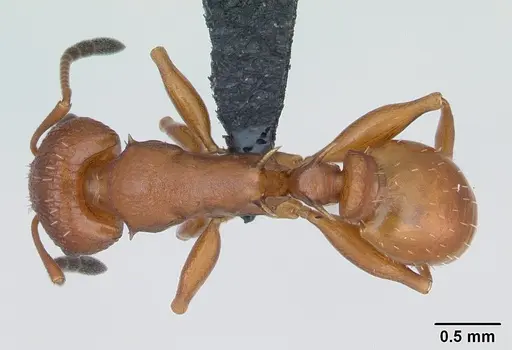
CASENT0007798
View on AntWeb
CASENT0053313
View on AntWeb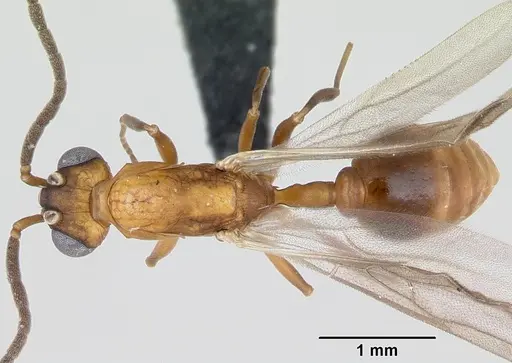
CASENT0451362
View on AntWeb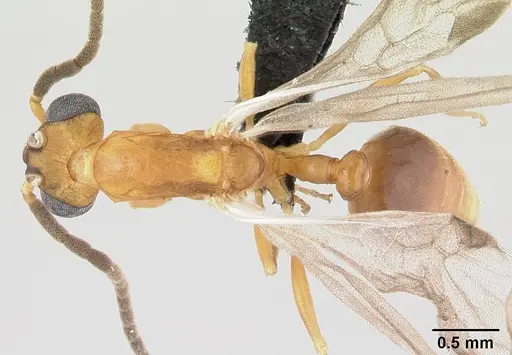
CASENT0451364
View on AntWeb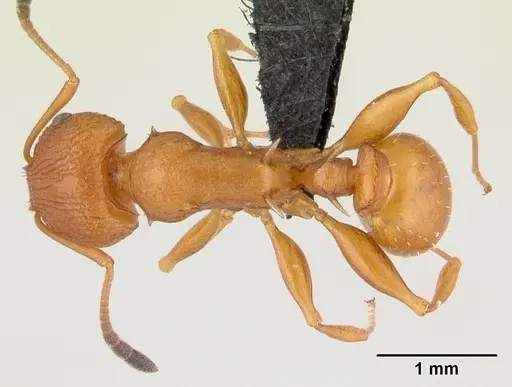
CASENT0459572
View on AntWeb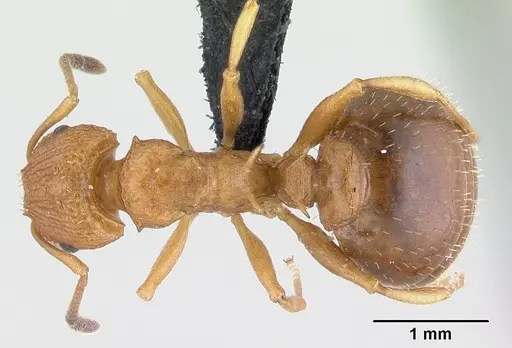
CASENT0460666
View on AntWeb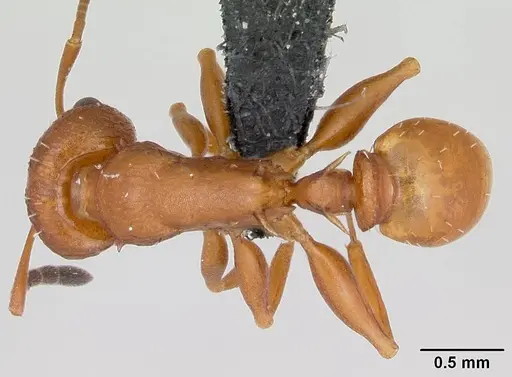
CASENT0746771
View on AntWeb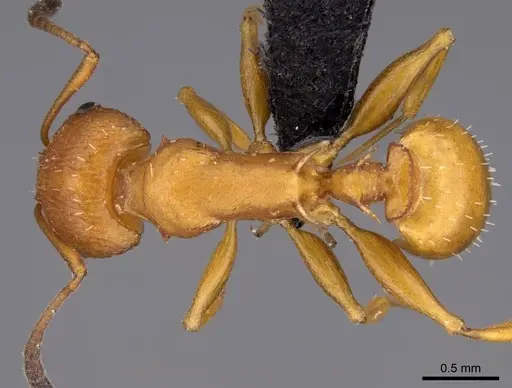
Literature
Loading distribution map...Loading products...