
Nesomyrmex exiguus
- Sci. Name
- Nesomyrmex exiguus
- Tribe
- Crematogastrini
- Subfamily
- Myrmicinae
- Author
- Csősz & Fisher, 2016
- Distribution
- Found in 1 countries
Introduction
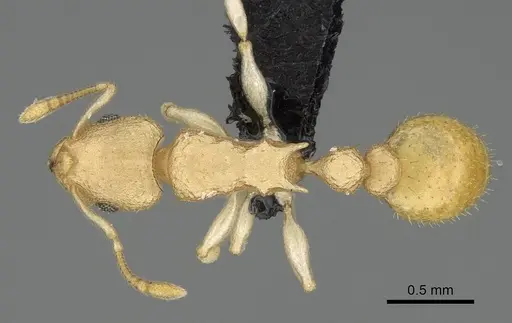
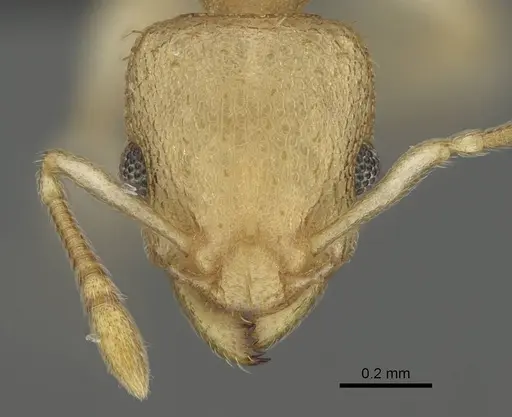
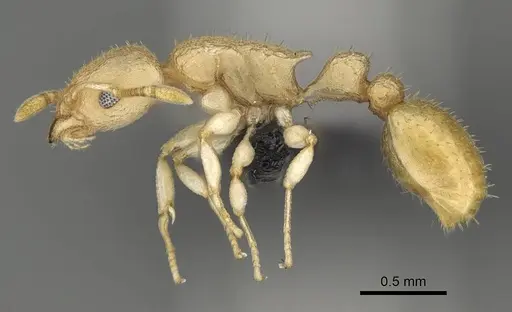
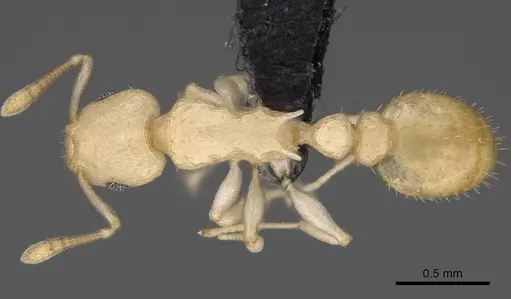
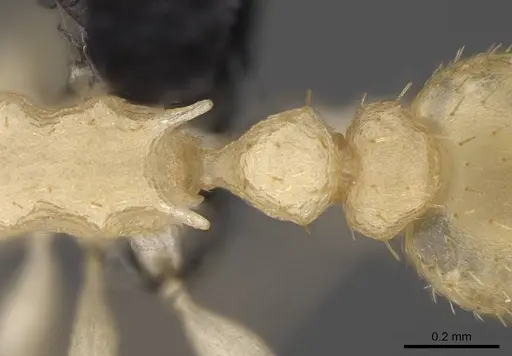
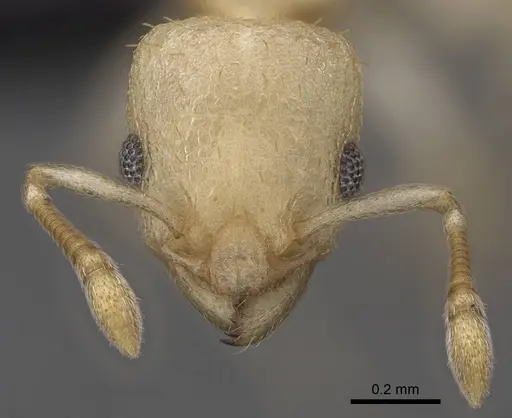
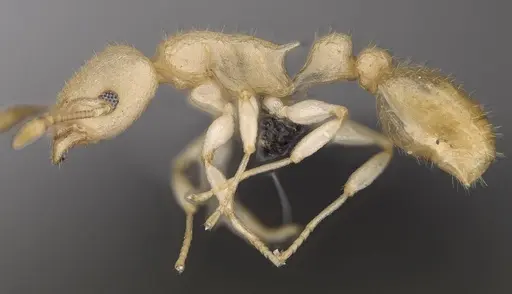
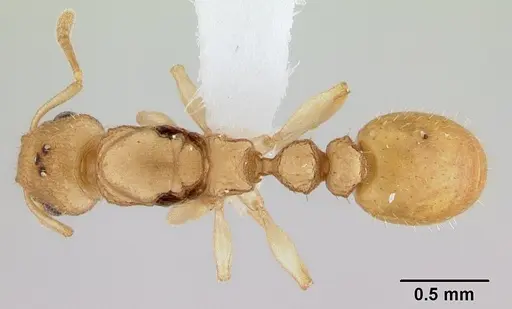
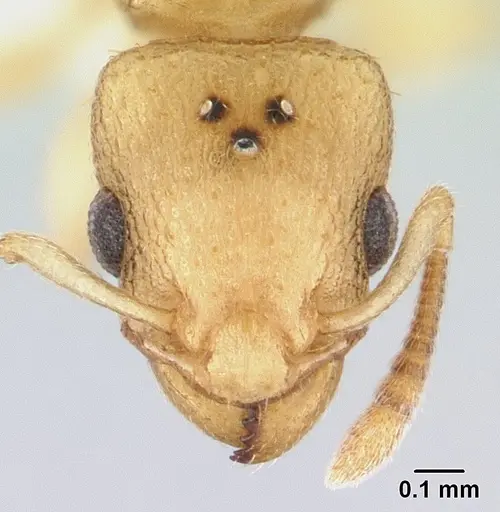
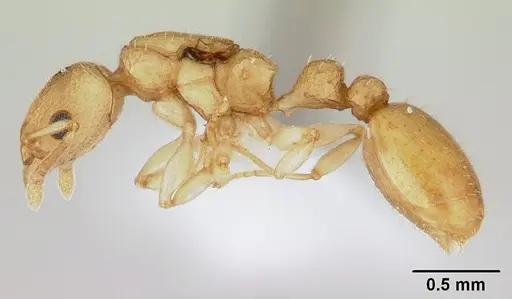
Nesomyrmex exiguus is a tiny ant species endemic to northern Madagascar. Workers are very small, measuring approximately 2-3mm in total length, with a yellow to brown coloration that is uniform throughout the body. They have distinctive propodeal spines on the back of their mesosoma and a 12-segmented antenna. This species was formally described in 2016 and belongs to the angulatus species group within the genus Nesomyrmex. The name 'exiguus' means 'strict' or 'exact' and refers to the fact that this species is relatively easy to distinguish from related species using morphometric ratios . These ants inhabit the littoral rainforest and tropical dry forest of northern Madagascar. They occur syntopically (in the same areas) with Nesomyrmex gracilis in the northern dry bioclimatic zone. This is a rarely kept species in captivity, and much of its biology remains unstudied. Based on its small size and tropical origin, it will likely require warm, humid conditions similar to other small Myrmicinae from Madagascar .
Quick Summary
- Difficulty: Unknown, likely Medium due to small size and specific habitat requirements
- Origin & Habitat: Endemic to northern Madagascar, specifically the dry bioclimatic zone. Found in littoral rainforest and tropical dry forest habitats [1][2].
- Colony Type: Colony structure is unconfirmed. Likely monogyne (single queen) based on typical Nesomyrmex patterns, but this has not been documented.
- Size & Growth:
- Queen: Size data unavailable, no queen measurements exist for this species
- Worker: Approximately 2-3mm total length, inferred from Nesomyrmex genus patterns (head measurements suggest small body size) [1]
- Colony: Unknown, no colony size data available
- Growth: Unknown, likely moderate based on small worker size
- Development: Unconfirmed, no development data exists for this species (No direct development data exists for this species. Estimates based on genus-level patterns for small tropical ants would be speculative.)
- Antkeeping:
- Temperature: Likely needs warm conditions around 24-28°C based on Madagascar tropical origin. Provide a gentle temperature gradient allowing workers to self-regulate.
- Humidity: Requires moderate to high humidity (60-80%) matching its littoral rainforest and dry forest habitat. Keep nest substrate consistently moist but not waterlogged.
- Diapause: Unknown, tropical species may not require true diapause but may slow activity during cooler periods.
- Nesting: No specific nesting data exists. Likely nests in small cavities in rotting wood, leaf litter, or under stones in captivity. A Y-tong or plaster nest with small chambers would be appropriate.
- Behavior: Behavior is unstudied in captivity. Based on genus patterns, they are likely generalist foragers that scavenge for small prey and tend honeydew-producing insects. Their tiny size means excellent escape prevention is critical, they can squeeze through standard test tube cotton and mesh barriers. Handle with care as they may be defensive when disturbed. As Myrmicinae, they have a smear-type defense mechanism using a modified stinger to wipe venom onto enemies rather than piercing flesh.
- Common Issues: tiny size makes escape likely without fine mesh barriers, humidity control is critical, too dry causes colony decline, no captive husbandry information exists, experimental care required, slow colony growth may frustrate keepers expecting fast development, wild-caught colonies may have parasites specific to this rarely collected species
Appearance and Identification
Nesomyrmex exiguus workers are tiny ants, measuring approximately 2-3mm in total length. Their body color ranges from yellow to brown and is concolorous, meaning the entire body is the same color without distinct markings. They have propodeal spines (back spines) that are straight to slightly bent, and their head has parallel to anteriorly-converging sides. The species can be distinguished from related Nesomyrmex by the absence of a median clypeal notch and the lack of an anterolateral pronotal corner. Combined morphometric ratios (PPW/ML and CW/SPST) separate it from similar species like N. bidentatus and N. fragilis [1].
Distribution and Habitat
This species is endemic to Madagascar and restricted to the northern dry area of the island. It inhabits both littoral rainforest and tropical dry forest environments. A single locality (Forêt d'Andavakoera) is known in rainforest close to other known localities in the northern dry bioclimatic zone. The species occurs syntopically with Nesomyrmex gracilis from the N. devius complex in northern Madagascar. Two samples collected from far southern localities were likely transported there by humans, as the species is naturally restricted to the north [1][2].
Nest Preferences and Housing
No specific nesting data exists for this species in captivity. Based on its habitat in littoral rainforest and dry forest, it likely nests in small cavities in rotting wood, leaf litter, or under stones in the wild. For captivity, a Y-tong or plaster nest with small, tight chambers scaled to their tiny size would be appropriate. The chambers should be narrow, these are very small ants. Provide a water reservoir connected to the nest to maintain humidity without flooding. Escape prevention is critical due to their minute size, use fine mesh barriers and tightly fitting lids [1].
Temperature and Humidity Requirements
As a tropical species from Madagascar, these ants likely require warm conditions around 24-28°C. Provide a gentle temperature gradient so workers can self-regulate by moving between warmer and cooler areas. Humidity needs are moderate to high (60-80%), reflecting their littoral rainforest and dry forest habitat. Keep the nest substrate consistently moist but not waterlogged. Monitor for condensation, some moisture is good but standing water should be avoided. A small water tube connected to the nest works well for maintaining stable humidity [1].
Feeding and Diet
No specific dietary data exists for this species. As a small Myrmicinae, they likely scavenge for small insects, honeydew, and nectar in the wild. In captivity, offer small protein sources like fruit flies, pinhead crickets (cut to appropriate size), and mealworms. Sugar water or honey can be offered as an energy source. Given their tiny size, prey items should be very small. Feed small amounts several times per week rather than large meals less frequently. Remove uneaten prey to prevent mold issues [2].
Colony Development and Growth
No specific development data exists for Nesomyrmex exiguus. Development timeline from egg to worker is unconfirmed, no research has documented this species' development. Queen size is unconfirmed as no queen measurements exist. Colony size in the wild is unknown, no colony census data exists. In captivity, expect slow initial growth during the claustral founding period, followed by gradual colony expansion. The first workers (nanitics) will be smaller than mature workers [1].
Behavior and Temperament
Specific behavioral observations for N. exiguus are lacking in scientific literature. Based on genus patterns, they are likely generalist foragers that search for small prey and honeydew. Their tiny size makes them vulnerable to predation, so they may be secretive and prefer to stay within the nest when possible. They have typical Myrmicinae defensive behaviors, including a smear-type defense mechanism where they wipe venom onto enemies rather than piercing with a stinger. The critical husbandry concern is their minute size, they require excellent escape prevention with fine mesh barriers [1].
Frequently Asked Questions
How long does it take for Nesomyrmex exiguus to produce first workers?
The egg-to-worker timeline is unconfirmed for this species. No research has documented development time. Expect several months for the claustral founding period before the first nanitics emerge.
What size nest do Nesomyrmex exiguus ants need?
Use a nest with very small, tight chambers scaled to their tiny 2-3mm worker size. A Y-tong or plaster nest with narrow passages works well. Avoid large, open spaces that could cause stress. The key is chambers that are snug around the ants.
Do Nesomyrmex exiguus ants need hibernation?
Diapause requirements are unknown. As a tropical Madagascar species, they likely do not require true hibernation. However, they may slow activity during cooler periods. Maintain warm temperatures year-round (24-28°C) for optimal colony development.
What do Nesomyrmex exiguus ants eat?
Diet is unconfirmed but likely consists of small insects, honeydew, and nectar. In captivity, offer small protein sources like fruit flies, tiny crickets, and mealworms. Sugar water or honey can be provided as an energy source. Prey items must be very small due to their minute size.
Are Nesomyrmex exiguus ants aggressive or do they sting?
Aggression levels are unstudied. As Myrmicinae, they have a smear-type defense where they wipe venom onto attackers rather than sting. Their tiny size likely makes this defense ineffective against humans. They are probably defensive only when the nest is directly threatened.
How big do Nesomyrmex exiguus colonies get?
Maximum colony size is unknown, no wild colony census data exists. Based on their tiny worker size, colonies are likely smaller than many common ant species, possibly reaching dozens to low hundreds of workers over time.
Can I keep multiple Nesomyrmex exiguus queens together?
Colony structure is unconfirmed. The typical Nesomyrmex pattern suggests single-queen colonies, but this has not been documented for N. exiguus. Do not combine unrelated foundress queens unless you observe them founding peacefully, many ant species are aggressive toward unfamiliar queens.
Why are my Nesomyrmex exiguus ants escaping?
Their tiny 2-3mm size makes them expert escape artists. Standard test tube cotton and regular mesh barriers will not contain them. Use fine mesh (at least 0.5mm or smaller), tightly fitting lids, and apply barrier coatings like fluon to all edges. Check for any gaps daily.
Is Nesomyrmex exiguus a good species for beginners?
This species is not recommended for beginners. It has never been kept in captivity before, so no established husbandry protocols exist. Additionally, their minute size requires specialized equipment and careful attention to escape prevention. Only experienced antkeepers should attempt this species.
Where is Nesomyrmex exiguus native to?
This species is endemic to northern Madagascar. It lives in littoral rainforest and tropical dry forest in the dry bioclimatic zone of the island. It is not found anywhere else in the world naturally.
Report an Issue
The current care sheet is based fully on literature. See inconsistencies, or something that's incorrect? Please , it will be resolved after review from an admin. Contributing to the blogs tab also helps providing information, to make us be able to further improve the caresheets. Thank you for your support!
References

This caresheet is licensed under CC BY-SA 4.0 .
Community Blogs
Literature
Loading distribution map...Loading products...