
Nesomyrmex brunneus
- Sci. Name
- Nesomyrmex brunneus
- Tribe
- Crematogastrini
- Subfamily
- Myrmicinae
- Author
- Csősz & Fisher, 2016
- Distribution
- Found in 1 countries
Introduction
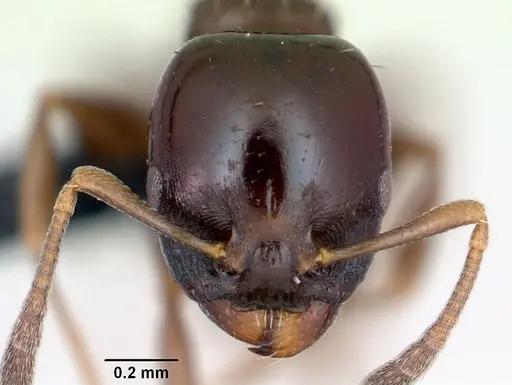
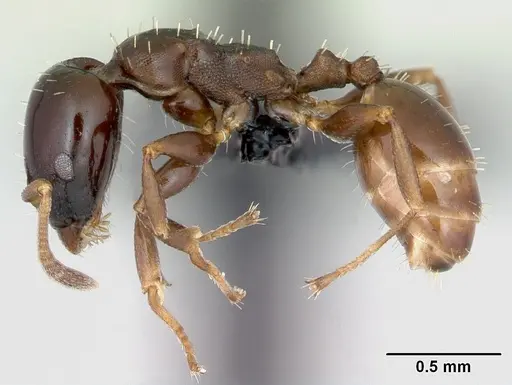
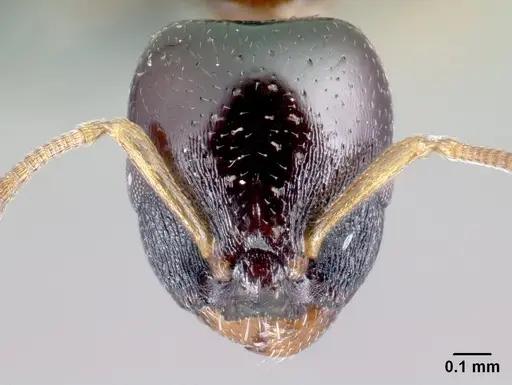
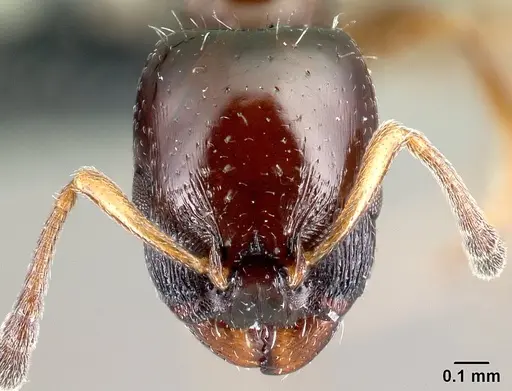
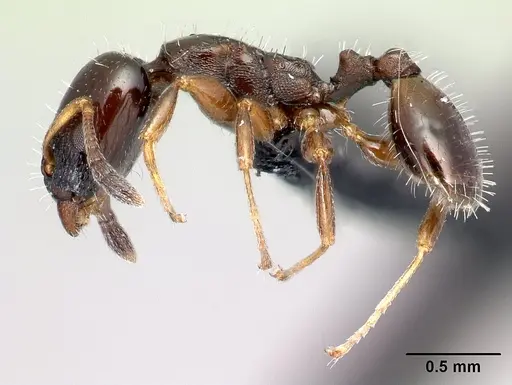
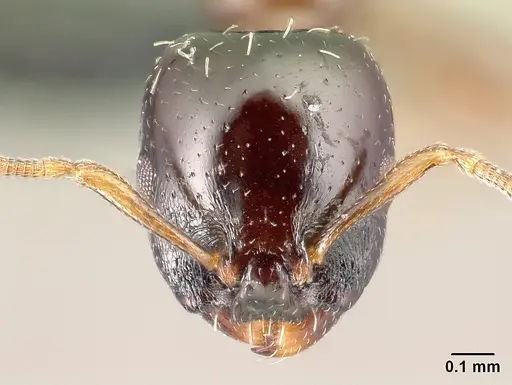
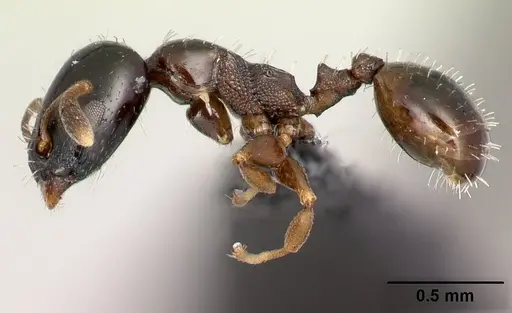
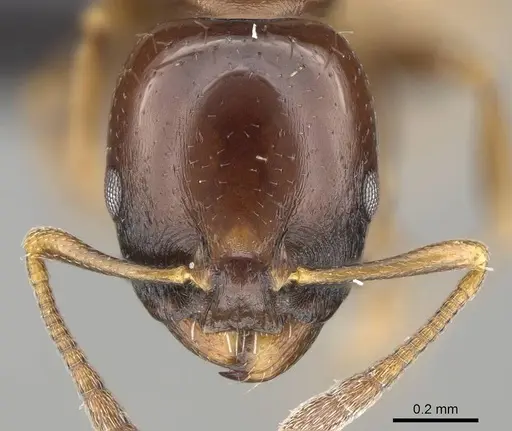
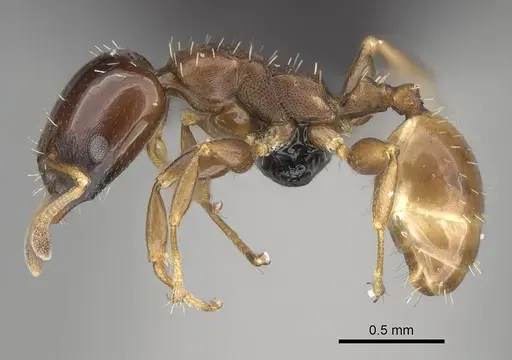
Nesomyrmex brunneus is a small ant species native to the rainforests of northern Madagascar. Workers are dark brown to black throughout their body, giving them a uniform appearance that inspired their species name 'brunneus' (meaning brown). They are found exclusively in the canopy, living in moss, leaf litter, and rotting branches high in the forest - they do not nest in the ground. This makes them unusual in the antkeeping hobby, as most readily available species are ground-nesting. The species was formally described in 2016,so there is very limited information available about their full biology and behavior in the wild.
Quick Summary
- Difficulty: Expert
- Origin & Habitat: Northern Madagascar rainforests at elevations of 25-800 meters, with one southern population in Isalo National Park. They live exclusively in the canopy, found in moss, leaf litter, and rotten pockets of live branches [1][2].
- Colony Type: Colony structure is unconfirmed. No data available on whether they are single-queen or multi-queen colonies.
- Size & Growth:
- Queen: Size data unavailable, no documented queen measurements for this species
- Worker: Approximately 2-4mm total length, inferred from Nesomyrmex genus patterns [1]
- Colony: Unknown, no colony size data available
- Growth: Unknown, no development data available for this species
- Development: Unconfirmed, no direct measurements available. (This is a newly described species with no published development data.)
- Antkeeping:
- Temperature: Keep at 22-26°C. Madagascar is tropical, so they prefer warm, stable conditions.
- Humidity: High humidity is essential, these are rainforest canopy ants. Keep substrate consistently moist but not waterlogged.
- Diapause: Unlikely to require true hibernation. As a tropical species from Madagascar, they do not need a full diapause period. Keep them at stable temperatures year-round.
- Nesting: Canopy-dwelling species, they prefer humid, enclosed spaces like those found in rotting wood or dense moss. In captivity, a Y-tong (AAC) nest or plaster nest with high humidity works well. Avoid dry, open setups.
- Behavior: Behavior is poorly documented. As a Nesomyrmex species, they are likely moderate foragers with typical Myrmicinae behavior. Their small size and canopy habitat suggest they are agile climbers. Escape prevention should be moderate, they can squeeze through small gaps. They have a smear defense mechanism typical of Myrmicinae, using a flattened stinger to wipe venom onto enemies rather than piercing.
- Common Issues: high humidity requirements can lead to mold problems if ventilation is inadequate, canopy-dwelling nature means standard ground-nesting setups may not be suitable, lack of available care information makes troubleshooting difficult, newly described species means captive breeding success stories are rare or nonexistent, tropical humidity needs may conflict with room conditions in dry climates
Housing and Nest Setup
Nesomyrmex brunneus presents unique housing challenges due to their canopy-dwelling lifestyle. Unlike most ant species kept in captivity, they do not naturally nest in soil. Instead, they inhabit humid microhabitats in rotting branches and moss high in the rainforest canopy. For captive care, a Y-tong (AAC) nest or a plaster nest with built-in water reservoir works best. These setups allow you to maintain the high humidity they need while providing a dark, enclosed space that mimics their natural canopy microhabitats. Avoid dry setups like bare test tubes or acrylic nests without humidity control. The nest should have small chambers scaled to their size, with plenty of humid retreats available. An outworld with natural materials like cork bark, moss, and small twigs can help them feel at home. [1][2]
Temperature and Humidity Management
As a tropical rainforest species from Madagascar, these ants need warm and humid conditions. Maintain temperatures between 22-26°C, avoiding sudden drops or cold drafts. A small heating cable on one side of the nest can create a gentle gradient, allowing the colony to self-regulate their temperature preference. Humidity is critical, the substrate or nest material should feel consistently moist but never waterlogged. Monitor for condensation, which is normal and indicates good humidity, but excessive pooling can drown colonies. In dry climates, you may need to mist the area around the nest or use a humidifier. Good ventilation is also important to prevent mold, but avoid placing the nest in direct airflow that could dry it out. [1]
Feeding and Diet
Diet for this species is not documented in scientific literature, so you will need to experiment based on what related Nesomyrmex species typically accept. As Myrmicinae ants, they are likely omnivorous, accepting both protein sources and sugar. Offer small live prey appropriate to their size, such as fruit flies, small crickets, or mealworms. They may also accept sugar water, honey, or diluted maple syrup. Start with small amounts and observe what the colony takes. Remove any uneaten food after 24-48 hours to prevent mold. Because this is a newly described species with no established captive diet, be prepared to try various foods and document what works. The canopy-dwelling nature suggests they may be more arboreal in their foraging, so consider offering food in elevated positions in the outworld.
Colony Establishment and Growth
Since this species was only described in 2016,there is very little information about colony founding or development. The founding type has not been documented. If you acquire a founding queen, provide a small, humid setup and do not disturb her. Do not offer food until the first workers emerge, as this is typical for claustral species. Growth rate is unknown. Colonies likely remain small. Patience is essential with this species, as there are few success stories to learn from. Document your experience carefully to help build knowledge for other keepers. [1]
Challenges and Considerations
Nesomyrmex brunneus is not a species for beginners. The combination of specific canopy-dwelling habitat needs, high humidity requirements, and very limited available care information makes this an expert-level species. You will likely be pioneering captive care for this ant, which means experimenting with setups and documenting results. There are no established breeding protocols or well-known success formulas. Additionally, this species is not commonly available in the antkeeping hobby, you may need to connect with specialized collectors or researchers to acquire a colony. Before purchasing, ensure you can provide the warm, humid, arboreal-style housing they need. Consider whether your local climate and equipment can maintain the stable conditions this tropical species requires year-round. [1]
Frequently Asked Questions
Is Nesomyrmex brunneus a good species for beginners?
No, this is not a beginner species. They require high humidity setups typical of rainforest canopy ants, and there is very little established care information since the species was only described in 2016. You will likely be pioneering captive care techniques.
What type of nest should I use for Nesomyrmex brunneus?
Use a Y-tong (AAC) nest or plaster nest with humidity control. These ants are canopy dwellers found in rotting wood and moss, not ground-nesters. They need enclosed, humid spaces, standard dry test tube setups are not suitable.
What temperature do Nesomyrmex brunneus ants need?
Keep them at 22-26°C. As a tropical species from Madagascar, they prefer warm, stable conditions year-round. Avoid temperatures below 20°C or sudden temperature changes.
How long does it take for Nesomyrmex brunneus to develop from egg to worker?
The exact development time is unconfirmed for this species. There is no published data on development timeline.
Do Nesomyrmex brunneus ants need hibernation?
Probably not. As a tropical species from Madagascar, they likely do not require a true diapause period. Keep them at stable warm temperatures year-round rather than attempting hibernation.
How big do Nesomyrmex brunneus colonies get?
Colony size is unknown, no data has been published.
What do Nesomyrmex brunneus ants eat?
Diet is not documented, but they likely accept small live prey and sugar sources. Start with small offerings and observe what they accept. Remove uneaten food promptly.
Are Nesomyrmex brunneus ants aggressive or do they sting?
Aggression levels are not documented. As small Myrmicinae, they likely have the ability to defend but are not considered dangerous to humans. Their defense uses a smear mechanism typical of the subfamily.
Can I keep multiple queens together in Nesomyrmex brunneus?
Colony structure is unconfirmed for this species. There is no data on whether multiple queens can be kept together or how they establish colonies.
Where does Nesomyrmex brunneus live in the wild?
They are found only in northern Madagascar rainforests at elevations of 25-800 meters. They live exclusively in the canopy, in moss, leaf litter, and rotting branches, not on the ground.
Is Nesomyrmex brunneus available in the antkeeping hobby?
This species is very rarely available. It was only described in 2016 and is not commonly kept. You would likely need to connect with specialized ant collectors or researchers to acquire a colony.
Why is Nesomyrmex brunneus difficult to keep?
They require specific canopy-dwelling setups with high humidity, there is almost no established care information, and they are rarely available in the hobby. They are an expert-level species best suited for experienced keepers willing to experiment and document their findings.
Report an Issue
The current care sheet is based fully on literature. See inconsistencies, or something that's incorrect? Please , it will be resolved after review from an admin. Contributing to the blogs tab also helps providing information, to make us be able to further improve the caresheets. Thank you for your support!
References

This caresheet is licensed under CC BY-SA 4.0 .
Community Blogs
CASENT0008660
View on AntWeb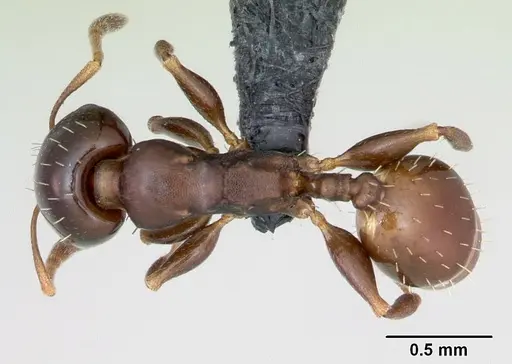
CASENT0082404
View on AntWeb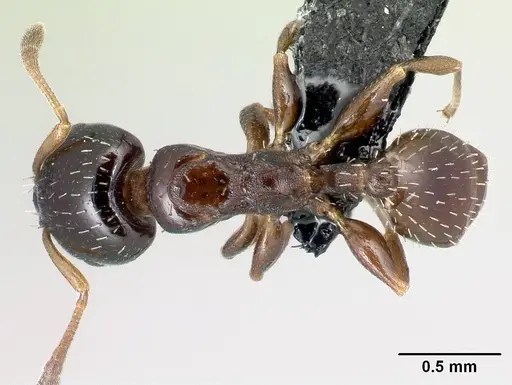
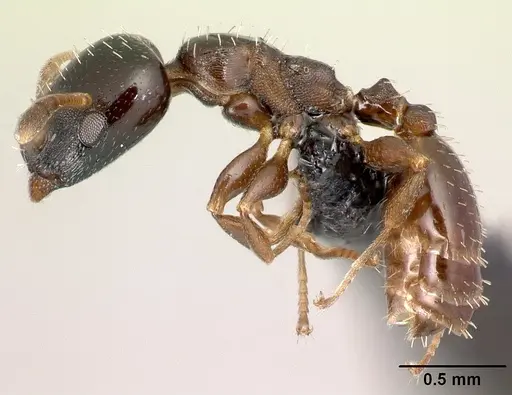
CASENT0107525
View on AntWeb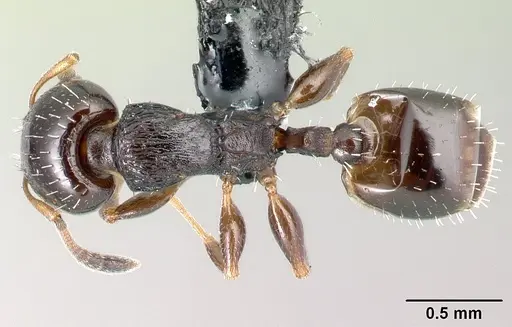
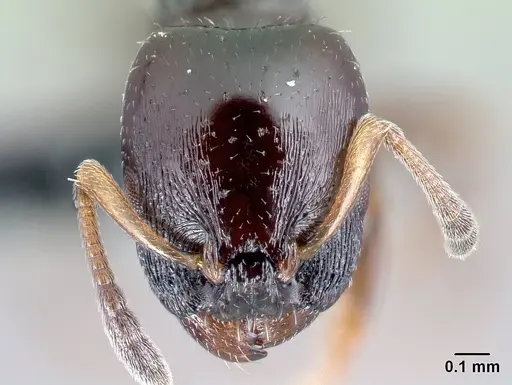
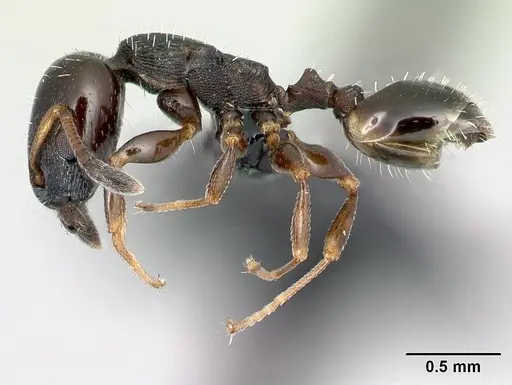
CASENT0418241
View on AntWeb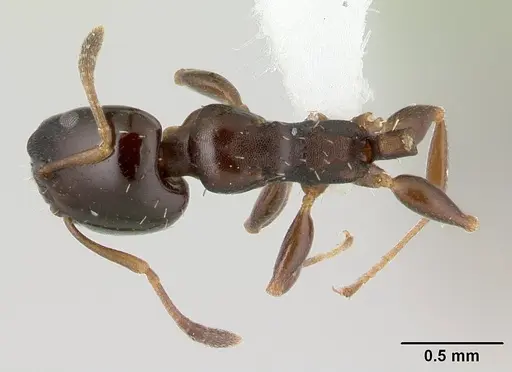
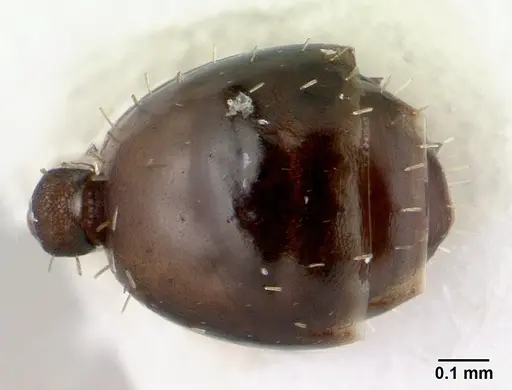
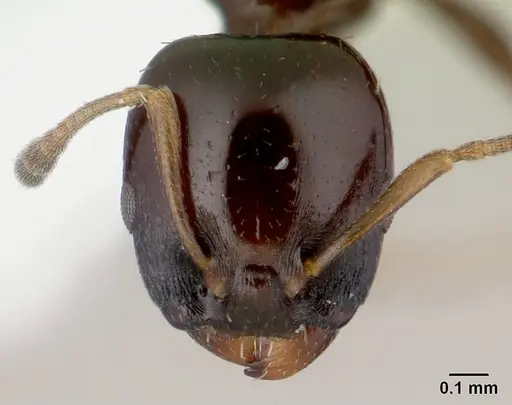
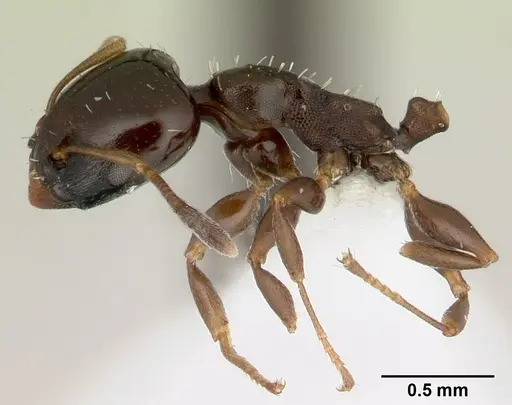
CASENT0418242
View on AntWeb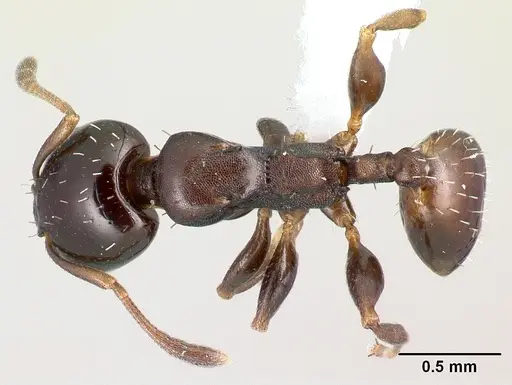
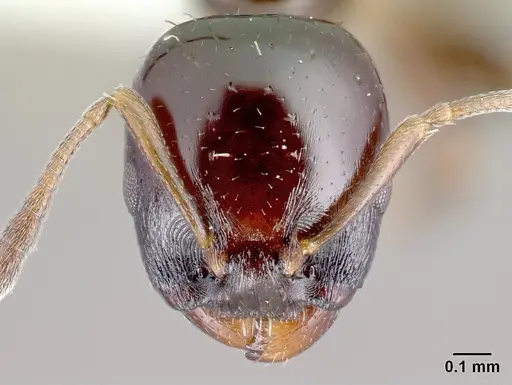
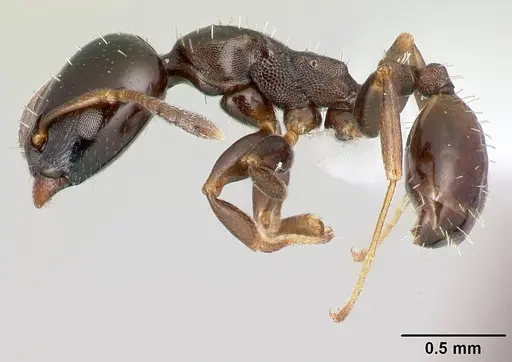
CASENT0428256
View on AntWeb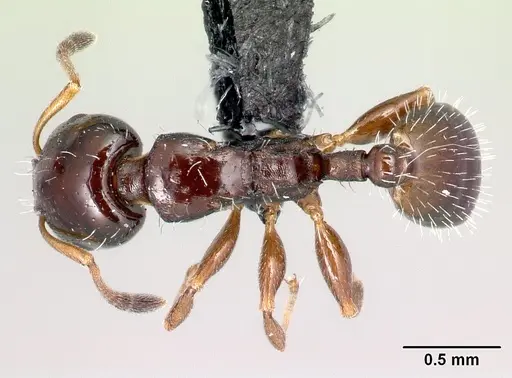
CASENT0488569
View on AntWeb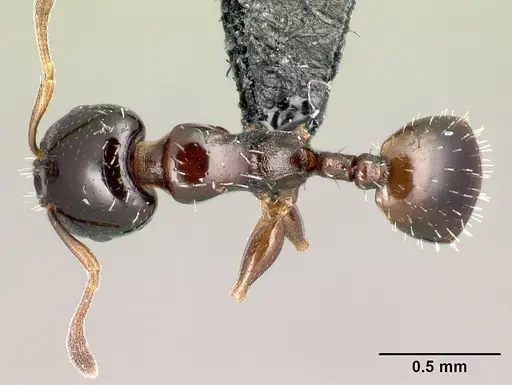
CASENT0919844
View on AntWeb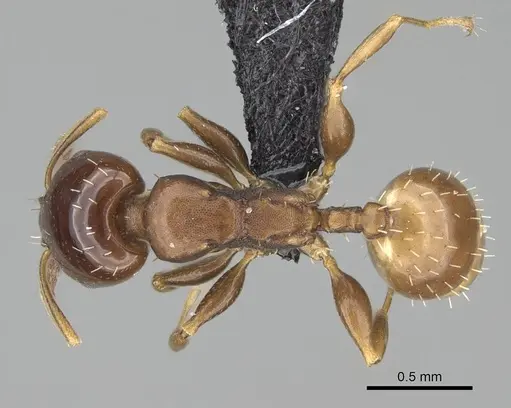
Literature
Loading distribution map...Loading products...