
Nesomyrmex brasiliensis
- Sci. Name
- Nesomyrmex brasiliensis
- Tribe
- Crematogastrini
- Subfamily
- Myrmicinae
- Author
- Kempf, 1958
- Distribution
- Found in 1 countries
Introduction
Nesomyrmex brasiliensis is a small Neotropical ant species native to Brazil and Ecuador. Workers are slender Myrmicinae ants with a two-segmented waist typical of the tribe Crematogastrini. The species was first described as *Leptothorax brasiliensis* by Kempf in 1958 and later moved to the genus *Nesomyrmex* by Bolton in 2003 . These ants live in the Amazon Basin and surrounding regions, including the Cerrado savanna of Brazil . They are canopy-dwelling, collected by fogging trees in Amazonian forests . This is a rarely kept species in captivity with very limited care information available.
Quick Summary
- Difficulty: Unknown – insufficient data for difficulty rating
- Origin & Habitat: Brazil (Pernambuco, Pará, Marabá) and Ecuador in the Neotropical region. Found in Amazonian forests and Cerrado savanna habitats. Collected from the canopy layer in tropical forest plantations [1][2][4][3].
- Colony Type: Unconfirmed colony structure. The genus *Nesomyrmex* typically forms single-queen colonies, but this has not been documented for this species.
- Size & Growth:
- Queen: Unknown – not documented in available literature
- Worker: Unknown – not documented in available literature
- Colony: Unknown – no colony size data available
- Growth: Unknown – no development data available
- Development: Unknown – no development data available for this species (No direct measurements exist. Development times can only be guessed based on general patterns, which is unreliable for this species.)
- Antkeeping:
- Temperature: Estimated 24-28°C based on tropical Amazonian origin. Start in the mid-20s and observe colony activity. Adjust based on behavior – workers should be active and foraging consistently.
- Humidity: Estimated moderate to high – keep the nest substrate consistently moist but not waterlogged. Provide a water tube for drinking water.
- Diapause: Unknown – since this is a tropical species, it likely does not require a winter diapause, but it may slow down during cooler periods.
- Nesting: Likely prefers arboreal or elevated nesting sites given canopy collection records [4]. A test tube setup works for founding, but consider naturalistic or Y-tong style nests for established colonies. Provide climbing structures.
- Behavior: Behavior is poorly documented. Like other members of tribe Crematogastrini, this species uses a modified flattened stinger to smear venom onto enemies rather than piercing. Based on typical genus behavior, these are likely generalist foragers with moderate activity levels. Escape risk is unknown due to lack of size data – use standard barrier precautions. No sting severity is documented.
- Common Issues: limited availability – difficult to acquire for hobbyists, no established captive breeding protocols – wild colonies are the primary source, tropical humidity requirements may be challenging to maintain consistently, escape prevention should be taken seriously despite unknown exact size, lack of documented care means keepers are essentially pioneering husbandry methods – be prepared to experiment and record observations
Distribution and Natural Habitat
Nesomyrmex brasiliensis is found exclusively in South America, specifically Brazil and Ecuador. In Brazil, specimens have been recorded from Pernambuco state (including the type locality of Caruaru), Pará state (including Marabá), and the Cerrado region [1][2][3]. The species was originally described from northeastern Brazil and has since been documented in the Amazon Basin. These ants are primarily canopy-dwelling, having been collected through fogging of trees in Amazonian forests, particularly from jacareúba (Calophyllum brasiliense) trees in central Amazonia [4]. This arboreal lifestyle distinguishes them from many ground-nesting ant species.
Taxonomy and Identification
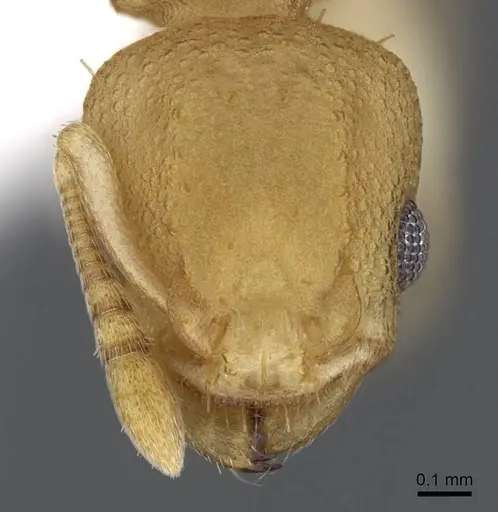
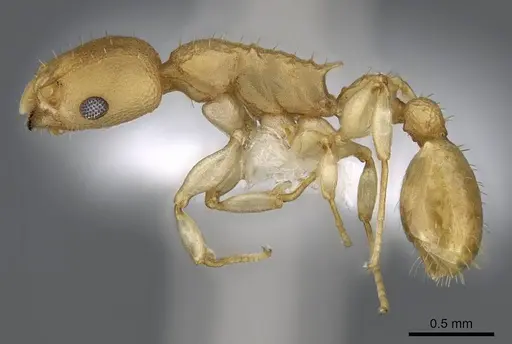
Nesomyrmex brasiliensis was originally described as Nesomyrmex brasiliensis by Kempf in 1958 before being transferred to the genus Nesomyrmex by Bolton in 2003 [1]. The species belongs to the tribe Crematogastrini within the subfamily Myrmicinae. Type specimens include workers and a queen (gyne) collected from Caruaru, Pernambuco, Brazil in December 1927 [1]. Visual identification requires examination under magnification, focusing on the two-segmented petiole, head shape, and sculpturing patterns typical of the genus. For accurate identification, comparison with type specimens or expert verification is recommended.
Estimated Care Requirements
Since no captive care documentation exists for this species, keepers must make informed estimates based on the ant's natural history. As a tropical Amazonian species collected from forest canopy [4], N. brasiliensis likely requires warm temperatures (24-28°C) and moderate to high humidity. A test tube setup with a water reservoir works well for colony founding. For established colonies, consider naturalistic setups with climbing structures to accommodate their arboreal tendencies. Feed a varied diet including sugar sources (honey water or sugar water) and protein (small insects like fruit flies or mealworms). Always provide fresh water.
Challenges and Considerations
Nesomyrmex brasiliensis is not a commonly kept species in the antkeeping hobby, which means there is no established body of husbandry knowledge to draw upon. This presents both a challenge and an opportunity for dedicated keepers willing to document their observations. Wild-caught colonies may be the primary acquisition method, so quarantine and observation for parasites or diseases is essential. The lack of specific data means keepers should be prepared to experiment with temperature, humidity, and feeding regimens while carefully monitoring colony response. Joining antkeeping communities to share findings can help build knowledge for this rarely kept species.
Frequently Asked Questions
How do I care for Nesomyrmex brasiliensis ants?
Care for N. brasiliensis is not well documented. Based on their Amazonian origin, provide temperatures around 24-28°C, moderate to high humidity, and a varied diet of sugar and protein. Use a test tube for founding and consider naturalistic setups with climbing structures for established colonies.
What do Nesomyrmex brasiliensis eat?
Diet is unconfirmed for this species. Based on typical Myrmicinae behavior, they likely accept sugar sources (honey water, sugar water) and protein (small insects like fruit flies, pinhead crickets, or mealworms). Start with offering both and observe what they accept.
How big do Nesomyrmex brasiliensis colonies get?
Colony size is unknown – no scientific data exists on maximum colony sizes for this species. Related Nesomyrmex species typically form colonies of several hundred workers, but this is an estimate.
Do Nesomyrmex brasiliensis ants sting?
Sting capability is not documented for this species. It belongs to tribe Crematogastrini, which uses a flattened stinger to smear venom rather than pierce, but whether this can affect humans is unknown. Handle with standard precautions.
What temperature do Nesomyrmex brasiliensis need?
Temperature requirements are estimated at 24-28°C based on their tropical Amazonian origin. Start in the mid-20s and adjust based on colony behavior and activity levels.
Is Nesomyrmex brasiliensis good for beginners?
This species is not recommended for beginners due to complete lack of documented care information. Keeping this ant essentially requires pioneering husbandry methods, which carries higher risk of colony failure.
How long does it take for Nesomyrmex brasiliensis to develop from egg to worker?
Development time is unknown – no direct measurements exist.
Where is Nesomyrmex brasiliensis found in the wild?
Nesomyrmex brasiliensis is found in Brazil (Pernambuco, Pará, Marabá) and Ecuador in the Neotropical region. They inhabit Amazonian forests and Cerrado savanna areas, typically in the forest canopy [1][2].
Report an Issue
The current care sheet is based fully on literature. See inconsistencies, or something that's incorrect? Please , it will be resolved after review from an admin. Contributing to the blogs tab also helps providing information, to make us be able to further improve the caresheets. Thank you for your support!
References

This caresheet is licensed under CC BY-SA 4.0 .
Community Blogs
CASENT0914987
View on AntWeb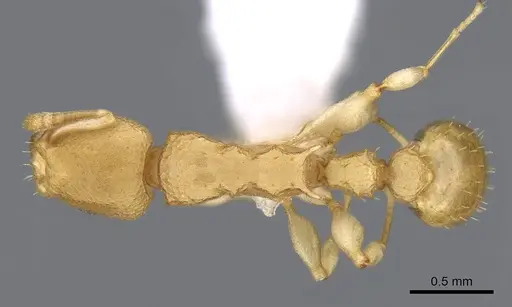
Literature
Loading distribution map...Loading products...