
Neoponera zuparkoi
- Sci. Name
- Neoponera zuparkoi
- Tribe
- Ponerini
- Subfamily
- Ponerinae
- Author
- MacKay & MacKay, 2010
- Distribution
- Found in 0 countries
Introduction
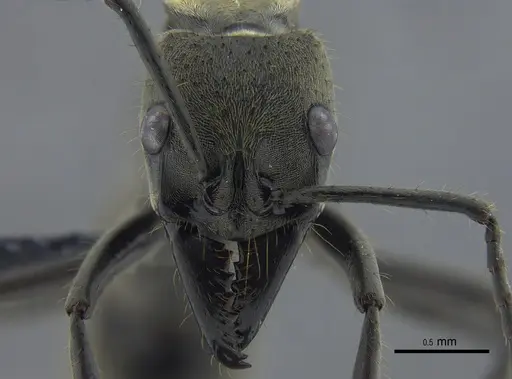
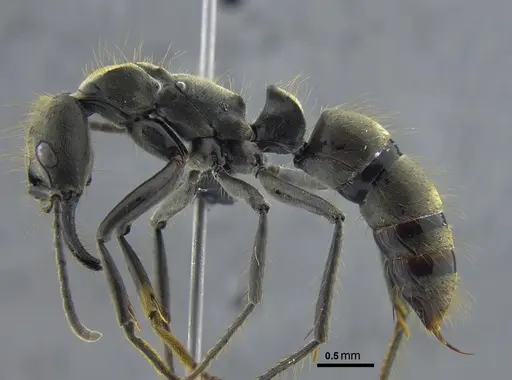
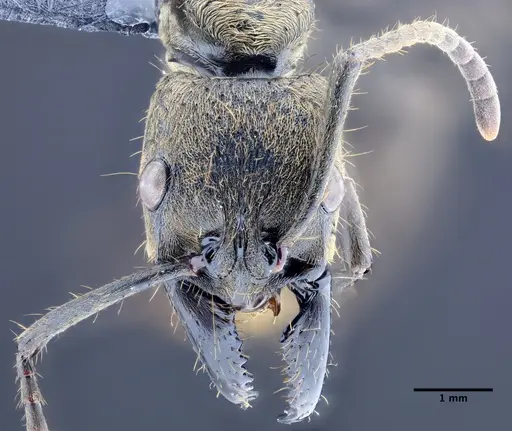
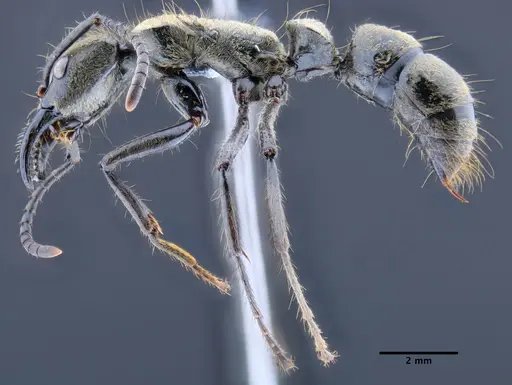
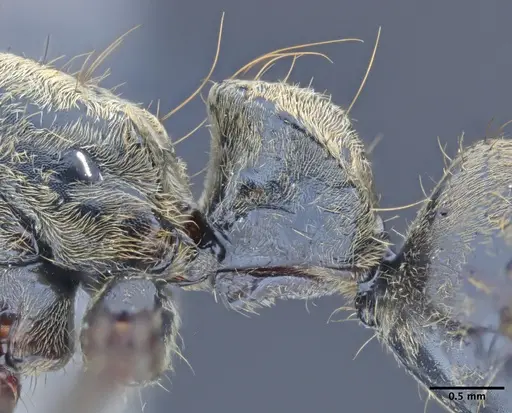
Neoponera zuparkoi is a large predatory ant species native to the Neotropical region, specifically found in Peru and Colombia. Workers reach approximately 14mm in total length, making them one of the larger ant species in the genus. They are predominantly black with dark brown appendages, and possess a well-developed stridulatory file on their abdomen - a feature used to produce sound when threatened. The species is distinguished from its close relative Neoponera villosa by lacking the pronotal carina and having a longer, convexly rounded mesonotum. This species belongs to the foetida species group within Neoponera.
Quick Summary
- Difficulty: Unknown, species has never been kept in captivity
- Origin & Habitat: Native to the Neotropical region, specifically the Monson Valley in Huánuco, Peru (Tingo Maria area). Also recorded from the tropical dry forest in the Cauca River geographic valley, Colombia. Found in tropical forests at mid-elevation Andean foothill environments. [1][3]
- Colony Type: Colony structure is unconfirmed, only the worker caste has been described, and no queens have been documented.
- Size & Growth:
- Antkeeping:
- Temperature: Keep at 24-28°C based on Neotropical forest habitat. Room temperature (20-24°C) is likely acceptable, but warmer conditions may improve activity and growth. Provide a temperature gradient so ants can self-regulate.
- Humidity: Neotropical forest species require high humidity. Keep the nest substrate consistently moist but not waterlogged. Provide a water source.
- Diapause: Unknown, no seasonal data exists. Based on tropical distribution, diapause is likely not required.
- Nesting: In nature likely nests in soil or rotting wood in forest floor habitats. For captivity, a naturalistic setup with moist soil or a Y-tong/plaster nest with good humidity retention works well.
- Behavior: This species likely has a painful sting. Ponerine ants in this genus are known for their aggressive defense of nests. Workers are large and capable of delivering a sting. They are likely predatory and will hunt small invertebrates. Escape prevention should be good given their size.
- Common Issues: no captive husbandry data exists, all care recommendations are inferred from genus patterns, sting severity is unknown but likely painful based on subfamily, handle with caution, lack of queen description means founding behavior is unconfirmed, wild-caught colonies may be difficult to obtain given limited known range, only worker caste has been described, queen and male castes unknown
Identification and Distinction
Neoponera zuparkoi is a member of the foetida species group and can be identified by several key features. Workers are large (14mm total length) and black with dark brown legs and antennae. The most distinguishing characteristic is the lack of a pronotal carina, a sharp ridge present on the similar species N. villosa. The mesonotum is longer and rounded convexly posteriorly, versus shorter and concave in N. villosa. The species has a well-developed stridulatory file on the second pretergite, which produces sound when the ant is disturbed. The malar carina is well-developed. These ants have 14-15 teeth on their mandibles and the eyes are located more than one diameter from the anterior edge of the head. [1][4]
Distribution and Habitat
This species is known from a limited range in the Neotropics. The type locality is the Monson Valley in Huánuco, Peru, near Tingo Maria. Records also exist from Colombia in the tropical dry forest of the Cauca River geographic valley. The species appears to prefer mid-elevation Andean foothill environments typical of tropical forests in this region. The known range is relatively restricted compared to many other Neoponera species, which may make wild collection challenging. No specific microhabitat data exists, but related species typically nest in soil or rotting wood on the forest floor. [1][3]
Feeding and Diet
Based on genus patterns, Neoponera zuparkoi is likely a predatory species that hunts small invertebrates. Ponerine ants in this genus typically use their sting to subdue prey rather than relying on chemical defenses. In captivity, you should offer live prey such as mealworms, small crickets, and other appropriately sized insects. Protein-rich foods should form the primary diet. Sugar sources like honey or sugar water may be accepted but are not a primary food source for predatory ponerines. Feed protein regularly and ensure prey is consumed within 24-48 hours to maintain cleanliness.
Nesting and Housing
In nature, Neoponera species typically nest in soil or rotting wood in humid forest environments. For captive care, a naturalistic setup with moist soil substrate works well, or a Y-tong/plaster nest that retains humidity. The nest should have chambers deep enough for the colony to retreat to, with the ability to maintain consistent moisture. Provide a water tube or moist cotton as a water source. Since this is a large species, they need appropriately sized tunnels and chambers. A formicarium with a foraging area connected to a nest chamber allows for natural behavior. Ensure good escape prevention, while large, they are strong climbers.
Temperature and Seasonal Care
As a Neotropical species from Peru, this ant prefers warm, stable temperatures in the range of 24-28°C. Room temperature (20-24°C) may be acceptable but warmer conditions will likely promote greater activity and faster growth. Provide a temperature gradient using a heating cable on one side of the nest, allowing workers to self-regulate. Place the heating on top of the nest to avoid evaporating moisture too quickly. Since the natural range includes higher elevation forests, they may tolerate slightly cooler conditions than truly lowland tropical species. No specific diapause requirements are documented.
Behavior and Temperament
Neoponera species are known for their aggressive defense and painful stings. Workers are relatively large and will readily defend their nest against threats. When disturbed, they may use their stridulatory file to produce warning sounds. The sting is likely painful though exact pain levels are not documented for this species. They are primarily predatory and will hunt rather than scavenge. Workers are active foragers and will search the foraging area for prey. Given their size and capabilities, they should be handled with respect and care. Use tight-fitting lids for escape prevention.
Frequently Asked Questions
Is Neoponera zuparkoi a good species for beginners?
No, this species is not recommended for beginners. Nothing is known about its captive care requirements, and it has never been documented in the antkeeping hobby. Additionally, large ponerine ants like this can deliver painful stings and require more specialized care than common beginner species.
How long does it take for Neoponera zuparkoi to develop from egg to worker?
This is unknown, no development data exists for this species.
Does Neoponera zuparkoi need hibernation or diapause?
Unknown, as a species from the Neotropical region of Peru, it does not experience cold winters that would require diapause.
What do Neoponera zuparkoi ants eat?
Based on genus patterns, they are predatory and should be fed live protein sources like mealworms, small crickets, and other insects. They may accept sugar water or honey occasionally, but protein should form the bulk of their diet.
Can I keep multiple Neoponera zuparkoi queens together?
This is unknown, the queen caste has never been described for this species, so colony structure is unconfirmed. Do not attempt to combine unrelated queens without documented evidence that they can co-exist.
What size colony does Neoponera zuparkoi reach?
Unknown, no colony size data exists for this species.
What is the best nest type for Neoponera zuparkoi?
A naturalistic setup with moist soil or a Y-tong/plaster nest works well. The nest should retain humidity well and have chambers deep enough for the colony. Provide a water source and keep substrate consistently moist but not waterlogged.
Where can I get Neoponera zuparkoi ants?
This species is extremely rare in the antkeeping hobby. It is only known from a limited range in Peru and Colombia, and only the worker caste has been described. You would likely need to source from a specialized supplier or collect from the wild in its native range (if legally permitted).
Do Neoponera zuparkoi ants escape easily?
While large in size, they are strong climbers. Use good escape prevention with tight-fitting lids. They are less likely to escape through small gaps than tiny ants, but can still find their way out of poorly secured enclosures.
Report an Issue
The current care sheet is based fully on literature. See inconsistencies, or something that's incorrect? Please , it will be resolved after review from an admin. Contributing to the blogs tab also helps providing information, to make us be able to further improve the caresheets. Thank you for your support!
References

This caresheet is licensed under CC BY-SA 4.0 .
Community Blogs
CBUMAGENT41725
View on AntWeb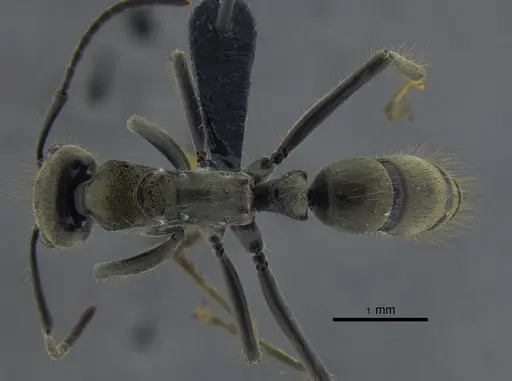
DZUP549348
View on AntWeb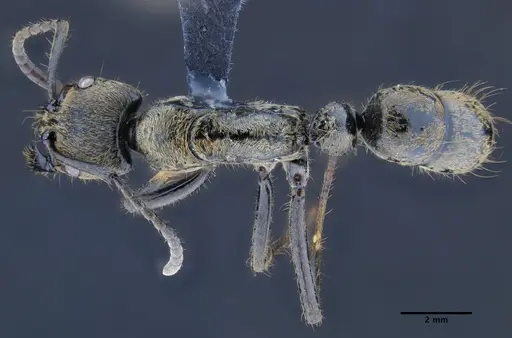
Literature
Loading distribution map...Loading products...