
Neoponera rugosula
- Sci. Name
- Neoponera rugosula
- Tribe
- Ponerini
- Subfamily
- Ponerinae
- Author
- Emery, 1902
- Distribution
- Found in 3 countries
Introduction
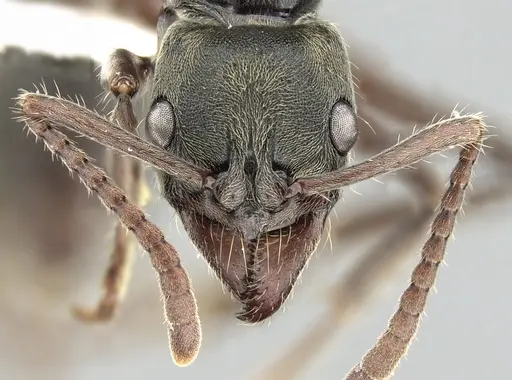
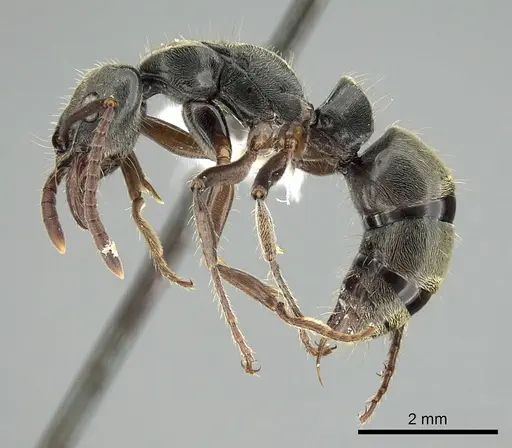
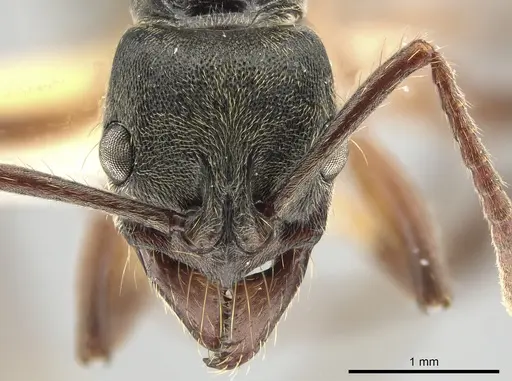
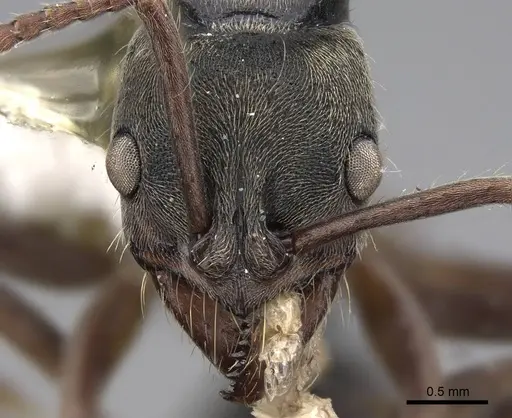
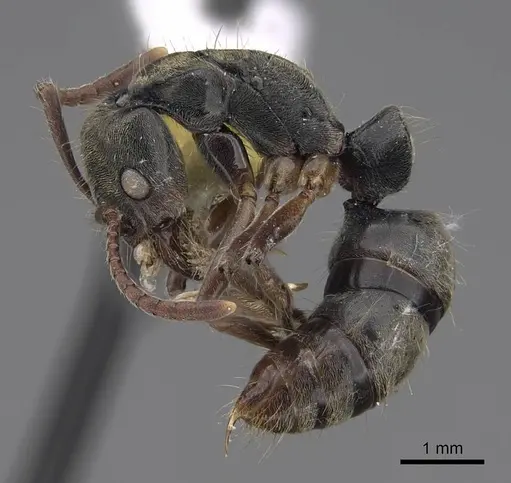
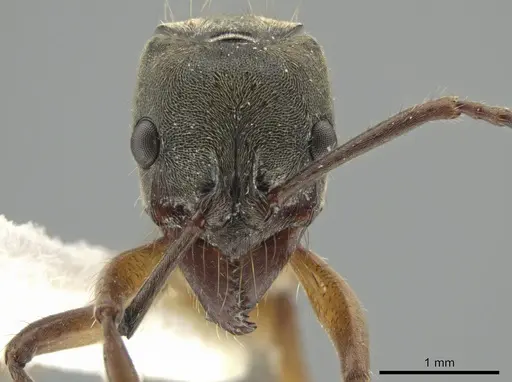
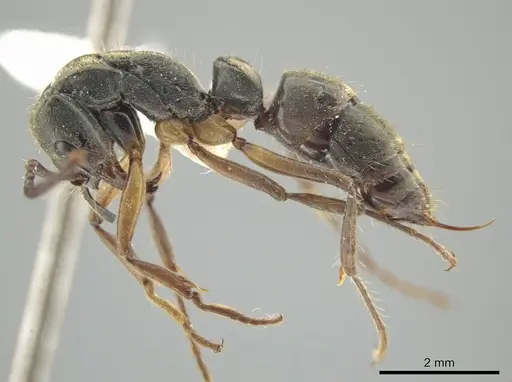
Neoponera rugosula is a medium-sized predatory ant native to the Neotropical region, found across Bolivia, Brazil, Costa Rica, Ecuador, Peru, and Venezuela. Workers reach about 8mm in total length and have a distinctive dark reddish-brown coloration with lighter brown or orange appendages. The species gets its name from the Latin for 'small wrinkles, ' referring to the coarse punctures and striations on the pronotum that help distinguish it from related species like Neoponera unidentata. These ants inhabit wet forests along rivers, often nesting in Cecropia trees and orchid stems . What makes N. rugosula interesting is its association with plants - specimens have been collected from Cecropia plants and Cattleya orchids, suggesting they nest in pre-existing plant cavities. This arboreal tendency, combined with their status as Ponerine ants with a potent sting, makes them a distinctive species for antkeepers interested in predatory tropical ants.
Quick Summary
- Difficulty: Medium
- Origin & Habitat: Neotropical region, Bolivia, Brazil, Costa Rica, Ecuador, Peru, and Venezuela. Found in wet forests along rivers, often collected from Cecropia plants and orchids [1][2].
- Colony Type: Colony type is unconfirmed for this species. Specific literature on queen number or colony structure is not available.
- Size & Growth:
- Queen: 8.5mm total length [1]
- Worker: 8mm total length [1]
- Colony: Colony size data is unavailable for this species.
- Growth: Growth rate is unconfirmed, likely moderate based on typical Ponerine patterns.
- Development: Approximately 6-10 weeks at tropical temperatures, estimated based on related Ponerine species. (Development timeline not directly studied for this species. Estimates based on genus-level patterns for Ponerinae.)
- Antkeeping:
- Temperature: Keep warm at 24-28°C. Being a tropical species, they need stable warmth similar to their wet forest habitat. Use a heating cable on one side of the nest to create a gradient.
- Humidity: High humidity, aim for 70-80%. These ants come from wet forest environments near rivers. Keep the nest substrate consistently moist but not waterlogged.
- Diapause: No, as a tropical species, they do not require hibernation. Maintain warm conditions year-round.
- Nesting: Based on their collection from Cecropia plants and orchids, they prefer nesting in pre-existing cavities. In captivity, a Y-tong (AAC) nest or plaster formicarium with narrow chambers works well. Provide damp substrate and avoid drying out.
- Behavior: Ponerine ants are predatory and will hunt small invertebrates. They have a potent sting, this species should be handled with caution as their sting is reported to be painful. Workers are moderately active foragers. Escape prevention is important though they are not tiny ants (8mm workers).
- Common Issues: tropical humidity requirements mean mold can be a problem if ventilation is poor, potent sting makes them unsuitable for handling, use caution when servicing the nest, wild-caught colonies may have parasites that can devastate captive colonies, slow founding phase means colonies can stall if conditions aren't optimal, arboreal nesting instincts may cause them to avoid fully enclosed spaces, provide appropriate nesting options
Nest Preferences and Housing
Neoponera rugosula shows a preference for nesting in pre-existing cavities, as evidenced by their collection from Cecropia plants and orchid stems in the wild. This arboreal nesting tendency suggests they prefer enclosed spaces with some elevation off the ground. In captivity, Y-tong (AAC) nests work well, as do plaster formicariums with appropriately sized chambers. The chambers should be sized to the worker size (8mm), not too large, as these ants prefer a snug fit. Keep the nest substrate consistently damp but not flooded. Given their wet forest origin, humidity is more critical than for dry-adapted species. Avoid completely dry conditions. [1]
Feeding and Diet
As a Ponerine ant, N. rugosula is predatory and will actively hunt small invertebrates. In captivity, their primary food should be small live prey such as fruit flies, pinhead crickets, small mealworms, and other appropriately sized insects. They are likely to be inefficient at scavenging compared to more generalized ants, so live prey is important for maintaining healthy colonies. Sugar sources may be accepted occasionally, but protein-rich prey should form the bulk of their diet. Feed prey items 2-3 times per week, adjusting based on colony size and consumption rates. Remove uneaten prey to prevent mold issues.
Temperature and Seasonal Care
Being a tropical species from wet forests in the Neotropics, N. rugosula requires warm conditions year-round. Maintain temperatures between 24-28°C, with a slight gradient allowing workers to choose their preferred zone. A heating cable placed on one side of the nest can create this gradient. Room temperature alone is likely insufficient unless your home is naturally warm. Unlike temperate species, they do not require a winter diapause or hibernation period. Maintaining consistent warmth is key, temperature drops can stress colonies and slow or stop brood development. Monitor for signs of cooling stress such as workers clustering together away from cooler areas. [1]
Behavior and Handling
Neoponera rugosula is a Ponerine ant, and this group is known for having potent stings. You should expect this species to sting if threatened or handled roughly. The sting is reported to be painful, so exercise caution when servicing the nest or moving colonies. Workers are moderately active and will forage for prey. They are not overly aggressive toward the colony but will defend if provoked. Their moderate size (8mm workers) makes them easier to contain than tiny ants, but escape prevention is still important, ensure any gaps in the outworld setup are sealed. [1]
Colony Founding
Direct observations of colony founding in N. rugosula are not documented in available literature. The founding behavior for this species remains unconfirmed. Founding colonies can be sensitive to disturbance, minimize vibrations and avoid checking on the queen too frequently during the founding phase. Expect a waiting period of several weeks to a couple months before first workers emerge.
Frequently Asked Questions
Does Neoponera rugosula sting?
Yes, Neoponera rugosula can sting and is considered to have a potent sting. As a Ponerine ant, their sting is reported to be painful. You should handle this species with caution and avoid provoking them.
What do Neoponera rugosula ants eat?
They are predatory ants that hunt small invertebrates. Feed them small live prey like fruit flies, pinhead crickets, small mealworms, and similar insects. Protein-rich prey should form the main diet, though they may occasionally accept sugar sources.
How long does it take for Neoponera rugosula to produce first workers?
Exact development time is unconfirmed for this species. Based on related Ponerine ants, expect approximately 6-10 weeks from egg to first worker at optimal tropical temperatures (24-28°C).
Do Neoponera rugosula need hibernation?
No, they do not require hibernation. As a tropical species from wet forests in the Neotropics, they need warm conditions year-round. Maintain temperatures between 24-28°C continuously.
What is the best nest type for Neoponera rugosula?
Based on their collection from plant cavities (Cecropia, orchids), they prefer enclosed nests with pre-existing chambers. Y-tong (AAC) nests or plaster formicariums work well. Keep the nest damp and provide appropriately sized chambers for their 8mm workers.
Are Neoponera rugosula good for beginners?
This species is rated as Medium difficulty. While not the easiest starter ant, experienced antkeepers should be able to maintain them. The main challenges are maintaining high humidity and providing regular live prey. Their potent sting also means they are not suitable for handling.
How big do Neoponera rugosula colonies get?
Exact maximum colony size is unknown for this species. Colony size data has not been documented in available literature.
Can I keep multiple Neoponera rugosula queens together?
This is not recommended and colony type is unconfirmed for this species. N. rugosula queen behavior has not been specifically studied. Combining unrelated queens has not been documented and would likely result in fighting.
Why is my Neoponera rugosula colony dying?
Common causes include: temperature too low (they need 24-28°C), humidity too low (they need wet forest conditions), lack of live prey, or parasites from wild-caught colonies. Check that your setup provides adequate warmth, humidity, and appropriate food before troubleshooting further.
Where is Neoponera rugosula found in the wild?
They are found across the Neotropical region: Bolivia, Brazil, Costa Rica, Ecuador, Peru, and Venezuela. They inhabit wet forests along rivers and have been collected from Cecropia plants and orchids.
Report an Issue
The current care sheet is based fully on literature. See inconsistencies, or something that's incorrect? Please , it will be resolved after review from an admin. Contributing to the blogs tab also helps providing information, to make us be able to further improve the caresheets. Thank you for your support!
References

This caresheet is licensed under CC BY-SA 4.0 .
Community Blogs
CASENT0249157
View on AntWeb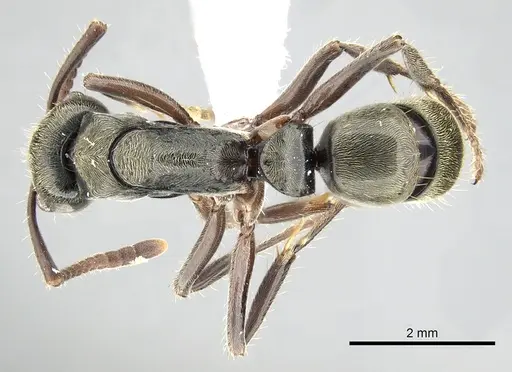
CASENT0649995
View on AntWeb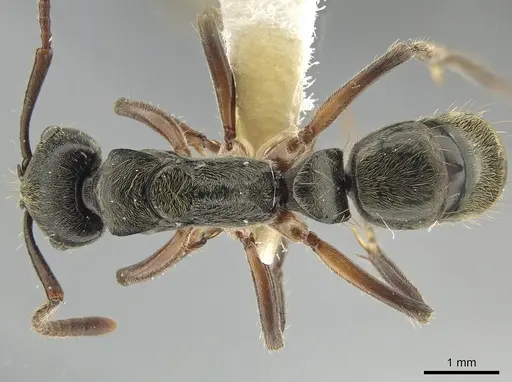
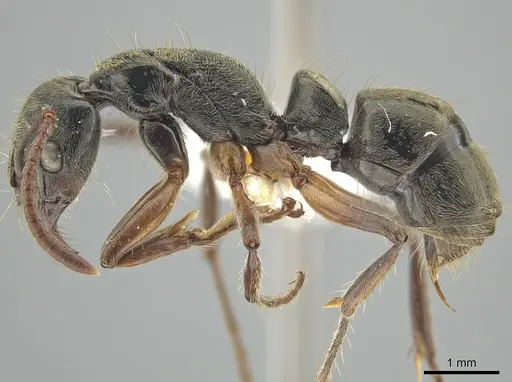
CASENT0903885
View on AntWeb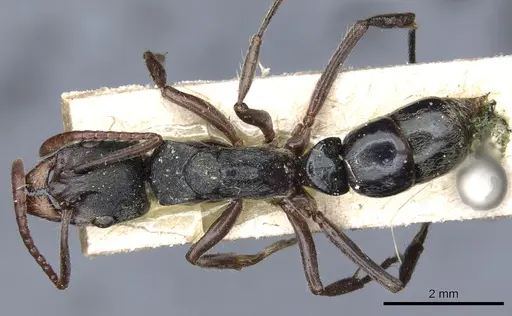
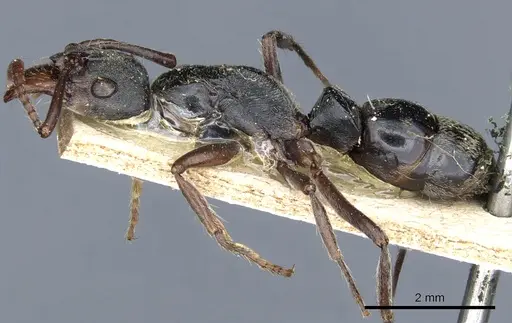
CASENT0923097
View on AntWeb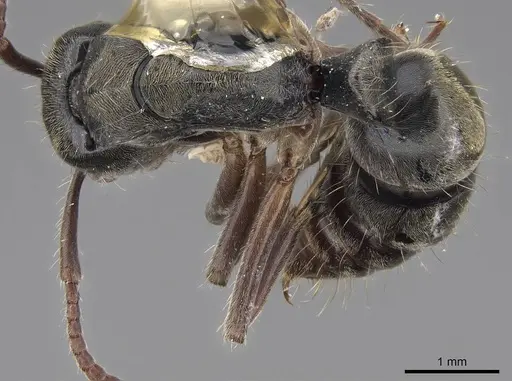
INB0003606252
View on AntWeb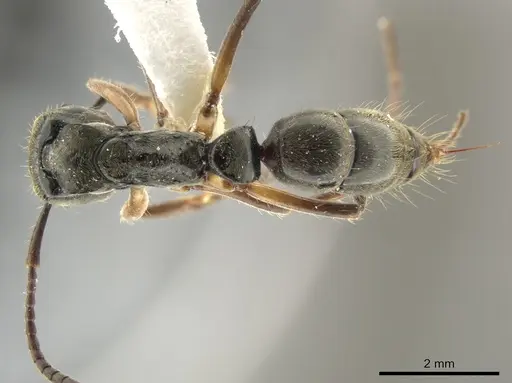
Literature
Loading distribution map...Loading products...