
Neoponera metanotalis
- Sci. Name
- Neoponera metanotalis
- Tribe
- Ponerini
- Subfamily
- Ponerinae
- Author
- Luederwaldt, 1918
- Distribution
- Found in 1 countries
Introduction
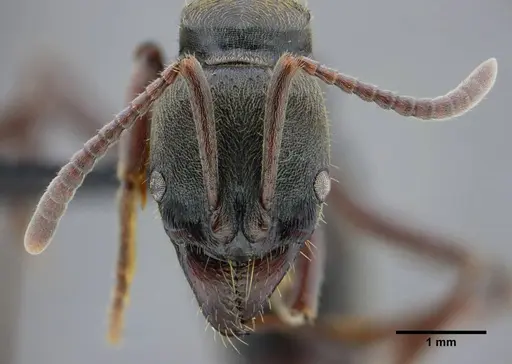
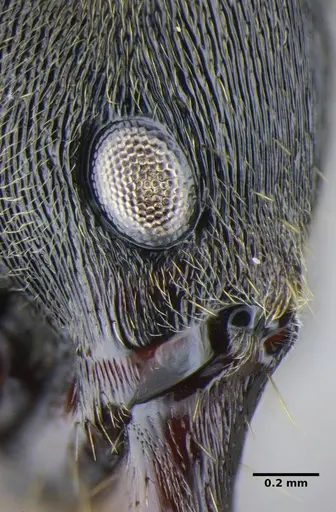
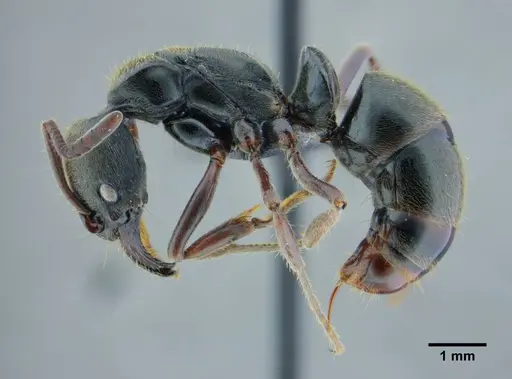
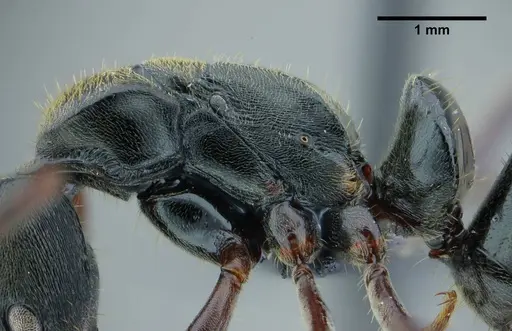
Neoponera metanotalis is a medium-sized ponerine ant native to southeastern Brazil. Workers reach about 10mm (1 cm) in total length, making them a fairly large ant species. They are predominantly black with reddish-brown appendages and mandibles. The species gets its name from the distinctive metanotal suture that interrupts the dorsum of the mesosoma - a key identification feature. The pronotal shoulder has a sharp carina that slightly overhangs the side of the pronotum, and the petiole is slightly elongated compared to similar species like Neoponera emiliae. This species is part of the emiliae species complex within Neoponera and is currently known only from worker castes. In the wild, they inhabit wet mountain forests at elevations around 850 meters in Minas Gerais and Bahia, Brazil .
Quick Summary
- Difficulty: Medium
- Origin & Habitat: Southeastern Brazil, specifically Minas Gerais and Bahia regions. They live in wet mountain forests at approximately 850 meters elevation [1][2].
- Colony Type: Colony structure is unconfirmed. Only worker castes have been documented, and queen caste remains unknown. As a soil-dwelling species in the Pachycondyla clade, colonies are likely small to moderate in size [2].
- Size & Growth:
- Queen: Unknown, queen caste has not been described [1]
- Worker: Total length approximately 10mm (1 cm) [1]
- Colony: Likely reaches several hundred workers based on related Ponerine species
- Growth: Moderate, inferred from typical Ponerine development patterns
- Development: Estimated 6-10 weeks based on related Ponerine species (Direct development data unavailable for this species. Ponerines typically have moderate development times at tropical temperatures.)
- Antkeeping:
- Temperature: Keep around 24-28°C, these are tropical forest ants from southeastern Brazil. A slight gradient allowing warmer and cooler areas is recommended
- Humidity: High humidity preferred, they inhabit wet mountain forests. Keep nest substrate consistently moist but not waterlogged. Aim for 70-80% humidity in the nest area
- Diapause: Unknown, no data on overwintering requirements. Given their Brazilian origin, they likely do not require a true diapause but may show reduced activity during cooler periods
- Nesting: Soil-dwelling species, they nest in the ground. In captivity, a naturalistic setup with moist soil or a plaster nest with moisture chambers works well. They prefer dark, humid nest conditions [2][1]
- Behavior: Temperament is typical of Ponerines, they are moderately defensive and possess a functional sting. Workers are active foragers, likely hunting small invertebrates in the wild. They are not escape artists due to their larger size, but standard escape prevention is still recommended. As nocturnal or crepuscular hunters, they may be most active during evening hours. Their sting is functional and can penetrate human skin, so handle with care.
- Common Issues: very limited biological data means care recommendations are largely inferred from genus patterns, queen and colony structure unknown, keepers may receive only workers, humidity management is critical for this moisture-loving species, potential sting risk requires careful handling, slow colony growth typical of Ponerines may test keeper patience
Housing and Nest Setup
Neoponera metanotalis is a soil-dwelling species, so a naturalistic setup with moist soil or a plaster nest with moisture chambers works best. They prefer dark, humid conditions similar to their natural forest floor habitat. A nest with multiple chambers allows them to regulate their position based on humidity preferences. Since they come from wet mountain forests in Brazil, the nest should maintain consistently high humidity without becoming waterlogged. A water reservoir connected to the nest or regular misting of the substrate helps maintain appropriate moisture levels. Given their size of about 10mm, standard formicarium dimensions are suitable, but ensure chambers are appropriately scaled. [2][1]
Feeding and Diet
As a Ponerine ant, N. metanotalis is likely a predator that hunts small invertebrates. In captivity, offer a varied diet including small live insects such as fruit flies, pinhead crickets, and mealworms. Protein-rich foods are essential for brood development. They may also accept sugar sources like honey water or sugar water, though this is not confirmed. Feed them every 2-3 days, removing uneaten prey after 24 hours. Fresh water should always be available. Since their exact dietary preferences are unknown, offering a variety of foods and observing what they accept is recommended. [1]
Temperature and Humidity Requirements
These ants come from the wet forests of southeastern Brazil, so they need warm and humid conditions. Maintain temperatures between 24-28°C with a slight gradient allowing workers to choose their preferred temperature. Room temperature in most homes may be too cool, so a heating cable or mat on one side of the nest can help achieve the proper range. Humidity should be kept high at 70-80% in the nest area. The substrate should feel consistently moist but not soggy. A water tube or reservoir connected to the nest helps maintain humidity. Avoid placing the nest near air conditioning or drafty areas that could cause temperature fluctuations. [1]
Behavior and Handling
Ponerine ants are typically more defensive than many common ant genera, and N. metanotalis likely follows this pattern. They possess a functional sting that can penetrate human skin, so caution is needed when working with them. Workers are probably nocturnal or crepuscular foragers, hunting small prey in the wild. In captivity, they may be most active during evening hours or when the nest is dimly lit. They are not known to be escape artists due to their larger size, but standard escape prevention with a barrier like fluon on container rims is still recommended. Avoid disturbing the colony unnecessarily, as stress can lead to defensive behavior. [1]
Colony Development and Growth
Very little is known about the colony development of N. metanotalis specifically. Based on related Ponerine species, development from egg to worker likely takes 6-10 weeks at optimal temperatures. Colonies probably remain small, potentially reaching several hundred workers at maturity. Since only workers have been documented and the queen caste is unknown, wild colonies may have ergatoid (wingless) replacement queens similar to some related species. Growth rate is expected to be moderate, slower than many Myrmicines but faster than some specialized Ponerines. Patience is required, as Ponerine colonies typically develop more slowly than common ant species. [1]
Frequently Asked Questions
How long does it take for Neoponera metanotalis to produce first workers?
Exact development time is unknown for this species. Based on related Ponerine species, expect 6-10 weeks from egg to worker at optimal temperatures around 26°C. Growth is typically slower than common ant species, so patience is required.
What do Neoponera metanotalis ants eat?
They are likely predators like other Ponerines. Offer small live insects such as fruit flies, pinhead crickets, and mealworms. They probably accept protein-rich foods and may take sugar water or honey water, though this is not confirmed. Remove uneaten prey after 24 hours.
Do Neoponera metanotalis ants sting?
Yes, they possess a functional sting that can penetrate human skin. They are more defensive than many common ant species. Handle with care and avoid disturbing the colony unnecessarily.
What temperature and humidity do Neoponera metanotalis need?
Keep them warm at 24-28°C with high humidity around 70-80%. They come from wet Brazilian mountain forests, so consistent moisture is important. A heating cable on one side of the nest creates a suitable gradient.
Are Neoponera metanotalis good for beginners?
This species is not ideal for complete beginners due to limited available care information and their specific humidity and temperature requirements. They are also defensive with a functional sting. Some prior ant-keeping experience is recommended.
How big do Neoponera metanotalis colonies get?
Colony size is not documented for this species. Based on related Ponerine species, they likely reach several hundred workers at maturity. Growth is typically moderate and slower than common ant species.
Can I keep multiple Neoponera metanotalis queens together?
The colony structure of this species is unknown. Only workers have been documented, and the queen caste remains undescribed. Combining unrelated queens is not recommended due to lack of information about their social structure.
Do Neoponera metanotalis need hibernation?
Hibernation requirements are unknown. Given their Brazilian origin in a tropical region, they likely do not require a true diapause. They may show reduced activity during cooler periods but probably do not need cold treatment.
What type of nest is best for Neoponera metanotalis?
A naturalistic setup with moist soil or a plaster nest with moisture chambers works well. They are soil-dwelling and prefer dark, humid conditions. Ensure the nest can maintain high humidity without drying out.
Why is so little known about Neoponera metanotalis?
This species has received very little scientific attention. Only workers have been described, and no detailed biological studies exist. The AntWiki explicitly states that nothing is known about the biology of this species. Care recommendations are largely inferred from related species in the genus.
Report an Issue
The current care sheet is based fully on literature. See inconsistencies, or something that's incorrect? Please , it will be resolved after review from an admin. Contributing to the blogs tab also helps providing information, to make us be able to further improve the caresheets. Thank you for your support!
References

This caresheet is licensed under CC BY-SA 4.0 .
Community Blogs
UFV-LABECOL-000625
View on AntWeb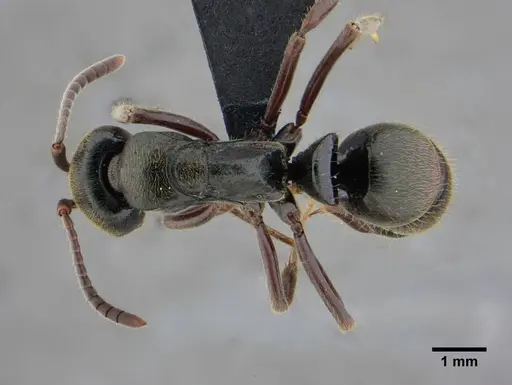
Literature
Loading distribution map...Loading products...