
Neoponera luteola
- Sci. Name
- Neoponera luteola
- Tribe
- Ponerini
- Subfamily
- Ponerinae
- Author
- Roger, 1861
- Distribution
- Found in 1 countries
Introduction
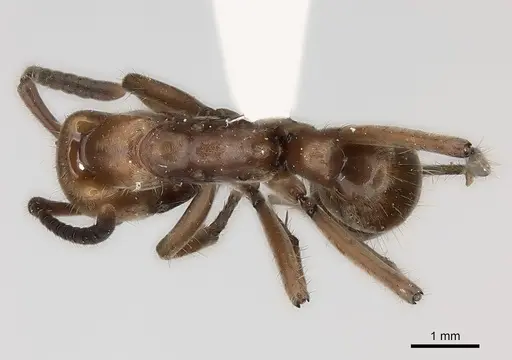
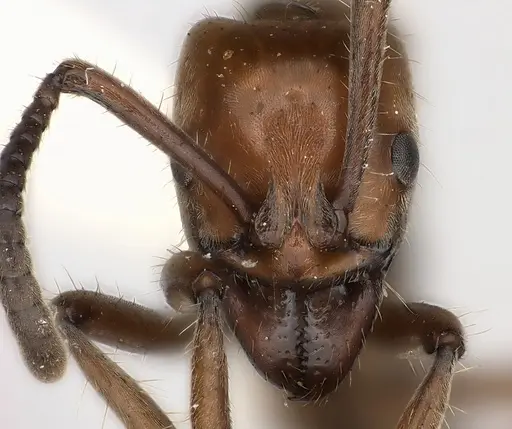
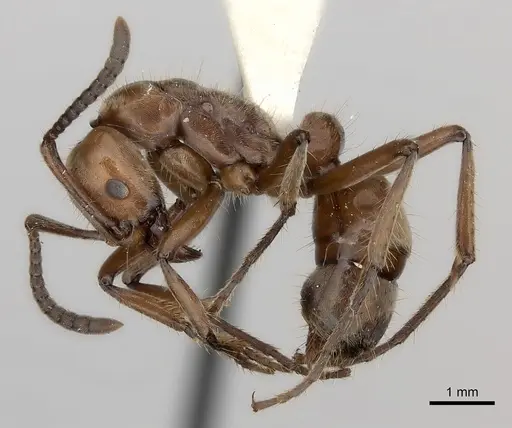
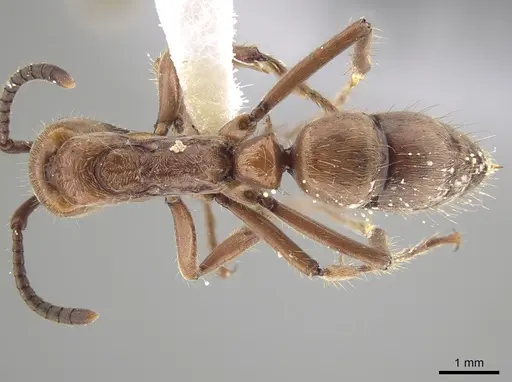
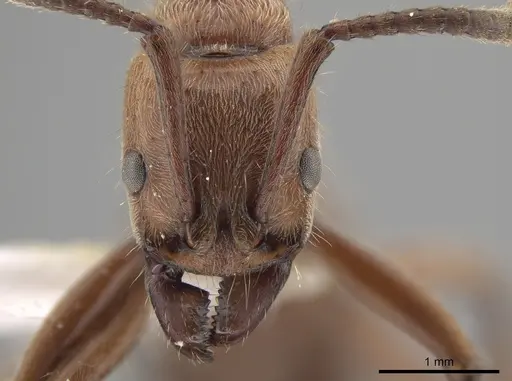
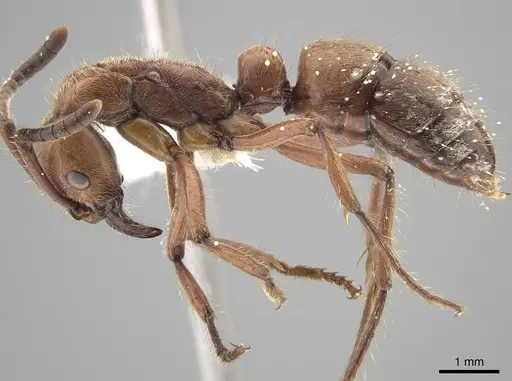
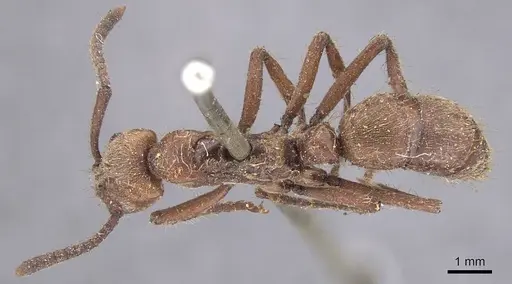
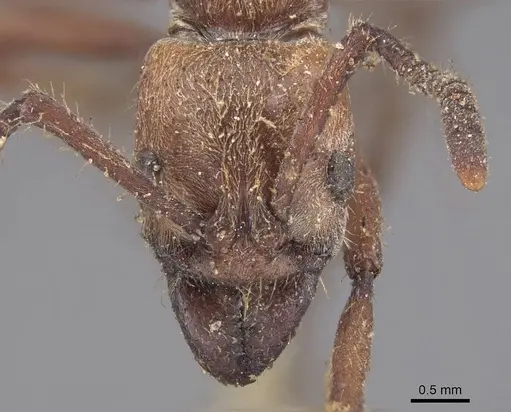
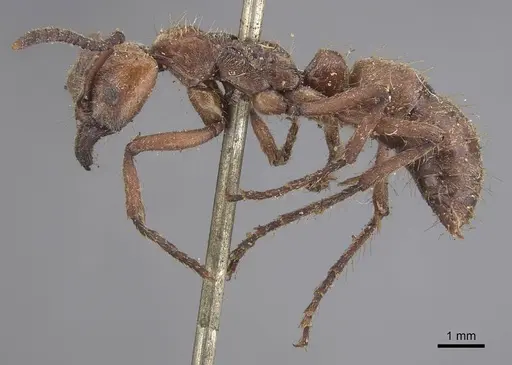
Neoponera luteola is a medium-sized ponerine ant native to the Neotropics, found in Peru, Bolivia, and Brazil. Workers reach about 8mm in total length and display a distinctive ferrugineous red coloration, while queens are larger at 12mm and appear chestnut brown. This species stands out as one of the rare ant-plant mutualisms involving a ponerine ant - N. luteola nests exclusively inside the hollow stems of Cecropia trees, particularly Cecropia tessmannii. The ants have evolved to feed primarily on specialized Müllerian bodies (protein and lipid-rich food bodies) produced on Cecropia petioles, making them nearly independent of other food sources. Colonies can become exceptionally large, with tens of thousands of workers inhabiting a single tree reaching 30-35 meters in height .
Quick Summary
- Difficulty: Expert
- Origin & Habitat: Neotropical rainforests of Peru, Bolivia, and Brazil at elevations of 200-750 meters. Found in rainforest, riparian forest, and tropical wet forest environments [2].
- Colony Type: Polygynous (multi-queen) colonies. A single colony can be the exclusive inhabitant of one Cecropia tree, with several tens of thousands of workers [2].
- Size & Growth:
- Antkeeping:
- Temperature: Tropical species requiring warm conditions. Keep nest area in the low-to-mid 20s°C range. Avoid temperatures below 22°C as this is a lowland rainforest species [2].
- Humidity: High humidity required, this rainforest species needs consistently moist conditions but avoid waterlogging the nest [2].
- Diapause: No, as a tropical species, N. luteola does not require hibernation. Maintain warm conditions year-round [2].
- Nesting: Specialized requirements, this species nests exclusively in Cecropia tree stems. In captivity, this is extremely difficult to replicate. The key requirement is enclosed vertical spaces that mimic hollow stems. Custom vertical setups may work as substitutes, but success is not guaranteed [2].
- Behavior: Workers are highly active during the day, patrolling stems and leaves of their host plant. They respond aggressively to disturbance, searching the entire plant surface for threats. This species possesses a powerful sting and will use it defensively, keepers should exercise extreme caution. Workers are not particularly aggressive toward humans unless the nest is disturbed, but the sting is notably strong for a Neotropical ant. Escape prevention is important but not as critical as with tiny ants, they are moderate-sized and cannot squeeze through standard formicarium barriers [2].
- Common Issues: Specialized diet makes feeding challenging, they primarily need Müllerian body substitutes or appropriate protein sources., Tropical temperature requirements mean room temperature is often insufficient., Extremely difficult to replicate natural Cecropia stem nesting, most keepers fail to establish proper colonies., Polygynous structure means colonies are complex and queen management is challenging., Powerful sting makes handling dangerous, use extreme caution during colony maintenance.
The Ant-Plant Mutualism
Neoponera luteola represents one of the few known ant-plant mutualisms involving a ponerine species. In the wild, these ants live exclusively inside Cecropia trees, particularly Cecropia tessmannii. The Cecropia tree provides specialized structures called Müllerian bodies on the petioles of young leaves, these are glycogen-rich food bodies that contain protein and lipids. This arrangement offers the ants a nearly complete diet, making them largely independent of other nutritional sources [1][2]. In return, workers aggressively protect the host plant from herbivores, including both insects and vertebrates. This protection is especially valuable for Cecropia trees, which grow slowly in low-light forest conditions. In captivity, replicating this mutualism is extremely challenging. You would need either live Cecropia plants or carefully designed vertical nest chambers that mimic hollow stems. Some keepers experiment with custom vertical setups, but success is rare.
Feeding and Diet
In their natural habitat, N. luteola feeds almost exclusively on Müllerian bodies produced by Cecropia trees. These specialized food bodies are rich in protein and lipids, providing everything the colony needs [1][3]. Workers also consume extrafloral nectar from the host plant. In captivity, this specialized diet is nearly impossible to replicate perfectly. You will need to experiment with protein-rich foods. Offer small insects (fruit flies, pinhead crickets, mealworms) regularly, as these provide the protein that Müllerian bodies would normally supply. Sugar water or honey can be offered occasionally, though the species shows limited interest in sugar sources compared to typical ants. The key challenge is that this species has evolved a highly specialized diet, they are among the most herbivorous ants in the dataset, relying on plant-derived food rather than hunting [1]. Be prepared for a trial-and-error period to determine what your colony will accept.
Temperature and Humidity
As a lowland Neotropical rainforest species, N. luteola requires warm and humid conditions year-round. Maintain nest temperatures in the low-to-mid 20s°C range, with a slight gradient allowing workers to self-regulate. Room temperature alone is typically insufficient, you will likely need a heating cable or mat on one side of the nest. Use a thermostat to prevent overheating. Humidity should remain high. This species is accustomed to the constantly moist conditions of tropical rainforests. Mist the nest area regularly and ensure water reservoirs are present, but avoid standing water that could flood the nest. Unlike temperate species, these ants do not enter diapause or hibernation, maintain consistent tropical conditions throughout the year. A sudden temperature drop can stress or kill the colony [2].
Nesting Requirements
This is the most challenging aspect of keeping N. luteola. In nature, they nest exclusively inside the hollow stems of living Cecropia trees. The ants colonize internodes by gnawing through the wall of each segment, establishing colonies within the enclosed vertical spaces [2]. Replicating this in captivity is extraordinarily difficult. Custom vertical nest setups with narrow chambers may work as a substitute, but success is not guaranteed. The nest should provide enclosed vertical channels that mimic the hollow stems these ants naturally inhabit. Horizontal or flat nests are likely unsuitable. Some keepers attempt naturalistic setups with artificial stem structures, but this requires significant expertise. Given the extreme specialization of this species, it is not recommended for beginners or even most experienced antkeepers. Only those with extensive resources and willingness to experiment should attempt this species.
Colony Structure and Growth
N. luteola forms polygynous colonies, multiple queens coexist within the same nest. A single colony can become the exclusive inhabitant of one Cecropia tree, growing to contain several tens of thousands of workers as the tree reaches 30-35 meters in height [2]. Queens are significantly larger than workers (12mm vs 8mm), showing pronounced queen-worker dimorphism typical of Ponerinae [2]. During colony founding, newly mated queens colonize a single internode by gnawing through the stem wall. They begin harvesting Müllerian bodies very early, feeding them to young larvae and consuming them themselves [2]. Dealate (wingless, mated) queens have been collected in September in Peru, suggesting nuptial flights occur during the wet season. The polygynous structure means colonies can support multiple egg-laying queens, enabling rapid growth once established.
Defense and Temperament
Workers patrol actively during the day over the stems and leaves of their host plant. At the slightest disturbance, they become highly agitated and search the entire plant surface for the source of the threat [2]. This species possesses a notably powerful sting, among the stronger in Neotropical ponerines. The ants defend aggressively against herbivores, including both insects and vertebrates that might damage the Cecropia host. For keepers, this means extreme caution is required during any colony maintenance. The sting is painful and can cause significant reactions in sensitive individuals. When working with this species, use minimal disturbance techniques, work in a well-lit area where you can see approaching workers, and consider using protective gloves. Do not perform routine maintenance like feeding with bare hands. The powerful sting also means these ants should not be handled casually, they are not a display species for hands-on interaction.
Frequently Asked Questions
Can I keep Neoponera luteola in a test tube?
No, test tubes are completely unsuitable. This species nests exclusively inside Cecropia tree stems in the wild. You will need a custom vertical nest setup with narrow chambers that mimic hollow stems. This is one of the most difficult species to house properly in captivity.
What do Neoponera luteola eat?
In the wild they feed almost exclusively on Müllerian bodies from Cecropia trees, specialized food bodies rich in protein and lipids. In captivity, offer small live insects (fruit flies, pinhead crickets, small mealworms) as a protein source. Sugar water may be accepted occasionally but is not a primary food. This is a highly specialized diet that is difficult to replicate.
How long does it take for first workers to appear?
The exact development timeline is unconfirmed for this species. Queens feed Müllerian bodies to larvae early in founding [2].
Do Neoponera luteola ants sting?
Yes, they have a powerful sting. This is one of the most dangerous Neotropical ant species for keepers. The sting causes significant pain and can trigger allergic reactions in sensitive individuals. Never handle these ants with bare hands and exercise extreme caution during colony maintenance.
Are Neoponera luteola good for beginners?
No, this is an expert-level species. The combination of specialized Cecropia-dependent diet, exclusive stem-nesting requirements, polygynous colony structure, powerful sting, and tropical temperature/humidity needs makes this one of the most difficult ants to keep successfully. Most experienced antkeepers should not attempt this species.
Do Neoponera luteola need hibernation?
No, as a tropical rainforest species from the lowlands of Peru, Bolivia, and Brazil, they do not require hibernation. Maintain warm, stable conditions year-round. Temperature drops below 22°C can stress or kill the colony.
How big do Neoponera luteola colonies get?
Exceptionally large. A single polygynous colony can reach tens of thousands of workers in a mature Cecropia tree reaching 30-35 meters in height [2]. In captivity, colonies may reach several thousand workers with proper care, but the specialized requirements make large colonies difficult to achieve.
Can I keep multiple queens together?
Yes, this species is naturally polygynous, meaning multiple queens coexist in the same colony. In the wild, a single tree can contain several reproductive queens. However, combining unrelated foundress queens in captivity has not been documented and carries risks. The natural polygynous structure does not mean you can simply introduce new queens to an existing colony.
When will Neoponera luteola have nuptial flights?
Dealate (mated, wingless) queens have been collected in September in Peru, suggesting flights occur during the wet season. The exact timing in captivity is unconfirmed. As a polygynous species, colony reproduction is ongoing rather than seasonal.
Why is Neoponera luteola so difficult to keep?
This species has evolved an exclusive mutualism with Cecropia trees, they nest only inside Cecropia stems and feed primarily on Müllerian bodies. Replicating these conditions in captivity is extraordinarily difficult. Most attempts fail because the specialized vertical stem nesting and unique diet cannot be adequately provided outside of their natural habitat.
Report an Issue
The current care sheet is based fully on literature. See inconsistencies, or something that's incorrect? Please , it will be resolved after review from an admin. Contributing to the blogs tab also helps providing information, to make us be able to further improve the caresheets. Thank you for your support!
References

This caresheet is licensed under CC BY-SA 4.0 .
Community Blogs
Literature
Loading distribution map...Loading products...