
Neoponera goeldii
- Sci. Name
- Neoponera goeldii
- Tribe
- Ponerini
- Subfamily
- Ponerinae
- Author
- Forel, 1912
- Distribution
- Found in 3 countries
Introduction
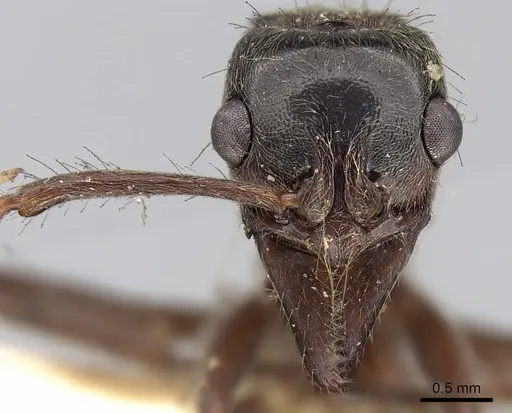
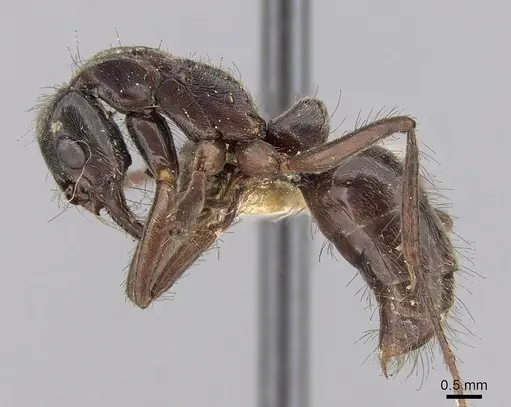
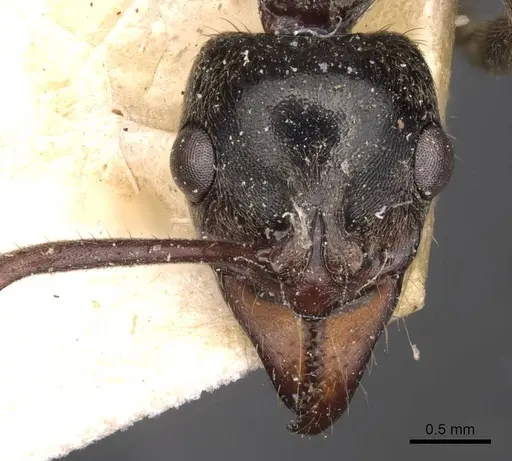
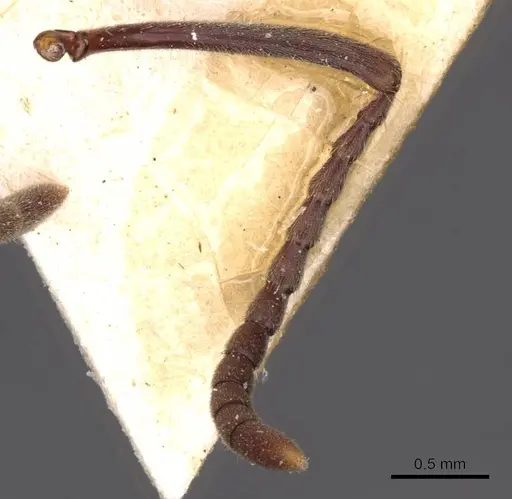
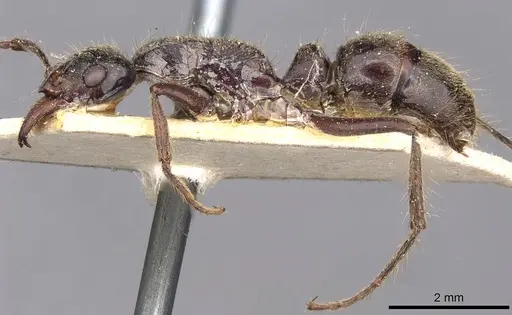
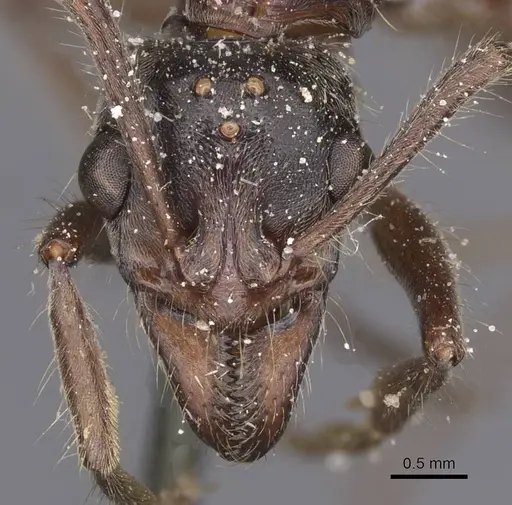
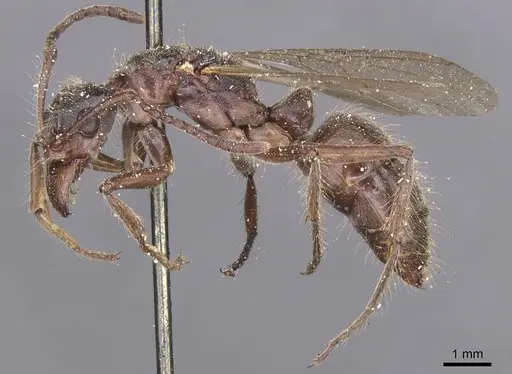
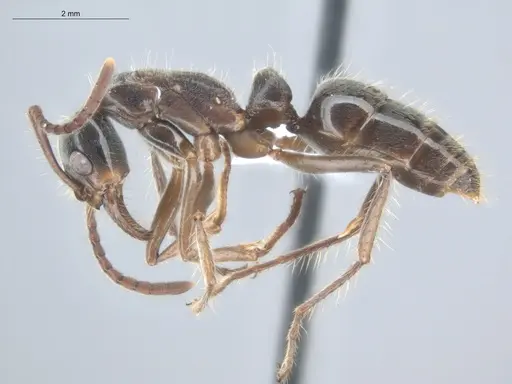
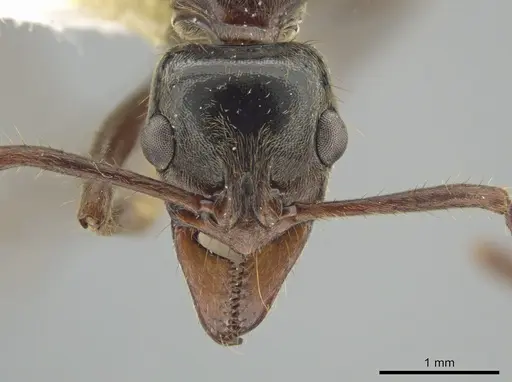
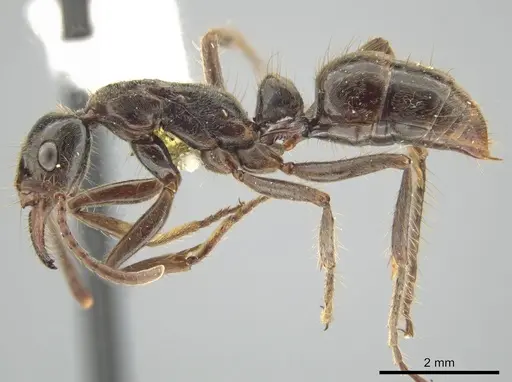
Neoponera goeldii is a medium-sized arboreal ant native to the Amazon basin and surrounding regions of South America. Workers are yellowish-brown to brown with distinctive long erect hairs covering most body surfaces, including the mandibles, legs, and abdomen [Mackay & Mackay 2010]. This species is one of the few arboreal members of the Ponerinae subfamily and is famous for its unique ant-garden behavior - it builds carton nests and actively cultivates epiphyte seeds within them, creating specialized microhabitats in bromeliads . Colonies are monogynous (single queen) but polydomous, meaning they maintain multiple separate nests (ant gardens) across their territory . Workers are aggressive predators that hunt at night, using potent venom containing antibacterial peptides called ponericins . The sting is painful and can cause severe allergic reactions including anaphylaxis in humans .
Quick Summary
- Difficulty: Medium
- Origin & Habitat: Amazon basin and Guianas region, found in Ecuador, Guyana, French Guiana, Suriname, Peru, Trinidad, and Brazil (Amazonas). Inhabits various forest types from caatinga to riparian rainforest and second-growth areas at elevations of 250-770m [5]. Nests in hollow twigs and branches (1-7cm diameter) in sunny areas, often in epiphytes and bromeliads along forest edges [1][6].
- Colony Type: Monogynous (single queen per colony) but polydomous, maintains multiple ant gardens/nests connected by workers. Colony foundation begins with multiple queens (pleometrosis) that fight until one survivor remains [2].
- Size & Growth:
- Queen: ~7-8mm, similar to workers but slightly larger
- Worker: 7-8mm
- Colony: Up to ~200 workers per nest, with up to 4 ant gardens per colony [2]
- Growth: Moderate
- Development: Timeline unconfirmed for this species, Ponerinae generally slower than many other subfamilies (Semi-claustral founding means queens must leave to hunt, extending founding time. Low fecundity typical of the genus.)
- Antkeeping:
- Temperature: Keep around 24-28°C, they are a tropical species that thrives in warm, humid conditions.
- Humidity: High humidity required. These arboreal ants need moist conditions and regular misting of their nesting area.
- Diapause: No, as a tropical species, they do not require hibernation. Maintain consistent temperatures year-round.
- Nesting: Arboreal setup is essential. Provide hollow twigs/branches (1-7cm diameter) or a naturalistic setup with epiphytes/bromeliads. A Y-tong or wooden nest with narrow chambers works, but they prefer more natural arboreal configurations. They will build carton structures if given appropriate materials.
- Behavior: Highly aggressive and territorial. Workers are fast, agile predators that hunt solo at night using potent venom to subdue prey [6]. They will readily sting if threatened, their venom can cause severe allergic reactions in humans including anaphylaxis [4]. They are excellent climbers with specialized tarsal adaptations for walking on vertical and inverted surfaces [2]. Escape prevention is important as they are active foragers. They collect extrafloral nectar and honeydew in addition to hunting insects.
- Common Issues: Venom can cause anaphylaxis, handle with caution and avoid stings., Semi-claustral founding is challenging, queens must leave to hunt, making colony establishment harder., High brood mortality (up to 89% in studies) means founding colonies often fail [2]., Polydomous nature means they may abandon suboptimal nest sites., Requires live prey, won't thrive on prepared foods alone.
Housing and Nest Setup
Neoponera goeldii requires an arboreal setup that mimics their natural nesting in hollow twigs, branches, and epiphytes. In captivity, you can use a Y-tong or wooden nest with narrow chambers, but they do best with more naturalistic arrangements. Provide hollow bamboo sections or wooden setups with multiple chambers connected by tubes. They will construct carton-like structures if given appropriate materials like paper or plant matter. Because they are polydomous (maintaining multiple nests), consider providing multiple connected nesting areas. Ensure excellent escape prevention, these ants are agile climbers and will find any gap. Use fluon on tube connections and ensure all lids fit tightly. They prefer sun-exposed areas along forest edges in the wild [7].
Feeding and Diet
As generalist predators, these ants require live prey, they are aggressive hunters that use venom to subdue insects. Offer small insects like fruit flies, pinhead crickets, mealworms, and wax moth larvae. Feed prey twice weekly and remove uneaten remains promptly to prevent mold. They also accept sugary liquids from extrafloral nectaries and honeydew, so you can offer sugar water or honey occasionally. However, protein from live prey should be the primary food source. Their venom contains antibacterial peptides called ponericins that may help sanitize prey before bringing it into the nest [3][8]. Foraging is nocturnal, they hunt diurnal insects sheltered under leaves at night [6].
Temperature and Humidity
Keep these tropical ants warm at 24-28°C with a gentle gradient allowing them to choose their preferred temperature. They are found in lowland Amazonian habitats where temperatures remain consistently warm year-round. Humidity should be high, mist the nesting area regularly and keep substrate moist but not waterlogged. As arboreal nesters, they prefer humid conditions but need ventilation to prevent mold. Do not allow temperatures to drop below 22°C for extended periods. No hibernation is required, maintain consistent tropical conditions year-round. [6]
Colony Founding
Colony founding is semi-claustral, meaning the queen must leave the nest to hunt for food during the founding phase, this makes establishing colonies more challenging than claustral species [2]. Multiple queens may start a colony together (pleometrosis), with 2-6 founding queens typically fighting until only one survives in a behavior called antennal boxing. In laboratory conditions, founding colonies showed 21% of pupae emerging as virgin females versus 0% in queenright colonies, indicating workers can produce females through parthenogenesis when orphaned. Queen-laid eggs average 1.6mm in length while worker-laid eggs average 1.4mm [2]. Expect slow growth initially, Ponerinae queens have lower fecundity than many other ant genera.
Ant Garden Behavior
This species is famous for its ant-garden behavior, one of the few ants that actively cultivates epiphyte gardens. Founding queens and workers build cardboard-like (carton) structures into which they incorporate seeds collected from their surroundings, primarily from vertebrate droppings [1]. The seeds germinate and develop within the nest, with the root system forming the nest structure. They preferentially associate with the bromeliad Aechmea mertensii in amphora-shaped tanks. They significantly select host plants like Vismia guianensis and Vismia sessilifolia for nesting [9]. In captivity, you could provide small seeds from epiphytes or bromeliads to encourage this natural behavior, though it's not required for successful keeping.
Defense and Venom
Neoponera goeldii has potent venom containing at least 15 different peptides called ponericins, which show antibacterial, insecticidal, and hemolytic activity [3][10]. Their sting is painful and can cause severe allergic reactions, there are documented cases of anaphylaxis in humans [4]. These ants are aggressive and will readily sting when threatened. Keep this in mind when working with established colonies. The venom also has antimicrobial properties that may help sanitize prey and maintain nest hygiene. The venom contains approximately 45 proteins with molecular weights between 10-66 kDa [4].
Frequently Asked Questions
Can I keep Neoponera goeldii in a test tube setup?
Test tubes are not ideal for this species. They are arboreal ants that naturally nest in hollow twigs and branches (1-7cm diameter). Use a naturalistic setup with wooden or bamboo sections, or a Y-tong nest with multiple connected chambers. They may build carton structures if given appropriate materials.
How long until first workers appear?
Development timeline is unconfirmed for this specific species. Semi-claustral founding extends the timeline since the queen must leave to hunt. Ponerinae generally have slower development than many other ant subfamilies.
Are Neoponera goeldii good for beginners?
No, this species is recommended for intermediate to experienced antkeepers. Semi-claustral founding is challenging, they require live prey, need high humidity and specific arboreal setups, and their potent venom poses a safety risk. Additionally, colonies have high brood mortality during founding.
Can I keep multiple queens together?
In the wild, colonies start with multiple founding queens (pleometrosis) that fight until one survivor remains. In captivity, this process can be unpredictable and stressful for the ants. It is not recommended to combine unrelated foundresses unless you are experienced with the process.
What do Neoponera goeldii eat?
They are predatory ants that need live insects, fruit flies, small crickets, mealworms, and other small arthropods. They will also occasionally accept sugary liquids like honey water or sugar water. Protein from live prey is essential for colony growth.
Do they need hibernation?
No, as a tropical species from the Amazon basin, they do not require hibernation. Maintain consistent warm temperatures (24-28°C) year-round.
How big do colonies get?
Colonies are relatively small compared to many ants. Each ant garden contains around 200 workers, and colonies may have up to 4 separate gardens. Total colony size remains modest, typically under 500 workers even in mature colonies.
Why are my founding colony's brood dying?
High brood mortality (up to 89% in studies) is normal for this species, especially during founding [2]. Ensure the queen is feeding properly (she must hunt during semi-claustral founding), maintain high humidity, and ensure temperatures are warm. If many workers have hatched, the colony may simply be consuming most brood as food, this is natural predatory behavior.
Report an Issue
The current care sheet is based fully on literature. See inconsistencies, or something that's incorrect? Please , it will be resolved after review from an admin. Contributing to the blogs tab also helps providing information, to make us be able to further improve the caresheets. Thank you for your support!
References

This caresheet is licensed under CC BY-SA 4.0 .
Community Blogs
CASENT0281900
View on AntWeb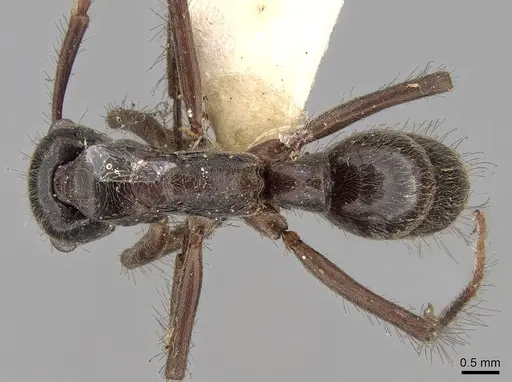
CASENT0907240
View on AntWeb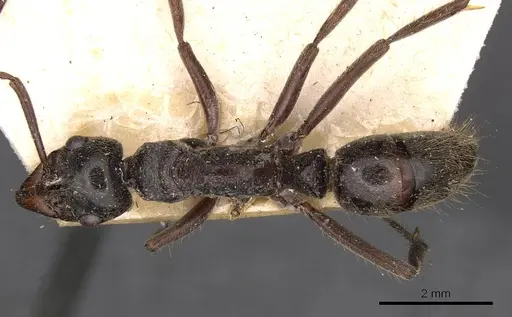
CASENT0915267
View on AntWeb
ECOFOG-HC-0042-01
View on AntWeb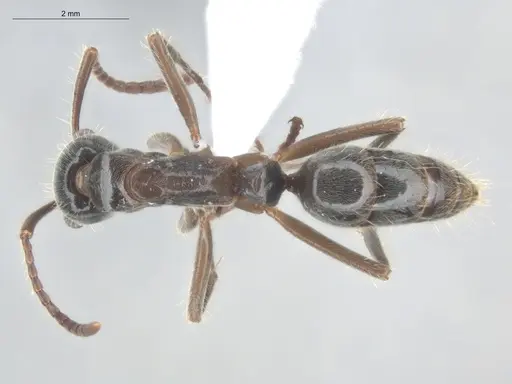
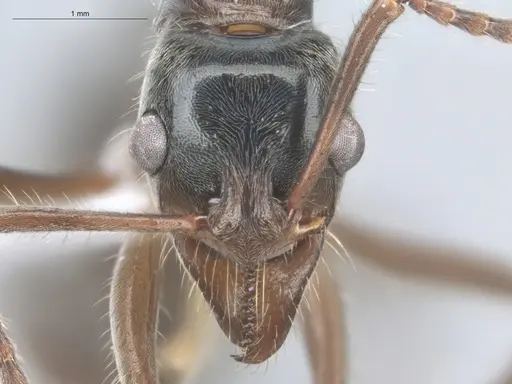
MEPNINV37890
View on AntWeb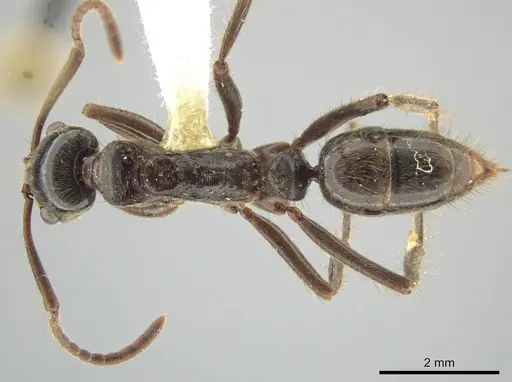
Literature
Loading distribution map...Loading products...