
Neoponera globularia
- Sci. Name
- Neoponera globularia
- Tribe
- Ponerini
- Subfamily
- Ponerinae
- Author
- MacKay & MacKay, 2010
- Distribution
- Found in 8 countries
Introduction
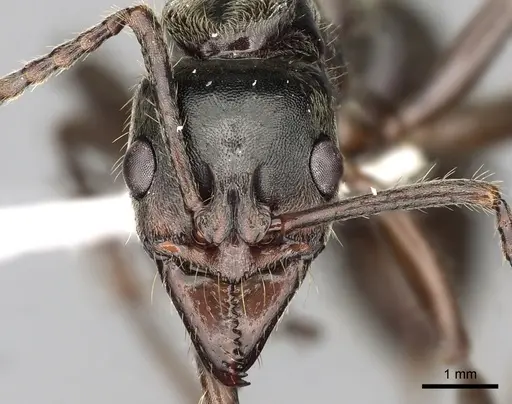
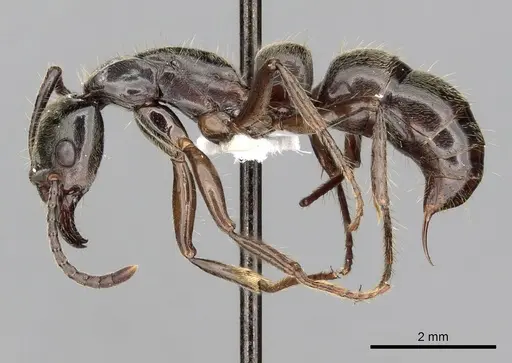
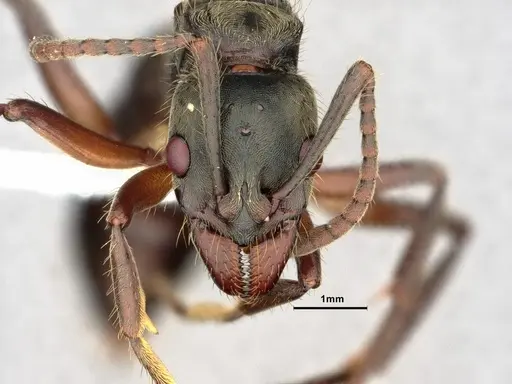
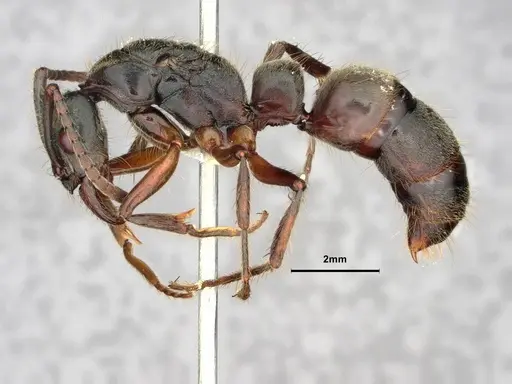
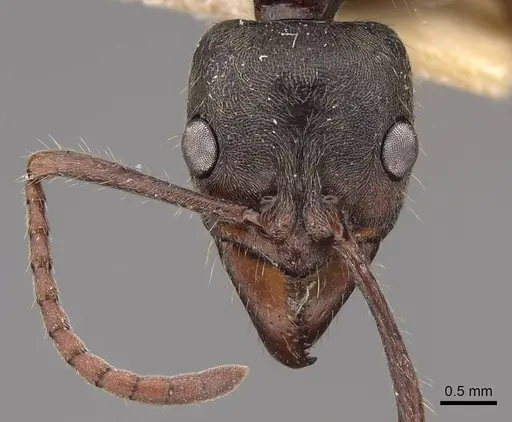
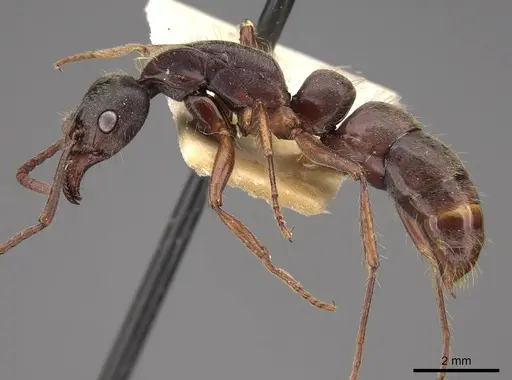
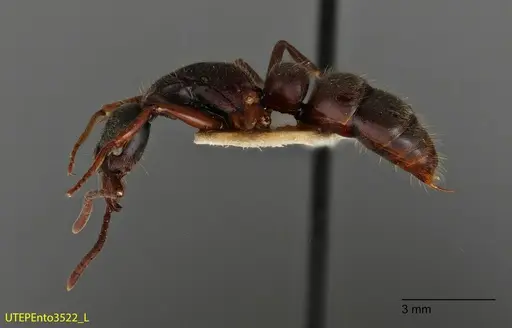
Neoponera globularia is a large ant species found throughout northern and central South America, from Colombia to Paraguay, including Trinidad, Guyana, French Guiana, and the Brazilian Amazon . Workers measure 12mm total length with a reddish-brown coloration. Queens are slightly larger at 14.5mm total length. This species belongs to the crenata species complex and is distinguished by its nearly circular petiolar node when viewed from above - the feature that gives them their species name 'globularia' (meaning spherical) . In the wild, they nest in rotting wood on the forest floor and are occasionally found foraging on vegetation or in malaise traps .
Quick Summary
- Difficulty: Medium
- Origin & Habitat: Northern through central South America (Colombia, Peru, Venezuela, Trinidad, Guyana, French Guiana, Suriname, Brazil, Paraguay). Found in primary and secondary rainforest and on windblown ridges at elevations ranging from 320-1040m, including gallery forest, riparian forest, and inundated low forest [1][2][3].
- Colony Type: Colony structure is unconfirmed. Multiple dealate females have been collected together in the wild (July-August in Guyana), suggesting possible multi-queen behavior, though this requires further study [1].
- Size & Growth:
- Antkeeping:
- Temperature: Keep at 24-28°C. As a tropical species from elevations 320-1040m, they prefer warm temperatures. A heating cable on one side of the nest creates an ideal gradient.
- Humidity: High humidity required, keep nest substrate consistently moist but not waterlogged. Provide a water reservoir in test tube setups. Mist the outworld regularly.
- Diapause: No diapause required. As a tropical species from low latitudes, they do not need hibernation. However, slight temperature reduction during winter months may be beneficial, aim for 20-24°C.
- Nesting: In captivity, they do well in test tubes for founding and early stages, then transition to Y-tong (AAC) nests or naturalistic setups with rotting wood or cork. They naturally nest in rotting wood on the forest floor, so provide damp substrate or pre-made nests with chambers scaled to their large size [1].
- Behavior: These are large ants with a potent sting. They are active foragers. Workers will defend the colony aggressively if threatened. Their large size means escape prevention is straightforward, they cannot squeeze through standard barrier gaps. However, their sting should be taken seriously, and they should be handled with care.
- Common Issues: colonies may develop slowly, leading to keeper impatience, wild-caught colonies may carry parasites, one specimen was found infected with Cordyceps fungus in the wild [1], high humidity requirements can lead to mold issues if ventilation is poor, their predatory nature means they need live prey, sugar sources alone will not sustain them, large size and potent sting means they should be kept out of reach of curious pets and children
Housing and Nest Setup
For founding colonies, a standard test tube setup works well. Use a test tube filled with water reservoir (about 1/3 full) blocked with cotton, this provides humidity for weeks. Place the tube in a dark area and try not to disturb the queen for several weeks until eggs hatch into larvae. Once workers emerge, you can move the colony to a small outworld setup. For established colonies, Y-tong (AAC) nests work excellently, the acrylic chambers are easy to keep humid and allow you to observe the colony. Alternatively, a naturalistic setup with a layer of damp soil and pieces of rotting wood or cork bark mimics their natural forest floor nesting sites. Ensure the nest area stays humid while the outworld can be slightly drier. Because these are large ants, they need more space than tiny species, provide at least a 10x10cm nest area for a growing colony [1].
Feeding and Diet
Neoponera globularia is predatory, like most Ponerinae ants. Their diet should consist primarily of live small invertebrates, small crickets, fruit flies, mealworms, and other appropriately-sized arthropods. They will likely accept protein-rich foods like small pieces of raw chicken or fish, though live prey is preferred and stimulates natural hunting behavior. Sugar sources may be accepted occasionally, you can offer a drop of diluted honey or sugar water, but do not rely on this as a primary food source. Feed protein several times per week, removing any uneaten prey after 24 hours. The large workers can tackle prey items nearly their own size, making them effective predators. A varied diet helps ensure colony health [1].
Temperature and Seasonal Care
As a species from the tropical rainforests of South America (elevations 320-1040m), Neoponera globularia prefers warm, humid conditions. Keep the nest area at 24-28°C, this is warm but not extreme and matches their natural habitat. A small heating cable placed on one side of the nest creates a temperature gradient that lets the ants choose their preferred zone. Avoid temperatures above 32°C as this can stress the colony. During winter months, a slight temperature reduction to around 20-24°C may be beneficial, but a full hibernation is not necessary or recommended for this tropical species. Maintain high humidity year-round, rainforest conditions are key to their success in captivity [2].
Behavior and Defense
These ants are large and possess a potent sting, which they will use if threatened. Workers are not particularly fast-moving but will aggressively defend their nest and brood. When keeping this species, handle with care and avoid disturbing the nest unnecessarily. They are not escape artists due to their size, standard barrier methods work well. In the wild, they forage on vegetation and are known to be collected with army ants (Eciton rapax), suggesting they may be opportunistic foragers [1]. Their large size makes them impressive display ants, but they are best suited for keepers who are comfortable with stinging species.
Colony Development and Growth
Colony growth rate is not well documented for this species. A newly mated queen will lay eggs within a week or two of establishing. Growth rate depends heavily on temperature and feeding, warmer temperatures and abundant protein accelerate development. Unlike some fast-growing species, patience is key with Neoponera. A healthy colony may take several years to reach substantial numbers. Avoid overfeeding, as uneaten prey can mold and harm the colony [1].
Frequently Asked Questions
How long does it take for Neoponera globularia to produce first workers?
Development time is not documented for this species. First workers typically appear within a few months under optimal conditions (around 26°C and good nutrition), but exact timing is unknown.
Can I keep Neoponera globularia in a test tube?
Yes, test tubes work well for founding colonies. Use a standard test tube with a water reservoir (cotton-stopped) to maintain humidity. Keep the tube in a dark, quiet location and do not disturb the queen until workers emerge.
What do Neoponera globularia ants eat?
They are predatory ants that need live small invertebrates. Offer small crickets, fruit flies, mealworms, or other appropriately-sized arthropods. They may accept protein like raw chicken occasionally, but live prey is ideal. Sugar sources like honey water may be accepted but should not be the primary food.
Do Neoponera globularia ants sting?
Yes, they have a potent sting and will use it if threatened. These ants should be handled with care. Their large size makes them easy to see and avoid, but keep them away from curious pets and children.
Do Neoponera globularia need hibernation?
No, hibernation is not recommended. As a tropical rainforest species from low latitudes, they do not require a cold period. Simply maintain warm temperatures (24-28°C) year-round with perhaps a slight reduction in winter.
How big do Neoponera globularia colonies get?
Colony size is not well documented for this species. Based on related Neoponera species, colonies may reach several hundred workers over several years, but this is uncertain.
Are Neoponera globularia good for beginners?
They are rated as medium difficulty. While their large size makes them easier to house than tiny ants, their predatory diet (requiring live prey), high humidity needs, and potent sting make them better suited for keepers who already have some antkeeping experience.
When should I move my colony to a formicarium?
Move the colony when the test tube becomes crowded or when you see workers actively foraging in the outworld area. This is typically once you have a decent number of workers. A Y-tong (AAC) nest or naturalistic setup works well for this species.
Can I keep multiple Neoponera globularia queens together?
This is not well documented. Multiple dealate females have been found together in the wild, suggesting possible multi-queen behavior, but captive combining of unrelated queens has not been studied. It is not recommended to attempt combining queens without documented success.
What temperature is best for Neoponera globularia?
Keep nest temperatures at 24-28°C. A heating cable on one side of the nest creates a gradient that lets ants regulate their own temperature. Avoid temperatures above 32°C.
Report an Issue
The current care sheet is based fully on literature. See inconsistencies, or something that's incorrect? Please , it will be resolved after review from an admin. Contributing to the blogs tab also helps providing information, to make us be able to further improve the caresheets. Thank you for your support!
References

This caresheet is licensed under CC BY-SA 4.0 .
Community Blogs
CASENT0249141
View on AntWeb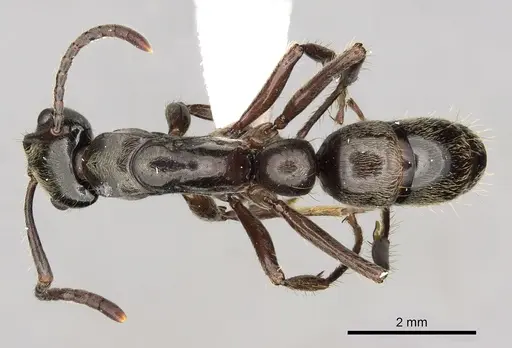
CASENT0862739
View on AntWeb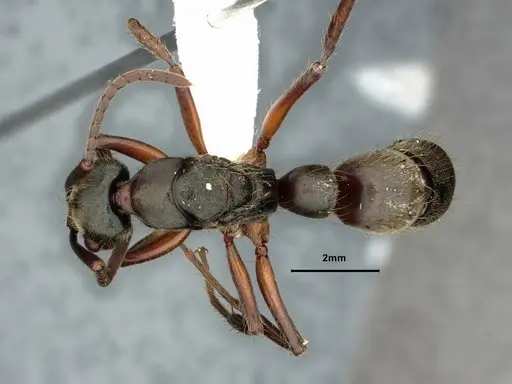
CASENT0923100
View on AntWeb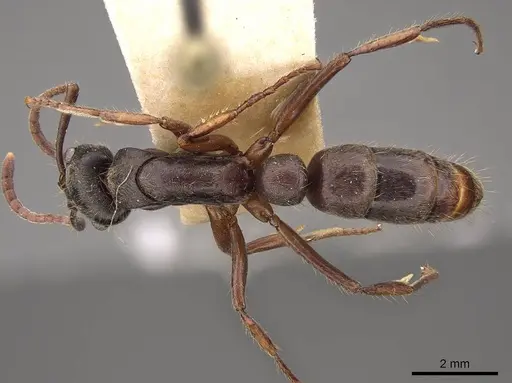
UTEPENTO3522
View on AntWeb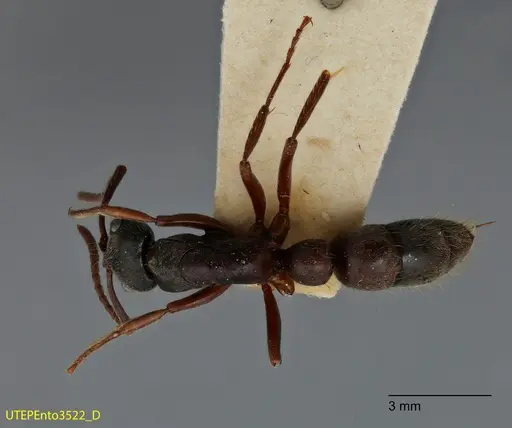
Literature
Loading distribution map...Loading products...