
Neoponera fauveli
- Sci. Name
- Neoponera fauveli
- Tribe
- Ponerini
- Subfamily
- Ponerinae
- Author
- Emery, 1895
- Distribution
- Found in 3 countries
Introduction
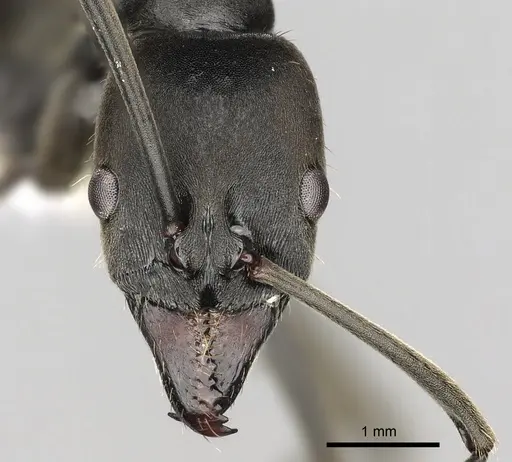
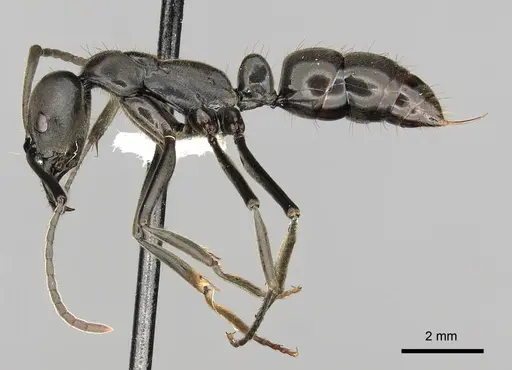
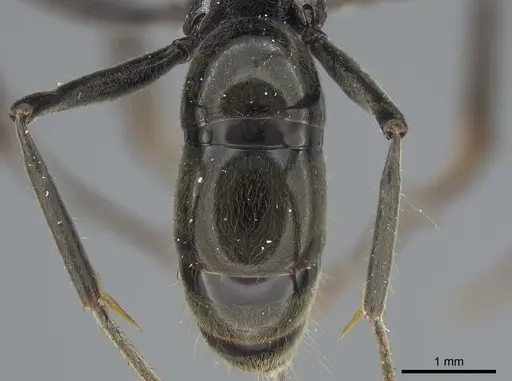
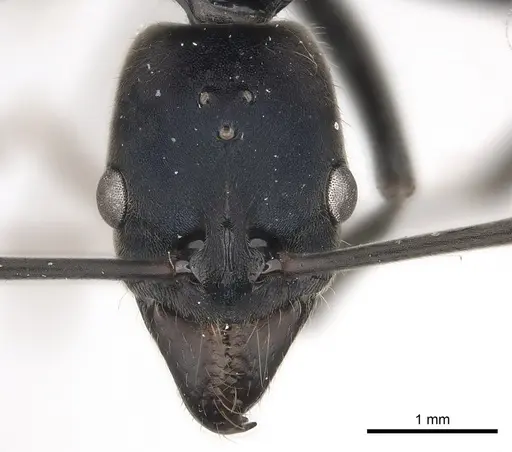
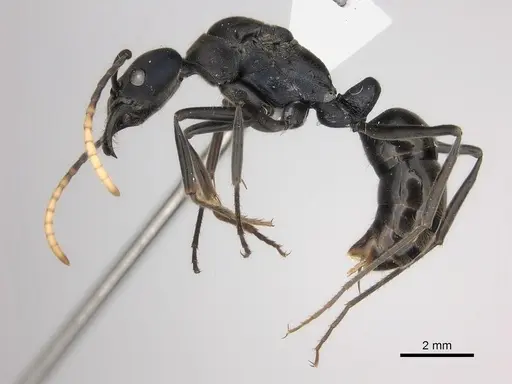
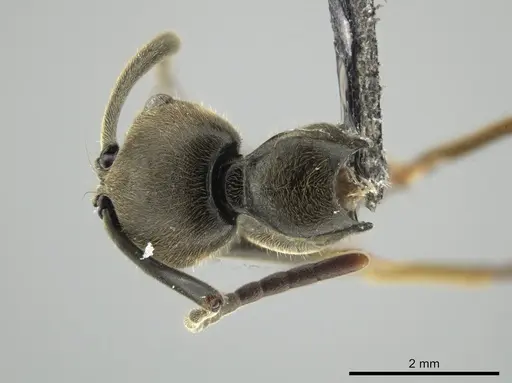
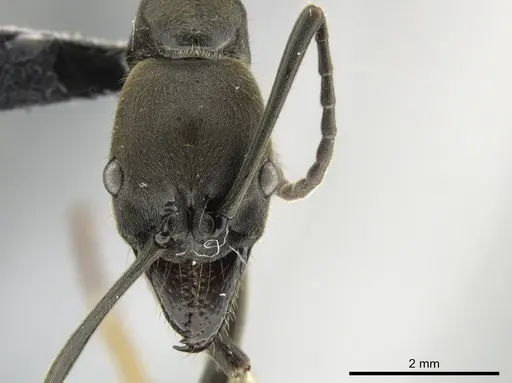
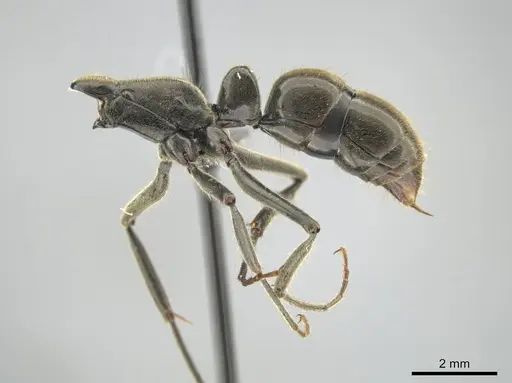
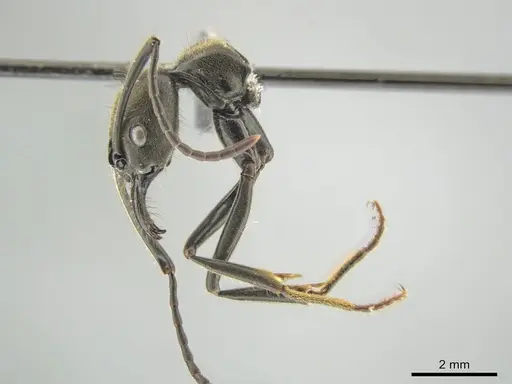
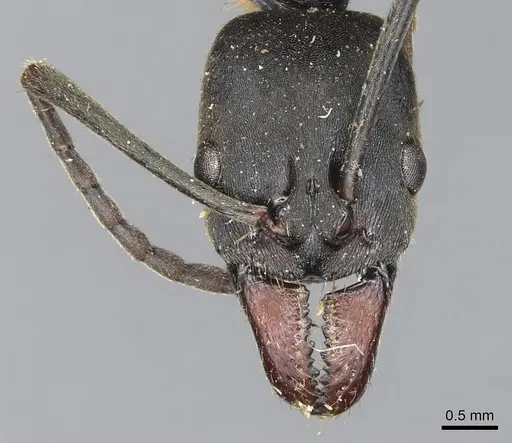
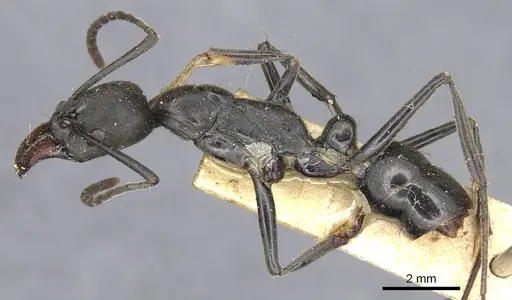
Neoponera fauveli is a large ponerine ant from northern South America, ranging from Colombia to Bolivia. Workers measure 11-12mm in length, making them one of the larger ant species in the region . They are black with blue reflections when clean, legs and antennae dark brown or black with yellow tips on the antennae, similar to Pachycondyla apicalis . Their mandibles have 11-13 unequal teeth . They nest under wood pieces in forested zones at elevations between 50-2,200 meters.
Quick Summary
- Difficulty: Medium
- Origin & Habitat: Found in Colombia (Antioquia, Caquetá, Cauca, Chocó, Nariño, Risaralda, Valle del Cauca), Peru, and Bolivia in forested zones between 50-2,200 meters elevation [2][3][4][5]. They live under wood pieces in forest habitats [1].
- Colony Type: Colony structure is unconfirmed. No data available on queen number or social organization.
- Size & Growth:
- Antkeeping:
- Temperature: Based on their Neotropical forest habitat spanning 50-2,200m elevation, maintain temperatures around 24-28°C [2]. A thermal gradient is beneficial.
- Humidity: Maintain high humidity, keep the nest substrate consistently moist but not waterlogged. This mimics the damp environment under forest floor wood pieces [1].
- Diapause: Unconfirmed, they are tropical ants, but elevations up to 2,200m may bring seasonal cooling. No documented requirement, but a slight winter temperature drop could be considered.
- Nesting: Naturally nest under wood pieces [1]. In captivity, provide a naturalistic setup with soil substrate and a piece of rotting wood, or a Y-tong/plaster nest with moisture. Ensure chambers are large enough for 11-12mm workers.
- Behavior: As a ponerine, they are active hunters with a potent sting (subfamily trait). Their large size means they are unlikely to escape through tiny gaps, but they are strong and can climb. Exercise caution when handling. No specific behavioral data published for this species.
- Common Issues: limited availability, rarely found in the antkeeping hobby, high humidity and warmth required, failure to maintain these can cause colony decline, predatory diet, need a steady supply of live or dead insects, brood development stops without protein, potentially painful sting, handle with care and ensure secure containment
Natural History and Distribution
Neoponera fauveli ranges from Colombia through Peru to Bolivia in northern South America [2][3][4]. They inhabit forested zones at elevations between 50 and 2,200 meters [2]. In Colombia, they have been recorded in Antioquia, Caquetá, Cauca, Chocó, Nariño, Risaralda, and Valle del Cauca [3][4]. They live under wood pieces on the forest floor [1]. This species was formerly classified as Neoponera fauveli and is morphologically similar to Neoponera aenescens, but is larger, more slender, and has longer antennae [1].
Housing and Nest Preferences
In captivity, replicate their natural nesting under wood pieces. A setup with a soil substrate layer allows them to burrow and create chambers. Provide a flat piece of bark or rotting wood on the surface. The substrate should remain consistently moist but not waterlogged. Y-tong (aerated concrete) or plaster nests with large chambers also work if humidity is maintained via a water tube. Workers are 11-12mm, so chambers should be spacious. Use a foraging area (outworld) connected to the nest for feeding. [1]
Feeding and Diet
As predatory ponerines, they need protein-rich foods. Offer small live insects such as fruit flies, small crickets, mealworms, and roaches. They will also take dead prey. Provide sugar sources like honey or sugar water for energy, but protein is critical for brood development. Feed 2-3 times per week, removing leftovers to prevent mold. No specific dietary data published for N. fauveli, but these recommendations follow general ponerine care.
Temperature and Humidity Requirements
Maintain temperatures around 24-28°C based on their Neotropical forest habitat spanning 50-2,200m elevation [2]. A thermal gradient (warm nest, cooler outworld) allows self-regulation. High humidity is essential, keep the nest substrate moist, and if using artificial nests, add a water reservoir. Aim for the substrate to feel damp but not dripping wet. This mimics the microclimate under forest floor debris.
Colony Development and Growth
No direct developmental data exists for this species. Colony growth is unknown. Expect a slow start if the queen is founding claustrally (unconfirmed). Patience is key. Once workers emerge, many protein feedings will be needed to support brood. There is no published information on colony size or lifespan.
Safety and Handling
Neoponera fauveli belongs to the subfamily Ponerinae, which have a powerful sting. While no sting studies exist for this species, treat it as potentially painful. Avoid direct contact. Their large size (11-12mm) makes them unlikely to squeeze through small gaps, but ensure the nest and outworld are escape-proof with secure connections. Use fluon or ptfe barriers if climbing is an issue. Observe from outside the enclosure.
Frequently Asked Questions
How long does it take for Neoponera fauveli to produce first workers?
Not documented. No development timeline data exists in scientific literature.
What do Neoponera fauveli ants eat?
They are predatory and need protein. Offer small live insects like fruit flies, small crickets, and mealworms. They also accept honey or sugar water. Feed protein 2-3 times per week.
What temperature do Neoponera fauveli colonies need?
Keep at 24-28°C, based on their forest habitat elevation range [2]. Provide a gradient.
Is Neoponera fauveli a good species for beginners?
Rated medium difficulty. They require consistent warmth, high humidity, and a live prey diet. Not widely available. Not recommended for first-time keepers.
How big do Neoponera fauveli colonies get?
Not documented. No data on colony size in scientific literature.
What type of nest should I use for Neoponera fauveli?
Naturalistic setups with soil and a piece of wood work well, as they nest under wood in nature [1]. Y-tong or plaster nests with humidity control also work. Ensure chambers are large enough for 11-12mm workers.
Do Neoponera fauveli need hibernation?
Unconfirmed. They come from tropical regions up to 2,200m elevation, no diapause requirement is documented. A slight winter temperature drop may be safe but is not understood.
Can I keep multiple Neoponera fauveli queens together?
No data. Colony structure is unconfirmed, it is not recommended to attempt multiple queens without evidence of polygyny.
Where is Neoponera fauveli found in the wild?
From Colombia to Bolivia, including Peru. In Colombia: Antioquia, Caquetá, Cauca, Chocó, Nariño, Risaralda, Valle del Cauca. Elevation 50-2,200m in forested zones [2][3][4][5].
Report an Issue
The current care sheet is based fully on literature. See inconsistencies, or something that's incorrect? Please , it will be resolved after review from an admin. Contributing to the blogs tab also helps providing information, to make us be able to further improve the caresheets. Thank you for your support!
References

This caresheet is licensed under CC BY-SA 4.0 .
Community Blogs
CASENT0249142
View on AntWeb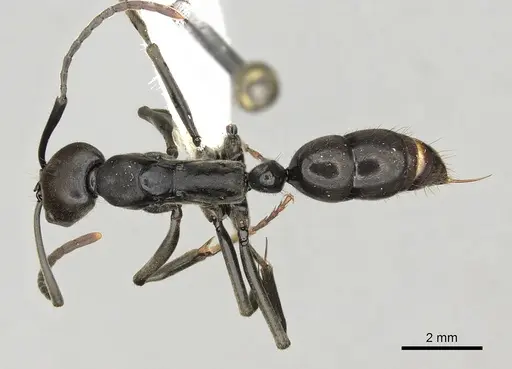
CASENT0428712
View on AntWeb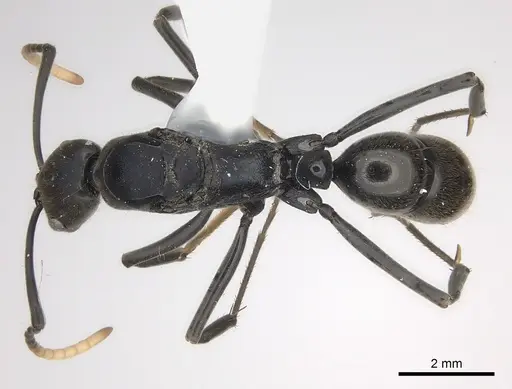
CASENT0649899
View on AntWeb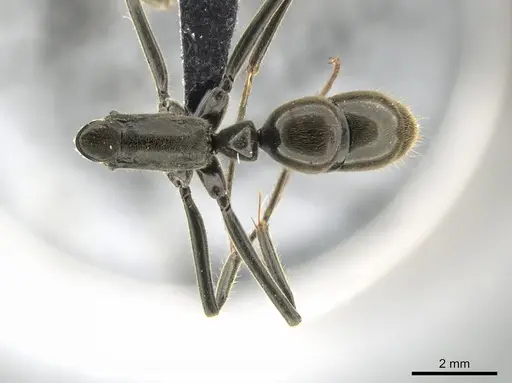
CASENT0903934
View on AntWeb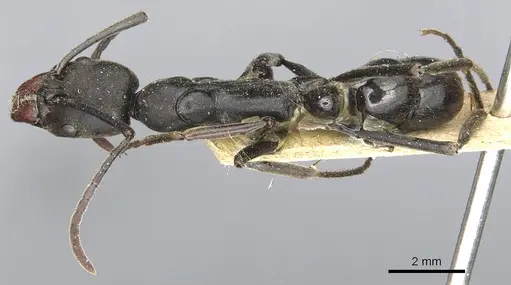
Literature
Loading distribution map...Loading products...