
Neoponera cooki
- Sci. Name
- Neoponera cooki
- Tribe
- Ponerini
- Subfamily
- Ponerinae
- Author
- MacKay & MacKay, 2010
- Distribution
- Found in 2 countries
Introduction
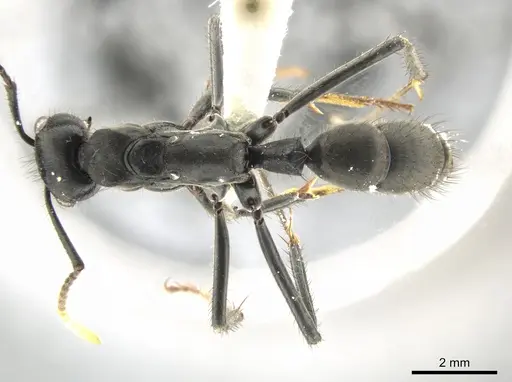
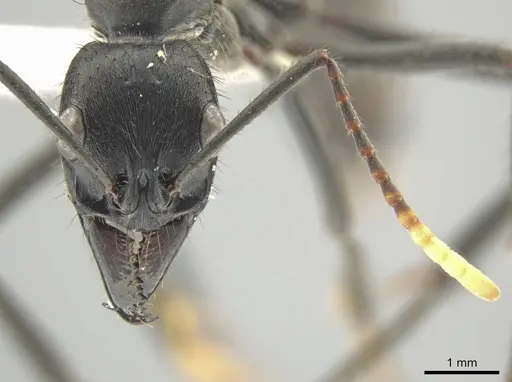
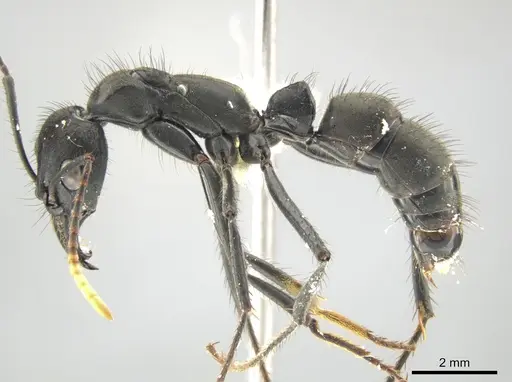
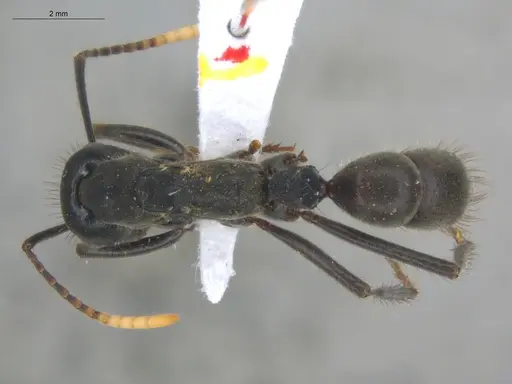
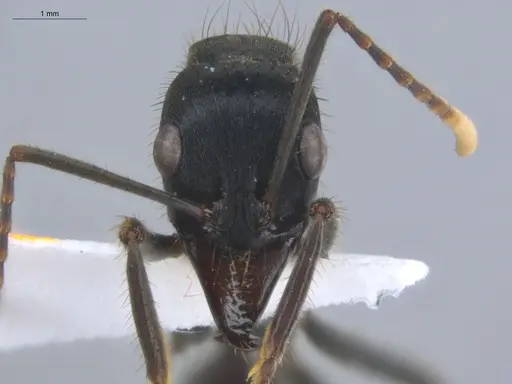
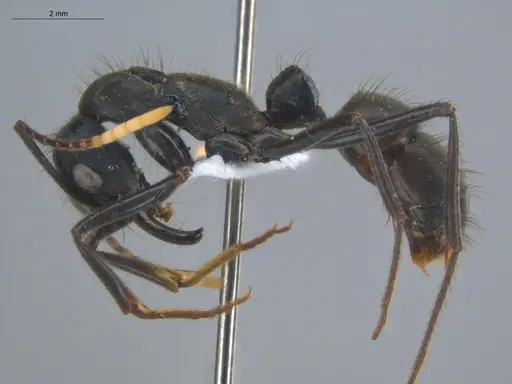
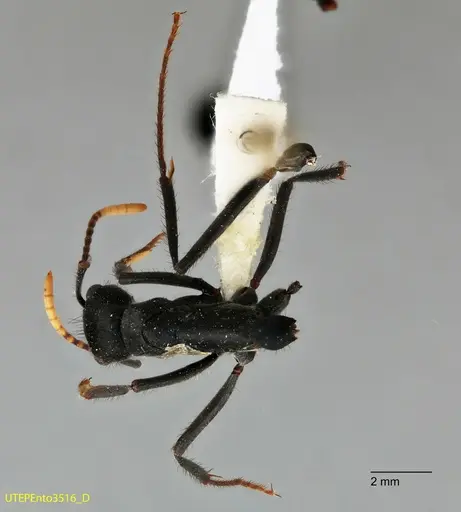
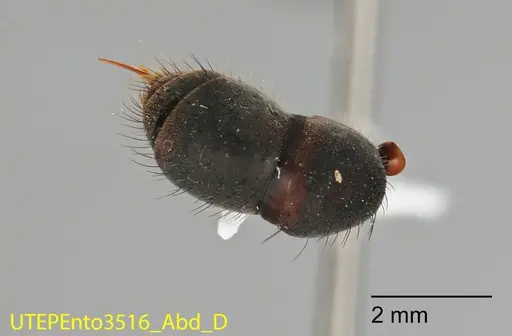
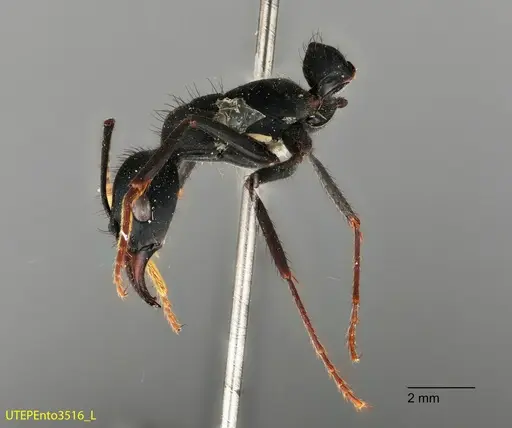
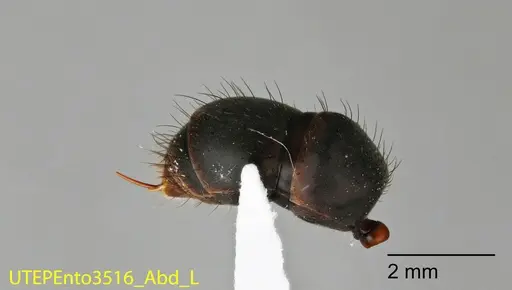
Neoponera cooki is a moderate-sized black ant measuring around 13mm in total length . Workers are distinctive for their yellow-tipped funiculus (the final segments of the antennae) and are covered in long erect hairs. The head has fine longitudinal striae that diverge toward the back . These features help distinguish it from similar species like Neoponera apicalis and Neoponera fauveli . This ant is found in the Neotropical rainforests of Colombia, Ecuador, Brazil, and French Guiana , where it forages on the leaf litter surface . The species was named in honor of myrmecologist Jerry Cook . Queens and males have not been described for this species, making captive breeding challenging as there are no established breeding protocols.
Quick Summary
- Difficulty: Expert
- Origin & Habitat: Neotropical rainforest of Colombia, Ecuador, Brazil, and French Guiana. Specimens collected between 200-215 meters elevation in leaf litter habitats [2][3][4].
- Colony Type: Unknown – queens have not been described.
- Size & Growth:
- Queen: Unknown – queens have not been described
- Worker: 13mm total length [1]
- Colony: Unknown – only a few specimens have ever been recorded, making this one of the rarest Neoponera species [5]
- Growth: Unknown
- Development: Unknown – no development data exists for this species. Based on related Neoponera species, estimate 6-10 weeks at optimal temperature. (No direct data available. Estimates based on genus-level patterns for Ponerine ants.)
- Antkeeping:
- Temperature: Keep warm, around 24-28°C. This species comes from
Report an Issue
The current care sheet is based fully on literature. See inconsistencies, or something that's incorrect? Please , it will be resolved after review from an admin. Contributing to the blogs tab also helps providing information, to make us be able to further improve the caresheets. Thank you for your support!
References

This caresheet is licensed under CC BY-SA 4.0 .
Community Blogs
Literature
Loading distribution map...Loading products...