
Neoponera chyzeri
- Sci. Name
- Neoponera chyzeri
- Tribe
- Ponerini
- Subfamily
- Ponerinae
- Author
- Forel, 1907
- Distribution
- Found in 2 countries
Introduction
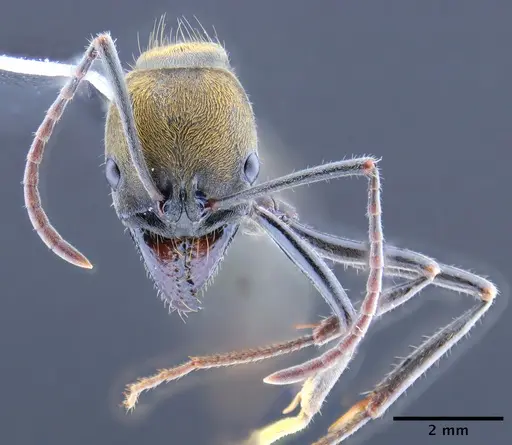
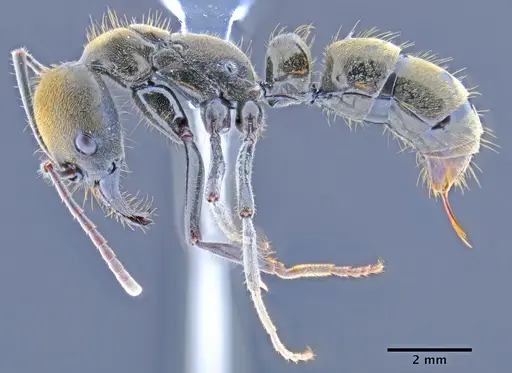
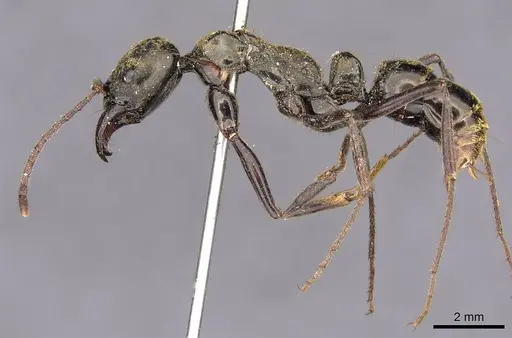
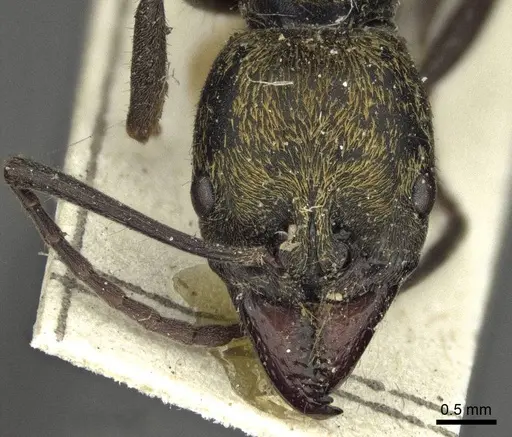
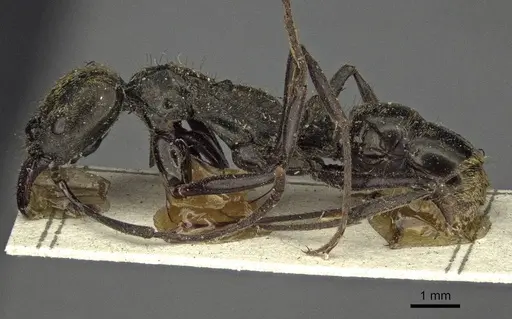
Neoponera chyzeri is a large predatory ant species native to the tropical forests of Colombia, Ecuador, and Peru. The genus Neoponera belongs to the Ponerinae subfamily and is known for its powerful sting. These ants are found in multiple Colombian departments including Boyacá, Caldas, Huila, Magdalena, Quindío, Risaralda, and Valle del Cauca, as well as Ecuador and Peru . As predatory ants, they play a role in their ecosystem by controlling insect populations.
Quick Summary
- Difficulty: Medium
- Origin & Habitat: Tropical forests of Colombia, Ecuador, and Peru. Found in departments including Boyacá, Caldas, Huila, Magdalena, Quindío, Risaralda, and Valle del Cauca [1][2].
- Colony Type: Colony structure is unconfirmed for this species. Based on typical Neoponera genus patterns, likely single-queen colonies.
- Size & Growth:
- Queen: Size data unavailable, no specific measurements exist for this species. Related Neoponera species typically range 18-22mm.
- Worker: Size data unavailable, no specific measurements exist for this species. Related Neoponera species typically range 12-18mm.
- Colony: Colony size data unavailable, estimated several hundred workers based on typical Ponerinae development.
- Growth: Growth rate is unconfirmed, likely moderate based on related species.
- Development: Development time is unconfirmed for this species. Estimates from related Ponerinae suggest 8-12 weeks at optimal temperature. (Direct development data for this species is not available.)
- Antkeeping:
- Temperature: Keep at 24-28°C. Tropical species requiring warm conditions.
- Humidity: High humidity preferred, around 70-80%. Keep the nest substrate consistently moist but not waterlogged.
- Diapause: No true diapause, these are tropical ants that remain active year-round.
- Nesting: In captivity, they do well in Y-tong (AAC) nests, plaster nests, or naturalistic setups with moist substrate. Provide deep chambers as they prefer to burrow.
- Behavior: Neoponera chyzeri is an active, predatory ant with a strong sting. Workers are defensive and will readily attack threats. They are daytime foragers that hunt insects and other small prey. Their large size and potent sting means escape prevention is important. They are not aggressive toward humans unless provoked, but will defend their nest vigorously. These ants are good climbers, ensure enclosures have secure lids.
- Common Issues: tropical humidity requirements mean colonies can struggle in dry environments, their powerful sting makes handling risky, use caution when cleaning or moving nests, escape prevention is critical, they are strong climbers and will find gaps, predatory diet means they need regular protein input, sugar alone is insufficient, slow colony growth can frustrate beginners who overfeed and cause mold problems
Housing and Nest Setup
Neoponera chyzeri does well in several captive setups. Y-tong (AAC) nests work well because you can control humidity precisely and watch colony activity. Plaster nests are another good option, they hold moisture well and provide the damp conditions these ants need. For a naturalistic approach, use a deep soil-based setup with a water reservoir chamber. The nest should have multiple chambers connected by tunnels. The outworld should be spacious enough for hunting and foraging. Use a test tube as a water source in the outworld. Escape prevention is critical, these large ants are excellent climbers. Apply fluon or similar barrier to the upper edges of the enclosure and ensure lids fit tightly.
Feeding and Diet
As predatory ants, Neoponera chyzeri needs a protein-rich diet. Offer live or frozen insects such as fruit flies, small crickets, mealworms, and waxworms. They will typically accept most small arthropods. Protein should be offered 2-3 times per week, with portions sized to what the colony can consume in 24-48 hours. Remove uneaten prey to prevent mold. While not strictly necessary, they may occasionally accept sugar water or honey as an energy boost, but protein is the primary dietary requirement. Fresh water should always be available.
Temperature and Humidity
These tropical ants require warm, humid conditions. Maintain temperatures between 24-28°C during the active season. A slight drop to around 22°C during winter months is acceptable but not required, they remain active year-round in captivity. Use a heating cable placed on top of the nest to create a temperature gradient. Humidity should be maintained at 70-80%. The nest substrate should feel consistently moist but never waterlogged. Allow some drier areas in the outworld so ants can self-regulate. Poor humidity leads to colony decline and brood loss.
Behavior and Temperament
Neoponera chyzeri is an active, diurnal forager with a strong predatory drive. Workers hunt individually, using their powerful mandibles to capture prey. They are defensive of their nest and will readily sting threats. The sting is painful but not medically significant for most people. Colonies are not overly aggressive toward keepers who move slowly and avoid disturbing the nest directly. Workers are long-lived compared to many ant species, which contributes to colony stability.
Colony Development
Colony growth is expected to be moderate. The queen founding method is unconfirmed for this species, some Neoponera are semi-claustral and hunt during founding, while others may be fully claustral. The first workers (nanitics) will likely be smaller than mature workers. Subsequent broods develop faster once the colony has workers to forage. A healthy colony can reach several hundred workers over 2-3 years. Growth rate depends heavily on temperature and feeding frequency.
Frequently Asked Questions
How long does it take for Neoponera chyzeri to produce first workers?
Expect first workers around 8-12 weeks after the queen lays eggs, assuming optimal temperature of 24-28°C. This is estimated from related Ponerinae species as specific development data for N. chyzeri is not available.
What do Neoponera chyzeri eat?
They are predatory ants that need protein. Feed live or frozen insects like fruit flies, small crickets, and mealworms 2-3 times per week. They may occasionally accept sugar water but protein is essential.
Are Neoponera chyzeri good for beginners?
They are rated as medium difficulty. The founding stage may be more challenging than claustral species, and their humidity and temperature requirements are specific. Experienced antkeepers will have more success.
Can I keep multiple Neoponera chyzeri queens together?
Colony type is unconfirmed for this species. Combining unrelated queens is not recommended as they will likely fight. Only keep one queen per colony.
What temperature do Neoponera chyzeri need?
Keep them at 24-28°C. A heating cable on top of the nest can provide warmth. They are tropical ants and do not tolerate cool temperatures.
Do Neoponera chyzeri need hibernation?
No, they are tropical ants and do not require hibernation. You can maintain them at year-round temperatures of 24-28°C, with a slight reduction to around 22°C in winter being acceptable but not necessary.
How big do Neoponera chyzeri colonies get?
Based on typical Neoponera colony sizes, expect colonies to reach several hundred workers over 2-3 years with good care.
When should I move Neoponera chyzeri to a formicarium?
Keep founding queens in a simple test tube setup until they have 15-20 workers. Once the colony outgrows the test tube or has significant brood, transfer to a proper nest setup like a Y-tong or plaster formicarium.
Why is my Neoponera chyzeri colony dying?
Common causes include: low humidity (below 70%), temperatures below 22°C, insufficient protein in diet, mold from overfeeding, or stress from excessive disturbance. Check all parameters and adjust accordingly.
Report an Issue
The current care sheet is based fully on literature. See inconsistencies, or something that's incorrect? Please , it will be resolved after review from an admin. Contributing to the blogs tab also helps providing information, to make us be able to further improve the caresheets. Thank you for your support!
References

This caresheet is licensed under CC BY-SA 4.0 .
Community Blogs
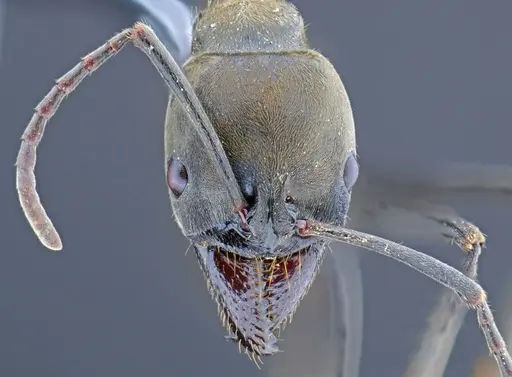
CASENT0649891
View on AntWeb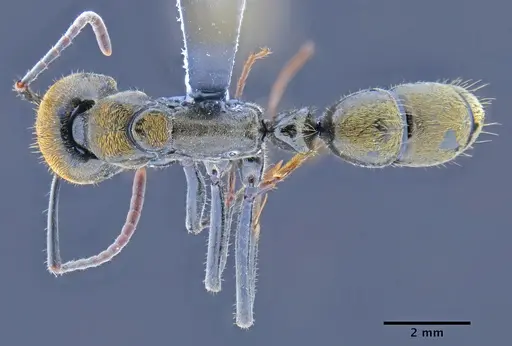
CASENT0649892
View on AntWeb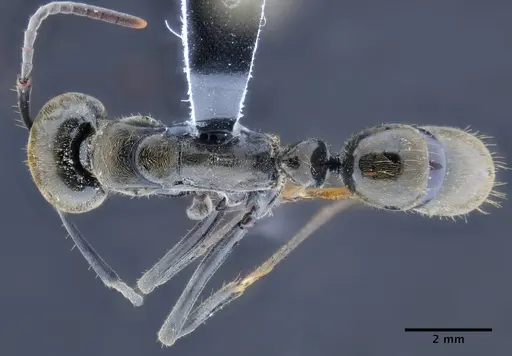
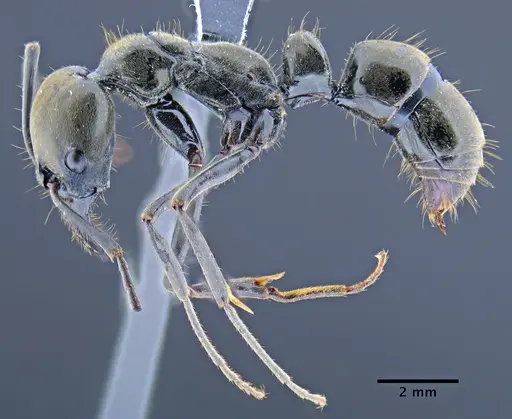
CASENT0907278
View on AntWeb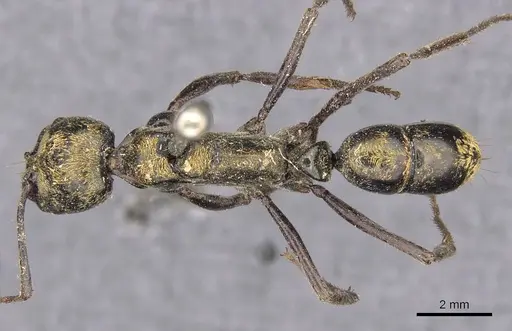
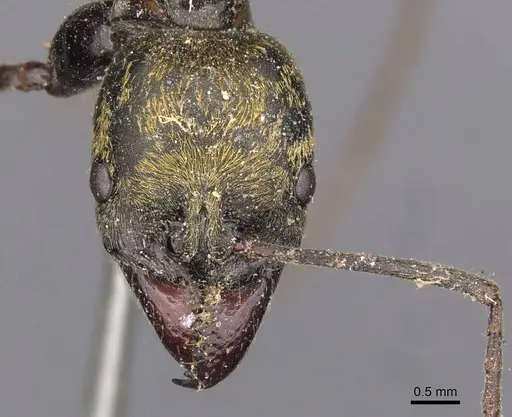
CASENT0916599
View on AntWeb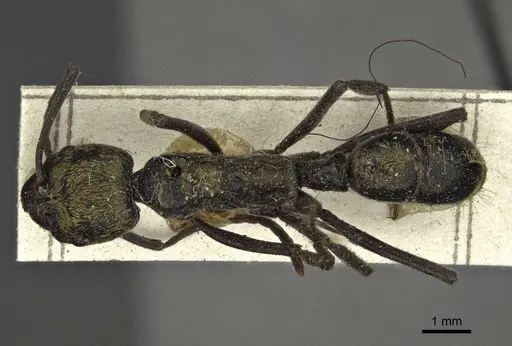
Literature
Loading distribution map...Loading products...