
Neoponera bactronica
- Sci. Name
- Neoponera bactronica
- Tribe
- Ponerini
- Subfamily
- Ponerinae
- Author
- Fernandes <i>et al.</i>, 2014
- Distribution
- Found in 2 countries
Introduction
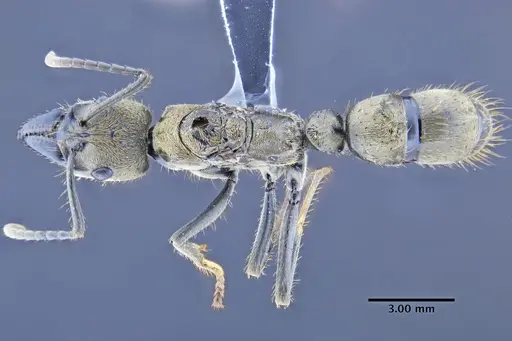
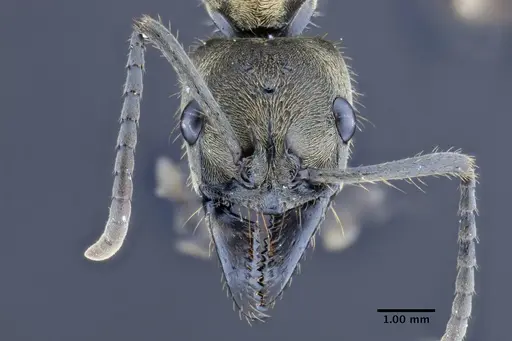
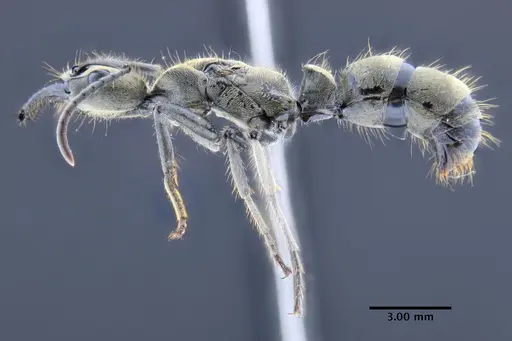
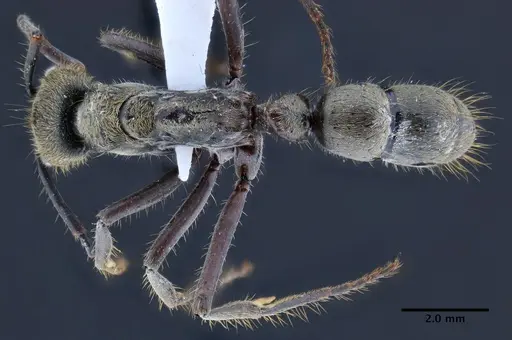
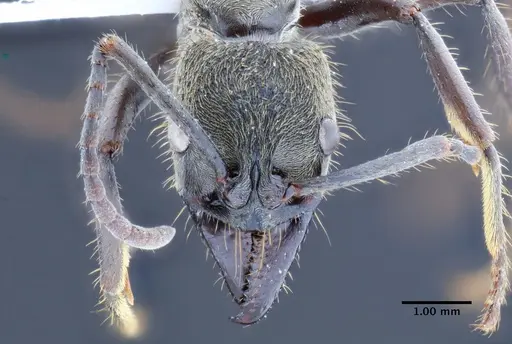
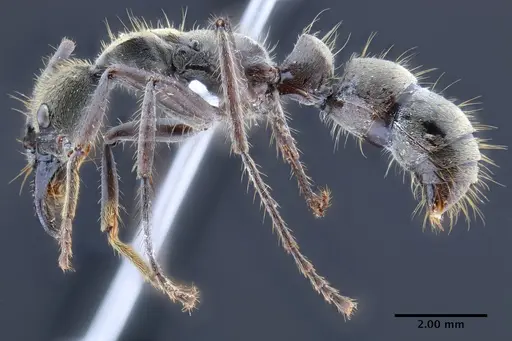
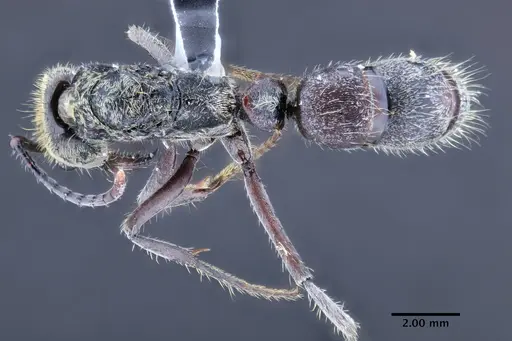
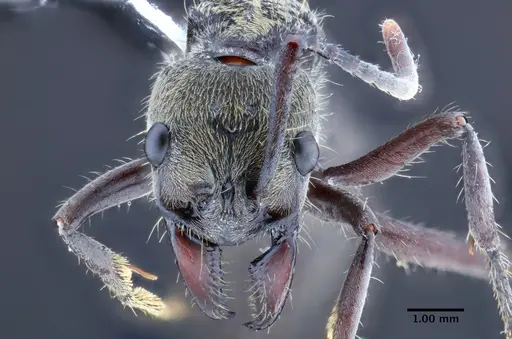
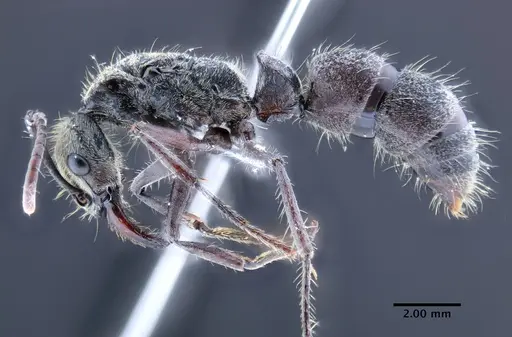
Neoponera bactronica is a relatively large ponerine ant from the N. foetida species complex. Workers are estimated to be around 15-20 mm in total length, covered in distinctive golden pubescence . The species is found in the Neotropical region, including Costa Rica, Panama, French Guiana, and multiple Brazilian states . It is an arboreal species, likely nesting in tree cavities or hollow branches . The biology of Neoponera bactronica is completely unknown - no queens have ever been collected, and nothing is documented about colony structure or care requirements . This makes it a species for experienced keepers who are willing to pioneer captive care.
Quick Summary
- Difficulty: Expert
- Origin & Habitat: Neotropical region, Costa Rica, Panama, French Guiana, and Brazil (Amapá, Pará, Piauí, Sergipe, Bahia, Distrito Federal, São Paulo, Paraná, Santa Catarina). Found in arboreal habitats in tropical forests [1][2].
- Colony Type: Unconfirmed, queens have never been collected, so colony structure is unknown [2].
- Size & Growth:
- Queen: Unknown, no queens have been collected [2]
- Worker: ~15-20 mm, inferred from Neoponera genus based on size mention in [1]
- Colony: Unknown, no colony size data exists
- Growth: Unknown
- Development: Unknown, no development data exists for this species (Based on related ponerine species, development may take several months at warm temperatures, but this is entirely estimated)
- Antkeeping:
- Temperature: Inferred from Neotropical distribution, keep warm, around 24-28°C, with a slight gradient [1][2]
- Humidity: Inferred from arboreal habitat, keep nest substrate consistently moist but not waterlogged [1]
- Diapause: Unknown, Neotropical species may not require hibernation, but may slow down during cooler periods
- Nesting: Arboreal species, provide nesting options like cork or wood structures that mimic tree cavities [1]
- Behavior: Based on subfamily Ponerinae, workers likely have a sting and are predatory. Escape risk is moderate due to their size, standard barrier methods should suffice. Handle with caution due to potential sting.
- Common Issues: lack of established care protocols may lead to colony failure, no documented feeding preferences, trial and error with prey acceptance is needed, queens never collected, founding behavior is unknown and may be difficult, slow growth likely based on related species, patience required, wild-caught colonies may have parasites with no known treatment
Species Identification and Range
Neoponera bactronica is part of the N. foetida species complex, closely related to N. curvinodis and N. inversa [1]. Workers are identified by a strongly punctate head, a deep notopropodeal groove, and a petiole longer than high [2]. The species shows color variation, with darker individuals near the equator [2]. Distribution spans Costa Rica, Panama, French Guiana, and Brazil [2].
Biology Gap
Almost nothing is known about Neoponera bactronica biology. The original description states 'biology: unknown' [2], and no queens have been collected. This means keepers will be pioneering captive care without established protocols [2].
Inferences from Related Species
Based on related Neoponera species, workers are likely predatory and arboreal nesters [1]. Karyotype studies show 2n=26-28 chromosomes, confirming it is a distinct species [1][3]. The species is found in sympatry with other Neoponera in southern Bahia, suggesting similar habitats [1].
Housing and Nest Setup
As an arboreal species, provide nesting structures like cork or wood that mimic tree cavities [1]. Use a Y-tong or plaster nest with moisture provision to maintain humidity. Since biology is unknown, offer a humidity gradient for ants to self-regulate [2].
Feeding and Nutrition
Feeding protocols are unconfirmed, but based on genus patterns, start with small live prey like fruit flies or crickets. Observe acceptance and adjust accordingly [2].
Temperature and Seasonal Care
Aim for warm temperatures around 24-28°C, with a slight gradient. Neotropical species may not require diapause, but monitor activity [1][2].
Frequently Asked Questions
Is Neoponera bactronica good for beginners?
No, this is an expert-level species because biology is completely unknown. There are no established care protocols [2].
How long does it take for first workers to emerge?
Unknown, no data exists. Based on related species, it may take several months at warm temperatures, but this is estimated [2].
Can I keep multiple queens together?
Unknown, colony structure has never been documented. Queens have never been collected [2].
What do Neoponera bactronica eat?
Unconfirmed, no feeding observations. Based on genus patterns, start with small live prey [2].
How big do colonies get?
Unknown, no colony size data exists [2].
Why is there no information about this species?
Neoponera bactronica was described in 2014 and remains poorly studied. No biology has been documented [2].
Are they arboreal or ground-nesting?
Likely arboreal, the species is described as arboreal in genetic studies [1].
When will more care information become available?
Unclear, the antkeeping community may generate first observations. Document and share your experiences if you keep this species.
Report an Issue
The current care sheet is based fully on literature. See inconsistencies, or something that's incorrect? Please , it will be resolved after review from an admin. Contributing to the blogs tab also helps providing information, to make us be able to further improve the caresheets. Thank you for your support!
References

This caresheet is licensed under CC BY-SA 4.0 .
Community Blogs
Literature
Loading distribution map...Loading products...