
Neoponera antecurvata
- Sci. Name
- Neoponera antecurvata
- Tribe
- Ponerini
- Subfamily
- Ponerinae
- Author
- MacKay & MacKay, 2010
- Distribution
- Found in 4 countries
Introduction
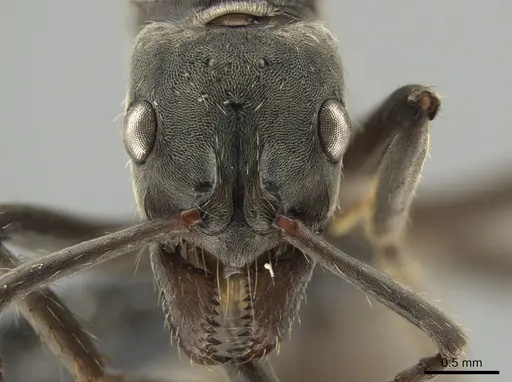
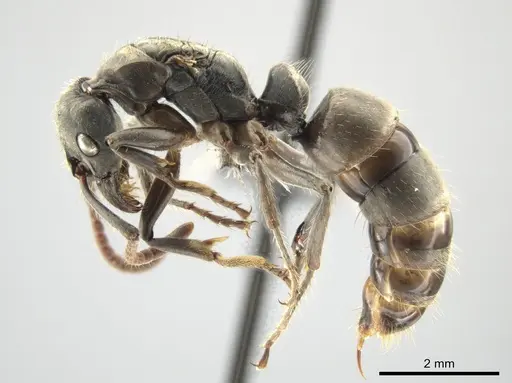
Neoponera antecurvata is a small black ant measuring about 7mm in total length, belonging to the N. crenata group. Workers have dark brown legs and distinctive morphological features including approximately 14 alternating teeth on the mandibles and a uniquely shaped petiole with the highest point just anterior to the midpoint. This species is native to Central and South American rainforests, where it is commonly found in the canopy of mature wet tropical forests from Costa Rica through Panama to Brazil, Peru, and Ecuador. It is considered a 'mature forest version' of the related Neoponera unidentata, preferring well-preserved habitats and typically nesting in live tree stems near streams. The queen and male castes remain unknown, making captive breeding extremely challenging.
Quick Summary
- Difficulty: Expert
- Origin & Habitat: Wet tropical rainforests of Central and South America (Costa Rica, Panama, Guatemala, Honduras, Peru, Brazil, Ecuador). Found in mature forest canopy and along streams in living tree stems. [1][2]
- Colony Type: Colony structure unconfirmed, queen caste has not been described. Likely single-queen colonies based on related Neoponera species, but this requires confirmation.
- Size & Growth:
- Antkeeping:
- Temperature: Keep warm at 24-28°C. As a tropical rainforest species, they need consistent warmth similar to their natural canopy environment.
- Humidity: High humidity required, aim for 70-85%. These ants come from wet tropical forests and need consistently moist conditions. Provide a water tube and keep the nest substrate damp but not waterlogged.
- Diapause: No, this is a tropical species that does not experience cold winters. Maintain warm conditions year-round.
- Nesting: Arboreal. In the wild, they nest in live tree stems. For captivity, a naturalistic setup with vertical spaces or a Y-tong/plaster nest with high humidity works best. Provide climbing structures and bark or wood pieces. [1][2]
- Behavior: Active foragers in the rainforest canopy. Likely more timid than aggressive given their arboreal lifestyle and small size. They may use chemical trails to recruit nestmates to food sources. Their small 7mm size means they can squeeze through tiny gaps, excellent escape prevention is essential. Like all Ponerines, they have a stinger for defense.
- Common Issues: queen unavailability, the queen has never been described, making wild colony capture the only option, humidity control, maintaining high humidity without mold is challenging, escape risk, small size requires fine mesh barriers, unknown development, keepers have no reference for expected growth timelines, arboreal nature, they need vertical space and climbing structures, not just horizontal tunnels
Housing and Nest Setup
Neoponera antecurvata is an arboreal species that naturally nests in live tree stems within the rainforest canopy. For captive care, provide a naturalistic setup that mimics this vertical environment. A Y-tong or plaster nest with high humidity works well, but include climbing structures like cork bark, twigs, or artificial plants. The nest should have small chambers scaled to their 7mm worker size. Keep the substrate consistently moist, these ants come from wet tropical forests where humidity stays high year-round. A water tube connected to the nest helps maintain moisture. Because they are small, use fine mesh on any openings to prevent escapes. [1][2]
Temperature and Humidity
As a tropical species from wet rainforests, Neoponera antecurvata needs warm and humid conditions. Maintain temperatures between 24-28°C year-round, these ants have no diapause requirement and do not tolerate cool conditions. Humidity should stay high at 70-85%. Use a hygrometer to monitor levels and mist or add water to substrate as needed. A heating cable on one side of the nest can create a temperature gradient while maintaining humidity. Avoid placing the nest in air-conditioned rooms or anywhere temperatures might drop below 22°C. Poor temperature control leads to colony decline.
Feeding and Diet
Like other Ponerine ants, Neoponera antecurvata is predatory. In the wild, they forage in the canopy and hunt small arthropods. Offer small live prey such as fruit flies, pinhead crickets, small mealworms, and other appropriately-sized insects. They may also accept protein-rich foods like boiled egg or cat food, but live prey is ideal for their hunting instincts. Feed every 2-3 days with small amounts that can be consumed within a day. Remove uneaten prey to prevent mold. Sugar sources are not typically a primary food for predatory Ponerines, but you can occasionally offer a drop of honey or sugar water.
Colony Acquisition
This is one of the most challenging aspects of keeping Neoponera antecurvata. The queen caste has never been scientifically described, meaning no one has documented a founding colony with a queen. Workers are occasionally collected through canopy fogging in their native range, but this is not a reliable or ethical source for antkeepers. Your best option is to search for established colonies from keepers who have successfully kept this species, though such colonies are extremely rare in the hobby. Do not attempt to collect from the wild, they are found in mature forest canopies which are difficult to access, and collecting may harm wild populations. [1]
Behavior and Temperament
Neoponera antecurvata workers are active foragers in the rainforest canopy. They are likely more timid than aggressive, given their arboreal lifestyle and small size compared to other Ponerines. They probably use chemical trails to recruit nestmates to food sources, similar to related species. Their small 7mm size means they can squeeze through tiny gaps, excellent escape prevention is essential. Use fluon on nest edges and ensure all openings are sealed. They have a stinger for defense, though their small size means any sting would be mild. Watch for stress indicators like workers clustering away from food or excessive brood abandonment.
Frequently Asked Questions
Where can I get a Neoponera antecurvata queen?
Unfortunately, the queen for this species has never been described in scientific literature, meaning no one has documented a founding queen. This makes obtaining a colony extremely difficult. Your best option is to find an established colony from another keeper, though such colonies are exceptionally rare in the antkeeping hobby. Do not attempt to collect from the wild, they live in the rainforest canopy which is difficult to access. [1]
What do Neoponera antecurvata ants eat?
Like other Ponerine ants, they are predatory. Feed small live prey such as fruit flies, small crickets, mealworms, and other appropriately-sized insects. They may accept protein foods like boiled egg or cat food, but live prey matches their natural hunting behavior. Offer food every 2-3 days and remove uneaten prey to prevent mold.
What temperature do Neoponera antecurvata ants need?
Keep them warm at 24-28°C year-round. This is a tropical species from wet rainforests that does not tolerate cool temperatures. Use a heating cable on one side of the nest if your room temperature is below this range. Never let temperatures drop below 22°C.
Are Neoponera antecurvata ants good for beginners?
No. This species is rated Expert difficulty. The queen has never been described, making colony acquisition nearly impossible. There is no data on their development, founding behavior, or specific care requirements. For a similar but more manageable Ponerine, consider starting with a more common species where queens and care requirements are well-documented. [1]
How big do Neoponera antecurvata colonies get?
Unknown. No colony size data has been documented for this species.
Do Neoponera antecurvata ants need hibernation?
No. This is a tropical species from wet rainforests that does not experience cold winters. Maintain warm, humid conditions year-round without any cooling period. Diapause is not required and could harm the colony.
What humidity level do Neoponera antecurvata ants need?
High humidity at 70-85%. These ants come from wet tropical forests where humidity stays consistently high. Keep the nest substrate moist but not waterlogged. Use a hygrometer to monitor levels and mist or add water as needed. A water tube connected to the nest helps maintain humidity. Poor humidity leads to colony decline and death.
What kind of nest should I use for Neoponera antecurvata?
A naturalistic setup works best since they are arboreal. Use a Y-tong or plaster nest with high humidity, but include climbing structures like cork bark, twigs, or artificial plants. The nest should have small chambers scaled to their 7mm worker size. Provide a vertical setup rather than just horizontal tunnels. [1][2]
Why are my Neoponera antecurvata ants dying?
The most likely issues are: temperature too low (below 22°C), humidity too low (below 70%), poor escape prevention allowing escapes, or stress from inadequate prey. Since there is no established care benchmark for this species, troubleshooting is difficult. Ensure warm temperatures, high humidity, appropriate-sized live prey, and secure enclosures.
Report an Issue
The current care sheet is based fully on literature. See inconsistencies, or something that's incorrect? Please , it will be resolved after review from an admin. Contributing to the blogs tab also helps providing information, to make us be able to further improve the caresheets. Thank you for your support!
References

This caresheet is licensed under CC BY-SA 4.0 .
Community Blogs
CASENT0649083
View on AntWeb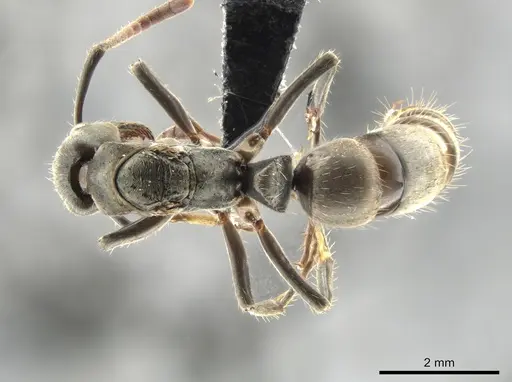
UTEPENTO3513
View on AntWeb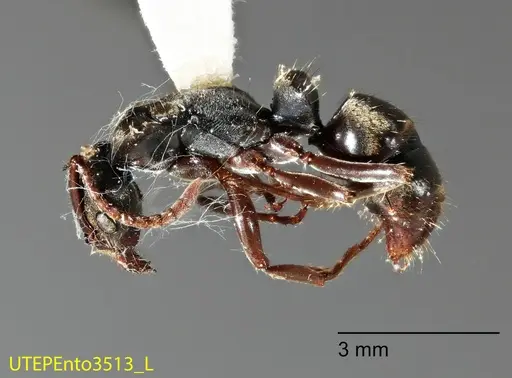
Literature
Loading distribution map...Loading products...