
Neoponera aenescens
- Sci. Name
- Neoponera aenescens
- Tribe
- Ponerini
- Subfamily
- Ponerinae
- Author
- Mayr, 1870
- Distribution
- Found in 6 countries
Introduction
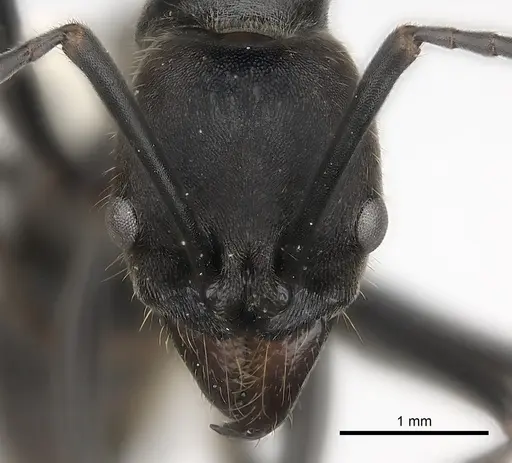
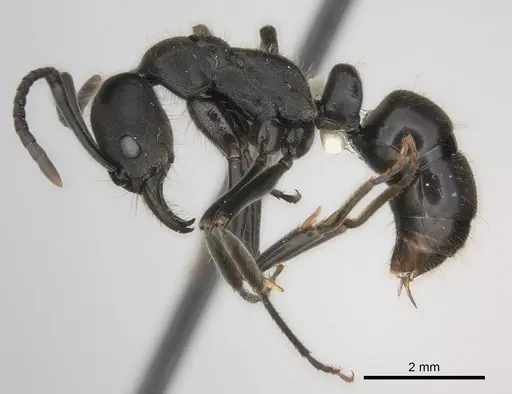
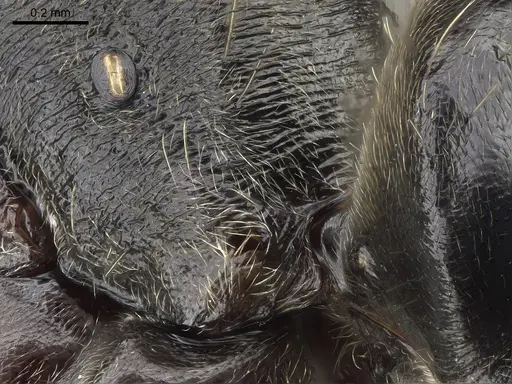
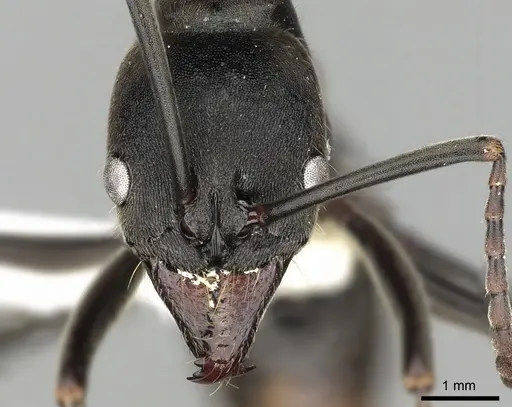
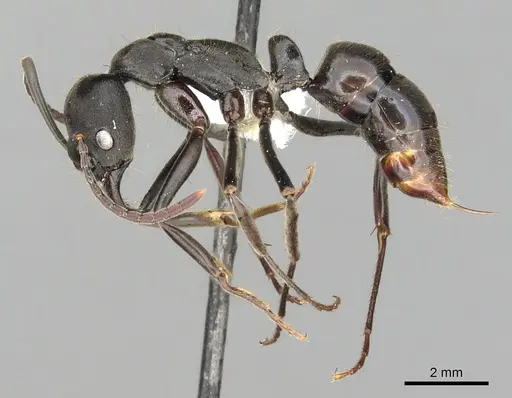
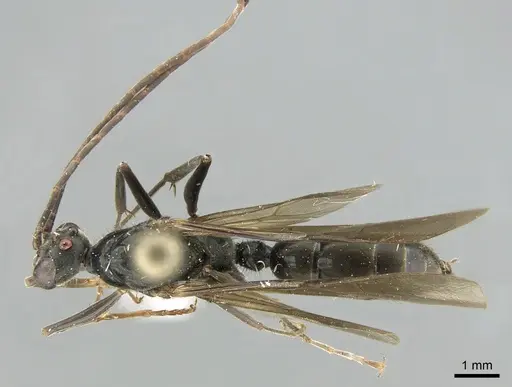
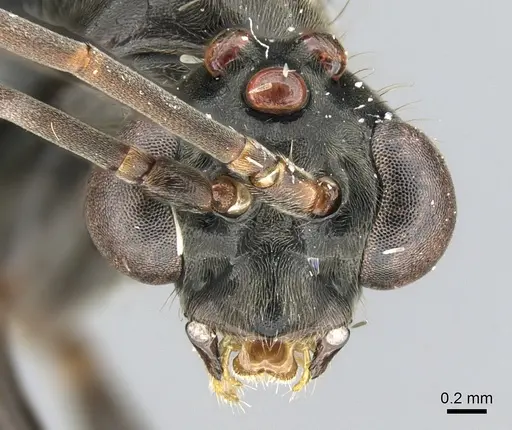
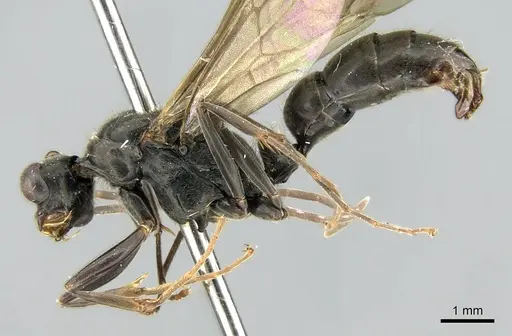
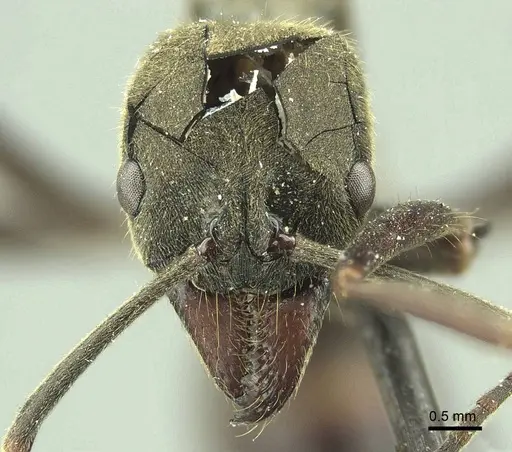
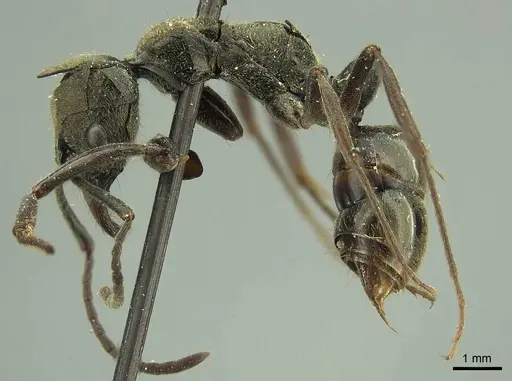
Neoponera aenescens is a medium-sized predatory ant native to the Neotropical region, ranging from Nicaragua to Bolivia. Workers reach about 9-11mm and are mostly black with slightly lighter appendages, often showing subtle metallic greenish or bluish reflections under good lighting . These ants belong to the aenescens species group and are distinguished by their roughly sculptured mesopleuron and the petiole that narrows toward the apex . They inhabit wet tropical rainforests, cloud forests, and montane forests at elevations between 700-2300 meters . Workers are fast and wary foragers, active both day and night, hunting prey in the leaf litter and on forest trails . This species is a generalist predator that hunts small invertebrates in the forest floor ecosystem .
Quick Summary
- Difficulty: Medium
- Origin & Habitat: Neotropical region from Nicaragua to Bolivia, including Costa Rica, Panama, Colombia, Ecuador, Peru, and Venezuela. Found in wet tropical rainforests, cloud forests, and montane forests at 700-2300m elevation [4][7][2].
- Colony Type: Colony structure is not extensively documented. Pleometrosis (multiple females founding a nest together) has been observed, three dealate females were found together in a rotten log [5].
- Size & Growth:
- Queen: 12-13mm [5]
- Worker: 9-11mm [1][5]
- Colony: Unknown, likely moderate colonies typical of Ponerinae
- Growth: Moderate
- Development: 6-10 weeks at optimal temperature (Development timeline not directly studied for this species. Ponerine ants generally take 6-10 weeks from egg to worker at warm temperatures.)
- Antkeeping:
- Temperature: Keep at 22-26°C. These are montane forest ants from cooler elevations, so avoid overheating. A gentle gradient allowing cooler areas is beneficial [2][4].
- Humidity: High humidity required, they come from wet tropical and cloud forests. Keep nest substrate consistently moist but not waterlogged.
- Diapause: No, as a tropical species, they do not require hibernation.
- Nesting: In the wild, colonies nest under stones and in rotten logs [5]. In captivity, a naturalistic setup with soil/substrate, hiding spots like cork bark or flat stones works well. Y-tong or plaster nests with moisture retention are also suitable. Provide a humid environment with minimal ventilation to prevent drying.
- Behavior: Workers are fast, wary, and actively forage day and night. They are predatory and will hunt small invertebrates. They have a sting for their size, these are Ponerinae, known for their sting. Escape prevention is important as they are active foragers. They are not aggressive toward humans but will defend the nest if threatened [5].
- Common Issues: high humidity maintenance, these forest floor ants easily die in dry conditions, escape risk, active foragers need secure barriers, slow colony growth compared to many common ants may frustrate beginners, wild-caught colonies may carry parasites like the phorid fly Apocephalus constrictus that can harm the colony [5], overheating danger, being from montane forests, they do poorly in hot conditions above 28°C
Housing and Nest Setup
Neoponera aenescens does well in naturalistic setups that mimic their forest floor habitat. Use a mix of soil and sand as substrate, keeping it consistently moist. Provide hiding spots like cork bark, flat stones, or pieces of wood where workers can nest. A formicarium with a water reservoir or regular misting helps maintain humidity. Since they come from elevations up to 2300m where temperatures are cooler, avoid placing the nest in direct sunlight or near heat sources that could overheat them. A small outworld for foraging allows you to observe their hunting behavior. Ensure all connections are secure, these active foragers will find any gap to escape through. [2][5]
Feeding and Diet
As generalist predators, these ants hunt small invertebrates in the leaf litter. In captivity, offer live prey like fruit flies, small crickets, mealworms, and other small insects. They accept protein-rich foods readily. You can also occasionally offer sugar water or honey as an energy source, though protein should form the bulk of their diet. Feed every 2-3 days, removing uneaten prey after 24 hours to prevent mold. A constant water source is essential, a small test tube with a cotton ball works well. [6][5]
Temperature and Environmental Needs
These ants prefer temperatures in the 22-26°C range, reflecting their montane forest origins. They are found at elevations where temperatures are cooler than typical lowland tropics. Avoid temperatures above 28°C, as this can stress and kill colonies. Room temperature within this range works well for most keepers. If you need to warm them slightly, use a heating cable on one side of the nest only, never on the entire setup. They do not require hibernation since they come from tropical regions. [2][4]
Behavior and Foraging
Workers are fast and wary foragers, actively hunting both day and night. They patrol forest trails and the leaf litter layer searching for prey. When they find food, they may recruit nestmates through chemical signals. They are not overly aggressive but will sting if threatened or if the nest is disturbed. Their sting is moderately painful, more noticeable than many common ants but not dangerous to healthy humans. Watch their hunting behavior in the outworld, it's fascinating to see these efficient predators at work. They are excellent climbers and may explore vertical surfaces. [5]
Colony Development and Founding
Colony founding behavior is not directly documented for this species. Based on typical Ponerinae patterns, queens likely establish nests in small chambers underground or in rotten logs. Pleometrosis (multiple queens founding together) has been observed in the wild, three dealate females were found together in a rotten log [5]. Queens are large at 12-13mm and should be fed small prey items during founding if semi-claustral. The first workers will be smaller than normal workers. Growth is moderate, expect several months before you have an established colony with multiple workers. Be patient, as Ponerine ants develop more slowly than many Formicinae or Myrmicinae species.
Frequently Asked Questions
How long does it take for Neoponera aenescens to produce first workers?
Expect 6-10 weeks from egg to first worker at optimal temperature (22-26°C). This is typical for Ponerine ants, though it hasn't been directly studied for this species.
What do Neoponera aenescens eat?
They are predatory ants that hunt small invertebrates. Feed them live prey like fruit flies, small crickets, mealworms, and other small insects. They may also accept sugar water or honey occasionally.
Are Neoponera aenescens good for beginners?
They are rated as medium difficulty. They require high humidity and cooler temperatures than many common ants, and colony growth is slower. They are better suited for keepers with some experience who can maintain consistent humidity levels.
Can I keep multiple Neoponera aenescens queens together?
Pleometrosis (multiple females founding a nest together) has been observed in the wild, but this doesn't mean unrelated queens will accept each other in captivity. It's risky to combine queens. If you want to start a colony, it's safer to begin with a single queen.
What temperature do Neoponera aenescens need?
Keep them at 22-26°C. They come from montane forests at elevations up to 2300m and do not tolerate heat well. Avoid temperatures above 28°C.
Do Neoponera aenescens need hibernation?
No, they do not require hibernation. As tropical ants from the Neotropics, they remain active year-round.
How big do Neoponera aenescens colonies get?
Colony size is not well documented for this species. Based on related Ponerinae species, they likely reach several hundred workers.
Where is Neoponera aenescens found in the wild?
They range from Nicaragua to Bolivia, including Costa Rica, Panama, Colombia, Ecuador, Peru, and Venezuela. They live in wet tropical rainforests, cloud forests, and montane forests at 700-2300m elevation.
Why are my Neoponera aenescens dying?
Common causes include: too dry conditions (they need high humidity), temperatures above 28°C (they're from cool montane habitats), or stress from wild-caught colonies. They may also be affected by phorid fly parasites. Ensure proper humidity, appropriate temperature, and use escape-proof setups.
Report an Issue
The current care sheet is based fully on literature. See inconsistencies, or something that's incorrect? Please , it will be resolved after review from an admin. Contributing to the blogs tab also helps providing information, to make us be able to further improve the caresheets. Thank you for your support!
References

This caresheet is licensed under CC BY-SA 4.0 .
Community Blogs
CASENT0217549
View on AntWeb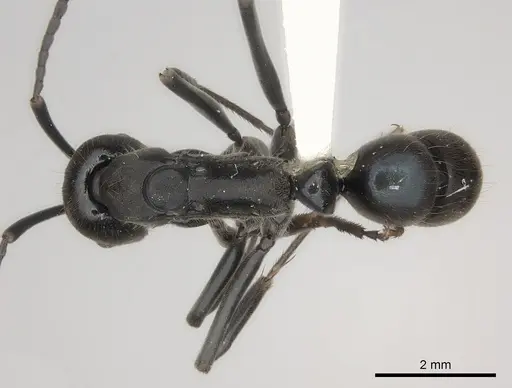
CASENT0249127
View on AntWeb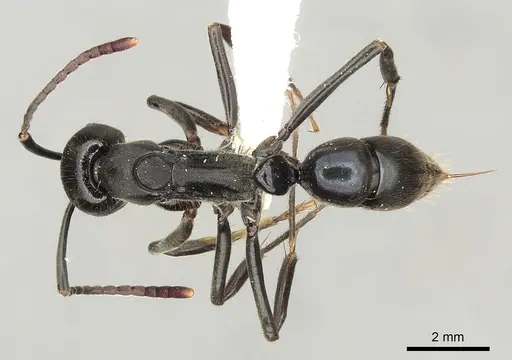
CASENT0317485
View on AntWeb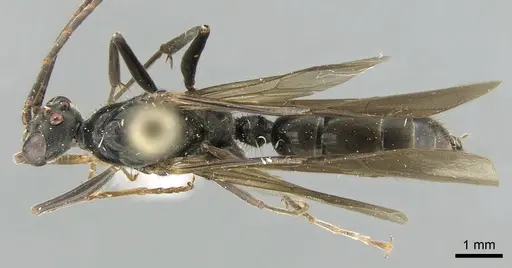
CASENT0648046
View on AntWeb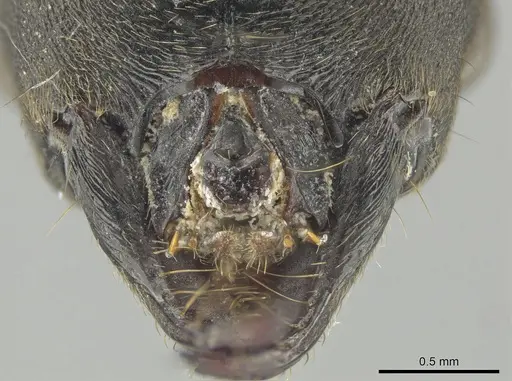
CASENT0915654
View on AntWeb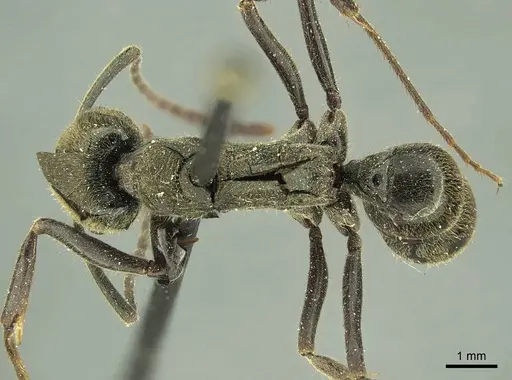
Literature
Loading distribution map...Loading products...