
Neivamyrmex walkerii
- Sci. Name
- Neivamyrmex walkerii
- Subfamily
- Dorylinae
- Author
- Westwood, 1842
- Distribution
- Found in 1 countries
Introduction
Neivamyrmex walkerii is an army ant species recorded in Peru . This is the only confirmed scientific data available for this specific species. As a Neivamyrmex species, it is likely a predatory army ant with typical genus traits: colonies conduct raids on other ant species, workers are polymorphic with major workers having enlarged mandibles, and colonies are nomadic rather than establishing permanent nests. However, no species-specific research exists on its behavior, colony structure, or care requirements. The genus Neivamyrmex is known for army ant lifestyles, but individual species vary in their exact raiding patterns and colony organization.
Quick Summary
- Difficulty: Expert
- Origin & Habitat: Recorded in Peru [1]. Further distribution data unavailable. As a Neivamyrmex species, likely inhabits tropical forest environments, but species-specific habitat preferences are unconfirmed.
- Colony Type: Unknown, colony type (monogyne/polygyne) is unconfirmed for this species. The genus Neivamyrmex typically has multiple queens, but this cannot be stated as fact for N. walkerii.
- Size & Growth:
- Queen: Size data unavailable, no measurements exist for this species. Neivamyrmex queens are among the largest ants, but exact size for N. walkerii is unconfirmed.
- Worker: Size data unavailable, no measurements exist for this species. Neivamyrmex workers are typically polymorphic (3-12mm range for the genus), but specific measurements for N. walkerii are unconfirmed.
- Colony: Colony size data unavailable for this species. Neivamyrmex colonies can reach thousands of workers, but this is genus-level knowledge, not species-specific data.
- Growth: Unknown, growth rate is unconfirmed for this species.
- Development: Development timeline is unconfirmed for this species. (No species-specific development data exists.)
- Antkeeping:
- Temperature: Temperature requirements are unconfirmed for this species. Based on Neivamyrmex genus patterns (tropical distribution), likely need warm conditions (24-28°C), but this is inferred, not confirmed.
- Humidity: Humidity requirements are unconfirmed for this species. Based on Neivamyrmex genus patterns, likely prefer humid conditions, but this is inferred, not confirmed.
- Diapause: Unknown, no data on diapause requirements for this species. Based on tropical distribution, likely active year-round, but unconfirmed.
- Nesting: Nesting preferences are unconfirmed for this species. Neivamyrmex genus typically exhibits nomadic bivouac behavior, but species-specific nesting data is unavailable.
- Behavior: Behavior is unconfirmed for this species. The genus Neivamyrmex is known for predatory raiding behavior, but specific behavioral traits (raid frequency, target species, aggression level) are unknown for N. walkerii. Army ants are generally aggressive defenders and can sting, but this is genus-level knowledge, not species confirmation.
- Common Issues: species-specific care requirements are completely unconfirmed, no research data exists, keeping army ants requires maintaining feeder ant colonies for raiding, extremely resource intensive, nomadic lifestyle is difficult to replicate in captivity, difficulty rated Expert due to lack of species-specific information and complex husbandry needs
Understanding the Research Gap
Neivamyrmex walkerii represents a significant challenge for antkeepers because virtually no species-specific research exists. The only confirmed scientific data is that this species has been recorded in Peru [1]. All other information in this caresheet is either genus-level knowledge (which may not apply to this specific species) or must be treated as unconfirmed. This is not a species you should attempt to keep based on guesswork, the lack of data means you cannot provide appropriate care without understanding its specific needs.
The Army Ant Lifestyle (Genus-Level Information)
Neivamyrmex is a genus of army ants native to the Americas. While specific behavior of N. walkerii is unconfirmed, Neivamyrmex genus traits include: nomadic colonies that move regularly rather than maintaining permanent nests, predatory raiding behavior where columns of workers attack other ant colonies, polymorphic workers with major workers having enlarged mandibles, and colony structures that can reach thousands of individuals. However, these are genus defaults, the specific species N. walkerii may differ in important ways. Do not assume this species behaves exactly like other army ants without evidence.
Housing Considerations
Since species-specific requirements are unconfirmed, housing recommendations are speculative. Based on Neivamyrmex genus patterns, this species would likely need: a large outworld to accommodate raiding behavior, a humid chamber for the bivouac, warm temperatures (though exact requirements are unknown), and escape prevention measures (army ants can climb smooth surfaces). Standard formicaria are likely unsuitable given the likely nomadic lifestyle. However, these are inferences, not confirmed requirements for N. walkerii.
Feeding and Diet
Feeding requirements are unconfirmed for this species. The Neivamyrmex genus is predatory and raids other ant colonies, but whether N. walkerii specializes on particular prey, how frequently raids occur, and what alternatives might be accepted is completely unknown. Army ant husbandry typically requires maintaining feeder colonies of other ant species, but without species-specific data, we cannot confirm this is necessary for N. walkerii. This species should only be kept by experts willing to experiment and document their findings.
Frequently Asked Questions
Can I keep Neivamyrmex walkerii in a standard formicarium?
Standard formicaria are likely unsuitable based on genus patterns (nomadic bivouac behavior), but species-specific requirements are unconfirmed. This species is not recommended for captivity given the complete lack of care data.
What do Neivamyrmex walkerii eat?
Diet is unconfirmed for this species. The genus Neivamyrmex is predatory and raids other ant colonies, but specific prey preferences, feeding frequency, and whether alternatives are accepted is unknown.
How difficult is it to keep Neivamyrmex walkerii?
This species is rated Expert difficulty, but not because it is necessarily challenging, rather, because almost no species-specific information exists. Keeping an ant without confirmed care requirements is inherently risky. Only experienced antkeepers willing to experiment and document their results should consider this species.
How big do Neivamyrmex walkerii colonies get?
Colony size is unconfirmed for this species. Neivamyrmex genus colonies can reach thousands of workers, but N. walkerii specific colony sizes are unknown.
Do Neivamyrmex walkerii need hibernation?
Diapause requirements are unconfirmed. Based on the species being recorded in Peru (tropical), year-round activity is possible, but this is inferred, not confirmed.
Can I keep multiple queens together?
Colony type (monogyne/polygyne) is unconfirmed for this species. The genus Neivamyrmex typically has multiple queens, but N. walkerii specific colony structure is unknown.
Why do Neivamyrmex walkerii raid other ant colonies?
Raiding behavior is unconfirmed for this species. The genus Neivamyrmex is predatory, but specific behavior of N. walkerii is unknown.
How long does it take for first workers to develop?
Development timeline is unconfirmed for this species. No data exists on egg-to-worker development time for N. walkerii.
Are Neivamyrmex walkerii good for beginners?
Absolutely not. This species has no confirmed care data, making it unsuitable for any antkeeper. The lack of species-specific research means you cannot provide appropriate care. This should only be considered by expert antkeepers willing to conduct and document experimental husbandry.
Report an Issue
The current care sheet is based fully on literature. See inconsistencies, or something that's incorrect? Please , it will be resolved after review from an admin. Contributing to the blogs tab also helps providing information, to make us be able to further improve the caresheets. Thank you for your support!
References

This caresheet is licensed under CC BY-SA 4.0 .
Community Blogs
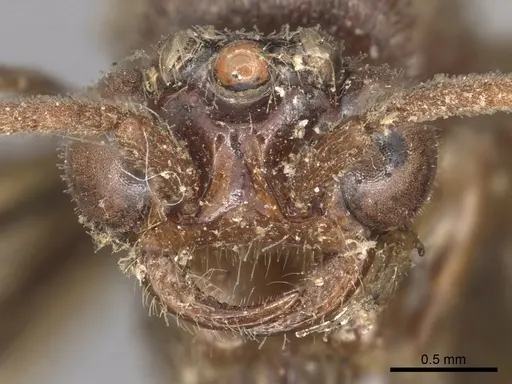
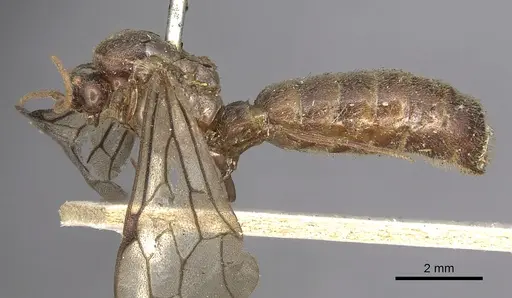
CASENT0650527
View on AntWeb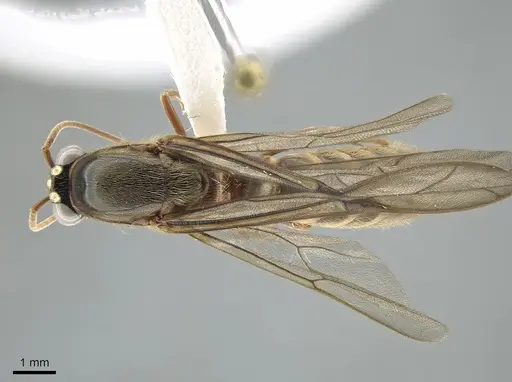
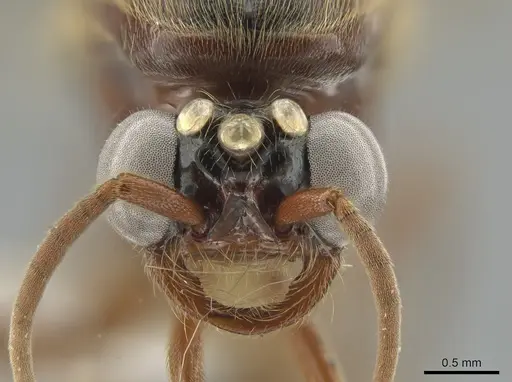
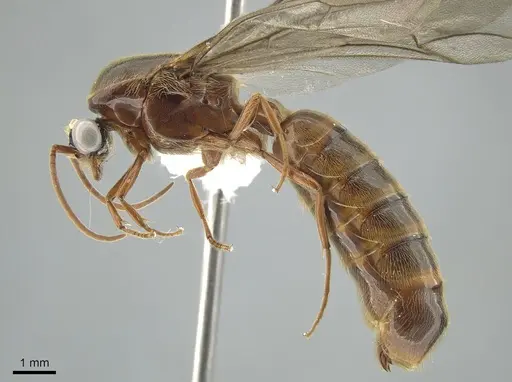
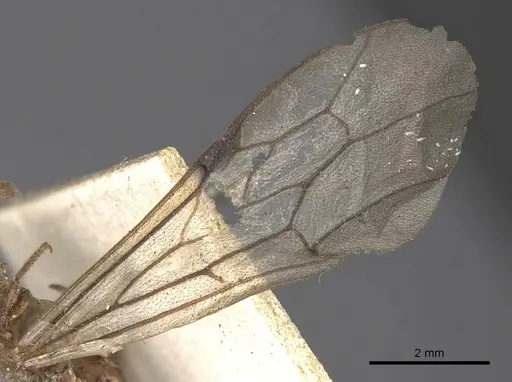
CASENT0901963
View on AntWeb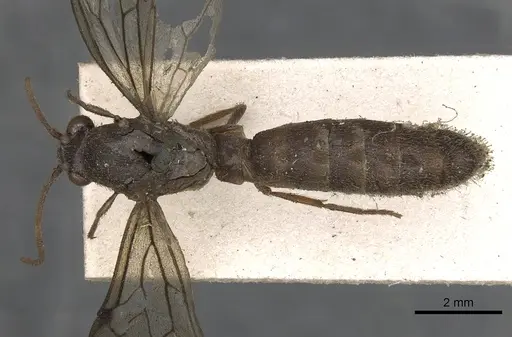
Literature
Loading distribution map...Loading products...