
Neivamyrmex spoliator
- Sci. Name
- Neivamyrmex spoliator
- Subfamily
- Dorylinae
- Author
- Forel, 1899
- Distribution
- Found in 6 countries
Introduction
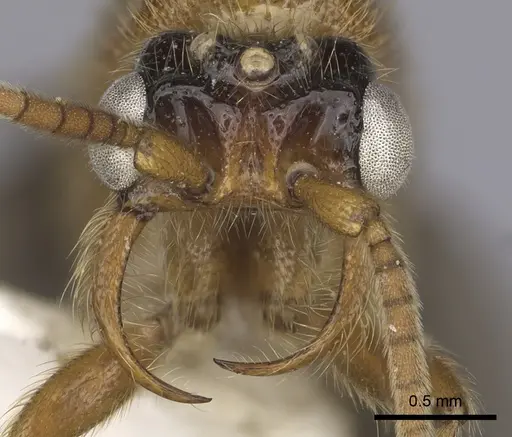
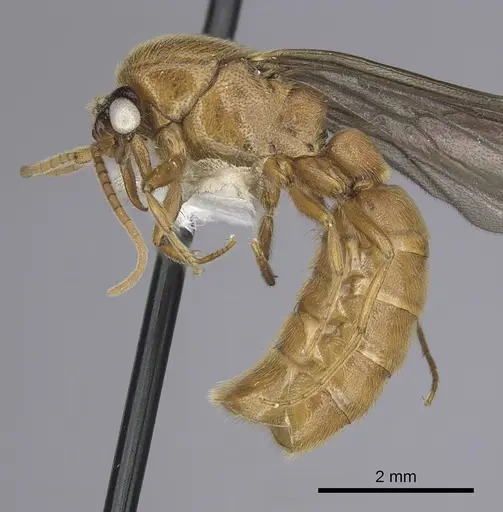
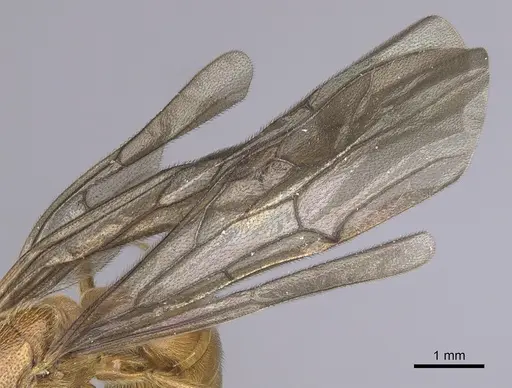
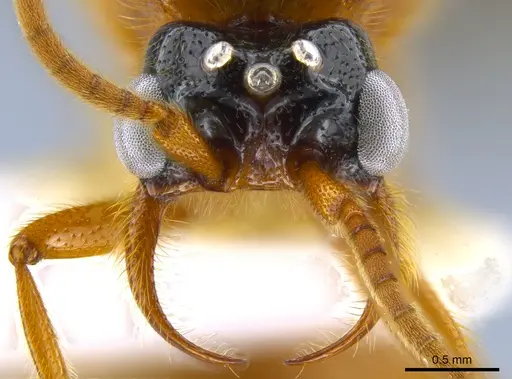
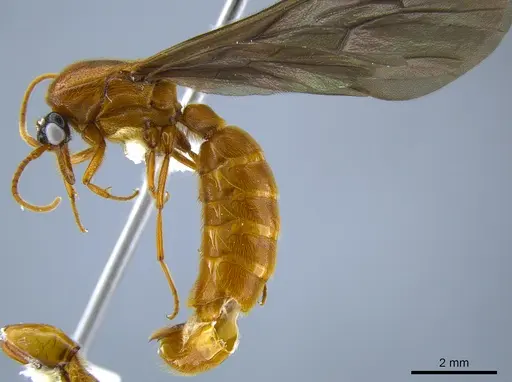
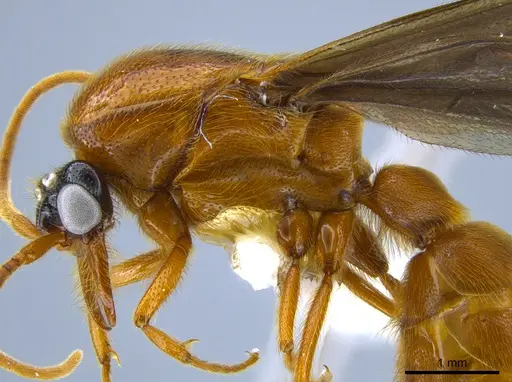
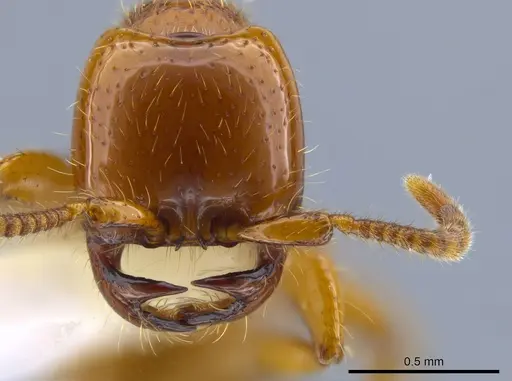
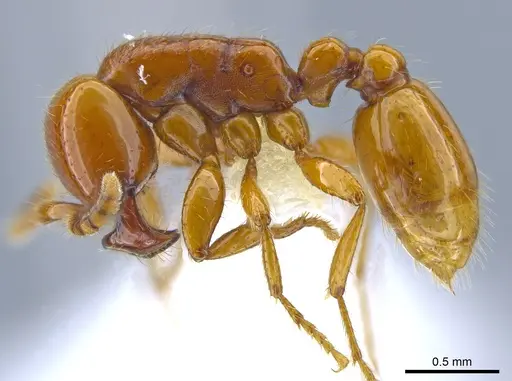
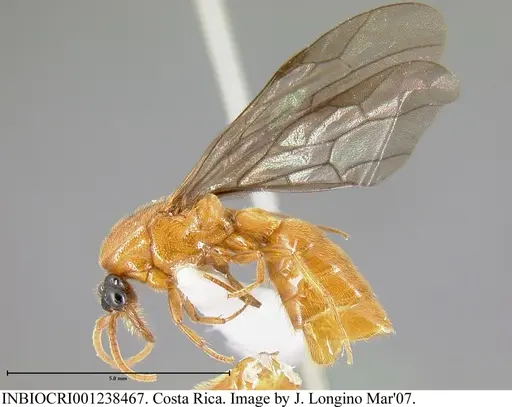
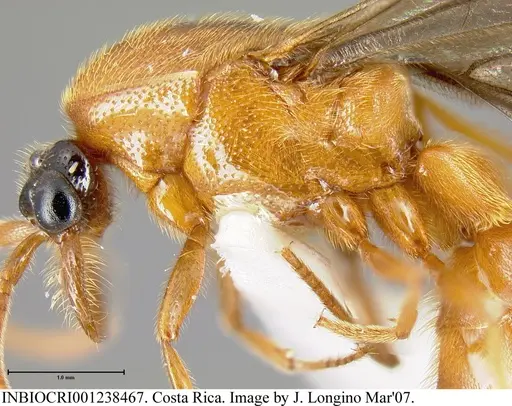
Neivamyrmex spoliator is a species of army ant known only from male specimens. The workers and queen have never been described or associated with the males, making this one of the most poorly known ant species in the Neotropics. Males are approximately 8.5mm in total length, with long curved mandibles, a yellowish-russet body, and brown head. The wings are smoky brown and hairy. This species is found across Central America from Mexico through Panama and into Colombia, typically in lowland tropical forest habitats. The genus Neivamyrmex contains over 150 species of army ants throughout the Americas, but N. spoliator cannot be kept or studied in captivity until the worker caste is discovered and described.
Quick Summary
- Difficulty: Expert
- Origin & Habitat: Central America (Mexico, Guatemala, Honduras, Panama, Costa Rica) and Colombia (Chocó). Found in lowland tropical forests [1][2].
- Colony Type: Unknown, only males have been collected. The colony structure cannot be determined without described workers or queens.
- Size & Growth:
- Antkeeping:
- Temperature: Unknown
- Humidity: Unknown
- Diapause: Unknown
- Nesting: Unknown, nesting preferences cannot be determined without described workers
- Behavior: Cannot be assessed. Army ants are typically aggressive predators with raiding behavior, but this species cannot be kept or observed in captivity.
- Common Issues: This species cannot be kept in captivity, only males have ever been collected., Workers and queen have never been described or associated with males., Positive identification is impossible without the worker caste., No established care guidelines exist for this species.
Why This Species Cannot Be Kept
Neivamyrmex spoliator presents a unique and fundamental problem for antkeepers: the species is only known from male specimens collected in light traps. The workers have never been described, collected, or associated with the males. In ant taxonomy, the worker caste is typically the most important for identification, as males are often less distinctive and rarely collected. Without workers, there is no way to positively identify this species in the field, and no way to establish a colony. Even if you collected what you believed to be this species, you would have no way to verify it. This is not a case of rare or difficult species, it is a species that exists only in scientific collections as males, with no known workers or queens. [3]
What We Know About Males
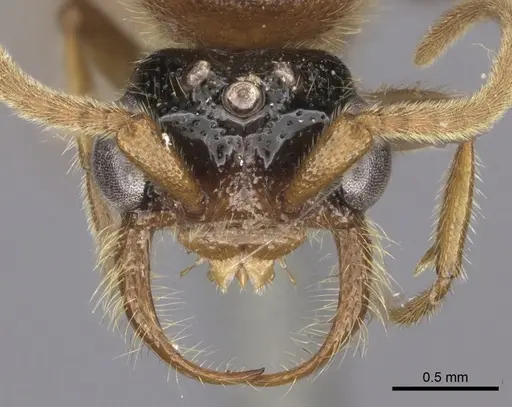
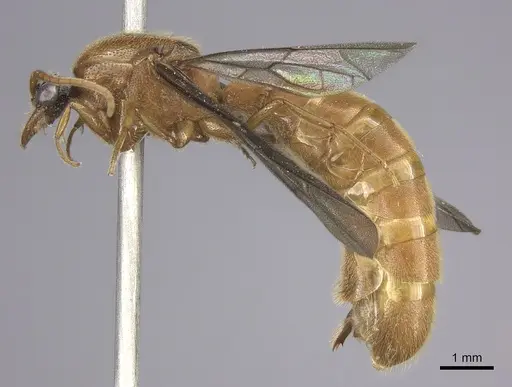
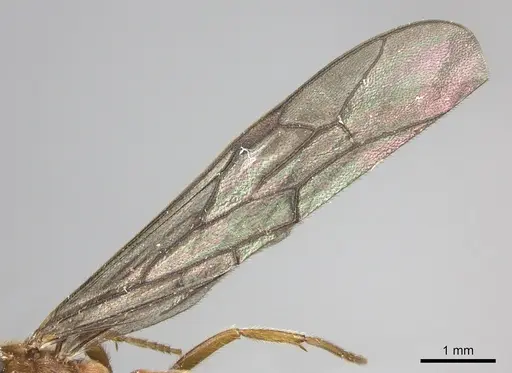
The males of Neivamyrmex spoliator were originally described by Forel in 1899 as Neivamyrmex spoliator. They measure approximately 8.5mm in total length with long, curved, shiny mandibles. The body is entirely yellowish-russet, with the head being brown except for the antennae and mandibles. The wings are smoky brown and hairy. Males have been collected using blacklight traps and Malaise traps in Costa Rica, primarily between January and May, though some have been caught in July. One male was observed flying at dusk in Monteverde and was caught by hand. Another was collected at a house light. [3]
Related Species That Can Be Kept
While N. spoliator itself cannot be kept, the genus Neivamyrmex contains many other army ant species that are well-documented and can be kept by experienced antkeepers. Neivamyrmex species are army ants that form large colonies and conduct raids on other ant colonies and small invertebrates. If you are interested in keeping army ants, look for better-documented Neivamyrmex species or other Dorylinae where the full colony (queen, workers, brood) has been described. [3]
Frequently Asked Questions
Can I keep Neivamyrmex spoliator in captivity?
No. This species cannot be kept because only males have ever been collected and described. The workers and queen are unknown to science, making it impossible to establish or identify a colony.
Why are only males known for this species?
In many ant species, males are produced seasonally and are the only caste that can be caught using light traps. Workers and queens are typically ground-nesting and rarely fly, making them much harder to sample. For N. spoliator, researchers have simply never encountered workers or queens in their sampling efforts.
What do Neivamyrmex spoliator workers look like?
We don't know. The worker caste has never been described or associated with the males. This is one of the fundamental mysteries of this species.
Where does Neivamyrmex spoliator live?
The species is known from Central America (Mexico, Guatemala, Honduras, Panama, Costa Rica) and Colombia, specifically the Chocó region. In Mexico, it has been recorded in Chiapas and Veracruz states. Males have been collected in lowland tropical forests at locations like La Selva in Costa Rica.
When do the males fly?
Males have been collected primarily between January and May in Costa Rica, with some catches in June and July.
Are there similar army ant species that can be kept?
Yes, other Neivamyrmex species with described workers can potentially be kept by expert antkeepers. However, army ants are challenging to maintain due to their nomadic behavior, large colony sizes, and need for constant prey. They require significant experience and resources.
What is the size of Neivamyrmex spoliator males?
Males measure approximately 8.5mm in total length. The workers and queen size is unknown since they have never been described.
Is this an endangered species?
Its conservation status has not been assessed. The species is known from relatively few male specimens across a wide geographic range, but without knowing the worker caste or colony structure, population assessment is impossible.
Report an Issue
The current care sheet is based fully on literature. See inconsistencies, or something that's incorrect? Please , it will be resolved after review from an admin. Contributing to the blogs tab also helps providing information, to make us be able to further improve the caresheets. Thank you for your support!
References

This caresheet is licensed under CC BY-SA 4.0 .
Community Blogs
CASENT0249506
View on AntWeb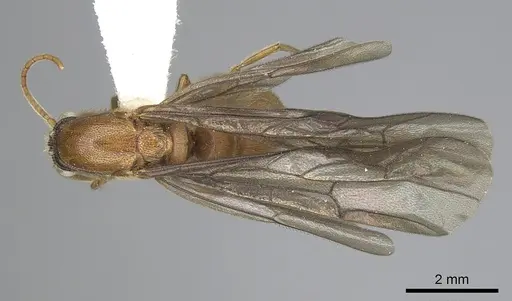
CASENT0632204
View on AntWeb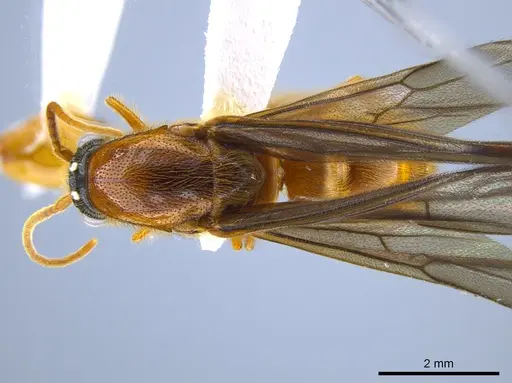
CASENT0644459
View on AntWeb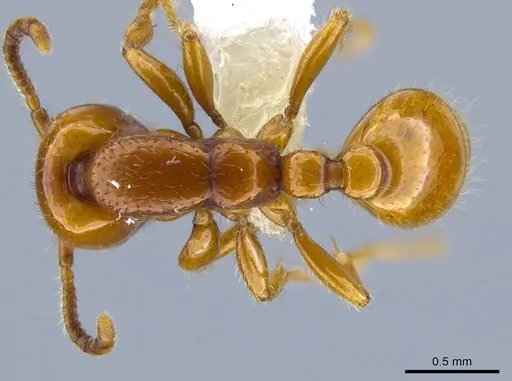
INB0003619508
View on AntWeb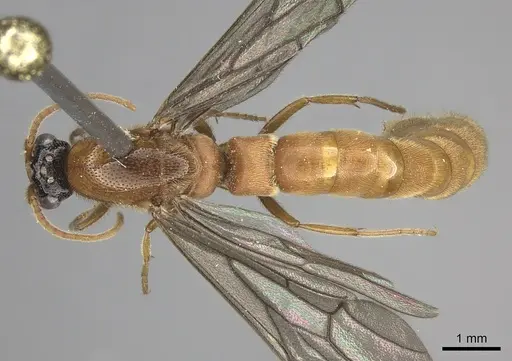
INBIOCRI001238467
View on AntWeb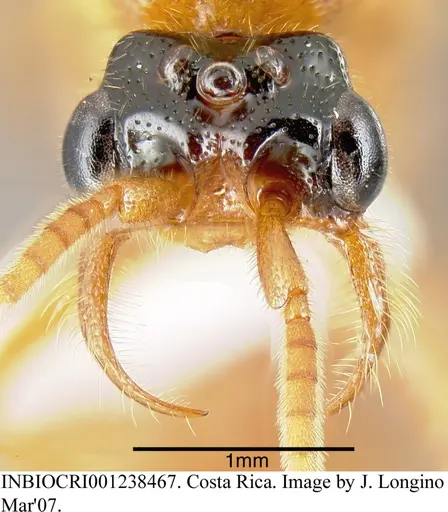
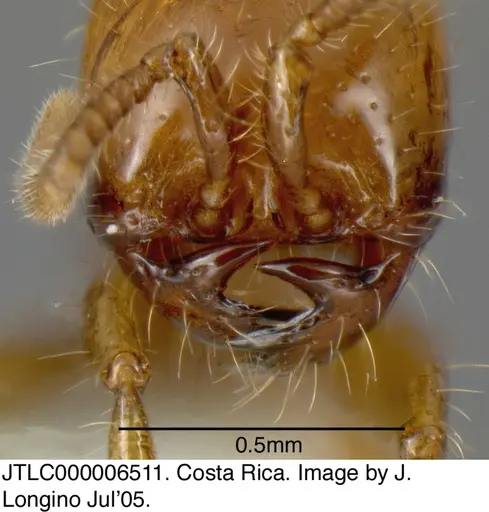
JTLC000006511
View on AntWeb
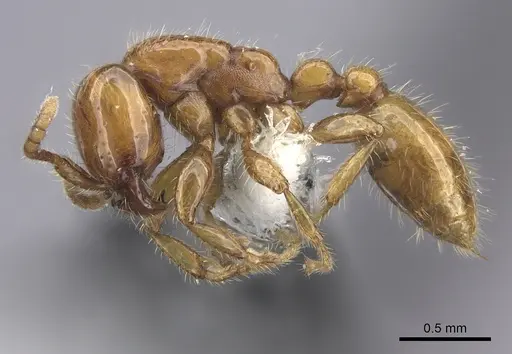
JTLC000006517
View on AntWeb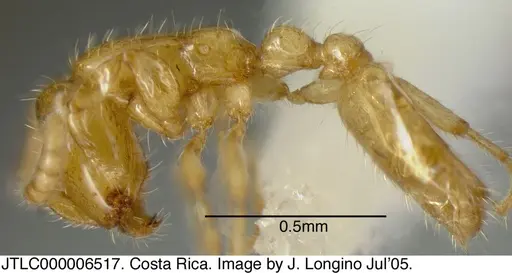
Literature
Loading distribution map...Loading products...