
Neivamyrmex raptor
- Sci. Name
- Neivamyrmex raptor
- Subfamily
- Dorylinae
- Author
- Forel, 1911
- Distribution
- Found in 1 countries
Introduction
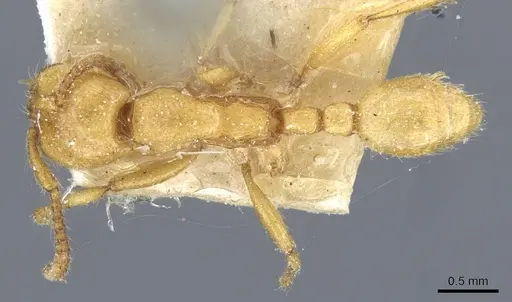
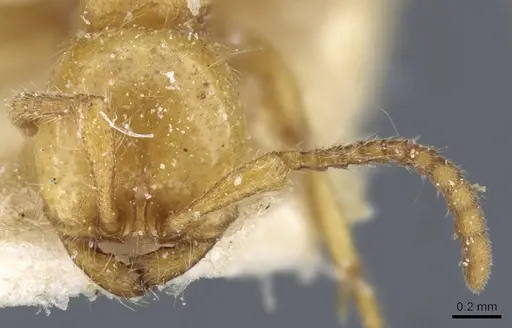
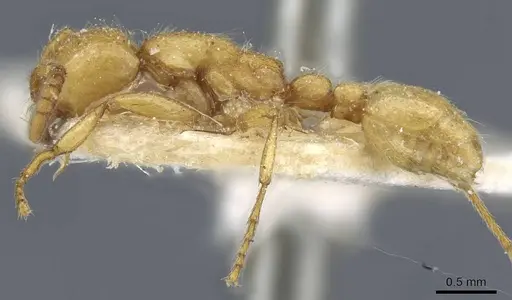
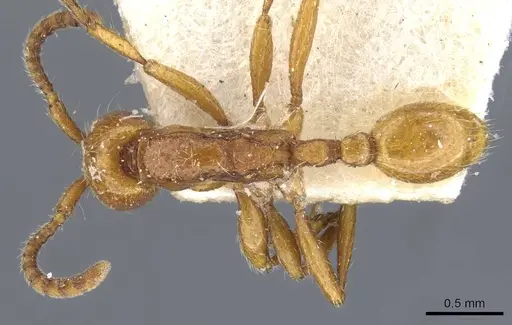
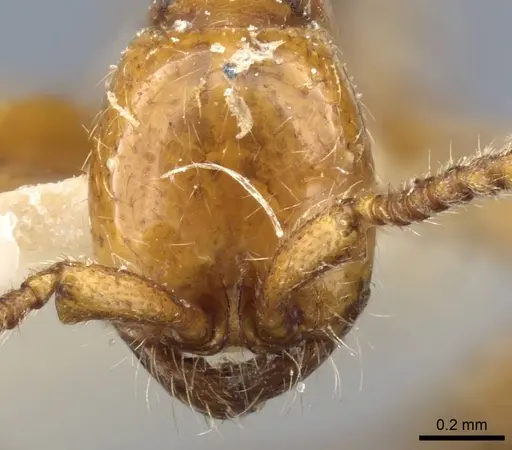
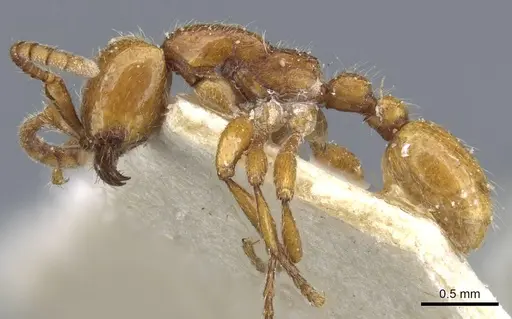
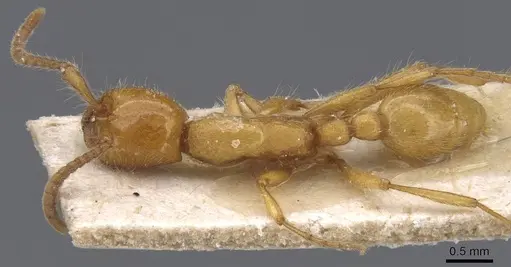
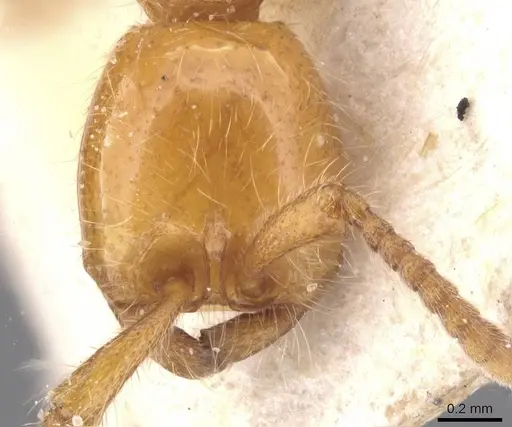
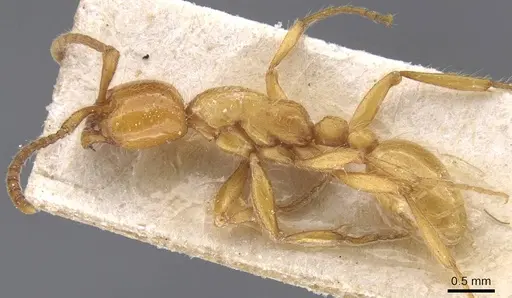
Neivamyrmex raptor is a neotropical army ant native to southern Brazil and northern Argentina. Workers are small, with a slender body and large curved mandibles for capturing prey, and they are dark reddish-brown in color. This species is part of the Dorylinae subfamily and exhibits nomadic colony movement and coordinated raiding behavior. Colonies can grow large, but specific size data is unavailable. The species was described in 1911 and is found in tropical and subtropical habitats in Argentina and Brazil .
Quick Summary
- Difficulty: Expert
- Origin & Habitat: Native to the Neotropical Region, specifically southern Brazil (São Paulo) and northern Argentina (Santa Fe, Misiones). They inhabit tropical and subtropical forests and are classified as Tropical Climate Specialists (TCS) [2][3].
- Colony Type: Army ant colonies are typically polygyne, but the exact structure for Neivamyrmex raptor is unconfirmed. Colonies are nomadic and do not build permanent nests.
- Size & Growth:
- Queen: Size data unavailable, no total length measurements documented in research
- Worker: Size data unavailable, no total length measurements documented in research
- Colony: Up to several thousand workers, estimated based on genus patterns
- Growth: Fast, army ant colonies grow rapidly when well-fed
- Development: Estimated 3-5 weeks at tropical temperatures based on related species, specific data for N. raptor is unconfirmed (Development is temperature-dependent, warmer conditions speed up growth)
- Antkeeping:
- Temperature: Maintain warm conditions around 25-28°C, based on tropical habitat. Use heating cables cautiously to avoid drying the nest.
- Humidity: Keep substrate consistently moist but not waterlogged, mimicking tropical forest floor. Aim for high humidity, but specific percentages are unconfirmed.
- Diapause: No, as a tropical species, they likely remain active year-round with no true hibernation [2].
- Nesting: Army ants do not build permanent nests. Provide a spacious outworld with multiple connected chambers or formicaria for bivouacking. Use dark retreats like nested test tubes or artificial chambers [4].
- Behavior: Neivamyrmex raptor is a predatory army ant that hunts in coordinated raids. Workers are aggressive foragers and primarily nocturnal. Colonies are nomadic and will relocate frequently. Escape risk is moderate due to their size and agility.
- Common Issues: nomadic behavior makes housing difficult, colonies constantly move and may refuse to settle, predatory nature requires live prey, colonies decline without adequate hunting opportunities, large colony size demands significant space and resources, not suitable for small setups, stress from relocation can cause colony decline, avoid disturbing during bivouac establishment, army ants are hard to establish from queen, wild colonies are typical sources for keepers
Understanding Army Ant Biology
Neivamyrmex raptor belongs to the Dorylinae subfamily, known as army ants. Unlike most ants, they are nomadic and constantly move their colony between bivouac sites. This behavior helps them deplete prey in one area before relocating. The colony forms a living mass called a bivouac in dark, enclosed spaces. In the wild, they conduct raids through the forest floor, overwhelming prey with coordinated attacks. The genus Neivamyrmex has high diversity in the neotropics, and N. raptor is found in Brazil and Argentina [2][3][1].
Housing and Enclosure Setup
Keeping army ants like Neivamyrmex raptor is challenging. You need a large outworld (at least 30x30cm for growing colonies) with multiple connected chambers for bivouacking. Provide dark retreats such as nested test tubes or small boxes. Use moist soil or sand substrate for foraging. Apply fluon barriers to prevent escapes. Let the ants choose where to bivouac rather than forcing them into one area [4].
Feeding and Nutrition
Neivamyrmex raptor requires live prey only, such as fruit flies, small crickets, or mealworms. Feed generously daily, as hungry colonies decline rapidly. Prey is swarmed and carried back to the bivouac. They do not typically accept dead insects or sugar sources [4].
Temperature and Climate Control
Maintain temperatures around 25-28°C year-round, as this species is tropical. Use heating cables on one side of the setup, but avoid direct heat on the bivouac. Monitor with a thermometer and avoid drafts.
Colony Behavior and Activity Patterns
Army ant colonies cycle between raids and relocation. Raids occur in low light, often nocturnally. Colonies relocate bivouacs regularly, which is natural and should not be prevented. Queens are wingless and carried by workers during moves. Stings are mild but can be uncomfortable in mass [4].
Frequently Asked Questions
Is Neivamyrmex raptor a good species for beginners?
No, it is an expert-level species due to space, feeding, and nomadic behavior requirements [4].
How do I start a Neivamyrmex raptor colony?
Starting from a queen is extremely difficult. Most keepers obtain established wild colonies. Capturing a mated queen is rarely successful [4].
What do Neivamyrmex raptor ants eat?
They eat live prey only, such as small arthropods. Do not offer dead food or sugar sources [4].
How often should I feed Neivamyrmex raptor?
Feed daily for established colonies, offering prey in the evening. Remove uneaten prey after 24 hours [4].
Why does my army ant colony keep moving?
This is normal nomadic behavior. Provide multiple connected spaces to accommodate relocation [4].
What temperature do Neivamyrmex raptor ants need?
Keep them at 25-28°C year-round. Use heating cables cautiously.
How big do Neivamyrmex raptor colonies get?
Colonies can reach several thousand workers, based on genus patterns [4].
Can I keep Neivamyrmex raptor in a test tube setup?
No, test tubes are too small. They require large outworlds with multiple chambers [4].
Do Neivamyrmex raptor ants need hibernation?
No, as a tropical species, they do not require hibernation [2].
How long does it take for eggs to develop into workers?
Estimated 3-5 weeks at optimal temperatures, but specific data is unconfirmed [4].
Is Neivamyrmex raptor aggressive?
They are aggressive predators toward prey but not dangerous to humans. Stings are mild [4].
Report an Issue
The current care sheet is based fully on literature. See inconsistencies, or something that's incorrect? Please , it will be resolved after review from an admin. Contributing to the blogs tab also helps providing information, to make us be able to further improve the caresheets. Thank you for your support!
References

This caresheet is licensed under CC BY-SA 4.0 .
Community Blogs
Literature
Loading distribution map...Loading products...