
Neivamyrmex radoszkowskii
- Sci. Name
- Neivamyrmex radoszkowskii
- Subfamily
- Dorylinae
- Author
- Emery, 1900
- Distribution
- Found in 3 countries
Introduction
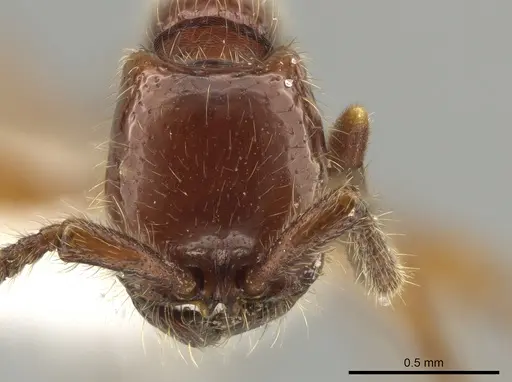
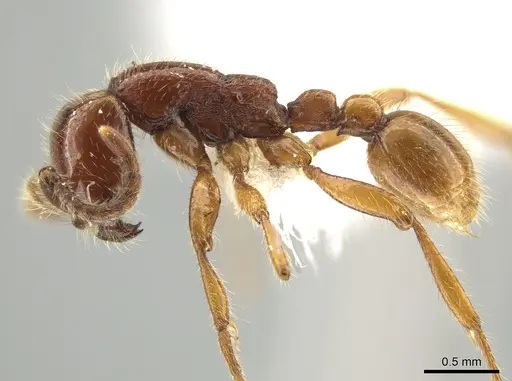
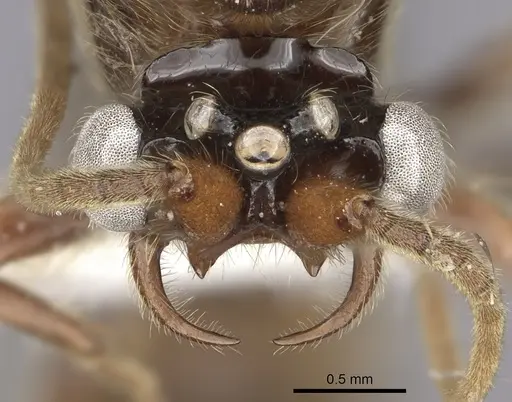
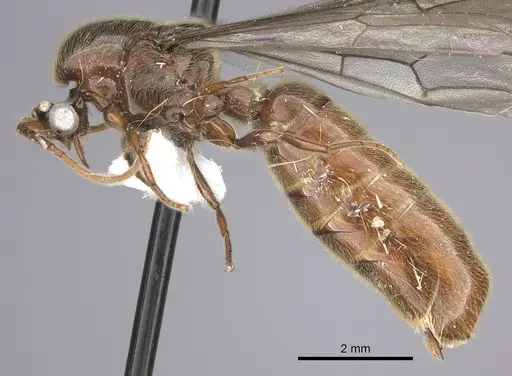
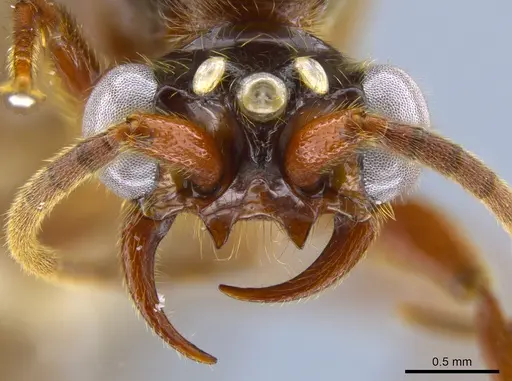
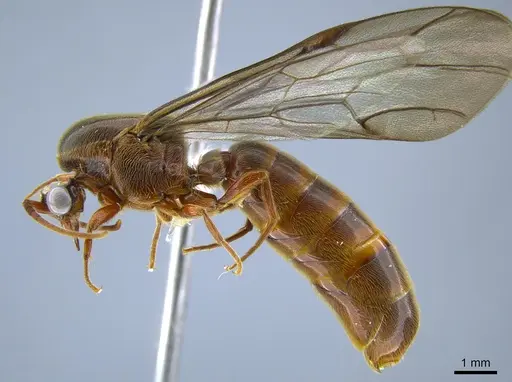
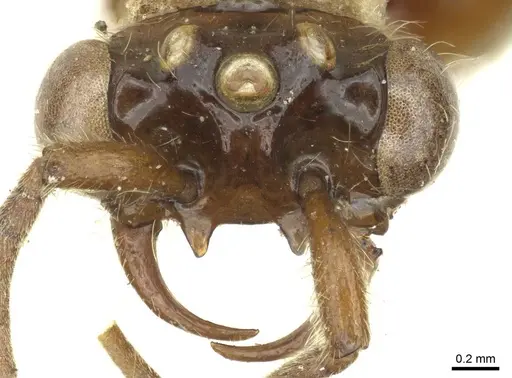
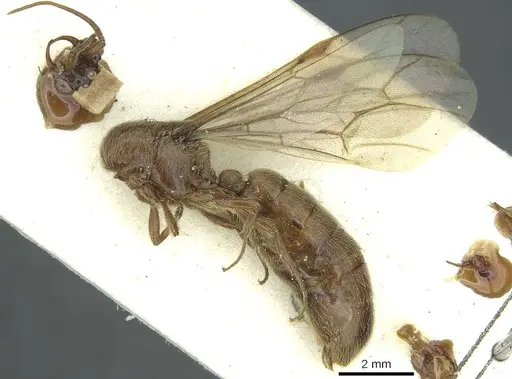
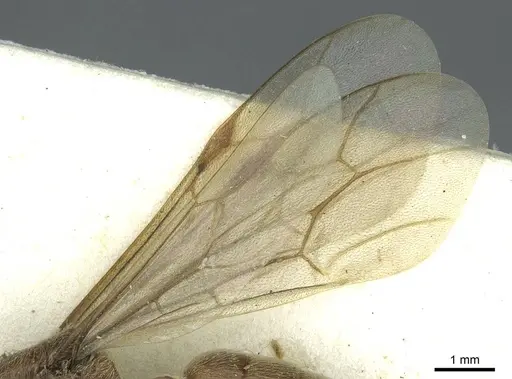
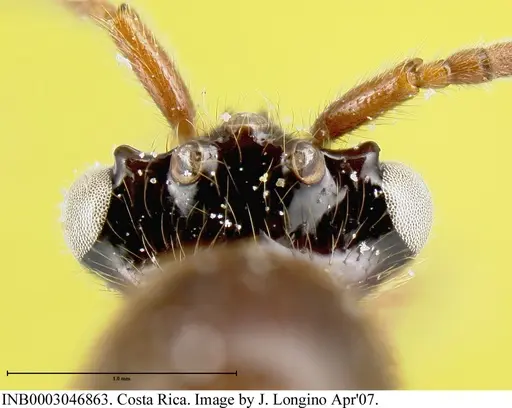
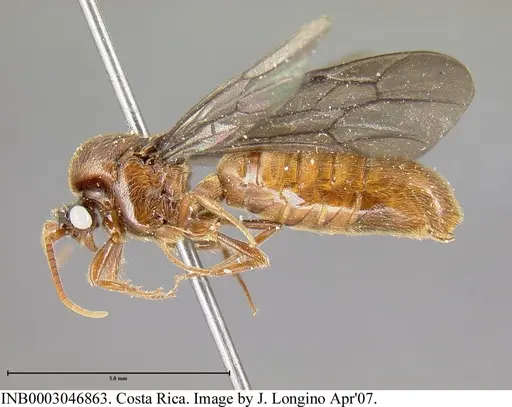
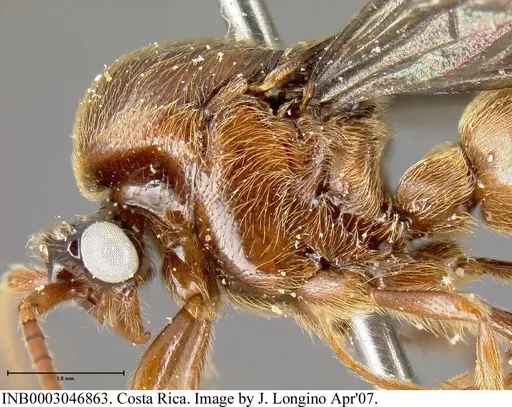
Neivamyrmex radoszkowskii is a species of army ant found across Central and South America, from Costa Rica through Peru into Bolivia . The type locality is Bolivia. Workers are medium-sized for an army ant, typically dark reddish-brown to black, with large mandibles adapted for capturing and dismembering prey. Queens are ergatoid (permanently wingless), meaning they never develop wings and remain in the nest throughout their life. This species belongs to the Dorylinae subfamily, commonly known as army ants, which are famous for their nomadic lifestyle and massive raiding swarms.
Quick Summary
- Difficulty: Expert
- Origin & Habitat: Found across Central America (Costa Rica) into South America (Peru, Bolivia). Type locality is Bolivia. They inhabit tropical and subtropical forests where they raid other ant colonies.
- Colony Type: Colony structure is not specifically documented for this species. Queens are ergatoid (permanently wingless). Based on typical Neivamyrmex patterns, likely single-queen colonies.
- Size & Growth:
- Queen: Size data unavailable for this species, estimated 12-18mm based on typical Neivamyrmex genus sizes
- Worker: Size data unavailable for this species, estimated 4-9mm based on typical Neivamyrmex genus sizes
- Colony: Unknown for this specific species, but Neivamyrmex colonies can reach thousands of workers
- Growth: Moderate to fast, estimated based on genus patterns
- Development: Estimated 4-8 weeks at tropical temperatures, inferred from related army ant species (Army ant development is typically faster than most ants due to their predatory lifestyle and high protein diet)
- Antkeeping:
- Temperature: Keep at 24-28°C (tropical conditions). A heating cable on one side of the outworld creates a gradient. This is inferred from their tropical distribution.
- Humidity: Moderate humidity around 60-80%. Provide a moist outworld substrate for foraging. Army ants need access to water.
- Diapause: No, being tropical, they do not require hibernation. However, they may have seasonal activity patterns tied to wet/dry cycles.
- Nesting: This is the critical challenge, army ants are NOMADIC and do not establish permanent nests. In captivity, they require a large outworld space where they can form bivouacs (temporary nests made from their own bodies). Traditional formicariums are NOT suitable. A large plastic tub with paper towel substrate and multiple feeding stations works best.
- Behavior: Army ants are highly aggressive predators. They hunt by forming raiding columns that sweep through the forest floor, attacking other ant nests. Workers are blind but communicate through chemical trails. They will readily sting any threat, the sting is painful for humans. Escape risk is moderate since they're large ants, but they can climb smooth surfaces. The biggest challenge is their nomadic nature, they constantly relocate within the enclosure, making them difficult to observe in a traditional nest setup.
- Common Issues: nomadic lifestyle makes them unsuitable for traditional formicariums, they need open foraging space, not chambers, requiring constant access to live prey (other ant colonies or insect prey) makes them expensive and time-consuming to feed, colonies can become stressed and collapse if not given enough space to form bivouacs, they will escape if given any opportunity, secure lid is essential, not suitable for beginners due to their specialized dietary and spatial requirements
Why Army Ants Are Different
Neivamyrmex radoszkowskii belongs to a group of ants that defy typical antkeeping conventions. Unlike most ant species that establish permanent nests, army ants are nomadic. They form temporary bivouacs, clusters of thousands of workers holding onto each other, that they abandon every few days to relocate. This behavior evolved because they are specialized predators that exhaust the prey available in one area, then must move on to find new hunting grounds. In captivity, this means you cannot use a traditional formicarium with fixed chambers. Instead, you need an open enclosure where the colony can form bivouacs and relocate freely. This makes army ants fundamentally different from any other ant species you might keep, and they are only suitable for experienced keepers who understand their unique needs.
Housing and Enclosure Setup
Forget test tubes and formicariums, army ants need space to roam. A large plastic storage tub (at least 40x30x30cm or larger) works well as a housing enclosure. Line the bottom with paper towels that can be changed easily. Provide several damp sponges or cotton balls as water sources. The key is creating multiple potential bivouac sites, you can add pieces of cardboard, cork, or artificial plants that the ants can use as anchor points for their temporary nests. Lighting should be dim, army ants are blind but prefer dark conditions. The enclosure must have a secure lid with small air holes, as these ants can climb smooth vertical surfaces. Never use mesh lids that the ants can grip, a smooth plastic lid with small ventilation holes is best.
Feeding and Diet
Army ants are obligate predators, they cannot survive without hunting. In the wild, they raid the nests of other ant species, capturing brood to feed their own colony. In captivity, you have several options. The most natural approach is to provide other ant colonies as prey (this is expensive and requires maintaining multiple colonies). Alternatively, you can feed them large quantities of live insects: crickets, mealworms, roaches, and other arthropods. Some colonies will accept pre-killed prey, but live prey triggers their natural raiding behavior. Feed every 2-3 days, providing enough food that some remains uneaten. Remove uneaten prey within 24 hours to prevent mold. A sugar water sponge can provide carbohydrates, but protein from insects is essential.
Handling and Safety
Neivamyrmex workers have functional stings and will use them when threatened. The sting is painful, comparable to a wasp sting, and can cause localized swelling. When working with your colony, use red light (which army ants cannot see) and move slowly. Never reach into the enclosure without proper protection. If you need to relocate the colony, wait until they form a bivouac on a movable object (cardboard works well) and transfer that. Do not attempt to shake workers off surfaces, this causes stress and triggers defensive stinging. Keep the enclosure away from children and pets. Wash your hands before and after handling any ant-related materials.
Colony Lifecycle and Reproduction
Army ant queens are unique, they are ergatoid, meaning they are permanently wingless and never leave the nest to mate. Mating occurs inside the nest, and the queen produces enormous numbers of eggs. A single Neivamyrmex queen can lay thousands of eggs per day during peak reproduction. The colony grows rapidly when well-fed, potentially reaching several thousand workers within a year under ideal conditions. New colonies are founded by a single queen accompanied by a retinue of workers, she cannot found a colony alone like claustral species. This means acquiring an established colony is usually necessary rather than catching a lone queen.
Frequently Asked Questions
Can I keep Neivamyrmex radoszkowskii in a traditional formicarium?
No. Army ants are nomadic and do not live in permanent nests. They need an open enclosure where they can form bivouacs and relocate freely. A plastic tub with paper towel substrate is the standard housing for army ant species.
What do Neivamyrmex radoszkowskii eat?
They are obligate predators. Feed them live insects (crickets, mealworms, roaches) or, ideally, colonies of other ant species. They need constant access to protein-rich prey to survive.
How long does it take for first workers to appear?
Estimated 4-8 weeks from egg to worker at tropical temperatures (25-28°C). This is inferred from related army ant species, as specific development data for this species is not available.
Do Neivamyrmex radoszkowskii ants sting?
Yes, they can sting and will do so when threatened. The sting is painful and can cause swelling. Handle with caution and use proper protection.
Are army ants suitable for beginners?
No. They are considered an expert-level species due to their specialized housing requirements (nomadic lifestyle), constant need for live prey, and painful sting. They are not recommended for anyone new to antkeeping.
How big do Neivamyrmex radoszkowskii colonies get?
Colony size is not specifically documented for this species, but Neivamyrmex colonies can reach several thousand workers. They are among the larger army ant genera.
Do I need to hibernate Neivamyrmex radoszkowskii?
No. Being a tropical species from Central and South America, they do not require hibernation. Keep them at warm tropical temperatures (24-28°C) year-round.
Can I keep multiple queens together?
This is not recommended and has not been documented for this species. Neivamyrmex is typically monogyne (single queen). Combining unrelated queens would likely result in fighting.
Why do army ants constantly move?
Army ants are nomadic by nature. They exhaust the prey (other ant colonies) in one area, then relocate to find new hunting grounds. In captivity, they will still display this nomadic behavior, forming and abandoning bivouacs regularly.
Is Neivamyrmex radoszkowskii legal to keep?
Check your local regulations. This species is native to Central and South American countries. In many places, keeping native ant species is legal but collecting from the wild may be restricted. Never release non-native ants outdoors.
Report an Issue
The current care sheet is based fully on literature. See inconsistencies, or something that's incorrect? Please , it will be resolved after review from an admin. Contributing to the blogs tab also helps providing information, to make us be able to further improve the caresheets. Thank you for your support!
References

This caresheet is licensed under CC BY-SA 4.0 .
Community Blogs
CASENT0609876
View on AntWeb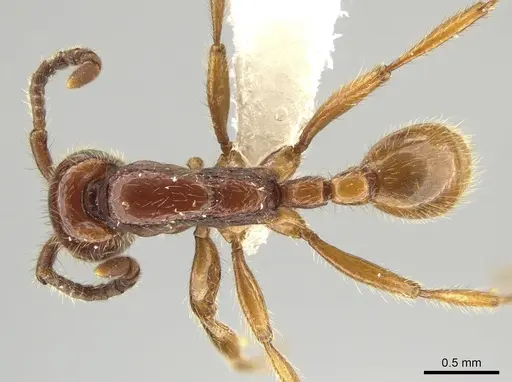
CASENT0611026
View on AntWeb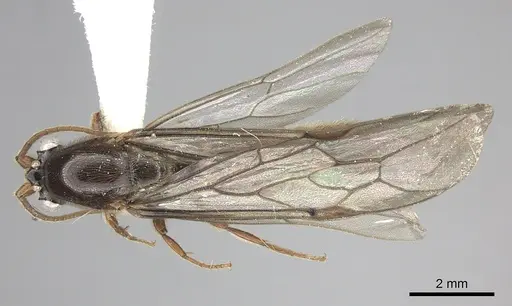
CASENT0650534
View on AntWeb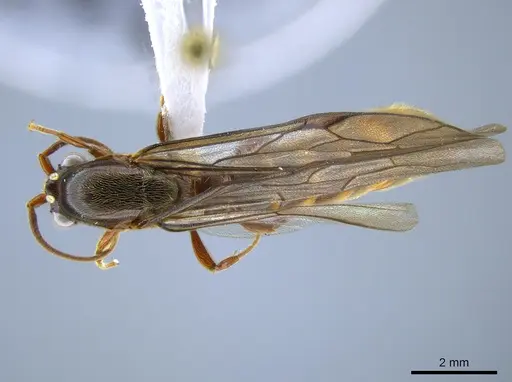
CASENT0915863
View on AntWeb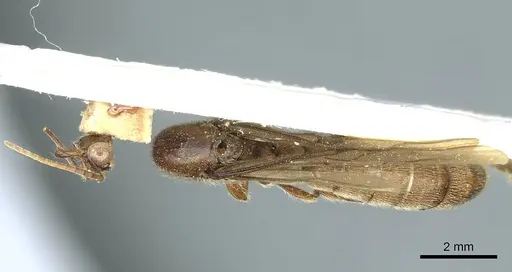
INB0003046863
View on AntWeb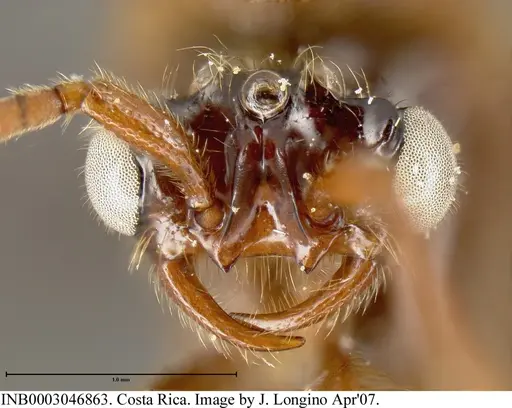
Literature
Loading distribution map...Loading products...