
Neivamyrmex orthonotus
- Sci. Name
- Neivamyrmex orthonotus
- Subfamily
- Dorylinae
- Author
- Borgmeier, 1933
- Distribution
- Found in 2 countries
Introduction
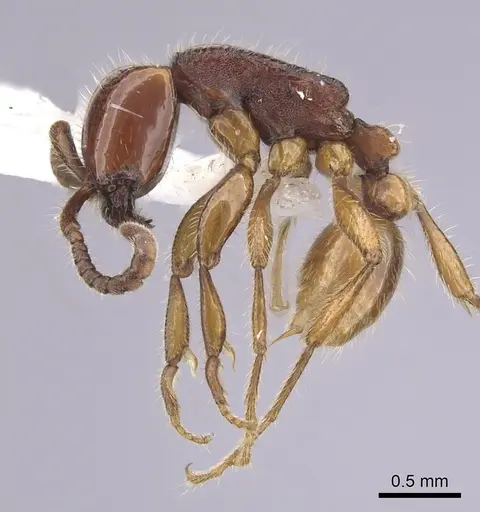
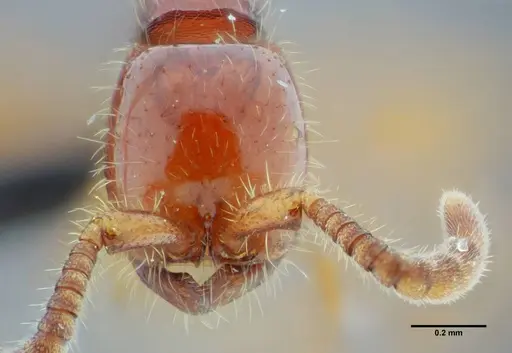
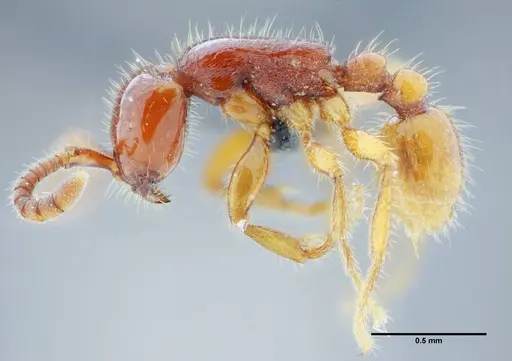
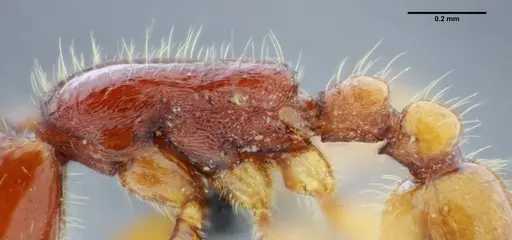
Neivamyrmex orthonotus is a predatory army ant species from the Dorylinae subfamily found throughout the Neotropical region of South America, specifically in Brazil, Paraguay, and Argentina . Workers are small army ants with the characteristic elongated body shape typical of army ants and well-developed mandibles for capturing prey . As an army ant, this species exhibits a nomadic lifestyle - they do not maintain permanent nests but form temporary bivouacs by linking their bodies together, and they conduct raids to capture prey from other ant colonies and arthropods . Colonies contain multiple queens and can reach large numbers of workers with distinct worker castes .
Quick Summary
- Difficulty: Expert
- Origin & Habitat: Native to the Neotropical region, documented across Brazil (Rio de Janeiro, Goiás, São Paulo state), Paraguay, and northern Argentina. This species inhabits moist forest environments including montane forests in northeastern Brazil and is found in both native vegetation and disturbed areas like Eucalyptus plantations [4][5].
- Colony Type: Likely polygyne (multiple queens per colony) based on typical army ant patterns, specific colony structure data for N. orthonotus is unavailable
- Size & Growth:
- Queen: ~12-15mm, inferred from Neivamyrmex genus patterns
- Worker: ~4-6mm, inferred from Neivamyrmex genus patterns
- Colony: Up to several thousand workers, estimated from genus patterns for Neivamyrmex species
- Growth: Fast, army ant colonies grow rapidly when well-fed
- Development: Estimated 4-6 weeks at tropical temperatures based on related army ant species (Development timeline is inferred from genus-level data, specific measurements for N. orthonotus are not available)
- Antkeeping:
- Temperature: Keep at 24-28°C, these are tropical ants requiring warm, stable temperatures. A heating cable on one side of the outworld can provide a gradient.
- Humidity: Moderate to high humidity (60-80%). Provide a moist outworld substrate as they naturally inhabit moist forest floors.
- Diapause: No, as a tropical species, they do not require hibernation. Maintain warm temperatures year-round.
- Nesting: Army ants do not nest in traditional formicarium setups. They form bivouacs, temporary nests made of living workers linked together. In captivity, provide a spacious outworld with multiple chambers connected by tubing, allowing the colony to move their bivouac location. A naturalistic setup with soil substrate works best.
- Behavior: This is a predatory species that conducts swarm raids on other ant colonies and arthropods. Workers are highly active and will attack insects, other ants, and their brood. They have larger workers with powerful mandibles for defense and capturing prey. Colonies are nomadic and will regularly move their bivouac to new locations. They are primarily nocturnal or crepuscular raiders. Escape prevention is critical, they are excellent climbers and will exploit any gap. Use fluon on all tube connections and ensure enclosures are secure.
- Common Issues: colony collapse from insufficient prey, army ants require constant protein from insects or raids on other ant colonies, escape due to climbing ability, they will find any gap or climb out of unlined enclosures, stress from too-frequent bivouac moves, allow the colony to establish before disturbing, difficulty establishing in captivity, wild-caught colonies often fail due to transport stress and parasite load, incompatible with formicarium nesting, they need open outworld space to form bivouacs, not sealed chambers
Housing and Bivouac Setup
Neivamyrmex orthonotus requires a fundamentally different setup than typical ants. Army ants do not live in permanent nests, they form bivouacs, which are temporary structures made of living workers linked together. In captivity, you need to provide a spacious outworld with multiple connected containers or chambers that the colony can use as potential bivouac sites. A naturalistic setup with a deep soil layer works best, as army ants naturally bivouac in soil cavities, rotting logs, or leaf litter. Provide several potential bivouac sites by placing hollow logs, cork bark pieces, or small containers with moist soil in the outworld. The colony will choose their preferred location and may move periodically. Test tube setups are NOT suitable for established colonies, they need open space to form and move their bivouac. Connect multiple outworlds with tubing to allow for territory expansion and bivouac relocation. [1]
Feeding and Predatory Behavior
As predatory army ants, N. orthonotus requires a diet based primarily on live insects and the brood of other ant colonies. They are obligate predators that rarely consume plant matter or sugar. Feed them a constant supply of small insects: fruit flies, small crickets, mealworms, waxworms, and other appropriately-sized arthropods. Offer substantial protein meals at least 2-3 times per week. The most authentic feeding method is to provide them access to other ant colonies, you can place a small container with a donor colony in the outworld, and the army ants will conduct raids. If not providing live ant colonies, increase insect feeding frequency and quantity to compensate. Army ants have high metabolic demands, a large colony can consume hundreds of insects per week. Always remove uneaten prey after 24-48 hours to prevent mold. They do not need sugar water or honey as army ants get their carbohydrates from the hemolymph of prey insects. [1]
Temperature and Seasonal Care
Keep N. orthonotus at warm, stable temperatures between 24-28°C. These are tropical ants from Brazil and surrounding regions, and they do not tolerate cool conditions. Temperatures below 20°C can cause colony stress and decline. Use a heating cable or heat mat on one side of the outworld to create a temperature gradient, allowing the colony to self-regulate. Place the heating element on top of the outworld to avoid evaporating moisture from below. Unlike temperate ants, they do not require diapause or hibernation. Maintain warm conditions year-round. The collection data shows specimens collected from June through December in their native range, indicating year-round activity in suitable conditions. Monitor colony activity levels, if workers become less active or cluster together excessively, check temperature and consider raising it slightly. [3]
Colony Structure and Social Organization
N. orthonotus likely maintains multiple queens per colony, based on typical army ant patterns. This supports the colony's nomadic lifestyle and rapid growth. Colonies also feature different worker sizes: smaller workers handle most tasks including foraging and caring for brood, while larger workers have enlarged heads and powerful mandibles used for defense and subduing large prey. The colony structure is highly fluid due to their nomadic nature, the bivouac can contain thousands of workers moving in coordinated swarms. When keeping multiple queens, they typically coexist peacefully in established colonies. However, founding colonies may be challenging as wild queens are rarely found alone, army ant queens typically join existing colonies or multiple queens found colonies together. If you obtain a founding queen, she will likely need to hunt to feed herself and her first brood, unlike claustral ants that survive on stored fat. [1]
Behavior and Defense
Army ants are famous for their aggressive swarming behavior. When they detect prey or a food source, they form raiding columns that can contain thousands of workers moving in coordinated waves. They will readily attack and overwhelm insects, spiders, and other ants many times their individual size. The larger workers have particularly large mandibles that can deliver a painful pinch if handled. While not having a true sting like some ants, their bites can be irritating. They are primarily nocturnal or crepuscular in the wild, though they may adjust activity patterns in captivity. The colony will regularly relocate their bivouac, this is normal army ant behavior and should not be interpreted as stress. When they move, the entire colony migrates together in a living mass. Allow this process to complete without disturbance. They are excellent climbers and will ascend smooth surfaces, so escape prevention is critical, apply fluon barrier to all surfaces and check connections regularly. [1]
Frequently Asked Questions
Can I keep Neivamyrmex orthonotus in a test tube setup?
No, army ants cannot be kept in test tubes or standard formicarium setups. They need open space to form bivouacs (temporary nests made of living workers linked together). Use a large naturalistic outworld with soil substrate and multiple potential bivouac sites. Test tubes are only suitable for very recently mated founding queens, and even then, they require access to hunting space.
What do Neivamyrmex orthonotus eat?
They are obligate predators that require live insects and the brood of other ant colonies. Feed them small insects (fruit flies, small crickets, mealworms) multiple times per week. The ideal diet includes access to other ant colonies for raiding behavior. They do not need sugar water or honey, they get carbohydrates from the hemolymph of their prey.
How long does it take for first workers to emerge?
Estimated 4-6 weeks at optimal tropical temperatures (24-28°C), based on related army ant species. Specific development data for N. orthonotus is not available, but genus-level patterns suggest this timeframe. The founding queen likely needs to hunt to feed herself and her brood, unlike claustral ants.
Are Neivamyrmex orthonotus good for beginners?
No, this species is recommended only for expert antkeepers. Army ants have specialized requirements: they need constant access to prey, require large amounts of space for bivouac formation, do not nest in traditional formicariums, and are expert escape artists. They also require year-round warm temperatures and do not tolerate cool conditions. Most beginners struggle with army ant husbandry.
How big do Neivamyrmex orthonotus colonies get?
Based on genus patterns for Neivamyrmex species, colonies can reach several thousand workers. A mature colony may contain 2,000-5,000+ workers with multiple queens.
Do Neivamyrmex orthonotus need hibernation?
No, as a tropical species from Brazil, they do not require hibernation or diapause. Keep them warm year-round at 24-28°C. Cool temperatures below 20°C can stress the colony and lead to decline.
Why does my army ant colony keep moving their bivouac?
This is normal army ant behavior, they are nomadic by nature. In the wild, army ants regularly relocate their bivouac to access new hunting grounds. In captivity, they may move for various reasons including searching for prey, seeking different humidity zones, or due to disturbance. Allow the process to complete without interfering.
Can I keep multiple Neivamyrmex orthonotus queens together?
Yes, this species is likely polygyne (multiple queens per colony) based on typical army ant patterns. Wild colonies typically contain several reproductive queens that coexist. If introducing additional queens to an established colony, monitor for aggression initially, but they generally integrate peacefully.
How do I prevent Neivamyrmex orthonotus from escaping?
Use multiple escape prevention methods: apply fluon (liquid PTFE) to all rim edges and connection points, ensure all tubing connections are tight and secure, consider using nested enclosures (one enclosure inside another), and check regularly for any gaps. Army ants are excellent climbers and will exploit any opening. Never assume they cannot escape, they will find ways out that seem impossible.
Report an Issue
The current care sheet is based fully on literature. See inconsistencies, or something that's incorrect? Please , it will be resolved after review from an admin. Contributing to the blogs tab also helps providing information, to make us be able to further improve the caresheets. Thank you for your support!
References

This caresheet is licensed under CC BY-SA 4.0 .
Community Blogs
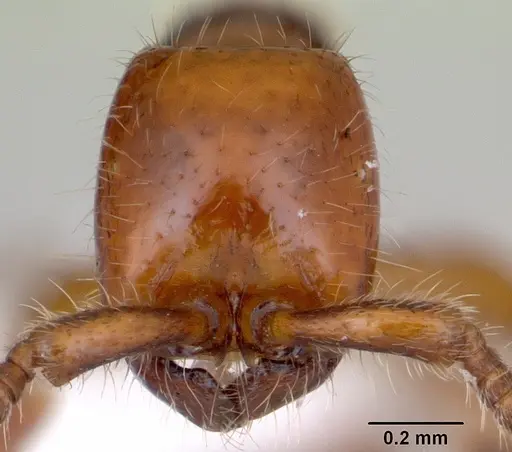
CASENT0173527
View on AntWeb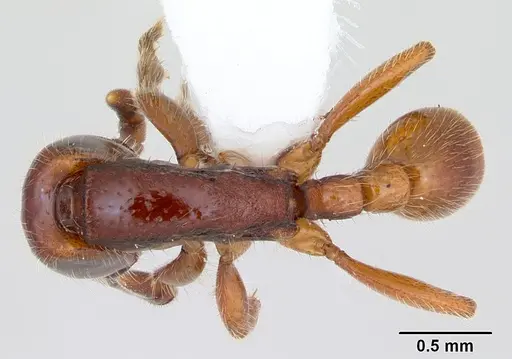
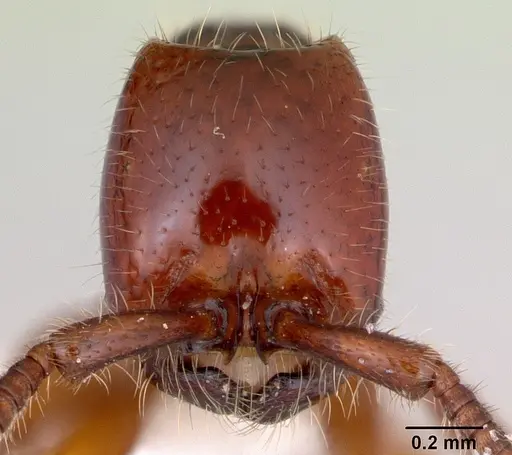
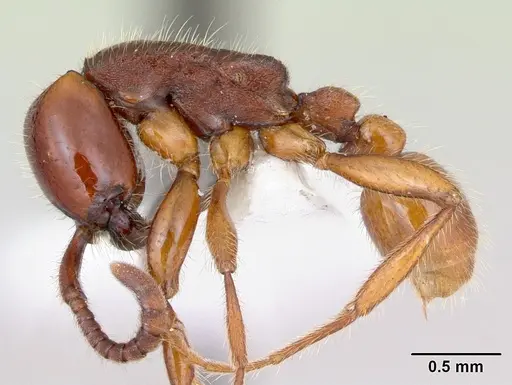
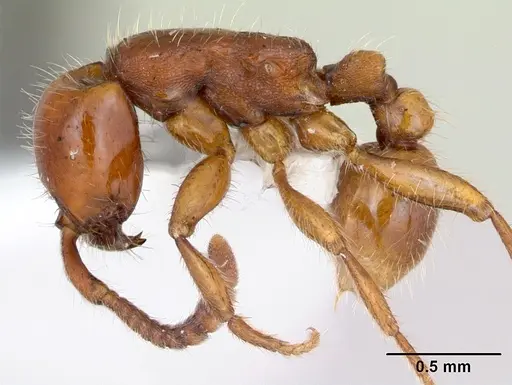
CASENT0173528
View on AntWeb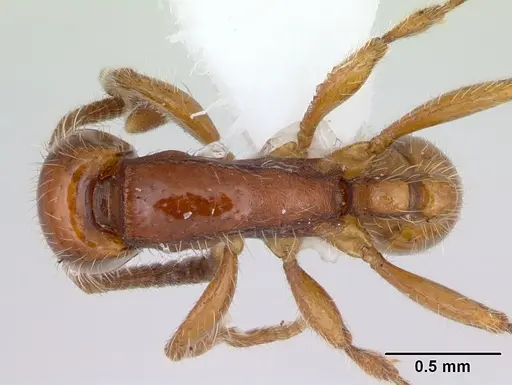
CASENT0249498
View on AntWeb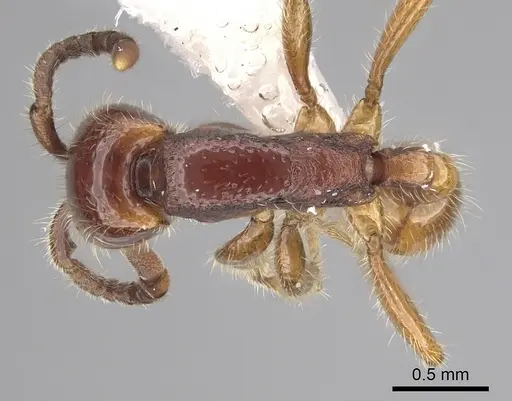
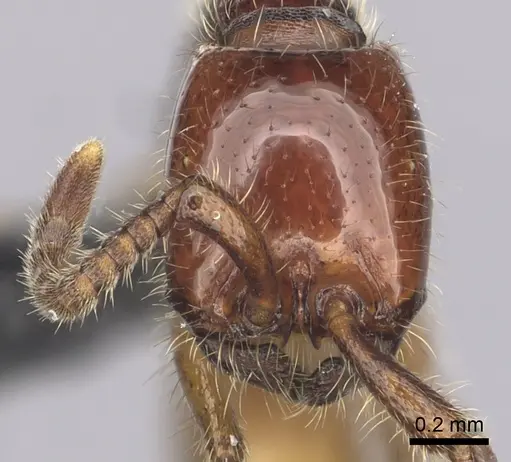
UFV-LABECOL-003502
View on AntWeb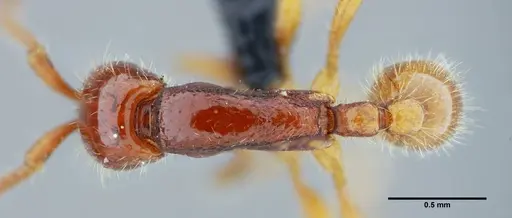
Literature
Loading distribution map...Loading products...