
Neivamyrmex longiscapus
- Sci. Name
- Neivamyrmex longiscapus
- Subfamily
- Dorylinae
- Author
- Borgmeier, 1953
- Distribution
- Found in 1 countries
Introduction
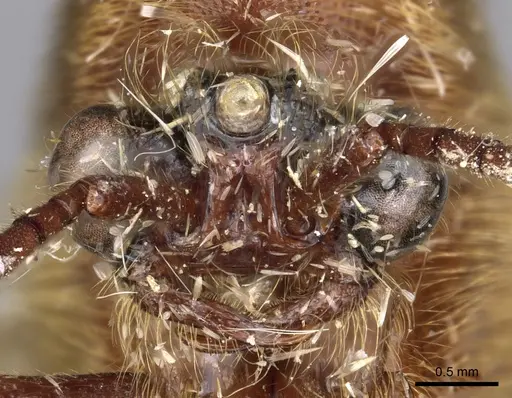
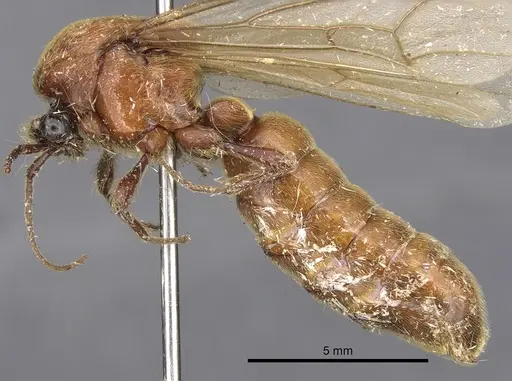
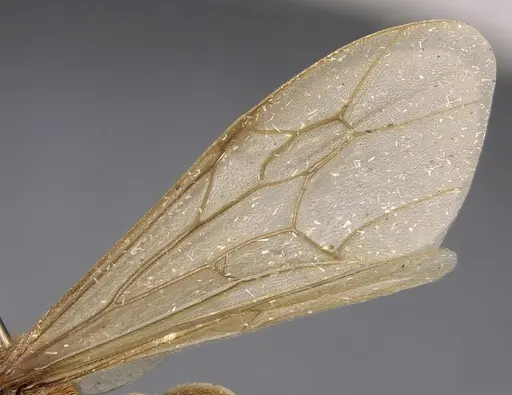
Neivamyrmex longiscapus is a Neotropical army ant species (subfamily Dorylinae) known only from male specimens collected in Costa Rica, Guatemala, Panama, and southern Mexico . The species was originally described by Borgmeier in 1953 based on males collected at light traps, and subsequent research has suggested it may be a junior synonym of Neivamyrmex impudens based on CO1 DNA barcode data . The worker caste has never been described or collected, making this species essentially unknown from a husbandry perspective. This represents one of the few army ants where the worker caste remains completely undescribed.
Quick Summary
- Difficulty: Expert
- Origin & Habitat: Central America (Costa Rica, Guatemala, Panama, and southern Mexico). Specific habitat requirements are unknown [1][2].
- Colony Type: Unknown, only males have been collected. The species is likely synonymous with N. impudens, but colony structure cannot be confirmed for N. longiscapus specifically [4].
- Size & Growth:
- Antkeeping:
- Temperature: Unknown, likely requires tropical temperatures if synonymous with N. impudens, but this is unconfirmed for N. longiscapus
- Humidity: Unknown, likely rainforest requirements like other Neotropical army ants, but unconfirmed
- Diapause: Unknown, likely none (tropical species)
- Nesting: Unknown, army ants typically form temporary colonies, but no specific data exists for this species [4]
- Behavior: Behavior is completely unstudied. As a Dorylinae army ant, it likely exhibits typical army ant behaviors, but this is inferred from genus-level patterns rather than direct observation of this species [4]. Escape risk cannot be assessed without worker description.
- Common Issues: this species cannot be kept, only males are known to science and workers have never been described, no colony founding information exists, we do not know how queens establish colonies, no captive colonies exist anywhere because the worker caste has never been collected, the species may be synonymous with N. impudens, making N. impudens the keepable alternative
Why This Species Cannot Be Kept
Neivamyrmex longiscapus presents a unique challenge for antkeepers: the species is only known from male specimens collected at light traps in Central America [5]. Males were collected in Costa Rica (Santa Clara Province, Hamburgfarm) in 1925,1926,and 1936,and in Guatemala (Cayuga and Trace/Tres Aguas) [5]. No workers, queens, or immature stages have ever been collected or described. This means there is no biological data on colony structure, founding behavior, diet, nesting preferences, or any aspect of their captive care. The species was originally described as distinct, but DNA barcode evidence suggests it may actually be the male of Neivamyrmex impudens [4]. Until workers are collected and described, this species cannot be maintained in captivity because we simply do not know what the workers look like or how to care for them.
The Challenge of Army Ant Taxonomy
Army ants (subfamily Dorylinae, genus Neivamyrmex) are notoriously difficult to study because many species are known from only one sex. Males are often collected at light traps while workers remain elusive in the field [4]. This creates a situation where species can be described from males alone, but connecting them to their worker caste requires either finding workers in the field or using molecular methods. In the case of N. longiscapus, CO1 DNA barcode data from males collected in Guatemala matched workers of N. impudens from the same region, leading researchers to conclude they likely represent the same species [4]. This is not uncommon in army ant taxonomy, the nomadic, subterranean lifestyle of worker colonies makes them difficult to sample, while winged males are attracted to artificial lights.
Alternative: Neivamyrmex impudens
Since N. longiscapus is likely synonymous with Neivamyrmex impudens, keepers interested in this species group should consider N. impudens instead [4]. Neivamyrmex impudens is a documented army ant species with described workers and known colony structures. Like other Neotropical army ants, N. impudens forms colonies and exhibits classic army ant behaviors including raiding swarms and colony emigration. They are predatory army ants that hunt invertebrates, particularly other ants and soft-bodied insects. If you are interested in keeping Central American army ants, N. impudens would be the appropriate species to pursue rather than N. longiscapus, which remains known only from males in scientific collections.
Frequently Asked Questions
Can I keep Neivamyrmex longiscapus in captivity?
No. This species cannot be kept because only males have ever been collected, the worker caste has never been described or observed. Without workers, there is no colony to keep and no biological information on how to care for them.
Why are only males known for this species?
Army ant males are attracted to artificial lights and are easily collected using light traps. Workers, however, live in nomadic underground colonies that are difficult to sample. Many Neivamyrmex species are known only from males for this reason.
Is Neivamyrmex longiscapus the same as Neivamyrmex impudens?
Yes, most researchers now consider N. longiscapus to be a junior synonym of N. impudens. DNA barcode data confirmed that males previously identified as N. longiscapus match workers of N. impudens from the same geographic area [4].
What army ant can I keep instead?
If you are interested in Neotropical army ants, Neivamyrmex impudens is the species to keep. It has well-described workers and known colony structure. Other commonly kept army ants include Eciton burchellii and Labidus praedator, though these require specialized care.
Where does Neivamyrmex longiscapus live?
The species has been recorded in Costa Rica, Guatemala, Panama, and southern Mexico (Chiapas, San Luis Potosí, Hidalgo, Tabasco, Veracruz, and Yucatán states) [1][2].
When were the specimens collected?
The type series was collected between 1925 and 1936 in Costa Rica and Guatemala. Males were collected at light traps on various dates in May and June [5].
Do army ants need hibernation?
As Neotropical species, Neivamyrmex impudens does not require hibernation. They are tropical ants that need warm temperatures year-round. This would likely apply to N. longiscapus if it were ever kept, though this is speculative.
What do army ants eat?
Neivamyrmex impudens is a predatory army ant that raids other ant colonies and hunts invertebrates. They do not collect honeydew or tend aphids like some ant species. If you keep army ants, you would need to provide regular live prey.
Report an Issue
The current care sheet is based fully on literature. See inconsistencies, or something that's incorrect? Please , it will be resolved after review from an admin. Contributing to the blogs tab also helps providing information, to make us be able to further improve the caresheets. Thank you for your support!
References

This caresheet is licensed under CC BY-SA 4.0 .
Community Blogs
CASENT0902308
View on AntWeb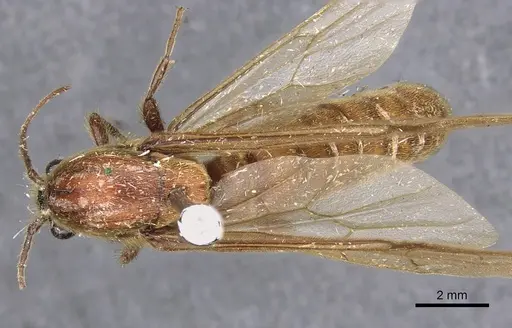
Literature
Loading distribution map...Loading products...