
Neivamyrmex jerrmanni
- Sci. Name
- Neivamyrmex jerrmanni
- Subfamily
- Dorylinae
- Author
- Forel, 1901
- Distribution
- Found in 2 countries
Introduction
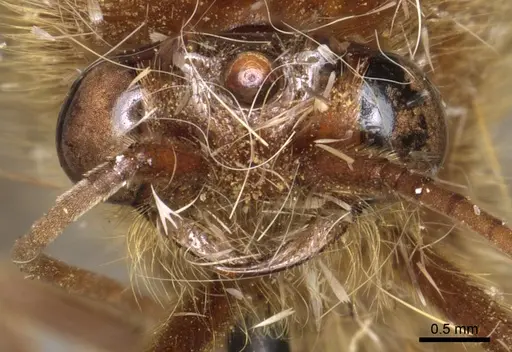
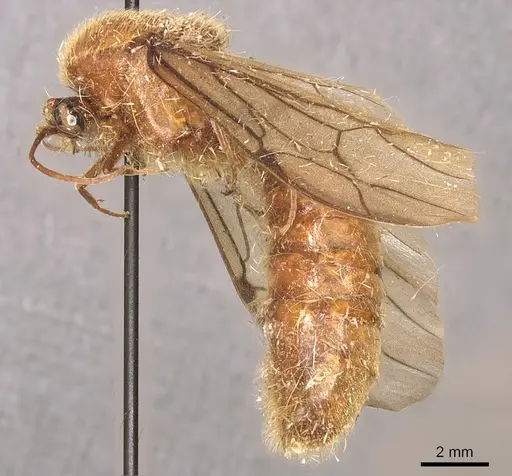
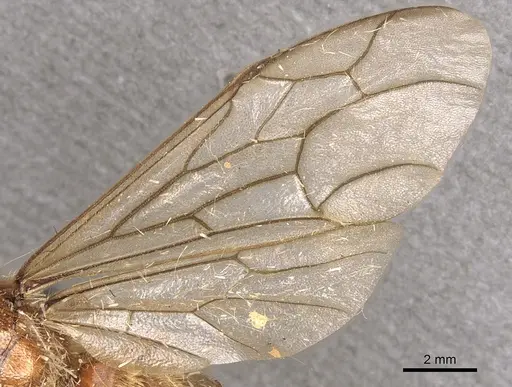
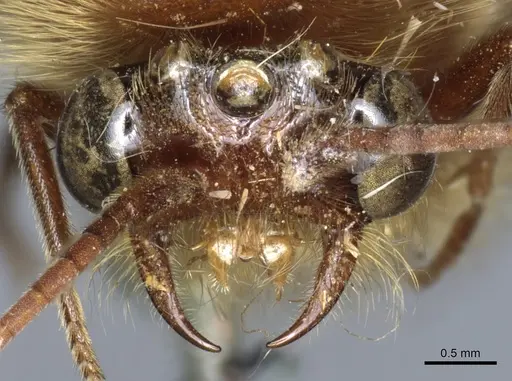
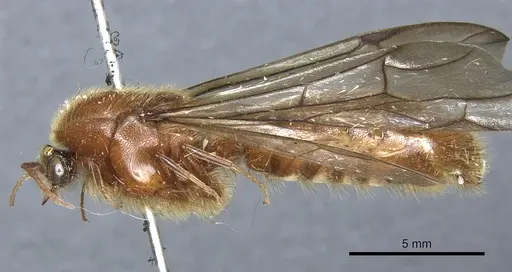
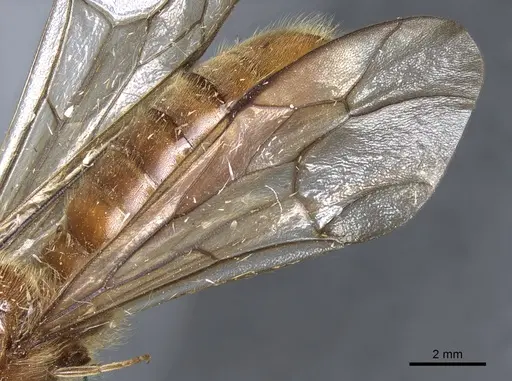
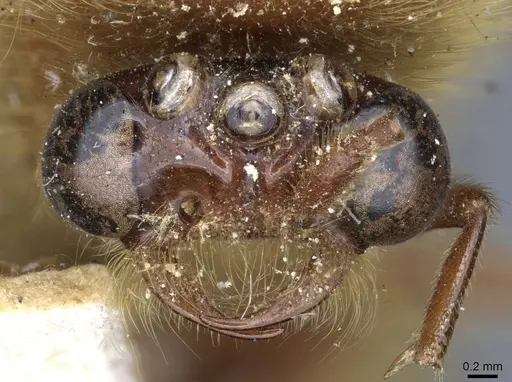
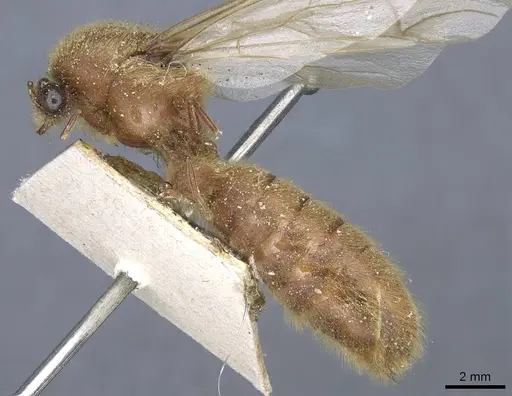
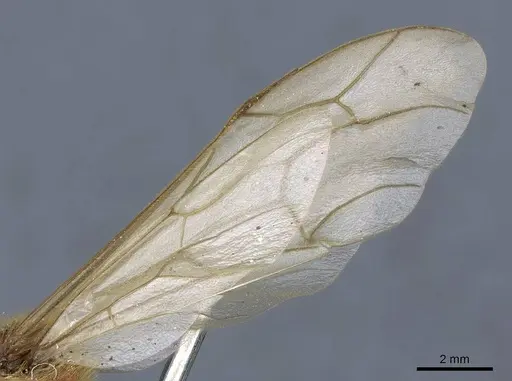
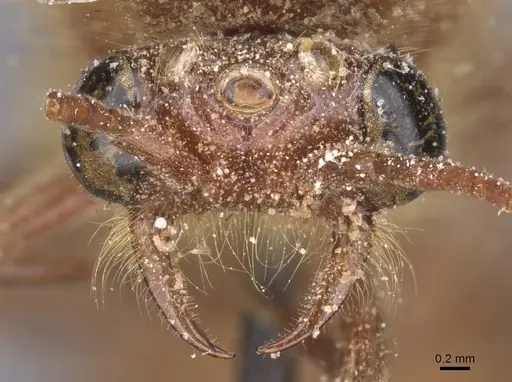
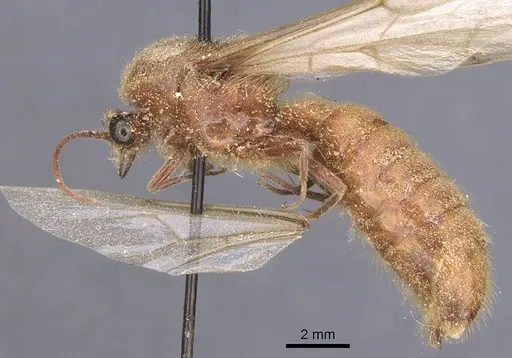
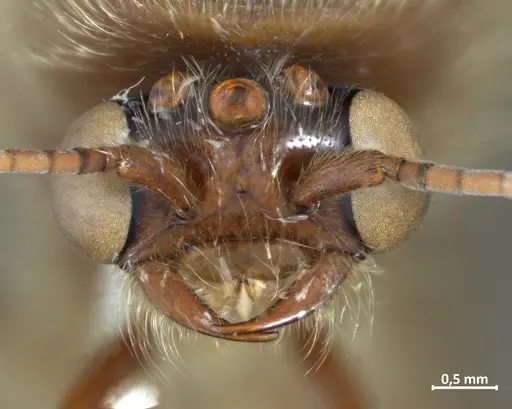
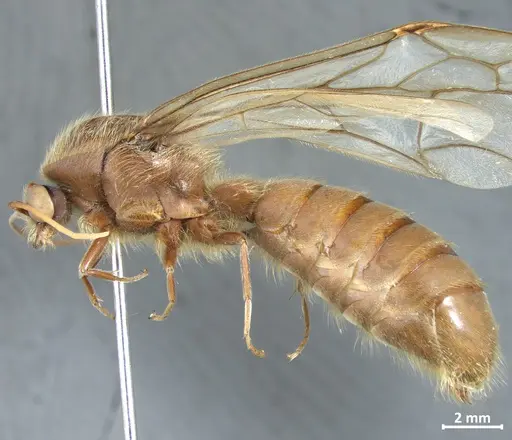
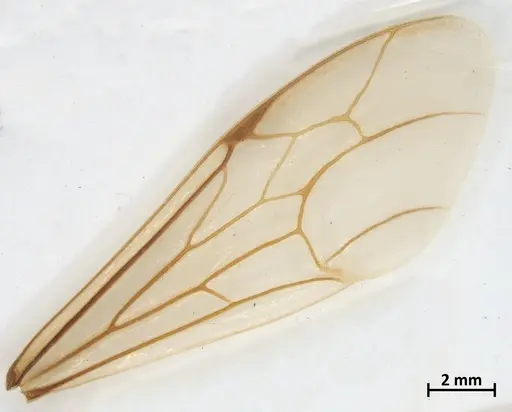
Neivamyrmex jerrmanni is a Neotropical army ant species found across Argentina, Bolivia, Brazil, Paraguay, and Uruguay . As a member of the Dorylinae subfamily, these ants are known for their predatory, nomadic lifestyle - they form temporary bivouacs while conducting raids to capture prey. Workers are small to medium-sized predators that hunt other insects and arthropods. Males are the most commonly documented caste, with type specimens described from Paraguay and Brazil . This species is assigned to the Tropical Climate Specialists functional group, indicating it prefers warm, humid conditions typical of the South American tropics .
Quick Summary
- Difficulty: Expert
- Origin & Habitat: Native to the Neotropical region, found in Argentina, Bolivia, Brazil, Paraguay, and Uruguay [1]. Recorded in Serra da Bodoquena (Mato Grosso do Sul, Brazil) and Corrientes province (Argentina) [4][3]. Inhabits tropical and subtropical climates.
- Colony Type: Colony structure is unconfirmed for this species. Neivamyrmex species are typically monogyne but this has not been confirmed for N. jerrmanni. Army ants are known for their nomadic behavior, colonies move regularly rather than maintaining a fixed nest site.
- Size & Growth:
- Queen: Size data unavailable, only male specimens have been described in scientific literature [2]
- Worker: Size data unavailable, worker caste has not been specifically described
- Colony: Unknown for this species
- Growth: Unknown, no development data available
- Development: Unconfirmed, no direct measurements exist for this species (Development timeline is unconfirmed.)
- Antkeeping:
- Temperature: Keep warm at 24-28°C. Provide a temperature gradient allowing workers to self-regulate. Avoid temperatures below 20°C as this species is adapted to tropical conditions [3].
- Humidity: Require moderate to high humidity. Keep substrate consistently moist but not waterlogged. Army ants naturally inhabit humid forest environments.
- Diapause: Unlikely, as a tropical species, they probably do not require true diapause. However, some seasonal slow-down may occur during cooler months.
- Nesting: This is an army ant, they do not build permanent nests. In captivity, they will form temporary clusters in dark, humid areas. Provide a naturalistic setup with multiple dark retreats and a moist substrate. They need space to form raiding columns. Test tubes work for founding colonies but are unsuitable for established armies.
- Behavior: Army ants are aggressive predators. Workers form raiding columns to hunt prey, they do not forage individually but swarm together. This species likely exhibits classic army ant nomadism, with colonies moving periodically. They have good escape ability, use tight-fitting lids and barrier gel. Workers can bite, though pain level is unconfirmed for this specific species.
- Common Issues: nomadic lifestyle makes housing difficult, colonies need space to move and form new bivouacs, specialized diet requirements, need constant supply of live prey, cannot survive on sugar alone, escape prevention is critical during raids, they will exploit any gap in barriers, colonies can become stressed if denied raiding opportunities, very limited species-specific information means care is largely based on genus-level inference
Understanding Army Ant Biology
Neivamyrmex jerrmanni belongs to the Dorylinae subfamily, the army ants. Unlike most ants that build permanent nests, army ants are nomadic. They form temporary bivouacs and move to new locations periodically. This behavior evolved because their intense predatory raids quickly deplete prey in any given area. Workers are blind or nearly blind and communicate primarily through chemical signals. They form characteristic raiding columns, dense swarms of workers moving together to overwhelm prey colonies. This species is classified as a Tropical Climate Specialist, meaning it prefers warm, humid conditions typical of its native South American range [3]. Only male specimens have been scientifically described for N. jerrmanni, so much of the detailed biology is inferred from related species [2].
Housing and Enclosure Setup
Keeping army ants is fundamentally different from keeping typical ants. They need a large outworld space to form raiding columns, a standard formicarium with fixed chambers will not work. Create a naturalistic setup with a spacious outworld connected to a humid nest area. The nest area should be dark and humid, using materials like moist soil, cork, or PVC tubes where they can form bivouacs. Provide multiple potential bivouac sites so the colony can move. The outworld should have a deep substrate to allow workers to form tunnels and raid through the soil. Use a secure lid, army ants are excellent escape artists and will find any gap. Fluon barrier gel on the rim of the enclosure helps prevent escapes. Temperature should be maintained at 24-28°C using a heating mat if needed, placed under one end of the enclosure to create a gradient.
Feeding and Diet
Army ants are strict predators, they do not collect honeydew or eat seeds. Your colony will need a constant supply of live prey. Suitable prey includes other ant colonies, termites, small insects, and any arthropods small enough for workers to subdue. Feed generously, a hungry army ant colony will become stressed and may decline. Feed prey items in the outworld and watch the raiding response. Remove uneaten prey after 24-48 hours to prevent mold. Sugar water may be offered occasionally but is not a primary food source.
Colony Founding and Growth
Queen founding behavior in Neivamyrmex jerrmanni is unconfirmed. In some army ant species, queens must hunt during founding to feed themselves and early brood. After workers arrive, the colony may enter a nomadic phase, moving regularly as raids deplete local prey. Colony growth rate is unknown for this specific species. The colony may alternate between stationary phases and nomadic phases.
Seasonal Care and Activity Patterns
As a tropical species, Neivamyrmex jerrmanni does not require true hibernation. However, activity may slow during cooler months in captivity, monitor your colony and reduce feeding if they become less active. In captivity, you may observe cycles of high activity followed by relative stillness. Maintain consistent warmth year-round (24-28°C) to support continuous development. Humidity should remain high, army ants are susceptible to desiccation.
Frequently Asked Questions
Can I keep Neivamyrmex jerrmanni in a test tube?
No, test tubes are completely unsuitable for this species. Army ants are nomadic and need space to form raiding columns and move their bivouac. A test tube would cause stress and colony failure. You need a naturalistic setup with a spacious outworld and multiple dark, humid retreat areas.
What do Neivamyrmex jerrmanni ants eat?
They are strict predators that need live prey. Feed them other insects like small crickets, mealworms, and ideally other ant colonies or termites. They do not eat sugar, honey, or seeds. A constant supply of live prey is essential for colony survival.
How long does it take for first workers to appear?
The egg-to-worker timeline is unconfirmed for this species. There are no direct measurements available.
Are Neivamyrmex jerrmanni ants dangerous?
They can bite and likely have a stinger, though pain level is unconfirmed for this specific species. As predators, they are aggressive toward prey but typically not dangerous to humans.
Do these ants need hibernation?
No, as a tropical species, they do not require true hibernation. Some seasonal slow-down may occur during cooler months, but maintain warm temperatures (24-28°C) year-round for best results.
How big do colonies get?
Colony size is unconfirmed for this specific species.
Can I keep multiple queens together?
This is unconfirmed for this species. Neivamyrmex species are typically monogyne but this has not been confirmed for N. jerrmanni. Combining unrelated queens is not recommended without evidence they can coexist.
Why is this species marked as Expert difficulty?
Army ants have specialized care requirements that differ from typical ants: they need live prey constantly, require large spaces for raiding, exhibit nomadic behavior requiring multiple bivouac sites, and are excellent escape artists. The limited species-specific information also makes care more challenging.
When should I move them to a formicarium?
Army ants should not be kept in traditional formicariums with fixed chambers. Use a naturalistic setup from the start, a large outworld with moist substrate and multiple dark retreats. This mimics their natural nomadic lifestyle better than any commercial formicarium.
Why are they called army ants?
They are called army ants because they form large raiding columns that sweep through an area like an army, overwhelming prey colonies. Unlike typical ants that forage individually, army ants coordinate in swarms to capture prey that would be impossible for single workers to subdue.
Report an Issue
The current care sheet is based fully on literature. See inconsistencies, or something that's incorrect? Please , it will be resolved after review from an admin. Contributing to the blogs tab also helps providing information, to make us be able to further improve the caresheets. Thank you for your support!
References

This caresheet is licensed under CC BY-SA 4.0 .
Community Blogs
CASENT0901978
View on AntWeb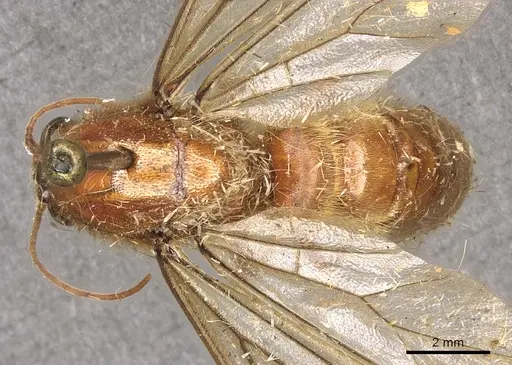
CASENT0903738
View on AntWeb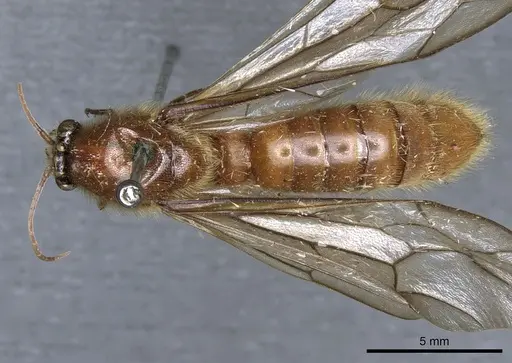
CASENT0905963
View on AntWeb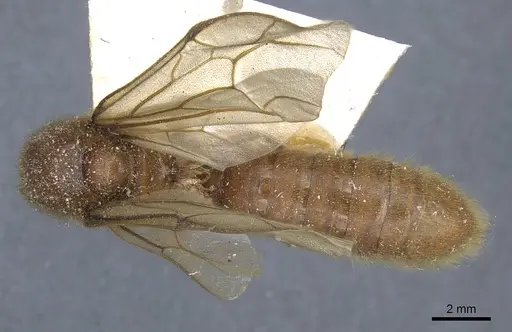
CASENT0911401
View on AntWeb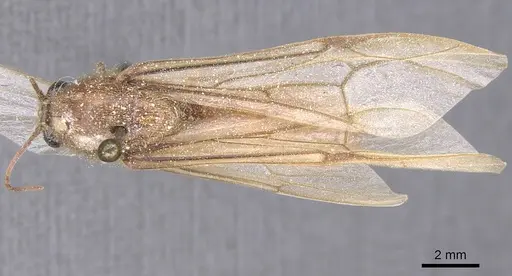
DZUP549830
View on AntWeb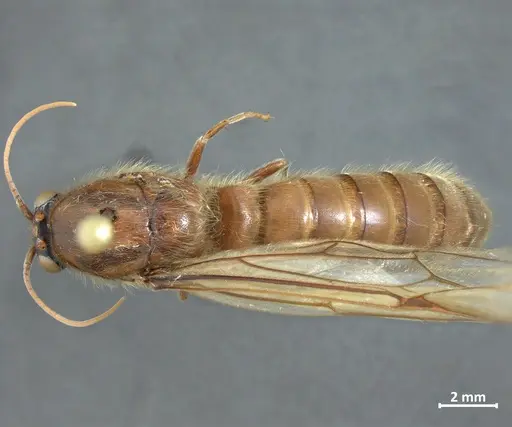
Literature
Loading distribution map...Loading products...