
Neivamyrmex iridescens
- Sci. Name
- Neivamyrmex iridescens
- Subfamily
- Dorylinae
- Author
- Borgmeier, 1950
- Distribution
- Found in 6 countries
Introduction
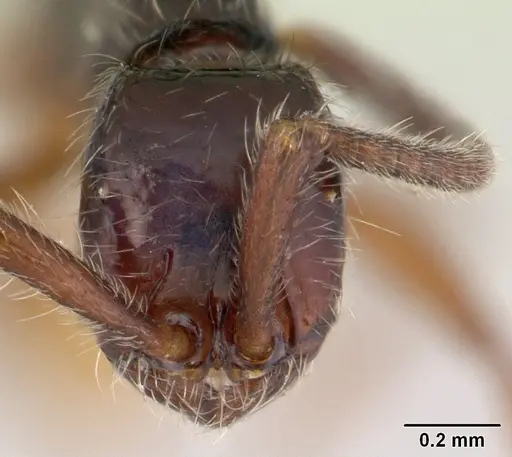
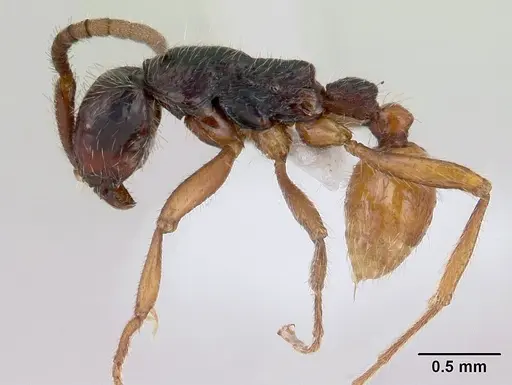
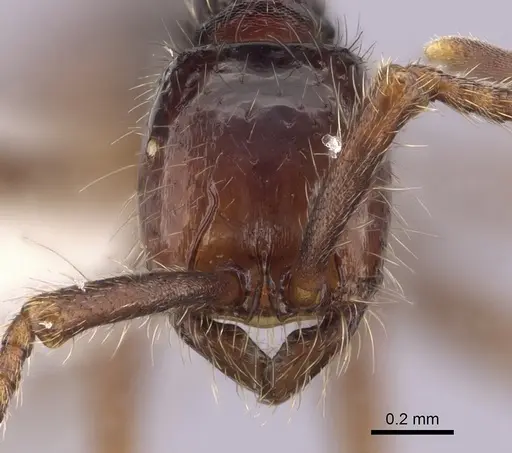
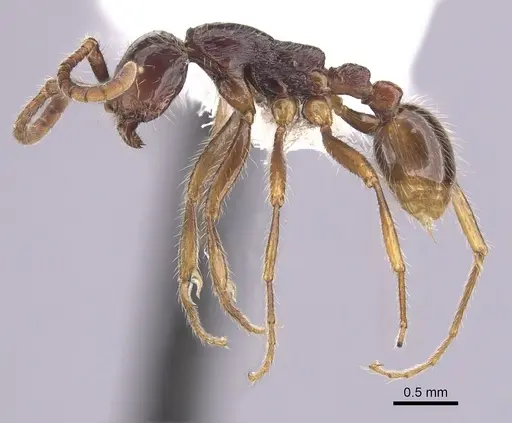
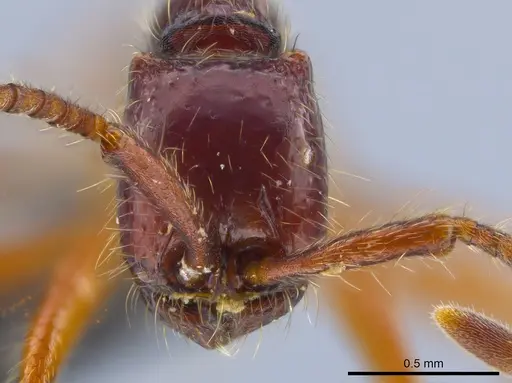
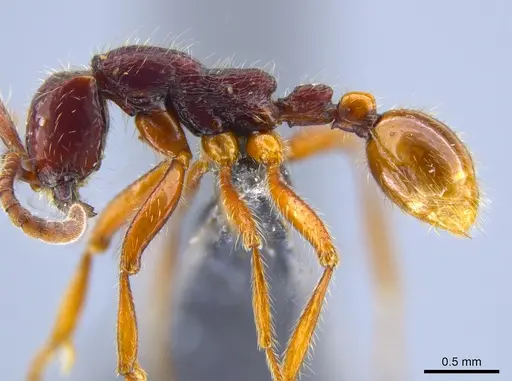
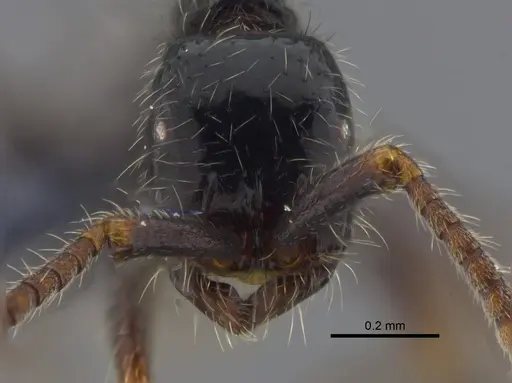
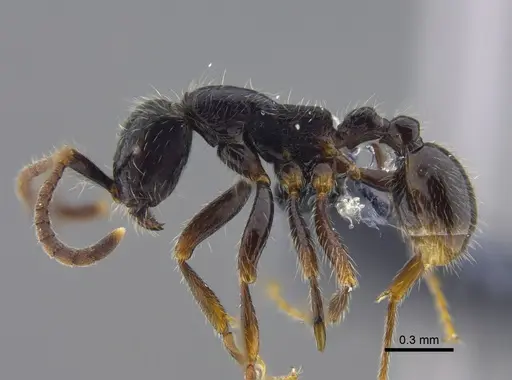
Neivamyrmex iridescens is a small army ant species found across the Neotropical region, from Costa Rica through northern South America. Workers have a striking appearance: the head, mesosoma, and petiole are dark purple with blue iridescence, while the legs, post-petiole, and gaster are orange . The posterior face of the propodeum is strongly concave, and the head is smooth and shiny with sparse small puncta. This species is only known from workers and queens - males have never been associated with the species . These are army ants, meaning they are nomadic predators that raid in columns rather than maintaining a fixed nest.
Quick Summary
- Difficulty: Expert
- Origin & Habitat: Neotropical rainforests of Central and South America, Costa Rica, Panama, Colombia, Ecuador, Venezuela, Guyana, Suriname, French Guiana, and Bolivia [3][4]. They are litter-dwelling ants found in rainforest environments [5].
- Colony Type: Colony structure is unconfirmed. As army ants, they likely form colonies with a single queen, but this has not been directly documented for this species.
- Size & Growth:
- Queen: Unconfirmed, no documented measurements for queens [2]
- Worker: Approximately 3-4mm based on genus patterns [1]
- Colony: Unknown, no colony size data exists for this species
- Growth: Unknown, no development data exists for this species
- Development: Unknown, no development data exists for this species (No research has documented the development timeline. Based on typical army ant patterns, development likely takes several weeks at optimal tropical temperatures, but this is an estimate.)
- Antkeeping:
- Temperature: Keep at 24-28°C, these are tropical rainforest ants requiring warm, stable conditions.
- Humidity: High humidity required, keep the nest substrate consistently moist but not waterlogged.
- Diapause: No, as a tropical species, they do not require hibernation. Maintain warm conditions year-round.
- Nesting: Litter-dwelling army ants prefer naturalistic setups with soil and leaf litter. They do not do well in sterile test tubes.
- Behavior: Army ants are highly active predators that raid in columns. They are aggressive hunters and should be treated as escape risks, their small size and active foraging behavior means they can slip through small gaps. They form characteristic foraging columns and do not maintain permanent nests, they bivouac during nomadic phases.
- Common Issues: no documented care information exists for this species, escape prevention is critical due to small size and active foraging behavior, tropical temperature requirements mean room temperature is often insufficient, live prey requirement makes them difficult to feed, nomadic colony movement may stress captive colonies if proper bivouac space is not provided, poorly understood species means keepers must be prepared to experiment with care protocols
Understanding Army Ant Biology
Neivamyrmex iridescens belongs to the Dorylinae subfamily, the army ants. Unlike typical ants that maintain permanent underground nests, army ants are nomadic predators. They alternate between stationary phases where the queen lays eggs and the colony remains in one location, and nomadic phases where they pack up and move to new hunting grounds. The colony forms a living bivouac, a temporary nest made entirely of the ants themselves, linked together using their own bodies. This species is known only from workers and queens, males have never been documented, which is unusual even for army ants [2]. The distinctive color pattern (dark purple head, mesosoma, and petiole with orange legs and gaster, plus blue iridescence) makes this species relatively easy to identify among Neotropical army ants [1]. The iridescence tone can vary among specimens from different South American localities [1].
Housing and Nest Setup
Army ants cannot be kept in standard test tube setups, they need a naturalistic formicarium with soil substrate. Fill the outworld with a layer of damp soil and leaf litter to mimic the rainforest floor. Provide multiple chambers connected by tunnels so the colony can reorganize during their nomadic phases. Use a water reservoir connected to the nest area to maintain humidity without flooding. Because they are small, escape prevention must be excellent, use tight-fitting lids and fine mesh on any ventilation. The nest should have areas of varying moisture so the ants can self-regulate their humidity preferences.
Feeding Requirements
As predatory army ants, they require a constant supply of live prey. They are not interested in sugar water or honey, their entire diet comes from hunting other small invertebrates. Offer small live insects such as fruit flies, pinhead crickets, small mealworms, and other micro-arthropods. In the wild, they raid in columns and overwhelm prey through numbers. Feed every few days, removing any uneaten prey after 24 hours to prevent mold. The colony size is unknown but will determine feeding frequency, larger colonies need more frequent feedings.
Temperature and Humidity
These are tropical ants requiring warm, humid conditions year-round. Maintain temperatures between 24-28°C, use a heating cable on one side of the nest if your room temperature is below this range. Place the heating element on top of the nest, not underneath, to avoid evaporating moisture too quickly. Humidity should be high, the substrate should feel damp but not have standing water. Mist occasionally and ensure the water reservoir is filled. Do not allow temperatures to drop below 22°C for extended periods. Unlike temperate ants, they do not require any winter dormancy period.
Unique Challenges of Army Ant Care
Keeping Neivamyrmex iridescens is significantly more challenging than typical ant species. First, there is essentially no documented care information for this specific species, everything must be extrapolated from general army ant biology. Second, their nomadic lifestyle means they may periodically try to leave the nest area in search of new hunting grounds. Third, they require almost constant access to live prey, making them high-maintenance. Fourth, their small size and active behavior mean escape prevention is critical. Fifth, the lack of any male association in the scientific literature suggests this species may reproduce through alternative means, which could affect how colonies develop in captivity. Only experienced antkeepers should attempt this species. [2]
Frequently Asked Questions
Can I keep Neivamyrmex iridescens in a test tube?
No, test tubes are completely unsuitable for this species. Army ants need a naturalistic setup with soil substrate and multiple chambers to accommodate their nomadic lifestyle. They will not thrive in sterile laboratory-style setups.
What do Neivamyrmex iridescens eat?
They are strict predators that require live prey. Offer small live insects such as fruit flies, pinhead crickets, small mealworms, and other micro-arthropods. They do not accept sugar water, honey, or dead insects, only live hunting prey.
How long does it take for first workers to emerge?
Unknown, no development data exists for this species. Based on typical army ant patterns, expect several weeks from egg to worker at optimal tropical temperatures, but this is purely an estimate.
Are Neivamyrmex iridescens good for beginners?
No, this species is not recommended for beginners. There is virtually no documented care information for this specific species, making it an experimental keep even for experienced antkeepers. Their live prey requirements, escape risk, and tropical temperature needs make them challenging.
Do Neivamyrmex iridescens need hibernation?
No, as a tropical species from the Neotropical region, they do not require hibernation. Keep them warm year-round at 24-28°C. Temperatures below 22°C for extended periods may stress the colony.
How big do Neivamyrmex iridescens colonies get?
Unknown, no colony size data exists for this species. Based on typical army ant patterns, colonies may reach several hundred to a few thousand workers, but this is an estimate.
Why are my Neivamyrmex iridescens dying?
Without documented care information, colony failure can occur for many reasons. Common issues include: temperatures too low, humidity too low or too high, lack of live prey, escape-related losses, or stress from inappropriate housing. This species is poorly understood and experimental by nature.
Can I keep multiple queens together?
Unknown, the colony structure of this species has not been documented. Army ants typically have single-queen colonies, but combining unrelated queens has not been studied for this species. Do not attempt without understanding the species' social structure.
When should I move them to a formicarium?
Army ants should be housed in naturalistic setups from the start, not test tubes. If you obtain a founding colony, set them up in a naturalistic formicarium with damp soil substrate immediately.
What makes Neivamyrmex iridescens different from other ants?
They are army ants with a nomadic lifestyle, they do not maintain permanent nests but instead form temporary bivouacs from their own bodies. They raid in columns and are strict predators. Their distinctive color pattern helps identify them. Only workers and queens are known, males have never been documented [2].
Is Neivamyrmex iridescens invasive anywhere?
No, this species is native to the Neotropical region and has not been documented as invasive. It is found naturally only in Central and South American countries.
Report an Issue
The current care sheet is based fully on literature. See inconsistencies, or something that's incorrect? Please , it will be resolved after review from an admin. Contributing to the blogs tab also helps providing information, to make us be able to further improve the caresheets. Thank you for your support!
References

This caresheet is licensed under CC BY-SA 4.0 .
Community Blogs
CASENT0178596
View on AntWeb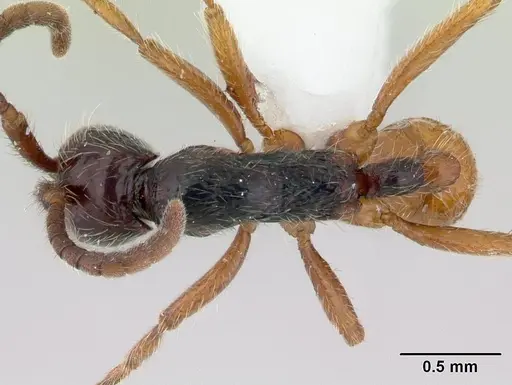
CASENT0249488
View on AntWeb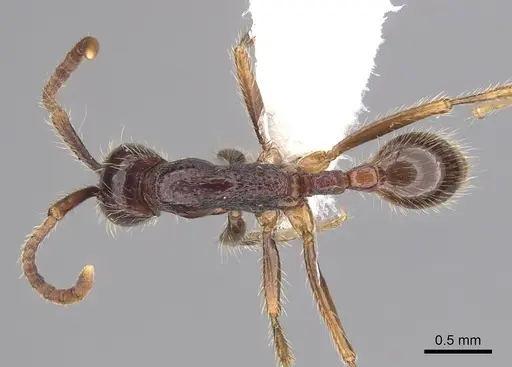
CASENT0650779
View on AntWeb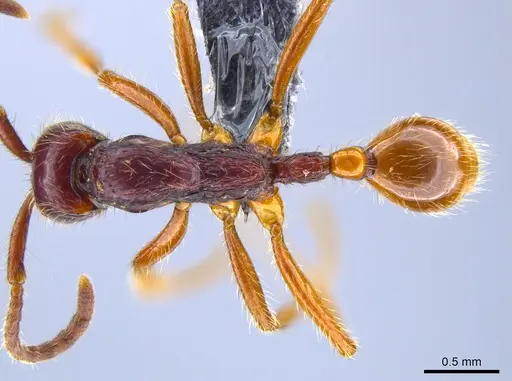
CBUMAGENT41859
View on AntWeb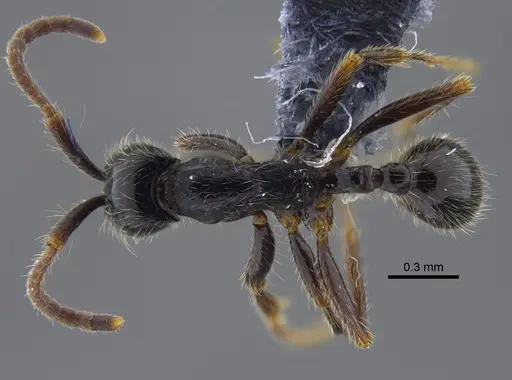
JTLC000006072
View on AntWeb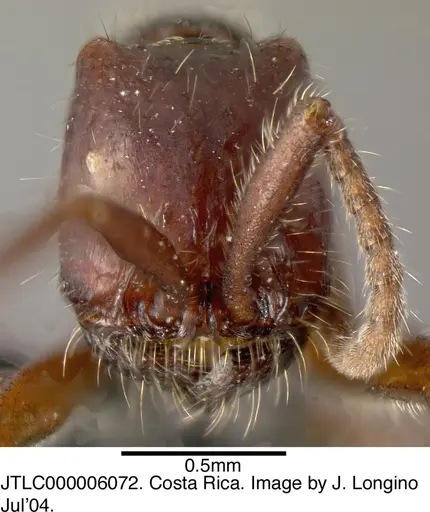
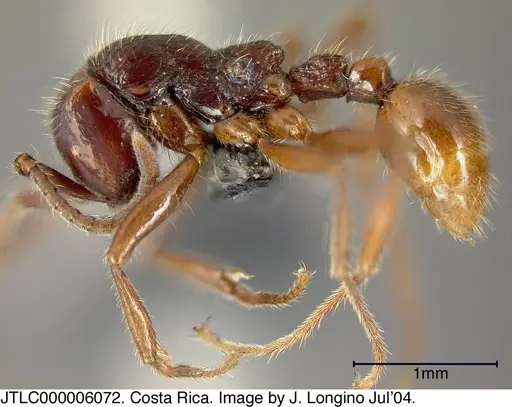
Literature
Loading distribution map...Loading products...