
Neivamyrmex hetschkoi
- Sci. Name
- Neivamyrmex hetschkoi
- Subfamily
- Dorylinae
- Author
- Mayr, 1886
- Distribution
- Found in 2 countries
Introduction
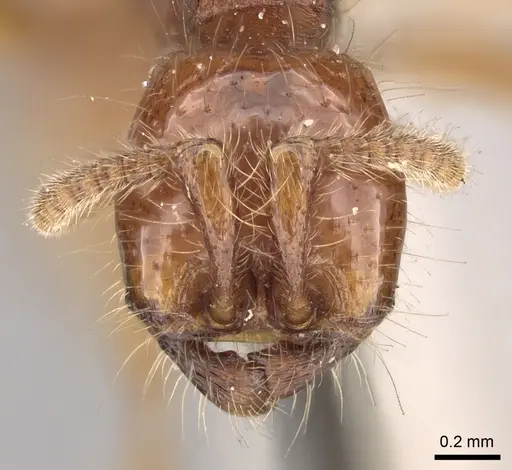
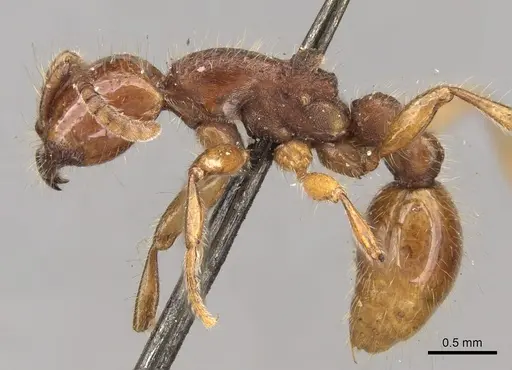
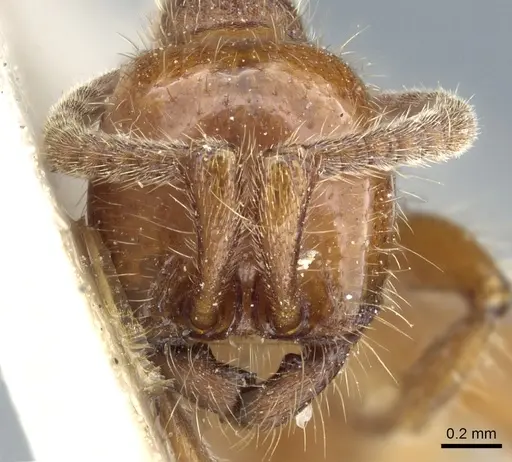
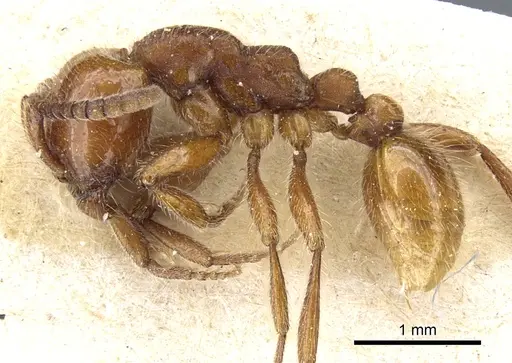
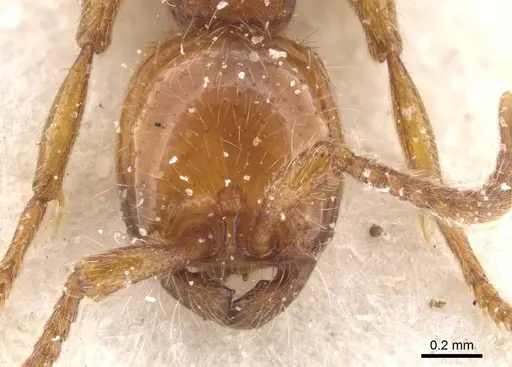
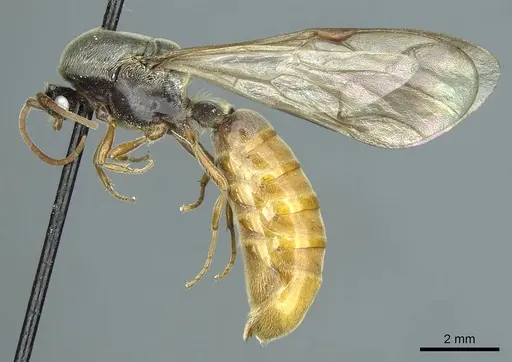
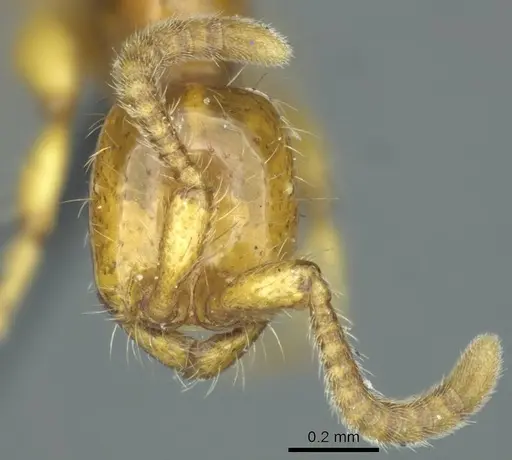
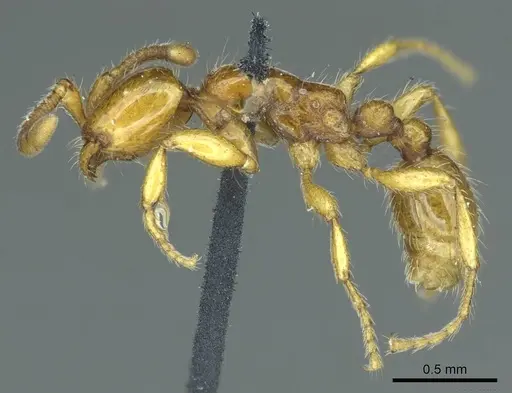
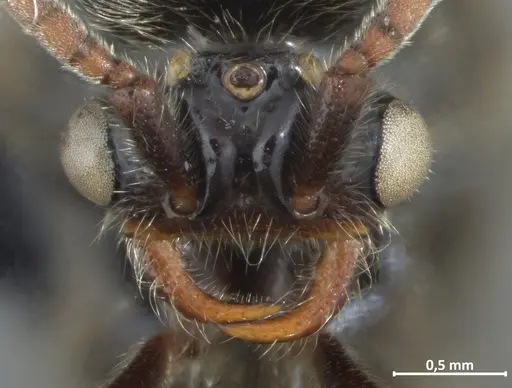
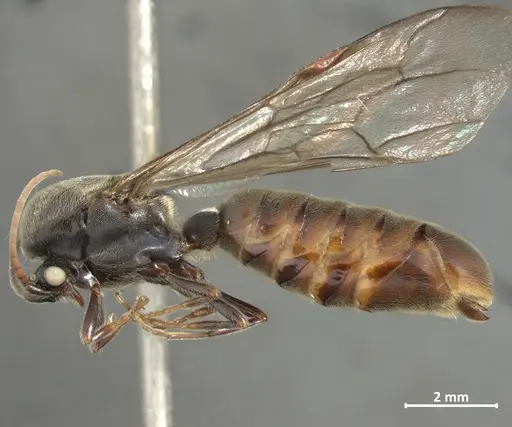
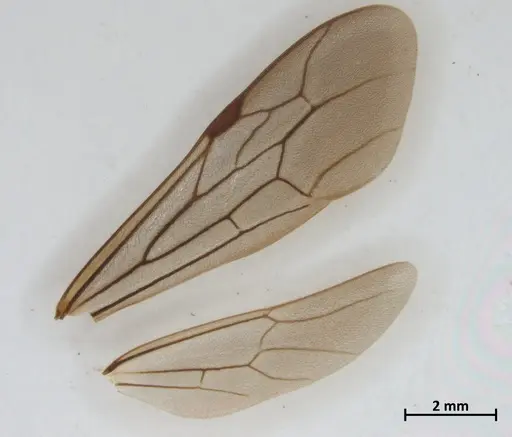
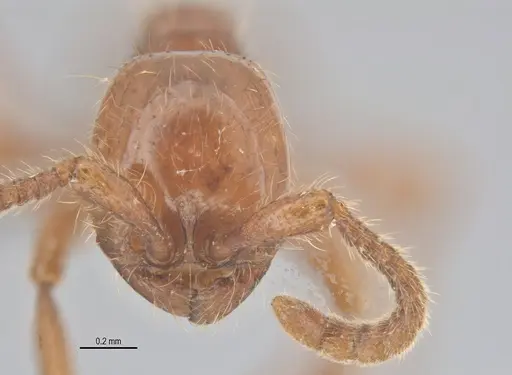
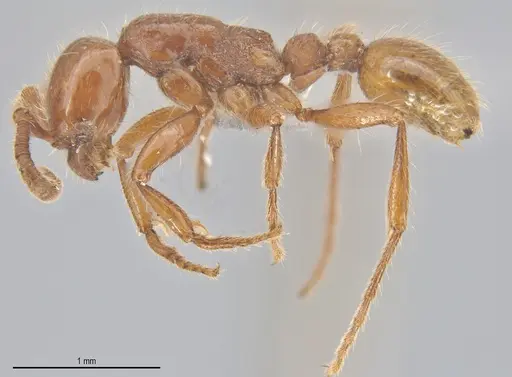
Neivamyrmex hetschkoi is a Neotropical army ant found in southern Brazil, Paraguay, Argentina, and Uruguay . As an army ant, this species exhibits the classic nomadic lifestyle - colonies do not build permanent nests but instead form temporary bivouacs and move regularly to new hunting grounds . Workers are small army ants with the reddish-brown to dark coloration typical of Dorylinae species. This species is assigned to the Tropical Climate Specialists functional group, indicating it prefers warm, humid conditions typical of the Neotropical region . Like other army ants, N. hetschkoi is a predator that hunts in coordinated raiding columns, preying on insects and other arthropods in the leaf litter and soil. They are exclusively forest-dwelling in their native habitat, recorded primarily in forested areas of southern Brazil .
Quick Summary
- Difficulty: Expert
- Origin & Habitat: Neotropical region, southern Brazil, Paraguay, Argentina, and Uruguay. Found in forest environments in highland regions of southern Brazil and the Misiones province of Argentina [3][4][2].
- Colony Type: Colony structure is typical of army ants, large colonies with a single queen. Army ant colonies are known for their massive worker populations.
- Size & Growth:
- Queen: Size data unavailable, inferred from Neivamyrmex genus patterns (~12-15mm)
- Worker: Size data unavailable, inferred from Neivamyrmex genus patterns (~3-7mm)
- Colony: Up to tens of thousands of workers based on typical army ant colony sizes
- Growth: Fast, army ant colonies grow rapidly when conditions are favorable
- Development: Estimated 4-6 weeks at optimal temperature (Development times for this specific species have not been directly studied.)
- Antkeeping:
- Temperature: Keep at 24-28°C, they are Tropical Climate Specialists requiring warm, stable temperatures [2]. Use a heating cable on one side of the enclosure to create a gradient.
- Humidity: High humidity required, aim for 70-80% relative humidity. Keep the substrate consistently moist but not waterlogged. Mist regularly and provide a water source.
- Diapause: No, as a tropical species, they do not require hibernation. Maintain warm conditions year-round.
- Nesting: Army ants do not build traditional nests. In captivity, they form temporary bivouacs using paper towels, cotton, or other soft materials. Provide a large outworld with multiple feeding stations rather than a traditional formicarium.
- Behavior: This is an aggressive, predatory species that hunts in coordinated raiding columns. Workers are highly active and will aggressively defend the colony. They have a potent sting though the pain level is moderate compared to larger army ants. Escape prevention is critical, they are excellent climbers and will exploit any gap. Their nomadic nature means colonies must be moved periodically to new hunting grounds. They are primarily nocturnal or crepuscular raiders in the wild.
- Common Issues: army ants are extremely difficult to keep in captivity due to their nomadic lifestyle and need for constant movement to new hunting grounds, large colony size requires substantial space and food, beginners often underestimate the amount of prey needed, without regular raids and hunting opportunities, colonies can decline rapidly, they will attack and kill other ant colonies if given the opportunity, keep isolated, escape prevention must be excellent, they are small, fast, and persistent
Housing and Enclosure Setup
Neivamyrmex hetschkoi cannot be kept in traditional formicariums. Army ants need space to roam and form temporary bivouacs. A large plastic tub or glass tank (at least 30x30x30cm for established colonies) with a secure lid works best. Line the bottom with a moisture-retaining substrate like coconut fiber or soil. Provide multiple hiding spots using pieces of cardboard, paper towels, or artificial plants where they can form bivouacs.
The key to keeping army ants is creating opportunities for natural raiding behavior. Scatter prey items (live insects) throughout the enclosure and allow the ants to conduct raids. Rotate the location of prey to simulate the nomadic hunting pattern. Never confine them to a small nest chamber, this will cause colony collapse. Use a water test tube with a cotton plug as a constant water source. [1]
Feeding and Diet
This is an obligate predator, they require live prey to survive and thrive. Feed a variety of small invertebrates including mealworms, waxworms, fruit flies, small crickets, and other insects. Offer prey items at least 2-3 times per week, with larger colonies requiring daily feeding. Remove uneaten prey after 24 hours to prevent mold.
Army ant colonies have enormous appetites. A large colony can consume hundreds of small insects per week. Prey should be appropriately sized. Live prey is essential, they rarely accept dead insects unless they are freshly killed and moving. Do not offer sugar water or honey, army ants are primarily predatory and do not typically consume nectar or honeydew. [1]
Temperature and Seasonal Care
Maintain temperatures between 24-28°C year-round. This species is a Tropical Climate Specialist and does not tolerate cool conditions [2]. Use a low-wattage heating cable under one side of the enclosure to create a warm zone, but ensure there are cooler areas as well so ants can self-regulate. Room temperature alone is likely insufficient unless your home is consistently warm.
No diapause or hibernation is required or recommended. Keep conditions stable throughout the year. Avoid temperature fluctuations and drafts. Monitor with a digital thermometer placed at the substrate level. In cooler climates, a small thermostat-controlled heat mat is essential for maintaining proper temperatures.
Behavior and Colony Dynamics
Army ant colonies are fundamentally different from typical ants in their behavior. Rather than maintaining a static nest, they form temporary bivouacs and relocate every few days in what researchers call the nomadic-statary cycle. During the nomadic phase, the colony raids extensively and the queen lays eggs. During the statary phase, the colony rests while the brood develops.
In captivity, you should simulate this by periodically moving the colony to new areas of the enclosure or providing new hunting grounds. Workers are aggressive defenders and will readily sting threats. The sting is not dangerous to healthy humans but can cause localized pain and irritation. Handle with extreme caution, disturbed army ant colonies can deliver mass stinging incidents. [1]
Growth and Development
Colonies grow rapidly when well-fed. A newly mated queen can establish a colony that reaches several hundred workers within the first year under optimal conditions. Mature colonies can contain tens of thousands of workers. The queen lays eggs in batches during the nomadic phase, and the brood develops synchronously.
First workers are smaller than mature workers but will immediately begin participating in raids. The colony should be fed heavily during the early stages to encourage rapid growth. However, be cautious not to overfeed, excess prey can die and cause mold problems in the enclosure.
Legal and Ethical Considerations
Before acquiring Neivamyrmex hetschkoi, verify that it is legal to keep in your jurisdiction. This species is native to the Neotropical region (Brazil, Argentina, Paraguay, Uruguay) and may be protected or require permits in some areas. Never release captive colonies into non-native environments, army ants are aggressive predators that could cause ecological damage if introduced outside their native range. Always source colonies from reputable breeders who ethically propagate their stock. [1]
Frequently Asked Questions
Can I keep Neivamyrmex hetschkoi in a test tube?
No, army ants cannot be kept in test tubes or traditional formicariums. They need large spaces to form temporary bivouacs and conduct raids. A large plastic tub or glass tank with a secure lid is the minimum housing requirement.
How long does it take for first workers to appear?
Estimated 4-6 weeks from egg to first worker at optimal temperature (24-28°C). This is based on typical army ant development patterns, as specific development times for this species have not been documented.
Are army ants suitable for beginners?
No, army ants are considered expert-level species. They require large enclosures, constant access to live prey, warm humid conditions, and periodic relocation to simulate their nomadic lifestyle. They are not recommended for beginners.
What do Neivamyrmex hetschkoi eat?
They are obligate predators that require live prey. Feed a variety of small invertebrates including mealworms, waxworms, fruit flies, small crickets, and other insects. They do not typically accept sugar sources or dead prey.
How big do colonies get?
Mature colonies reach tens of thousands of workers based on typical army ant colony sizes. This species has not been specifically studied for colony size, but Neivamyrmex colonies are typically large.
Do they need hibernation?
No, as a tropical species, they do not require hibernation. Maintain warm conditions (24-28°C) year-round. Cool temperatures can stress the colony and lead to decline.
When should I move my colony to a larger enclosure?
Start with a medium-sized enclosure (at least 20x20x20cm) from the beginning, as army ant colonies grow rapidly. Upgrade to larger enclosures (30x30x30cm or bigger) as the colony expands. The key is providing enough space for raiding behavior.
Can I keep multiple queens together?
No, this species is monogyne (single queen). Multiple unrelated queens will fight. Even in species that can be polygynous, combining foundress queens is risky and often results in death.
Why is my colony declining?
Common causes include: insufficient prey (they need constant hunting opportunities), temperatures below 24°C, low humidity, enclosure too small for their nomadic behavior, or stress from disturbance. Review all care parameters and ensure adequate feeding and space.
What makes Neivamyrmex hetschkoi different from other ants?
As an army ant, they exhibit the unique nomadic-statary lifestyle where colonies constantly move to new hunting grounds rather than maintaining a permanent nest. They raid in coordinated columns and have extremely large colonies. This makes them one of the most challenging ant species to keep.
Report an Issue
The current care sheet is based fully on literature. See inconsistencies, or something that's incorrect? Please , it will be resolved after review from an admin. Contributing to the blogs tab also helps providing information, to make us be able to further improve the caresheets. Thank you for your support!
References

This caresheet is licensed under CC BY-SA 4.0 .
Community Blogs
CASENT0281952
View on AntWeb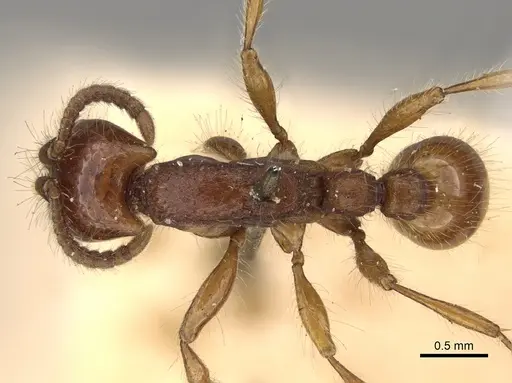
CASENT0903731
View on AntWeb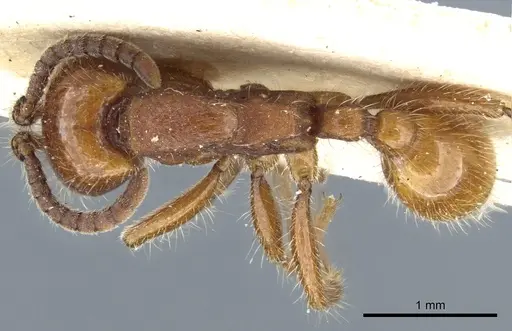
CASENT0911399
View on AntWeb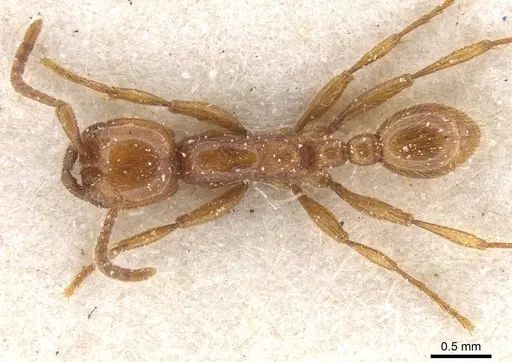
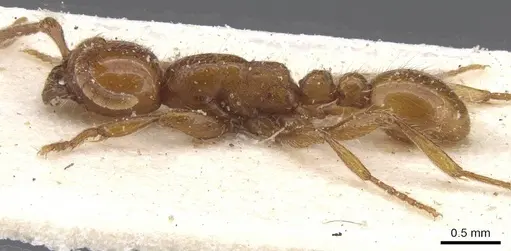
CASENT0915858
View on AntWeb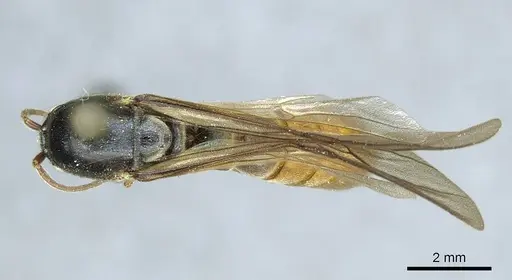
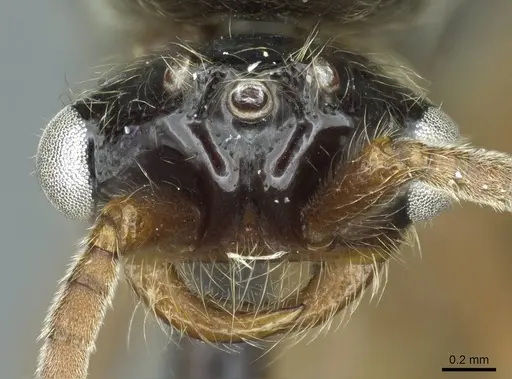
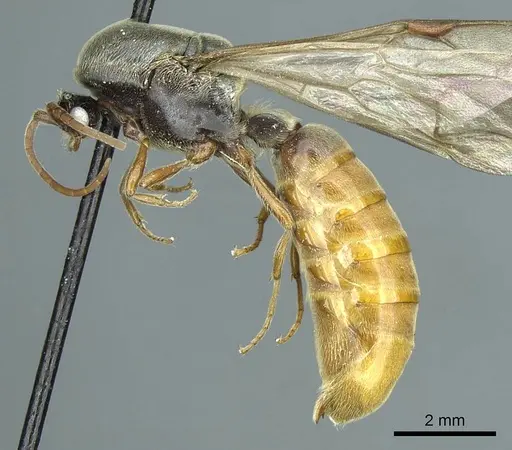
CASENT0915859
View on AntWeb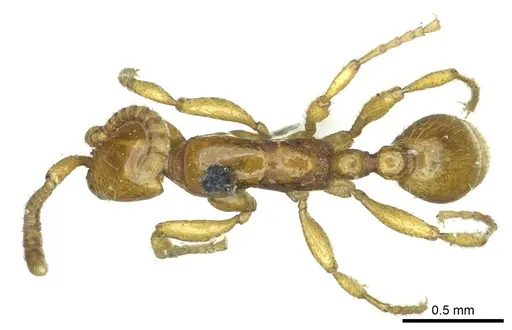
DZUP549838
View on AntWeb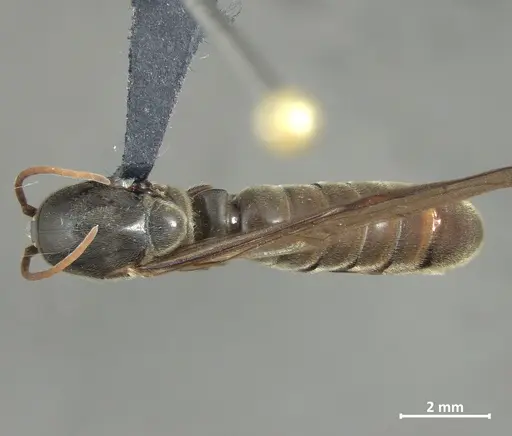
ECOTROP02603
View on AntWeb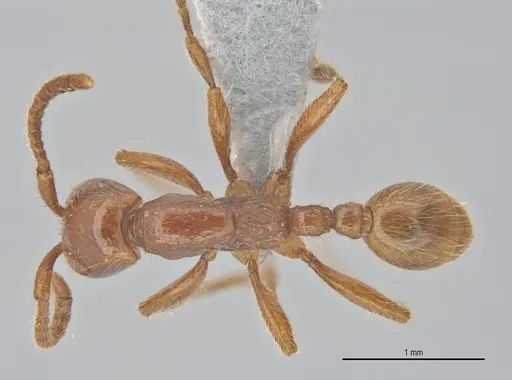
Literature
Loading distribution map...Loading products...