
Neivamyrmex halidaii
- Sci. Name
- Neivamyrmex halidaii
- Subfamily
- Dorylinae
- Author
- Shuckard, 1840
- Distribution
- Found in 10 countries
Introduction
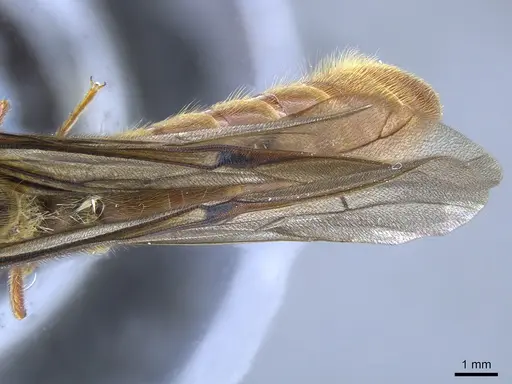
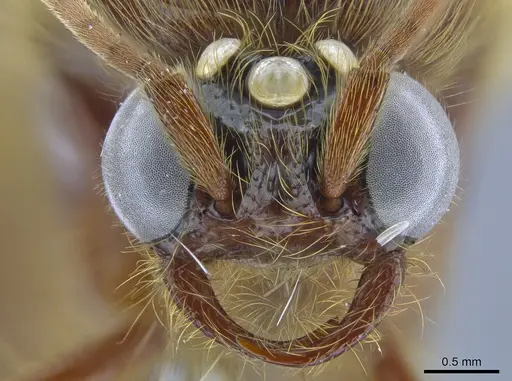
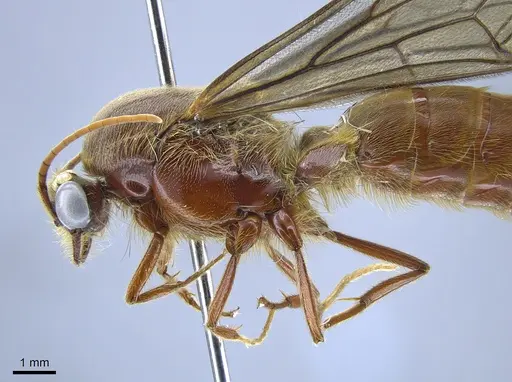
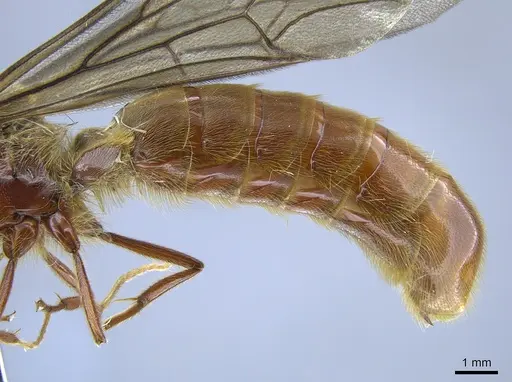
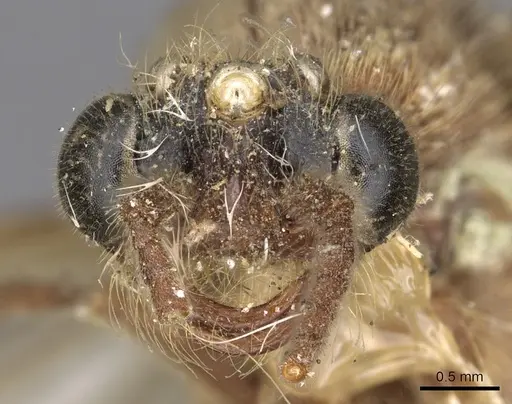
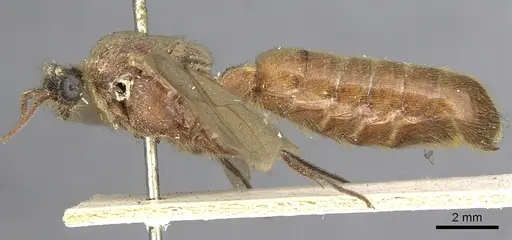
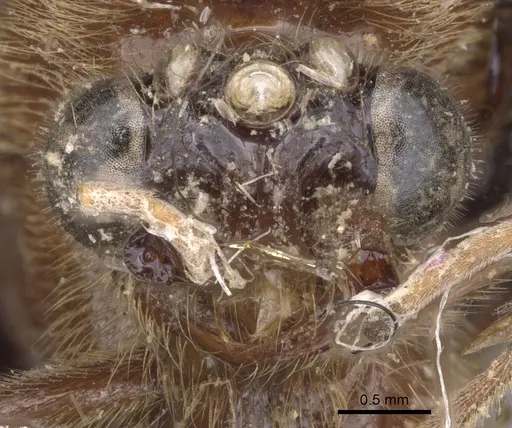
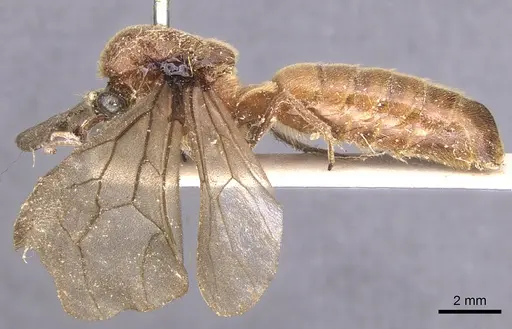
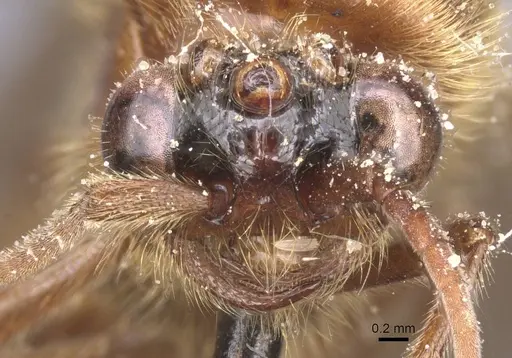
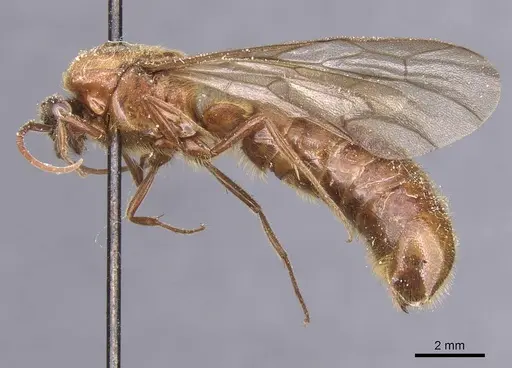
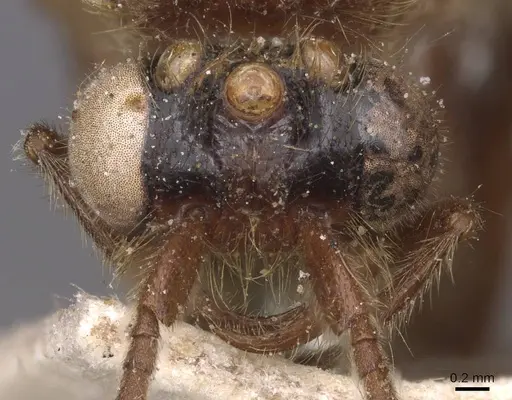
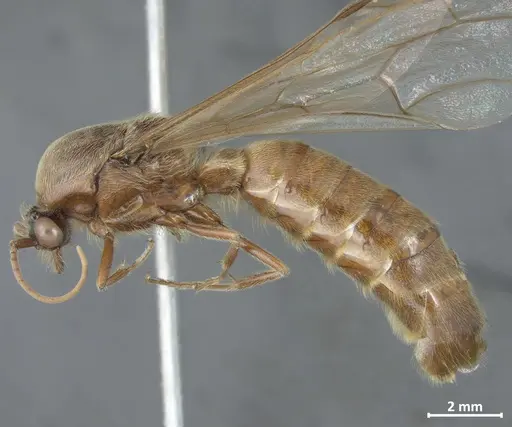
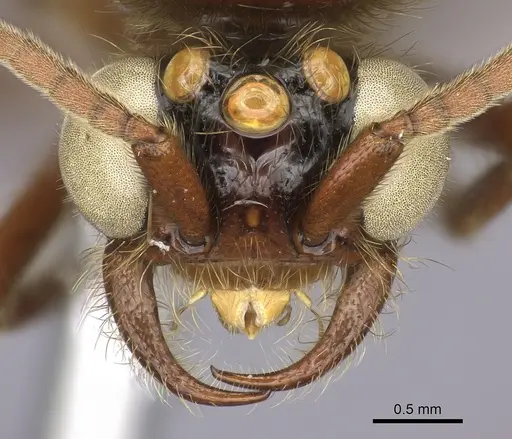
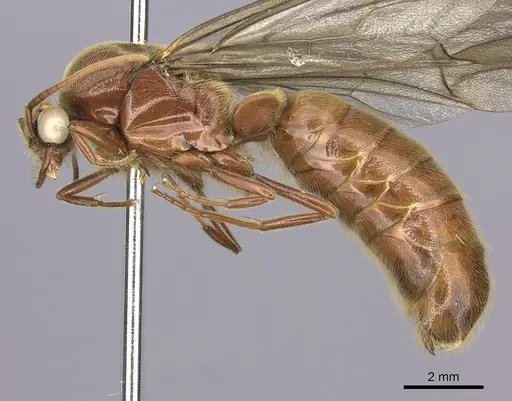
Neivamyrmex halidaii is one of the most unusual army ant species - it is only known from male specimens, with no queens or workers ever documented . Males are reddish-brown (testaceous), covered in fine hairs, with a black head except for the clypeus, mandibles, and antennae which match the body color . The species ranges from Mexico (Veracruz, Oaxaca, Chiapas) south through Central America to Bolivia and northern Argentina . Males are attracted to lights and have been collected in light traps, mostly during the dry season from February to May . The lack of workers and queens makes this species unsuitable for antkeeping - you cannot start a colony from males alone, as they exist only to mate and don't perform colony tasks.
Quick Summary
- Difficulty: Expert
- Origin & Habitat: Central and South American tropical and subtropical forests, from Mexico to Argentina. Males have been collected in various habitats including cloud forests, dry forests, and savanna with gallery forests [3].
- Colony Type: Unknown, only males have ever been collected. The complete social structure (queens and workers) has not been documented.
- Size & Growth:
- Queen: Unknown, queens have never been documented
- Worker: Unknown, workers have never been documented
- Colony: Unknown
- Growth: Unknown
- Development: Unknown, colony establishment has never been documented (Only male specimens exist in scientific collections. No colony development has ever been observed.)
- Antkeeping:
- Temperature: Unknown, no captive colonies have been established
- Humidity: Unknown, no captive colonies have been established
- Diapause: Unknown, no captive colonies have been established
- Nesting: Unknown, no nesting site has ever been documented for this species
- Behavior: Males are attracted to lights and have been collected in light traps and Malaise traps [2]. As with other army ants, the species likely has a nomadic lifestyle and raid behavior, but this is unconfirmed since workers have never been observed. Males have been found inside houses at night, apparently drawn to indoor lights [2]. Escape risk cannot be assessed as no colony has ever been maintained.
- Common Issues: This species cannot be kept, only males are known and they cannot establish colonies, No queen or worker caste has ever been documented, making colony establishment impossible, Males collected at lights cannot be used to start a functional ant colony, The complete life cycle and social structure remain unknown to science
Why This Species Cannot Be Kept
Neivamyrmex halidaii is completely unsuitable for antkeeping because only the male caste has ever been documented. Males exist solely to mate with queens, they do not work, forage, or establish colonies. Without queens, there can be no egg-laying, without workers, there can be no colony functions like foraging or brood care. Scientists have collected males at light traps throughout the species' range (Mexico to Argentina), but no researcher has ever documented queens or workers associated with this species [1][3]. This is not just a case of rare or hard-to-find castes, the complete social structure has never been observed. Even the most experienced antkeepers cannot keep what does not exist in captivity.
What We Know About Males
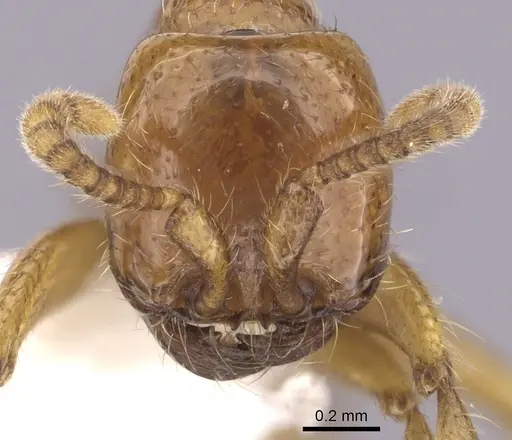
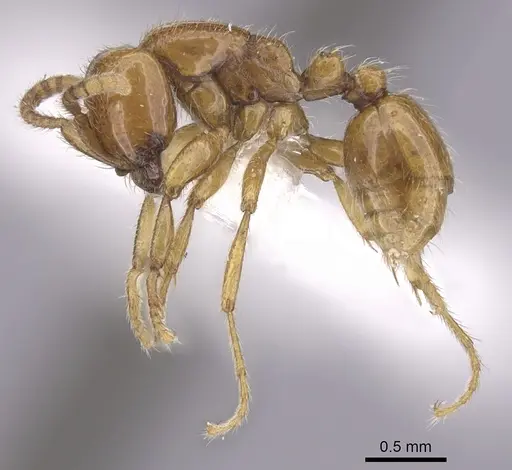
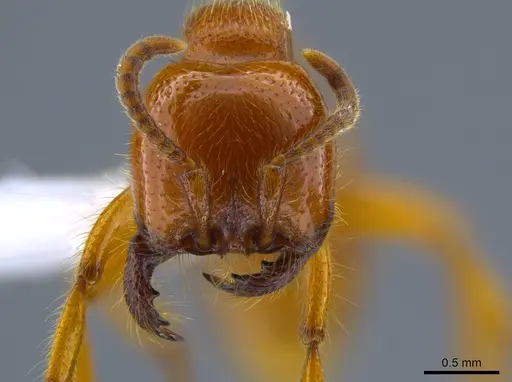
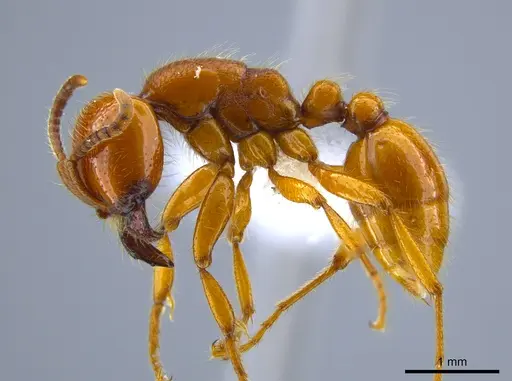
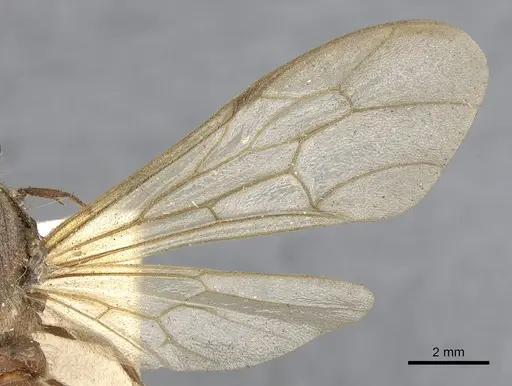
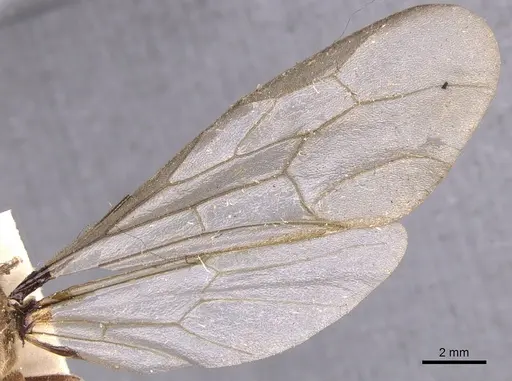
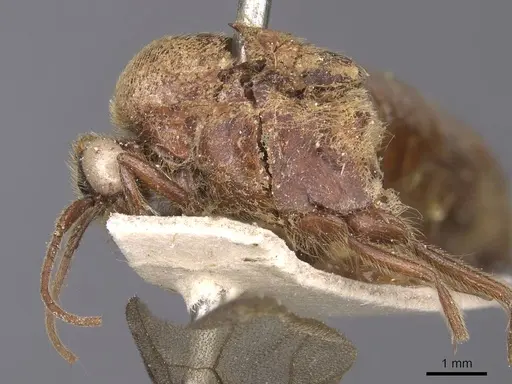
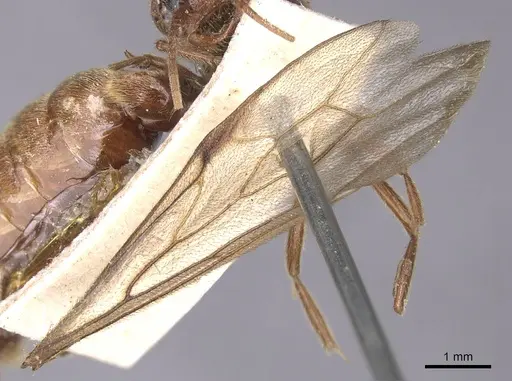
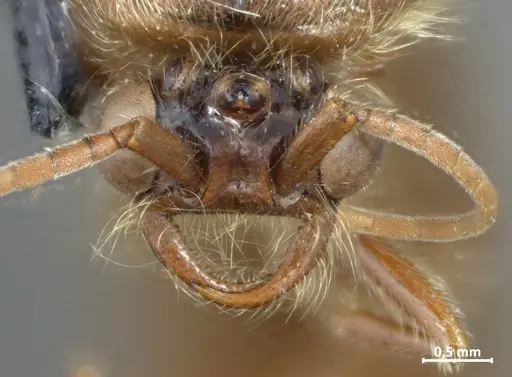
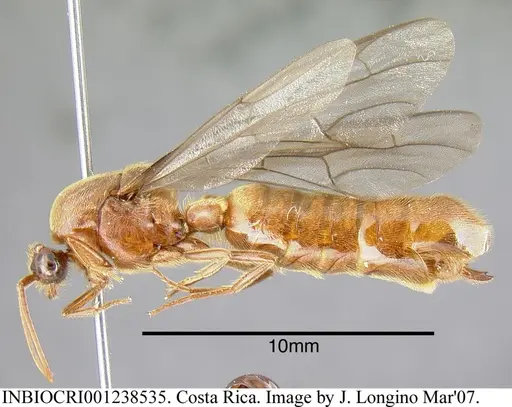
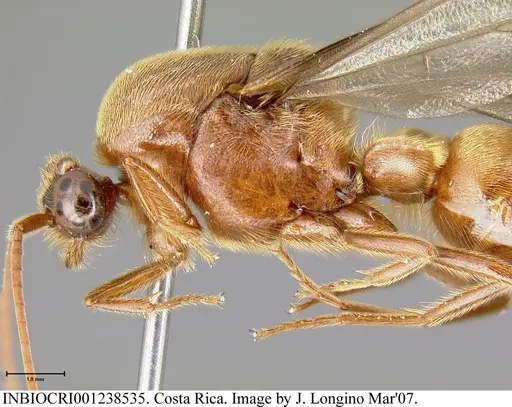
Male specimens of Neivamyrmex halidaii have been well-documented taxonomically. They are reddish-brown (testaceous) with a black head, except for the clypeus, mandibles, and antennae which share the body color [2]. The antennae are inserted nearer the middle of the face than usual, with carinae ending abruptly near the anterior ocellus. The mandibles are small, and the thorax is very gibbous in front and at the scutellum. The first segment of the abdomen is transverse-quadrate with a small convex elevation in the center of its upper surface [2]. Males are covered in fine pubescent hairs, especially around the coxae and abdomen base. They are attracted to artificial lights, most specimens have been collected in light traps or Malaise traps, or even inside houses at night [2]. The species has a complicated taxonomic history, it has been described under many names including Neivamyrmex halidaii, Neivamyrmex gravenhorstii, Neivamyrmex colombi, Neivamyrmex halidaii lemoulti, and others, all later synonymized under Neivamyrmex halidaii [1]. In Costa Rica, males appear during the dry season from February to May [2].
Scientific Significance
Despite being unsuitable for antkeeping, Neivamyrmex halidaii is scientifically interesting. It is a 'male-based species', one where only males have been formally described while female castes remain unknown [4]. Recent genetic studies suggest that in Central America, DNA barcodes from males identified as Neivamyrmex halidaii match workers that key to Neivamyrmex punctaticeps, indicating these might be the same species or closely related [4]. If true, that would mean the workers are already known under a different name. The species also appears in phylogenies close to other Neivamyrmex species like N. bruchi [4]. This demonstrates how much we still don't know about army ant diversity. For antkeepers interested in scientific discovery, this species represents a mystery: if someone could definitively link the males to known workers, it would be a valuable contribution to myrmecology.
Similar Species That Can Be Kept
If you're interested in keeping army ants, several Neivamyrmex species have documented worker castes and can be maintained in captivity. These New World army ants are known for their nomadic lifestyle, raiding columns, and distinctive behavior. Unlike Neivamyrmex halidaii, these species have observable workers that raid for prey and establish bivouacs. Look for Neivamyrmex species where workers have been described. But keep in mind that army ants are challenging to keep, they need a constant supply of prey, frequent colony migrations, and a setup that can handle large populations. Research specific species with known worker castes and their care requirements before attempting to keep any Neivamyrmex.
Frequently Asked Questions
Can I keep Neivamyrmex halidaii ants?
No. This species cannot be kept because only males have ever been documented. There are no known queens or workers, making colony establishment impossible. This is one of the few ant species where the complete social structure remains unknown to science [1].
Why are only males known for this species?
Scientists don't know. Males have been collected at lights throughout the species' range (Mexico to Argentina), but no one has ever documented queens or workers associated with this species [1][3]. This is unusual but not unprecedented in army ants, where some male-only species exist. It may be that the queen and worker castes look very different from what we expect, or they may be rarely encountered.
What do Neivamyrmex halidaii males look like?
Males are reddish-brown (testaceous) with a black head, except for the clypeus, mandibles, and antennae which share the body color. They are covered in fine hairs, have relatively short slender legs, and a distinctive thorax that is gibbous in front. The first segment of the abdomen is transverse-quadrate with a small convex bump [2].
Where does Neivamyrmex halidaii live?
The species ranges from Mexico (Veracruz, Oaxaca, Chiapas) south through Central America to Bolivia and northern Argentina [1]. Males have been collected in various habitats including cloud forests, dry forests, and savanna areas with gallery forests [3].
When are males found?
In Costa Rica, males have been collected primarily during the dry season, from February to May [2]. They are attracted to artificial lights, which is how most specimens have been obtained.
Are there similar army ants that can be kept?
Yes. Other Neivamyrmex species with documented worker castes can potentially be kept. However, army ants in general are challenging to maintain due to their nomadic lifestyle, need for constant prey, and colony migration behavior. Research specific species with known worker castes before attempting to keep any Neivamyrmex.
What is the scientific name history of this species?
This species has had a complicated taxonomic history, having been described under many different names including Neivamyrmex halidaii (the original description), Neivamyrmex gravenhorstii, Neivamyrmex amplipennis, Neivamyrmex colombi, Neivamyrmex halidaii lemoulti, Neivamyrmex frontalis, and Neivamyrmex enzmanni. All of these were synonymized with Neivamyrmex halidaii by Borgmeier (1955) and confirmed by later researchers [1].
Is this species endangered?
The conservation status has not been assessed. However, the species has a wide distribution from Mexico to Argentina and has been collected in multiple countries [1][3]. The main concern is that since we only know males, we have no information about population sizes or habitat requirements for the complete colony.
Report an Issue
The current care sheet is based fully on literature. See inconsistencies, or something that's incorrect? Please , it will be resolved after review from an admin. Contributing to the blogs tab also helps providing information, to make us be able to further improve the caresheets. Thank you for your support!
References

This caresheet is licensed under CC BY-SA 4.0 .
Community Blogs
CASENT0249472
View on AntWeb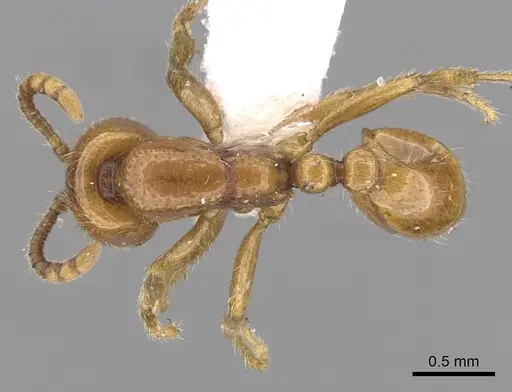
CASENT0650536
View on AntWeb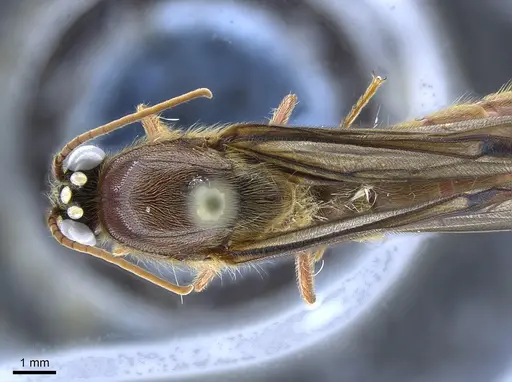
CASENT0651451
View on AntWeb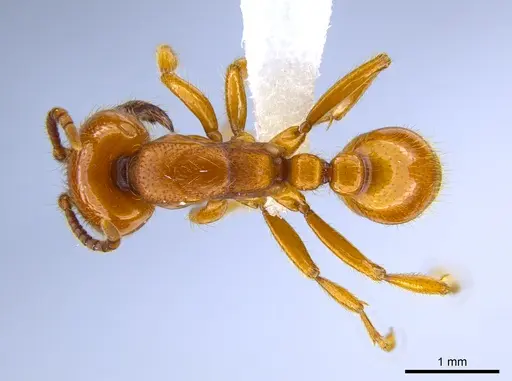
CASENT0901961
View on AntWeb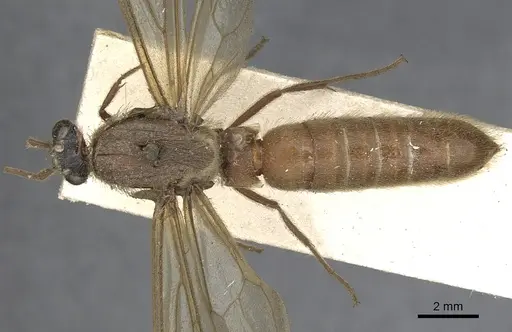
CASENT0902650
View on AntWeb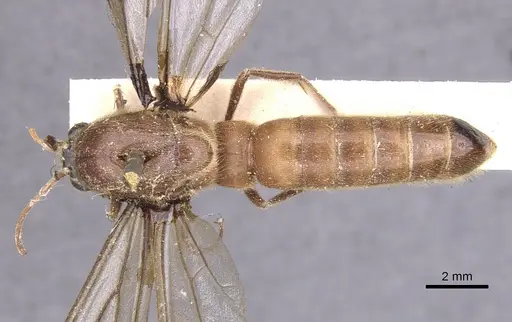
CASENT0911398
View on AntWeb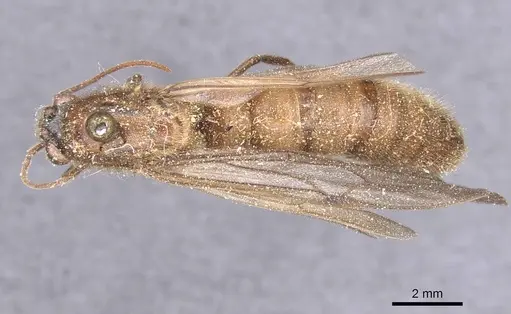
CASENT0915349
View on AntWeb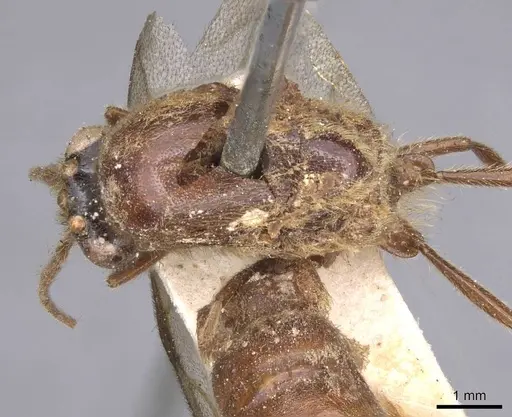
DZUP549836
View on AntWeb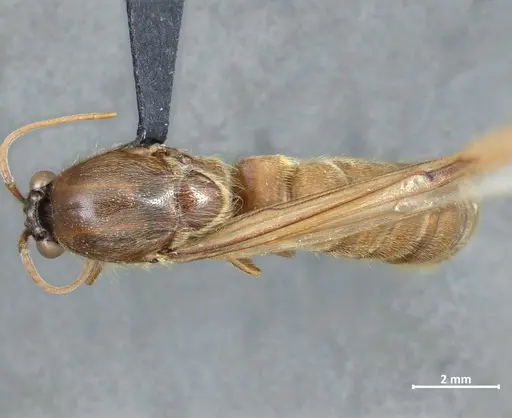
INB0003692968
View on AntWeb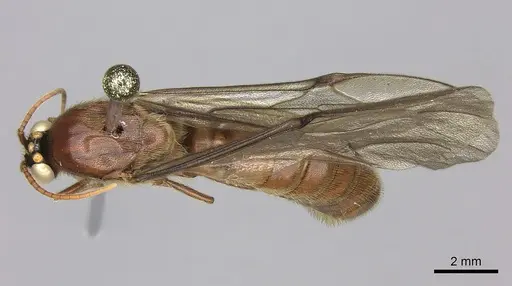
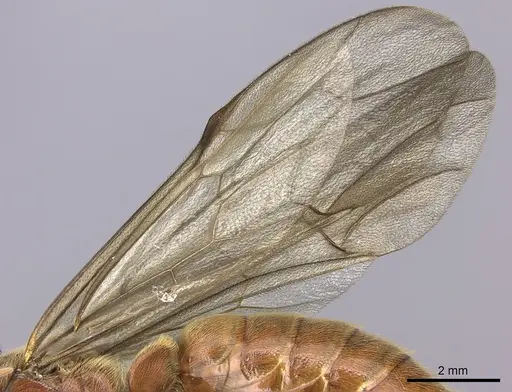
INBIOCRI001238535
View on AntWeb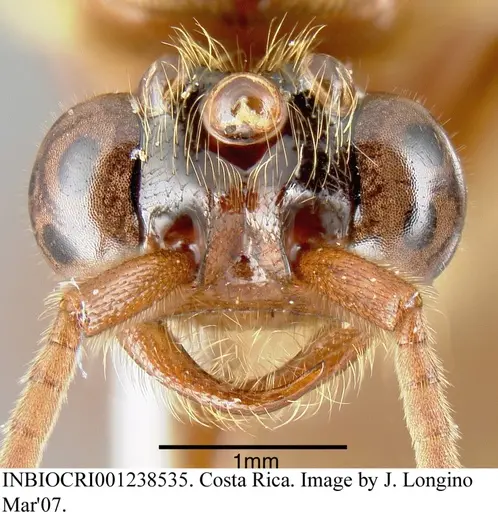
JTLC000006077
View on AntWeb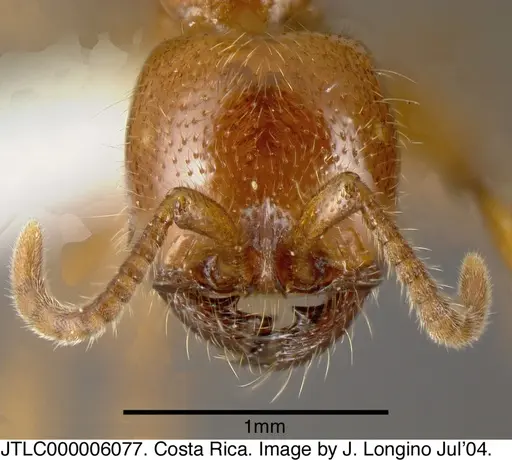
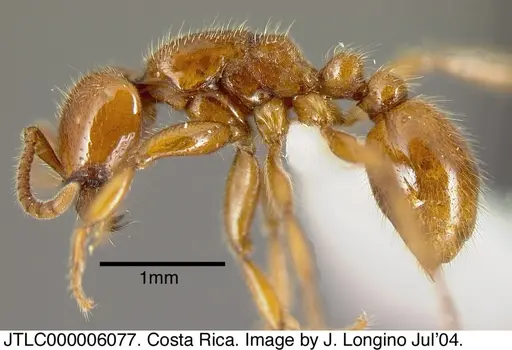
Literature
Loading distribution map...Loading products...