
Neivamyrmex guerinii
- Sci. Name
- Neivamyrmex guerinii
- Subfamily
- Dorylinae
- Author
- Shuckard, 1840
- Distribution
- Found in 2 countries
Introduction
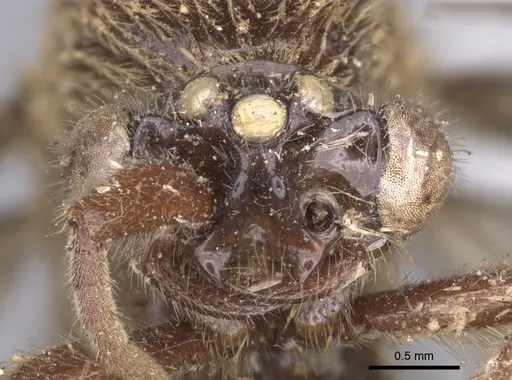
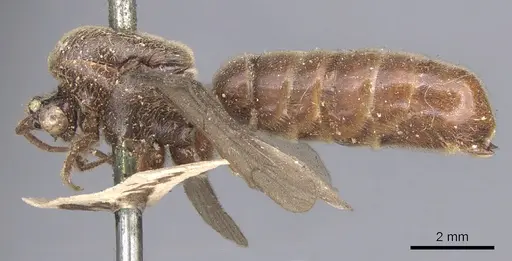
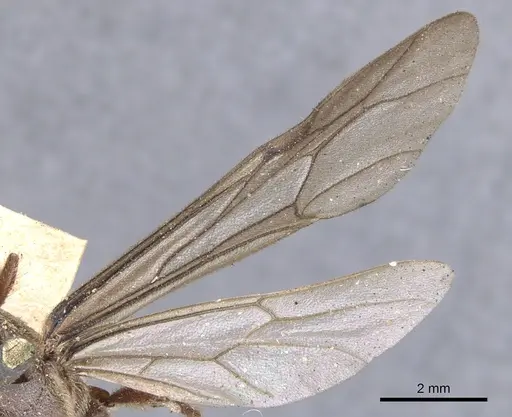
Neivamyrmex guerinii is a Neotropical army ant species found across northern South America into southern Mexico, including Brazil, Colombia, Guyana, Suriname, and Venezuela . This species is unusual in that it is primarily known from male specimens - females are likely ergatoid (wingless), which is common in Neivamyrmex and makes them extremely difficult to locate and document . Workers have the characteristic army ant body shape: large mandibles for capturing prey and a flexible abdomen. The genus Neivamyrmex contains the army ants of the Americas, known for their coordinated swarm raids and temporary nest bivouacs. Colony structure and exact colony size remain poorly documented for this specific species.
Quick Summary
- Difficulty: Expert
- Origin & Habitat: Found across the Neotropical region from Mexico through Brazil. In Mexico, recorded in Campeche, Chiapas, Quintana Roo, Veracruz, and Yucatán [2]. Habitat ranges from cloud forest to savanna zones with dispersed dry forest and gallery forest areas [3].
- Colony Type: Likely ergatoid queen system (wingless queens) based on the species being primarily known from males. This is common in Neivamyrmex where females are often wingless and difficult to locate [3]. Colony structure is unconfirmed.
- Size & Growth:
- Queen: Size data unavailable, ergatoid queens expected but not documented in available literature
- Worker: Size data unavailable, inferred from Neivamyrmex genus as medium-sized army ants
- Colony: Colony size unconfirmed for this specific species
- Growth: Unknown
- Development: Unconfirmed, development timeline unstudied for this species (Army ants typically develop rapidly to support their nomadic lifestyle.)
- Antkeeping:
- Temperature: Keep at warm temperatures (24-28°C) based on Neotropical distribution. Provide a temperature gradient allowing workers to self-regulate.
- Humidity: High humidity preferred, army ants typically inhabit humid tropical forests. Keep nest substrate consistently moist but not waterlogged.
- Diapause: No true diapause expected, these are tropical ants that remain active year-round [3].
- Nesting: Army ants do not build permanent nests. In captivity, use a naturalistic setup with multiple chambers connected by tubing, allowing the colony to form a bivouac. Provide damp substrate for the nest chamber.
- Behavior: Army ants are famous for their coordinated swarm raids where thousands of workers move together to overwhelm prey colonies. They are aggressive predators that raid other ant species' nests, capturing brood to feed their own larvae. Workers have painful bites but no sting. They are highly active and constantly on the move in the wild, forming bivouac nests that may relocate every few days. Escape prevention is critical, they are persistent foragers that will find any gap. They are primarily nocturnal or crepuscular raiders. This species is considered expert-level due to limited documented care information and the specialized nomadic lifestyle.
- Common Issues: limited species-specific care information makes successful keeping more challenging, nomadic lifestyle requires frequent territory changes, captive colonies may become stressed without space to relocate, require constant prey source, they are obligate predators that cannot survive on sugar alone, escape prevention is critical, army ants are persistent and will exploit any gap in barriers, colony may decline if unable to conduct normal raids, they need hunting space
Understanding Army Ant Biology
Neivamyrmex guerinii belongs to the Dorylinae subfamily, the army ants of the New World. Unlike most ants that build permanent nests and forage individually, army ants have evolved a nomadic lifestyle. They form temporary bivouac nests, clusters of thousands of ants held together by their own bodies, and relocate every few days following raiding patterns. This species is unusual in that it is primarily known from male specimens [3]. In many Neivamyrmex species, the queens are ergatoid (born without wings), making them extremely difficult to locate and document. This explains why most collected specimens are males, which are more commonly caught at light sources during nuptial flights. The colony structure and exact reproductive biology of this specific species remain poorly documented in scientific literature, making this an expert-level species to keep.
Housing and Nest Setup
Army ants require a setup that accommodates their nomadic nature. A naturalistic setup works best, use a large outworld connected to multiple formicarium sections via tubing, allowing the colony to choose where to form their bivouac. The nest chamber should have damp substrate (like soil or sand-clay mix) that workers can cluster around to maintain humidity. Unlike most ants, army ants do not need a permanent nest, they will form temporary clusters. Provide multiple connected chambers of varying sizes. Escape prevention is critical: army ants are relentless foragers and will find any gap. Use fluon on all rim edges, ensure lids fit tightly, and check connections between tubes and enclosures regularly. A foraging arena should be large enough to accommodate raiding behavior.
Feeding and Diet
Neivamyrmex guerinii is an obligate predator. They do not collect honeydew or eat seeds, their diet consists entirely of protein from other insects and, most importantly, the brood of other ant colonies. In captivity, you must provide a constant source of live prey. The ideal diet includes: other ant colonies' brood (the most natural food), small insects like fruit flies, crickets, and mealworms. They will readily accept most small arthropods. Feed generously, army ant colonies consume massive numbers of prey items compared to typical ants. A colony of several hundred workers may consume hundreds of prey items per week. Remove uneaten prey after 24-48 hours to prevent mold. Do not offer sugar water or honey, army ants are strict predators.
Temperature and Humidity
As a Neotropical species, Neivamyrmex guerinii requires warm, humid conditions. Keep the colony at 24-28°C, this is ideal for army ant activity and brood development. A slight temperature gradient is beneficial so workers can self-regulate. Use a heating cable on one side of the nest if room temperature is below 24°C. Humidity should be high. Keep the nest substrate consistently moist but not waterlogged. Army ants naturally inhabit humid tropical environments, and desiccation is a major risk. Mist the nest area regularly and monitor substrate moisture. Good ventilation is necessary to prevent mold while maintaining humidity.
Colony Dynamics and Growth
Army ant colonies can grow large. The colony cycles between nomadic and stationary phases. During nomadic phases, they raid frequently and may relocate their bivouac daily. During stationary phases, the queen lays eggs and the colony remains in one location while brood develops. This cycle is driven by brood development, when new workers emerge, the colony becomes nomadic again. In captivity, this cycling may be disrupted, which can stress colonies. Growth rate depends on consistent feeding and proper conditions. A healthy colony should grow steadily if fed adequately. The queen (if ergatoid) will be larger than workers and may be difficult to spot within the bivouac.
Frequently Asked Questions
Is Neivamyrmex guerinii good for beginners?
No. This species is not recommended for beginners. Limited species-specific care information exists, and army ants have specialized requirements (nomadic lifestyle, constant prey needs, high humidity) that make them challenging even for experienced antkeepers. They are an expert-level species.
How long does it take for first workers to emerge?
The egg-to-worker timeline is unconfirmed for this species. Based on typical army ant development, expect several weeks at optimal temperature (24-28°C). Army ants generally develop faster than most ant species due to their nomadic lifestyle.
Can I keep multiple queens together?
This is unconfirmed for this species. Most Neivamyrmex species appear to have single-queen colonies. Given the limited information available, keeping multiple unrelated queens together is not recommended.
What do I feed my Neivamyrmex guerinii colony?
They are strict predators, feed live prey items. The most natural food is brood from other ant colonies. You can also feed small insects like fruit flies, crickets, mealworms, and other arthropods. Remove uneaten prey after 24-48 hours. Do not offer sugar water or honey.
Do they need hibernation?
No. As Neotropical ants, they do not require hibernation. Keep them at warm temperatures (24-28°C) year-round. Their activity may slow slightly during cooler periods, but they do not enter diapause.
How big do colonies get?
Colony size is unconfirmed for this specific species. Neivamyrmex colonies in general can reach several thousand workers. Expect growth during active phases with adequate feeding.
When should I move them to a formicarium?
Start them in a test tube setup for founding colonies. Once the colony reaches several hundred workers and shows signs of wanting to form a bivouac (clustering in one area, restlessness), transfer to a naturalistic setup with multiple connected chambers. They need space to exhibit natural nomadic behavior.
Why is my colony declining?
Common causes include: insufficient prey (they need constant protein), low humidity causing desiccation, temperatures below optimal range, stress from lack of space to form bivouacs, or mold from poor ventilation. Army ant colonies are sensitive to captive conditions and may decline if unable to conduct normal raiding behavior.
Report an Issue
The current care sheet is based fully on literature. See inconsistencies, or something that's incorrect? Please , it will be resolved after review from an admin. Contributing to the blogs tab also helps providing information, to make us be able to further improve the caresheets. Thank you for your support!
References

This caresheet is licensed under CC BY-SA 4.0 .
Community Blogs
CASENT0902649
View on AntWeb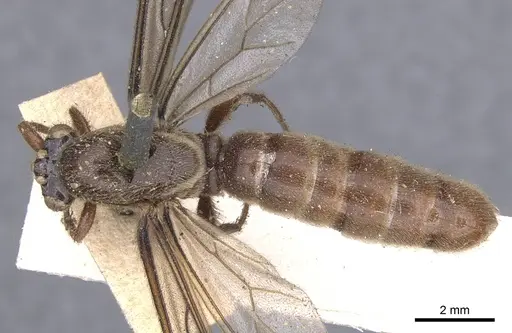
Literature
Loading distribution map...Loading products...