
Neivamyrmex gibbatus
- Sci. Name
- Neivamyrmex gibbatus
- Subfamily
- Dorylinae
- Author
- Borgmeier, 1953
- Distribution
- Found in 7 countries
Introduction
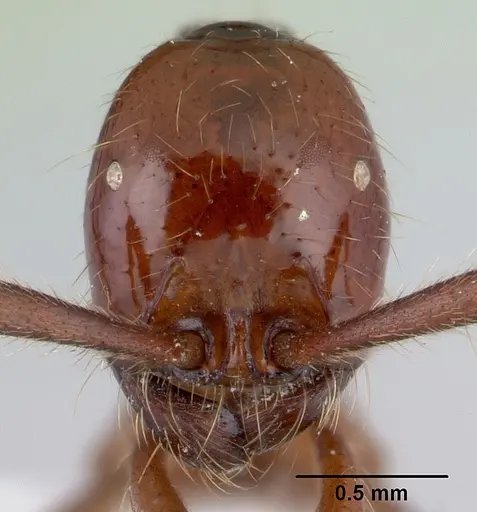
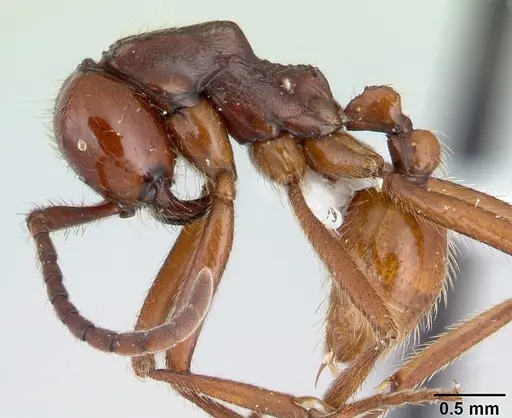
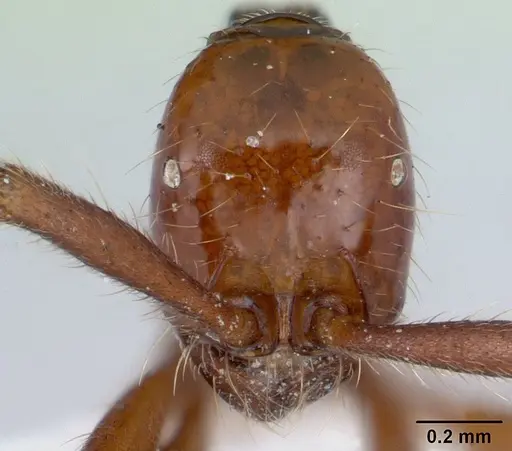
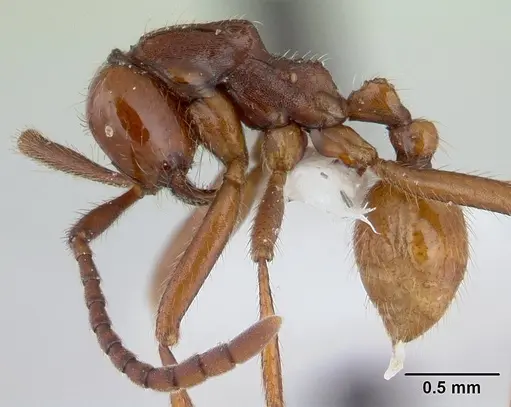
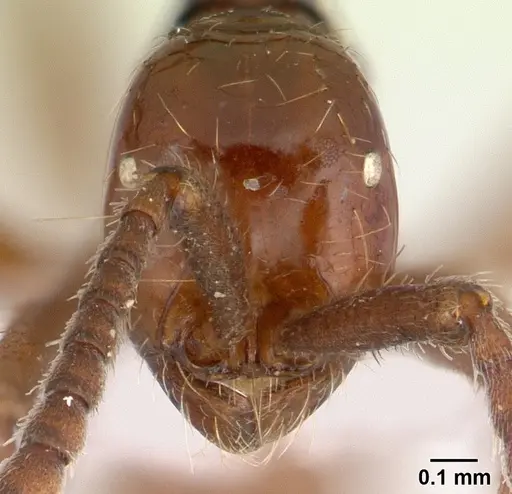
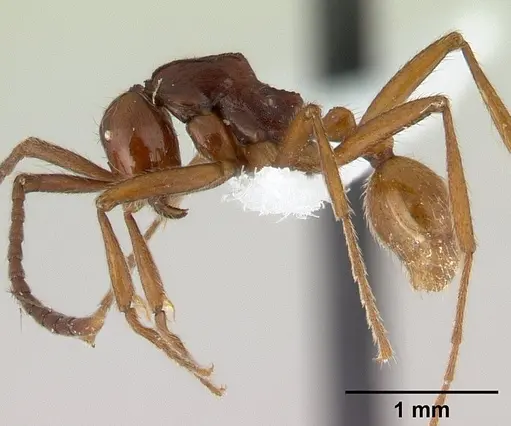
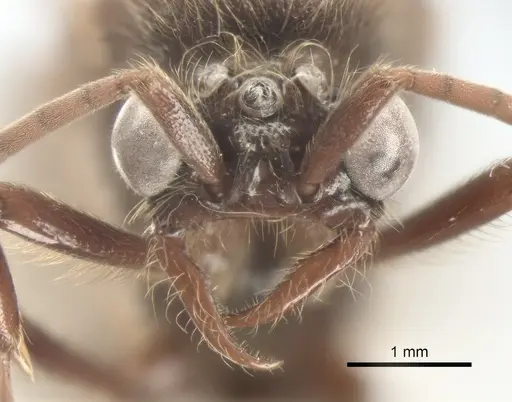
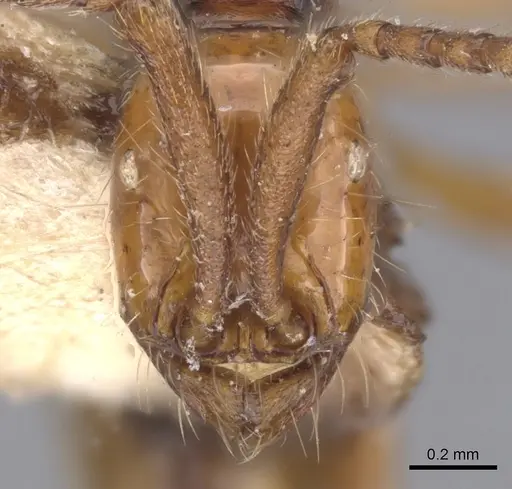
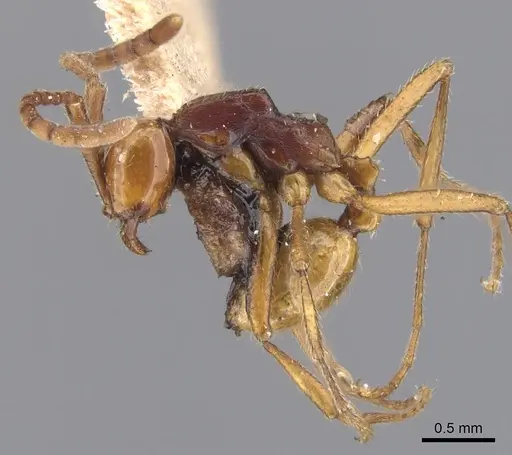
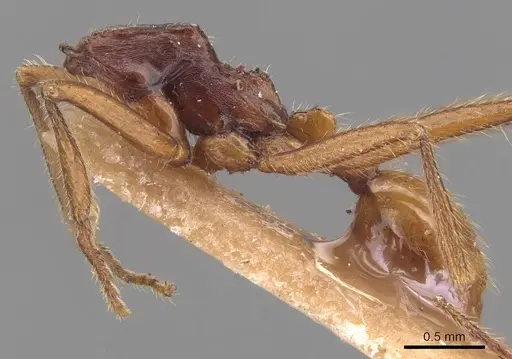
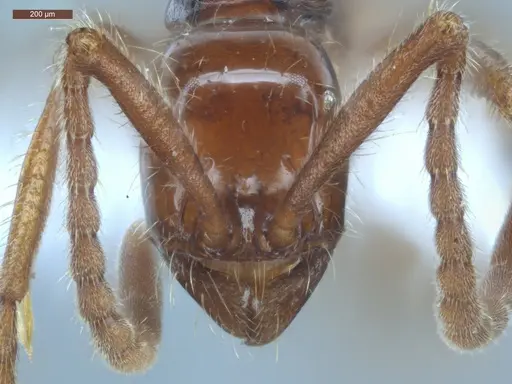
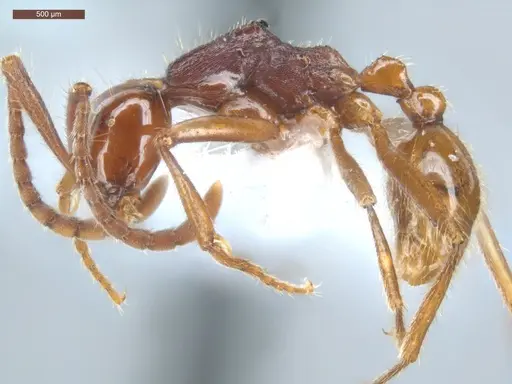
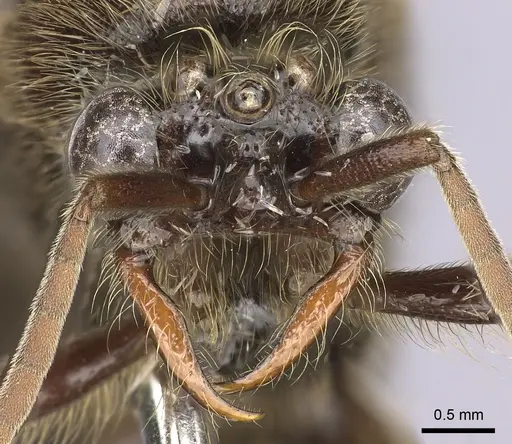
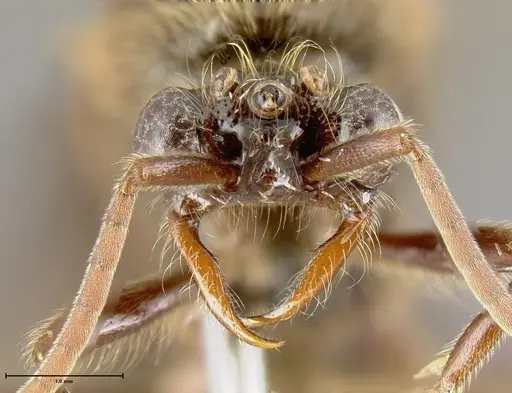
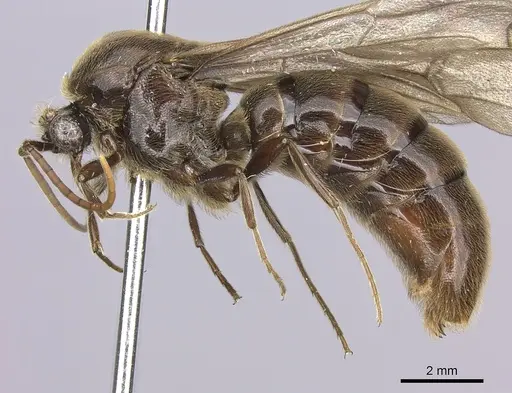
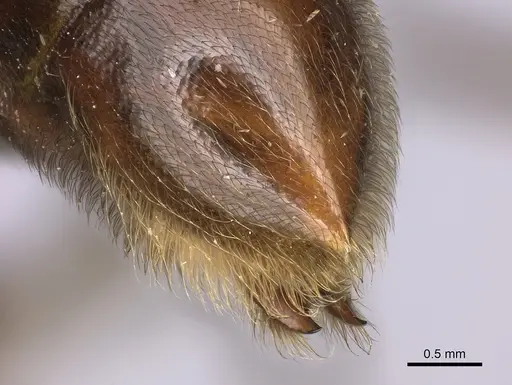
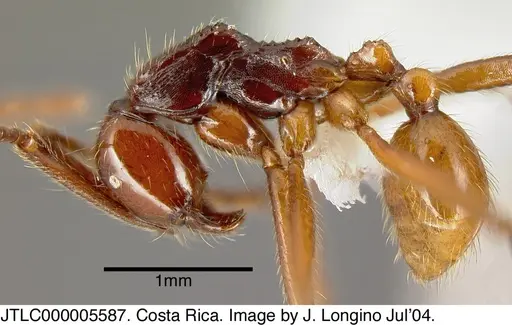
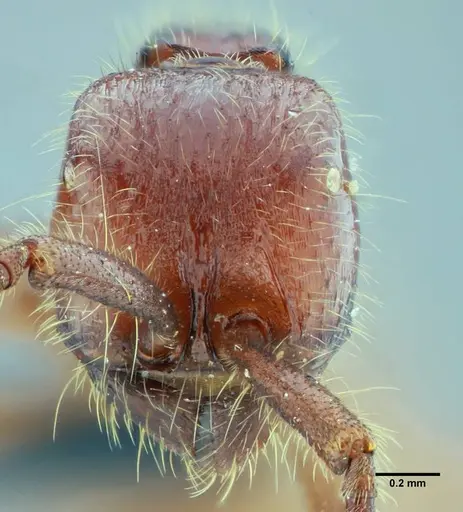
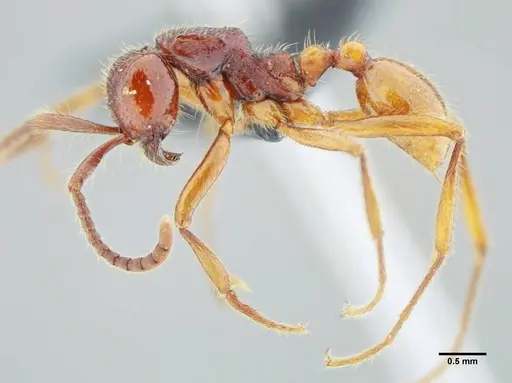
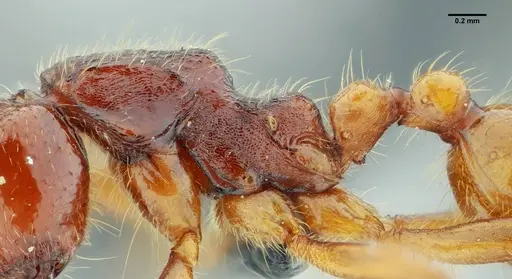
Neivamyrmex gibbatus is a Neotropical army ant found across Central and South America, from Costa Rica through the Amazon basin to Brazil. Workers are reddish-brown with relatively large eyes and a distinctly humped mesonotum - the middle body section arches noticeably when viewed from the side. The antennal scape extends past the back of the head, helping distinguish them from similar species. This species forms large colonies that raid exclusively at night, making them a specialized nocturnal predator in wet tropical forests. They are known for spectacular nocturnal raiding columns that can stretch several meters wide, sweeping across the forest floor in synchronized waves as they hunt down colonies of small ants like Tapinoma, Pheidole, and Strumigenys.
Quick Summary
- Difficulty: Expert
- Origin & Habitat: Wet tropical forests of Central and South America, Costa Rica, Panama, Colombia, Ecuador, French Guiana, Guyana, Suriname, Venezuela, and Brazil. Found from sea level to 1100m elevation in both terra-firme and várzea forest types [1][2][3].
- Colony Type: Colony structure is not well documented in scientific literature. As a Neivamyrmex species, they likely form large colonies typical of army ants, but the exact queen number and colony size range is unconfirmed.
- Size & Growth:
- Queen: Size data unavailable, no published measurements exist for this species
- Worker: Size data unavailable, no published total length measurements exist for this species
- Colony: Colonies likely reach thousands of workers based on observed raid columns, one column was described as very large with hundreds of workers visible at once [3][4]
- Growth: Unknown, no development studies exist for this species
- Development: Unknown, no direct measurements available for this species (Development timeline unconfirmed for this species.)
- Antkeeping:
- Temperature: Keep at 24-28°C, these are true tropical ants requiring warm, stable temperatures typical of wet lowland forests
- Humidity: High humidity required, think damp rainforest floor. Keep nest substrate consistently moist but not waterlogged. Provide a humidity gradient so ants can self-select their preferred zone
- Diapause: No, as a tropical species, they do not undergo hibernation
- Nesting: In captivity, these ants need space for large raiding columns. A naturalistic setup with deep substrate allows them to construct chambers and foraging tunnels. Y-tong or plaster nests work but must accommodate their nocturnal raiding behavior. They need access to an outworld large enough for column formation
- Behavior: Extremely aggressive predatory behavior, these are army ants that conduct coordinated night raids on ant colonies. Workers move in synchronized waves at the raid front, overwhelming prey colonies. They are strictly nocturnal, emerging after dark to raid. Escape prevention is critical, they are active and determined, and will exploit any gap. They are not defensive toward humans but their predatory nature means they should not be housed with other ant colonies. Their small size and determination make them capable escape artists.
- Common Issues: No captive breeding data exists, this species has never been documented in antkeeping, making all care requirements estimates., Colony failure is highly likely without proper prey, they are specialized ant predators requiring constant access to live ant colonies or brood., Tropical humidity requirements are difficult to maintain consistently in captive settings., Nocturnal raiding behavior means they are most active when keepers are asleep, making observation difficult., Large colony size requires significant space and resources, not suitable for small setups.
Understanding Neivamyrmex gibbatus
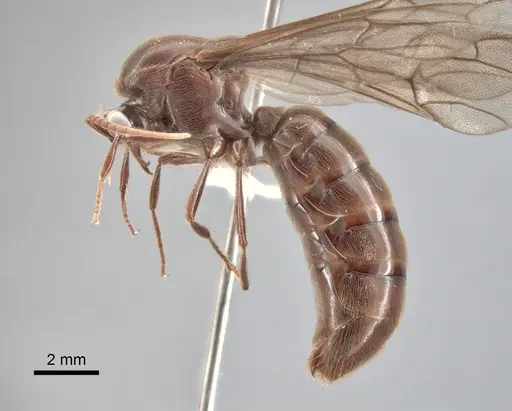
Neivamyrmex gibbatus is an army ant belonging to the subfamily Dorylinae, making them relatives of the famous Eciton (New World army ants). This species was first described by Borgmeier in 1953 from specimens collected in Costa Rica, Panama, and Guyana. Unlike many army ant species that raid during the day, N. gibbatus is strictly nocturnal, they emerge after dark to conduct their raids across the forest floor [5]. The species is identified by its distinctly humped mesonotum (the middle body section) and antennal scapes that extend past the posterior margin of the head [3]. Scientists have collected this species five times, always as nocturnal columns moving across the ground surface in wet forest habitats ranging from sea level to 1100m elevation [3]. One remarkable observation involved a column that emerged from vegetation, moved about 5 meters along a trail, crossed a log, and disappeared into vegetation on the other side, the column was described as a dense swath perhaps 5-10cm wide, moving rapidly with what appeared to be hundreds of wasps from the family Diapriidae running alongside the ants [3]. This ant remains known only from workers and queens, males have never been associated with the species [3].
Feeding and Predatory Behavior
N. gibbatus is a specialized predator that hunts other ant colonies. Field observations reveal they target small formicine ants, particularly Paratrechina and Brachymyrmex species, as well as Pheidole, Tapinoma, and Strumigenys [6][3]. In Venezuela, researchers observed Paratrechina longicornis actively evacuating their nests upon detecting the approach of N. gibbatus raiding columns, the prey ants clearly recognize the threat and attempt escape [6]. The raids themselves are spectacular: columns about 6 ants wide terminate in a densely populated attack front approximately 2 meters wide. Workers move in synchronized waves within the raid front, sweeping across the forest floor in coordinated attacks [4]. This is not a species that accepts sugar water or standard ant feeds, they are obligate predators requiring live ant colonies or ant brood. In captivity, you would need to maintain cultures of feeder ant species (like Paratrechina or Brachymyrmex) to sustain a colony.
Nocturnal Activity and Colony Structure
This species shows significantly more foraging activity during nighttime hours, distinguishing it from some related army ants that raid during the day [5]. The colonies are large, one observed column was described as very large with workers continuously flowing in a dense swath [3]. Unlike some army ants that have fixed bivouacs, N. gibbatus appears to be more nomadic, with colonies moving through the forest as they deplete hunting grounds. The colony structure (queen number, exact worker count) has not been documented in scientific literature, but based on related species, colonies likely contain thousands of workers with one or more reproductive queens. The species has been recorded in 23% of plots in some Amazon forest studies, though this dropped to 3% in later surveys, suggesting population fluctuations or patchy distribution [7]. For antkeepers, this means accepting significant uncertainty about optimal care, no established captive protocols exist for this species, and all recommendations are inferences from related army ant behavior.
Housing and Care Challenges
Keeping N. gibbatus in captivity presents extreme challenges. First, there is no documented success in maintaining this species long-term in captive settings, no antkeeping resources, caresheets, or breeding records exist. Second, their dietary specialization on other ants means you would need to culture live ant colonies as permanent food sources. Third, their nocturnal, raiding lifestyle requires large enclosures with significant floor space for column formation. A naturalistic setup with deep, moist substrate would best approximate their natural environment. Temperature must be maintained at tropical levels (24-28°C) with high humidity. The nocturnal nature also means you will rarely observe their most interesting behaviors, by the time you are awake to check on them, they may have completed their raid and settled for the day. Escape prevention is critical given their determination and small size. This species is absolutely not recommended for beginners or even intermediate antkeepers, it represents a significant commitment to attempt keeping with no guarantee of success.
Distribution and Habitat
N. gibbatus occupies a broad range across the Neotropics, found in Brazil, Colombia, Costa Rica, Ecuador, French Guiana, Guyana, Panama, Suriname, and Venezuela [3]. They inhabit wet forest environments, both terra-firme (upland forest) and várzea (seasonally flooded forest) in the Amazon region [1]. Collections have occurred from sea level up to 1100m elevation in Venezuela, with most Costa Rican collections between sea level and 500m [3]. They are ground-dwelling ants, with all observations involving columns on the forest floor rather than arboreal foraging [3]. The species shows low frequency in ant surveys (0.94% of samples in Amazon studies), suggesting they are not common but can be locally abundant when found [2]. Their distribution pattern suggests they prefer lowland wet forests rather than drier or higher elevation habitats.
Frequently Asked Questions
Can I keep Neivamyrmex gibbatus as a pet ant?
This species is not recommended for antkeeping. There is no documented success in keeping N. gibbatus in captivity, and all care information is speculative. They require live ant colonies as food, large enclosures for raiding behavior, and tropical conditions that are difficult to maintain. This is an expert-only species with no established captive protocols.
What do Neivamyrmex gibbatus eat?
They are specialized ant predators. In the wild, they hunt colonies of small ants including Paratrechina, Brachymyrmex, Pheidole, Tapinoma, and Strumigenys [6][3]. They do not accept sugar water or standard ant feeds, in captivity they would require constant access to live ant colonies or ant brood, making them extremely difficult to maintain.
How big do Neivamyrmex gibbatus colonies get?
Colony size is not well documented, but based on related army ants and field observations of large raid columns, colonies likely reach thousands of workers. One observed column was described as very large with hundreds of workers visible at once [3][4].
Are Neivamyrmex gibbatus good for beginners?
No. This species is not suitable for beginners. There is no captive breeding data, they require specialized live-ant diets, need large enclosures, and require tropical humidity and temperature that are difficult to maintain consistently. Even experienced antkeepers would struggle with this species.
Do Neivamyrmex gibbatus need hibernation?
No. As a tropical species from wet Neotropical forests, they do not require hibernation. In captivity, maintain stable tropical temperatures year-round.
When do Neivamyrmex gibbatus conduct nuptial flights?
The timing of nuptial flights is unconfirmed. Most Neotropical army ants conduct mating flights during specific seasons, but no research specifically documents this for N. gibbatus. The species is only known from workers and queens, males have never been associated [3].
Can I keep multiple Neivamyrmex gibbatus queens together?
Colony structure (monogyne vs polygyne) is unconfirmed for this species. Combining unrelated queens is not recommended given the complete lack of captive data. In related army ants, colony founding may involve multiple queens but typically results in single-queen colonies.
How long does it take for Neivamyrmex gibbatus to develop from egg to worker?
The development timeline is unconfirmed, no direct measurements exist for this species.
What temperature and humidity do Neivamyrmex gibbatus need?
Keep temperatures at 24-28°C with humidity at 70-80%. These are true tropical ants from wet lowland forests. A temperature gradient allows ants to self-regulate. High humidity is essential, their natural habitat is the damp forest floor of wet tropical forests.
Are Neivamyrmex gibbatus aggressive?
They are extremely aggressive toward prey ant colonies but not particularly defensive toward humans. Their predatory behavior involves coordinated raids that overwhelm entire ant colonies [6][4].
Where is Neivamyrmex gibbatus found in the wild?
They range from Costa Rica through Panama, Colombia, Ecuador, French Guiana, Guyana, Suriname, Venezuela, and Brazil [3]. They live in wet tropical forests at elevations from sea level to 1100m, in both upland and seasonally flooded Amazon forest types [1][2].
Report an Issue
The current care sheet is based fully on literature. See inconsistencies, or something that's incorrect? Please , it will be resolved after review from an admin. Contributing to the blogs tab also helps providing information, to make us be able to further improve the caresheets. Thank you for your support!
References

This caresheet is licensed under CC BY-SA 4.0 .
Community Blogs
CASENT0178602
View on AntWeb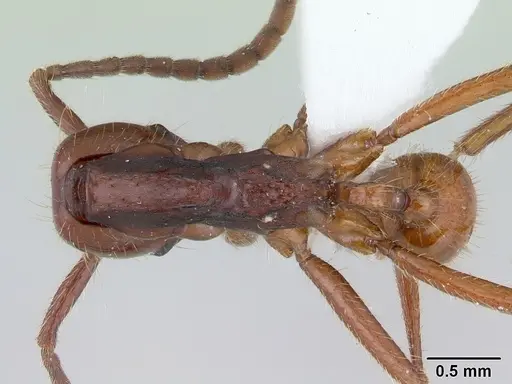
CASENT0178603
View on AntWeb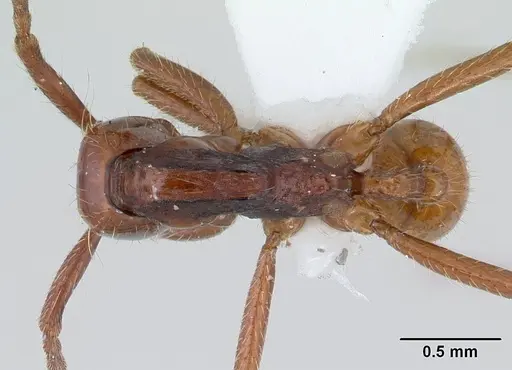
CASENT0179471
View on AntWeb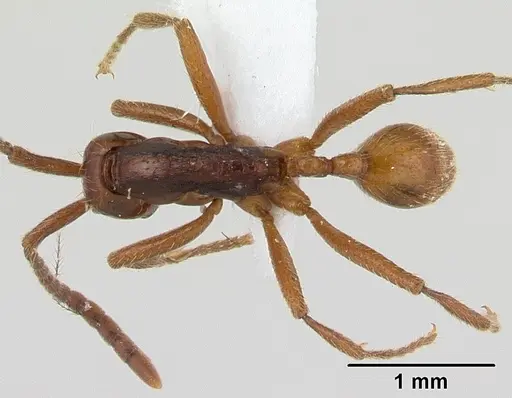
CASENT0619821
View on AntWeb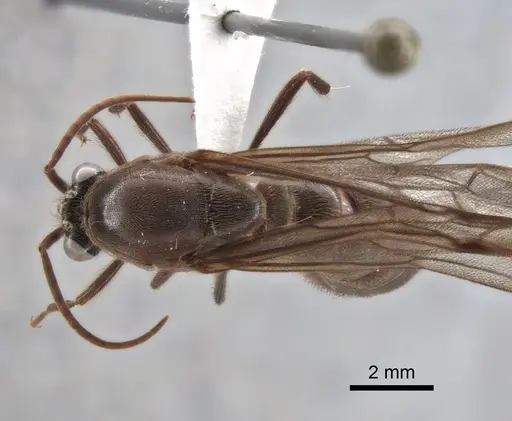
CASENT0902648
View on AntWeb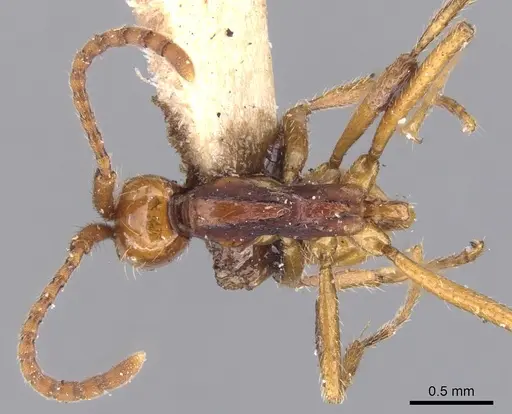
CASENT0905728
View on AntWeb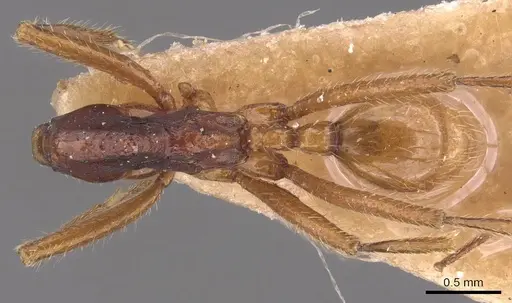
ECOFOG-MI15-0279-21
View on AntWeb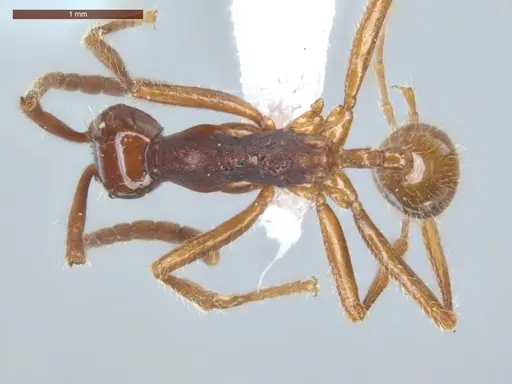
INB0003692992
View on AntWeb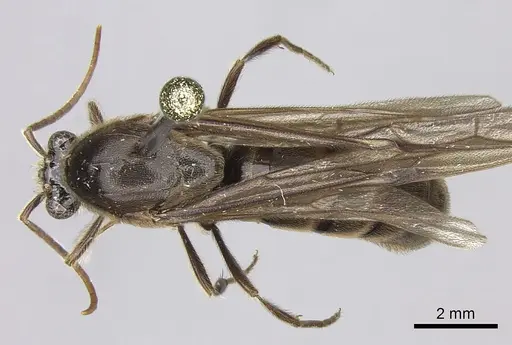
JTLC000005587
View on AntWeb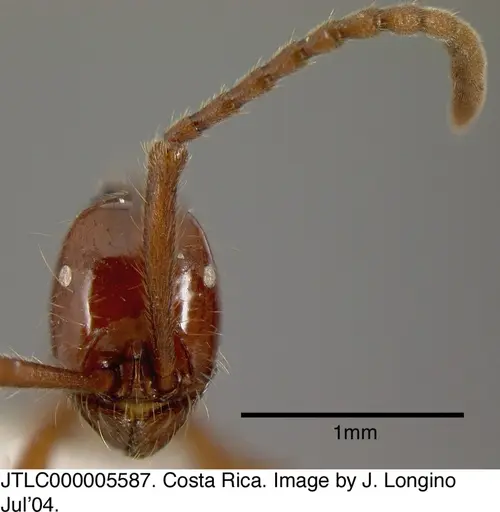
UFV-LABECOL-003530
View on AntWeb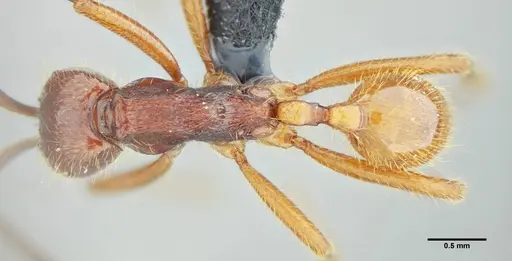
Literature
Loading distribution map...Loading products...