
Neivamyrmex emersoni
- Sci. Name
- Neivamyrmex emersoni
- Subfamily
- Dorylinae
- Author
- Wheeler, 1921
- Distribution
- Found in 2 countries
Introduction
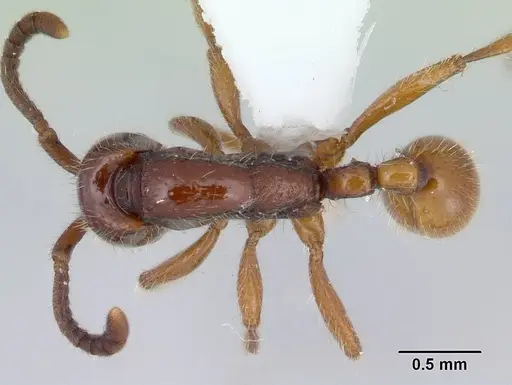
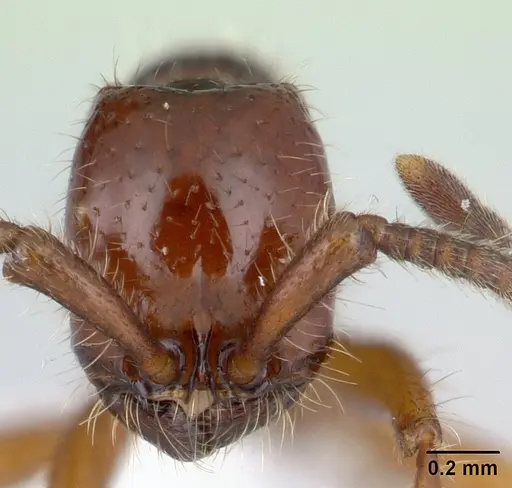
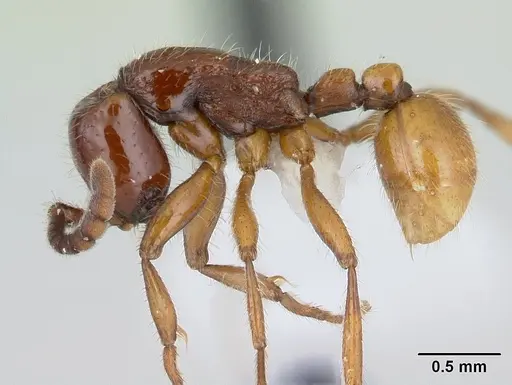
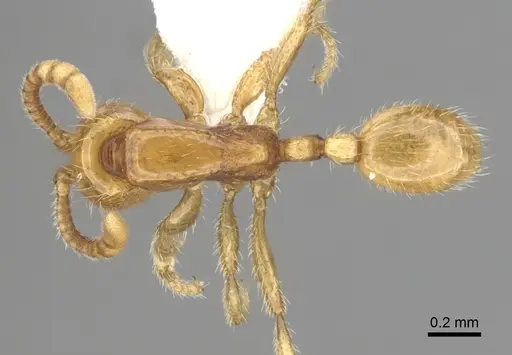
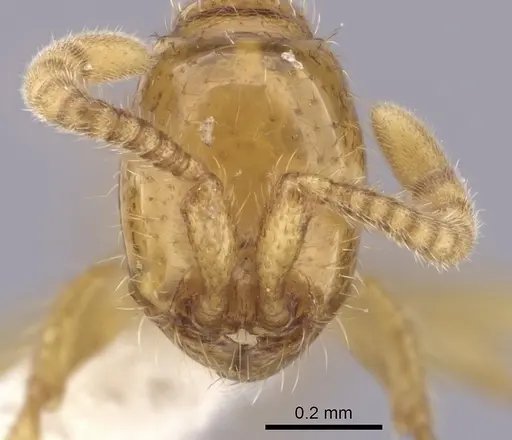
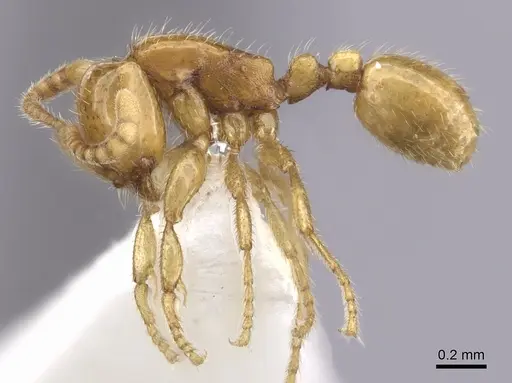
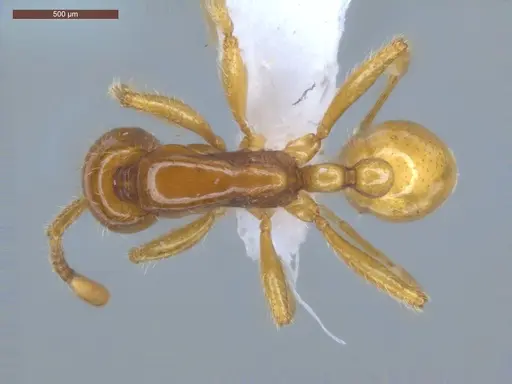
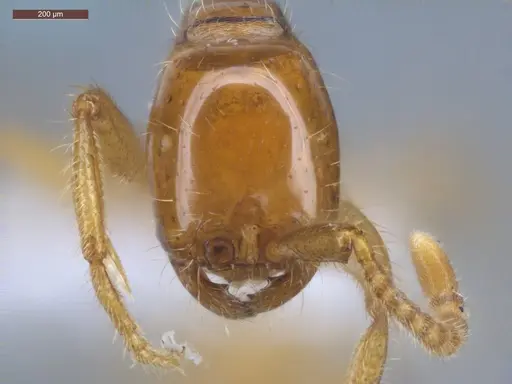
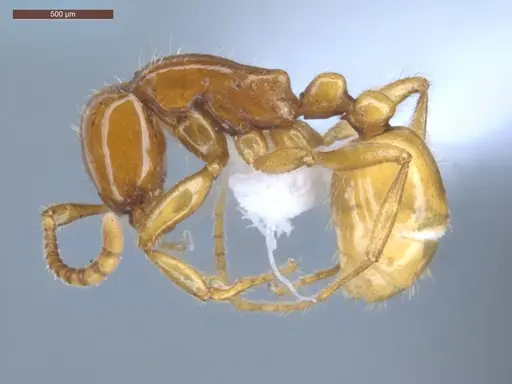
Neivamyrmex emersoni is a nocturnal army ant species found across northern South America, from Brazil and Colombia through the Guianas to Trinidad and Tobago . Workers have a distinctive propodeal dorsum that sits nearly level with the promesonotal dorsum when viewed from the side - a key identification feature for this species . As a Dorylinae species, they are aggressive predators that raid other ant colonies and arthropod nests. This species is strictly nocturnal - research shows they forage significantly more at night, with raid encounter rates roughly three times higher during nighttime surveys compared to daytime . This makes them a challenging species to observe, as their activity peaks after dark. They inhabit tropical rainforest environments where they maintain large, nomadic colonies that regularly relocate their bivouac nests.
Quick Summary
- Difficulty: Expert
- Origin & Habitat: Tropical northern South America, Brazil, Colombia, Ecuador, Guyana, Suriname, Trinidad and Tobago, Venezuela. Found in lowland rainforest habitats in the Meta department of Colombia and similar tropical wet forest environments [4][1][2].
- Colony Type: Army ant colonies are typically large and nomadic, though exact colony structure for this specific species has not been documented in literature. They reproduce through colony fission rather than nuptial flights.
- Size & Growth:
- Queen: Size data unavailable, no specific measurements exist for Neivamyrmex emersoni queens. Based on typical Neivamyrmex genus patterns, queens are likely in the 10-15mm range.
- Worker: Size data unavailable, no specific measurements exist. Workers show the typical army ant polymorphism with varying sizes.
- Colony: Likely reaches 100,000+ workers based on typical Dorylinae colony sizes, this is inferred from genus patterns.
- Growth: Fast, army ant colonies grow rapidly once established
- Development: Estimated 3-5 weeks at tropical temperatures based on related Ecitoninae patterns (Army ant brood development is temperature-dependent. Queens lay eggs in synchronised batches, creating distinct brood cycles.)
- Antkeeping:
- Temperature: Keep at 24-28°C, they are strict tropical ants requiring warm, stable conditions. A heating cable on one side of the nest creates an appropriate gradient.
- Humidity: High humidity required, aim for 70-85% relative humidity. Keep the nest substrate consistently moist but not waterlogged. Mist occasionally and maintain a water reservoir.
- Diapause: No, as a tropical species, they do not require hibernation. Keep them active year-round with stable warm conditions.
- Nesting: Army ants are nomadic and do not build permanent nests. In captivity, they require a large outworld space for raiding behavior and a damp nesting area. A naturalistic setup with multiple chambers connected to a spacious foraging area works best. They will form bivouacs in damp substrate.
- Behavior: Highly aggressive predators with raiding behavior. Workers are polymorphic (varying sizes) and will swarm to overwhelm prey colonies. They are strictly nocturnal, so most activity occurs after dark [3]. They have a potent chemical defense and will readily attack threats. Escape prevention is critical, they are excellent climbers and will exploit any gap. Their small-to-medium size means they can squeeze through surprisingly small openings.
- Common Issues: colonies can become aggressive and difficult to manage when mature, experienced keeper required, nomadic lifestyle means they constantly relocate, providing a stable nest is challenging, require constant prey availability, feeding large colonies is expensive and time-consuming, escape prevention must be excellent, they are small, fast, and persistent, stress from disturbance can cause colony abandonment of brood or queen
Understanding Army Ant Biology
Neivamyrmex emersoni belongs to the Dorylinae subfamily, commonly known as army ants. Unlike most ants that build permanent nests, army ants are nomadic, they establish temporary bivouacs (temporary nests made of living workers linked together) and relocate every few weeks. This nomadic lifestyle is driven by their predatory nature, they exhaust prey resources in an area and must move to find new hunting grounds.
Army ant colonies are massive, typically containing 100,000 or more workers. The colony is led by multiple queens in many species, and reproduction occurs through fission, when a colony grows large enough, it splits into two daughter colonies, each taking a portion of the workers and one or more queens. This is fundamentally different from the nuptial flight model used by most ant species.
The workers are polymorphic, meaning they come in different sizes. Major workers (soldiers) have larger heads and mandibles for defense and cutting prey, while minor workers handle most foraging and brood care. This division of labor allows the colony to efficiently tackle prey items much larger than individual ants. [3][1]
Housing and Enclosure Setup
Keeping army ants requires significantly more space than typical ant species. You will need a large outworld (foraging area) connected to a nesting chamber. The foraging area should be spacious enough to accommodate raiding swarms, think multiple square feet of floor space for established colonies.
Use a test tube or small container with damp cotton as a starter nest, but be prepared for the colony to expand into the outworld as they grow. Many keepers use naturalistic setups with soil substrates that allow the ants to dig their own chambers. The substrate should hold moisture well, a mix of sand and soil works.
Escape prevention is absolutely critical. Army ants are exceptional climbers and will find any gap or crack. Apply fluon (ant escape prevention liquid) to all rim edges, use tight-fitting lids, and seal any gaps larger than 0.5mm. Even tiny workers can squeeze through surprisingly small spaces. A barrier of baby powder mixed with rubbing alcohol (applied and dried) around the edges provides additional protection.
Feeding and Diet
Neivamyrmex emersoni is a strict predator. In the wild, they raid colonies of other ant species and any arthropods they encounter. In captivity, you must provide regular live prey, this is not a species that can survive on sugar water alone.
Feed them live insects such as mealworms, crickets, fruit flies, and other small arthropods. The colony will need increasing amounts of prey as it grows. A mature army ant colony may consume hundreds of prey items per week. Some keepers report success offering pre-killed prey, but live prey triggers the natural raiding response.
You can occasionally offer a sugar source (honey water or sugar water in a test tube), but this should not be their primary food. Army ants derive most nutrition from protein. Remove uneaten prey after 24-48 hours to prevent mold issues.
Temperature and Seasonal Care
As a tropical species from northern South America, Neivamyrmex emersoni requires warm conditions year-round. Keep the enclosure at 24-28°C consistently. Temperatures below 20°C can stress the colony and slow or stop brood development. Use a heating cable or heat mat on one side of the enclosure to create a temperature gradient, but ensure the nesting area does not overheat.
Do not attempt hibernation or cooling periods, this species has no diapause requirement and needs constant warmth. Room temperature may be sufficient if your home stays in the low-to-mid 20s°C range, but most keepers use supplemental heating to maintain stable temperatures.
Monitor humidity as well, army ants prefer damp conditions. Keep the nesting substrate moist but not saturated. A water tube in the nest area helps maintain humidity through evaporation. [3]
Observing Nocturnal Behavior
One of the most fascinating aspects of Neivamyrmex emersoni is their strict nocturnal activity pattern. Research confirms they forage significantly more at night, with raid encounter rates roughly three times higher during nighttime surveys compared to daytime [3]. This means you will see most activity in the evening and early morning hours.
To observe your colony, consider using a red light or dim flashlight, ants cannot see red light well, so it will not disturb their natural behavior. Set up your feeding schedule to coincide with their active periods, typically dusk through midnight.
The raiding behavior is spectacular to watch. Workers form characteristic raid columns, spreading out to search for prey. When they encounter a target colony, they overwhelm it through sheer numbers, overwhelming the defenders and carrying off brood and adults as food.
Colony Founding and Acquisition
Acquiring army ant colonies is challenging. Unlike many ant species, you cannot simply catch a queen during a nuptial flight, army ant queens do not fly out to mate. Instead, colonies reproduce through fission, and new colonies are established when a portion of workers splits off with a queen.
The most common way keepers obtain army ants is by purchasing an established colony from a specialized breeder. Wild colonies should not be collected, they are difficult to locate (being nocturnal and nomadic), and removing them can harm local populations.
If you obtain a colony, expect a period of adjustment. Army ants are sensitive to disturbance and may abandon brood or relocate if stressed. Once established, they are remarkably resilient, but the initial setup requires patience and careful management.
Frequently Asked Questions
Can I keep Neivamyrmex emersoni in a test tube?
No, test tubes are far too small for this species. Army ant colonies are massive and nomadic. You need a large naturalistic setup with substantial floor space for raiding behavior. A test tube works only as a temporary starter, but the colony will quickly outgrow it.
Are Neivamyrmex emersoni ants dangerous?
They have a potent chemical defense (formic acid) and will bite if threatened. While their small size means they cannot penetrate human skin significantly, the chemical spray can cause irritation. They are aggressive toward threats and will readily attack. They pose no serious danger to healthy humans but should be handled with respect.
How long does it take for first workers to appear?
If acquiring an established colony with workers, you already have workers. If starting from a newly mated queen (which is rare in this species), expect 3-5 weeks at tropical temperatures for the first workers to emerge. Army ant development is relatively fast compared to many ant species.
Do Neivamyrmex emersoni need hibernation?
No, they are strict tropical ants with no diapause requirement. Keep them warm year-round at 24-28°C. Hibernation would be harmful and could kill the colony.
Can I keep multiple queens together?
Army ant colonies are naturally polygyne in many species. However, combining unrelated queens is not recommended, this is not a species where keepers typically introduce additional queens to an established colony. Let the natural colony structure develop.
What do Neivamyrmex emersoni eat?
They are strict predators that require live prey. Feed them live insects such as mealworms, crickets, fruit flies, and other small arthropods. A mature colony needs hundreds of prey items per week. They may occasionally accept sugar sources but protein is essential.
Are Neivamyrmex emersoni good for beginners?
No, this is an expert-level species. They require large enclosures, constant live prey, excellent escape prevention, and warm humid conditions year-round. They are aggressive and difficult to manage. Start with easier species like Lasius or Messor before attempting army ants.
Why are my Neivamyrmex emersoni dying?
Common causes include: temperature too low (below 24°C), humidity too low (dry conditions), insufficient prey, stress from disturbance or relocation, or escape/being lost. Review all care parameters and ensure you are providing adequate live prey. Army ant colonies are sensitive to environmental stress.
When should I move them to a formicarium?
Army ants do best in naturalistic setups with soil substrates rather than commercial formicariums. Provide a large outworld with damp substrate they can dig through. Commercial formicariums are generally too small and restrictive for army ant behavior.
How fast do Neivamyrmex emersoni colonies grow?
Army ant colonies grow very fast once established. A healthy colony can reach tens of thousands of workers within a year or two. This rapid growth requires increasing amounts of prey and space, so be prepared to scale up care accordingly.
Report an Issue
The current care sheet is based fully on literature. See inconsistencies, or something that's incorrect? Please , it will be resolved after review from an admin. Contributing to the blogs tab also helps providing information, to make us be able to further improve the caresheets. Thank you for your support!
References

This caresheet is licensed under CC BY-SA 4.0 .
Community Blogs
Literature
Loading distribution map...Loading products...