
Neivamyrmex cristatus
- Sci. Name
- Neivamyrmex cristatus
- Subfamily
- Dorylinae
- Author
- André, 1889
- Distribution
- Found in 1 countries
Introduction
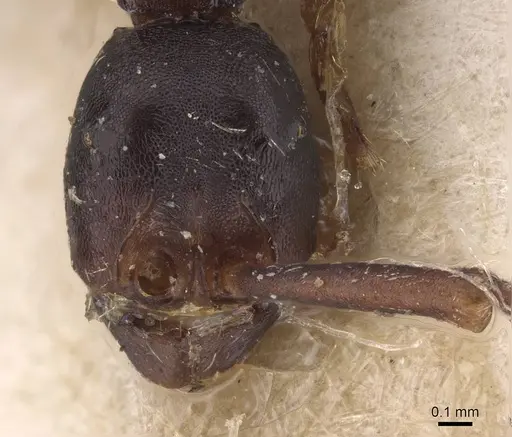
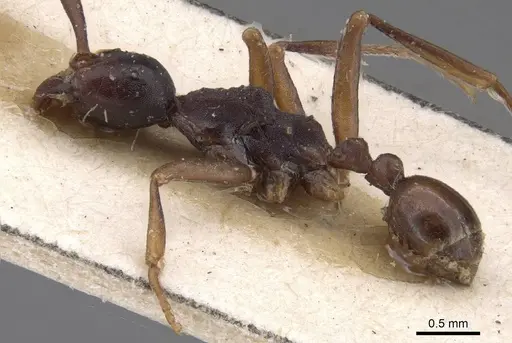
Neivamyrmex cristatus is a Neotropical army ant species found across northern South America, including Brazil, Colombia, Ecuador, and Peru . Workers have a dark brown to black head and mesosoma, with small eyes (smaller than the diameter of the antennal condyles) and a uniform, continuous dorsal surface on the petiolar node . Like all army ants in the genus Neivamyrmex, this species is predatory and forms large colonies that conduct coordinated raids on other ant colonies and small invertebrates. Army ants are famous for their nomadic lifestyle - they don't build permanent nests but instead form temporary bivouacs and move their entire colony regularly to follow prey populations.
Quick Summary
- Difficulty: Expert
- Origin & Habitat: Neotropical region of South America, found in Brazil (Pará, Rondônia), Colombia (Meta, Putumayo departments), Ecuador, and Peru [1][2][3]. They inhabit tropical rainforest environments where humidity is high and temperatures remain warm year-round.
- Colony Type: Army ant colonies are typically large with multiple queens. However, the exact colony structure for N. cristatus specifically has not been documented in available research.
- Size & Growth:
- Queen: Size data unavailable, Neivamyrmex queens are generally larger than workers based on genus patterns
- Worker: Size data unavailable, the context provides morphological diagnosis but not specific measurements
- Colony: Likely several thousand workers based on typical army ant colony sizes
- Growth: Fast, army ant colonies can grow rapidly when prey is abundant
- Development: Unconfirmed, typical army ant development may be 3-6 weeks at tropical temperatures based on related species (Direct development data for this species is lacking.)
- Antkeeping:
- Temperature: Keep at 24-28°C, these are tropical ants requiring warm, stable temperatures
- Humidity: High humidity (70-85%), maintain moist substrate conditions similar to their tropical forest floor habitat
- Diapause: No, as tropical ants, they do not require hibernation. Keep them warm year-round
- Nesting: Army ants are nomadic and do not establish permanent nests. In captivity, they require a large outworld space for raiding and a humid chamber for the queen and brood. They will form a cluster (bivouac) rather than excavating tunnels.
- Behavior: Army ants are highly predatory and aggressive. Workers conduct coordinated raids in columns or swarms, overwhelming prey colonies and capturing invertebrates. They are primarily nocturnal or crepuscular in their raiding activity. N. cristatus likely exhibits the classic army ant raid behavior with workers emerging in large numbers to overwhelm prey. They have a potent sting for their size and will readily attack perceived threats. Escape prevention is critical, they are excellent climbers and will exploit any gap.
- Common Issues: army ants require constant access to live prey, colonies can collapse quickly without regular protein feeding, nomadic nature means they will constantly try to move their bivouac, provide enough space and avoid disturbing the cluster, escape prevention is critical due to their small size and determination to explore, they will raid and kill other ant colonies, keep well separated from other ant setups, high humidity requirements can lead to mold problems if ventilation is poor, transport stress, wild-caught colonies often suffer high mortality during shipping and acclimation
Housing and Setup
Neivamyrmex cristatus requires a specialized setup that accommodates their nomadic army ant lifestyle. Unlike most ant species that nest in a fixed formicarium, army ants form a bivouac, a living cluster of ants protecting the queen and brood. Provide a large outworld (at least 30x30cm or larger for established colonies) connected to a humid nesting area. The nesting area should be a simple humid chamber with moist substrate (like coco fiber or soil) where the colony can cluster. Army ants do not excavate tunnels, they simply cluster on or in substrate. Use a test tube bundle or a plastic container with damp cotton as a hydration point. Ensure all connections are wide enough for the raiding columns to pass through freely. Cover all ventilation holes with fine mesh, these ants can squeeze through gaps as small as 1mm.
Feeding and Diet
Army ants are obligate predators and require a constant supply of live prey. They will not survive on sugar water or dead insects alone, they need the stimulation of hunting and the nutritional value of live prey. Feed them small live insects such as fruit flies, pinhead crickets, small roaches, mealworms, and other appropriately-sized invertebrates. For larger colonies, you can offer larger prey items that the workers can overwhelm. Feed every 1-2 days, adjusting based on colony size and consumption rate. Remove uneaten prey after 24 hours to prevent mold. The raiding behavior is fascinating to watch, workers will emerge in force to overwhelm prey items much larger than individual workers. Some colonies may accept pre-killed prey if dropped near the raiding column, but live prey is always preferred.
Temperature and Humidity
As a Neotropical species, N. cristatus requires warm temperatures between 24-28°C. Temperatures below 22°C will slow activity and may stress the colony. Use a heating mat on one side of the setup to create a temperature gradient, but avoid direct heat on the bivouac area. Humidity should be kept high (70-85%), use damp substrate in the nesting area and mist regularly, but ensure adequate ventilation to prevent mold. Army ants are sensitive to drying out. Monitor both temperature and humidity closely. Since they do not hibernate, maintain these conditions year-round. A digital thermometer-hygrometer combo is essential for monitoring.
Behavior and Colony Structure
N. cristatus exhibits classic army ant behavior: coordinated raids conducted in columns or swarms, primarily during nocturnal hours. Colonies are typically polygynous, with multiple egg-laying queens coexisting. When the colony grows large enough, it will reproduce through fission, the colony splits into two, with some queens and workers forming a new colony elsewhere. This is different from the nuptial flight reproduction seen in most ant species. Army ant queens are brachypterous (have short, non-functional wings) and cannot fly. Instead, they leave the nest with a portion of workers to establish new colonies. Workers are highly aggressive when raiding and will readily sting predators. The sting is painful relative to their small size. They are excellent climbers and will explore vertical surfaces, this makes escape prevention critical.
Acquiring and Acclimating
Obtaining N. cristatus is challenging as they are not commonly available in the antkeeping hobby. Wild-caught colonies face high mortality due to transport stress. If you acquire a colony, expect significant die-off during the first few weeks as they acclimate. Quarantine new colonies and monitor for parasites or disease. Army ants often carry phoretic mites (like Pteranoetus species) which are natural associates [4]. These mites are generally not harmful but should be monitored. Do not combine unrelated ant colonies, army ants will raid and destroy them. Only house multiple N. cristatus colonies together if they are from the same founding event.
Frequently Asked Questions
Can I keep Neivamyrmex cristatus in a test tube setup?
No, army ants cannot be kept in traditional test tube setups. They are nomadic and require a large outworld space for raiding behavior. Use a large plastic container or custom formicarium with a humid chamber for the bivouac. The setup should allow for the colony to form a cluster rather than forcing them into small tubes.
How long does it take for first workers to appear in Neivamyrmex cristatus?
The exact development timeline for N. cristatus has not been documented. Based on related army ant species, expect several weeks from egg to worker at optimal tropical temperatures. Army ant development is typically faster than many ant species due to their predatory lifestyle and high colony energy demands.
Are Neivamyrmex cristatus good for beginners?
No, this species is rated Expert difficulty. Army ants have specialized requirements: constant live prey, high humidity, warm temperatures, large space for raiding, and excellent escape prevention. They are not suitable for beginners and require experienced keepers who understand their unique nomadic lifestyle.
Can I keep multiple queens together in a Neivamyrmex cristatus colony?
Yes, army ant colonies are typically polygynous, meaning they have multiple queens. Unlike many ant species where multiple queens will fight, army ant queens coexist and work together. Do not attempt to combine unrelated foundress queens, but established colonies with multiple queens are normal and healthy.
How big do Neivamyrmex cristatus colonies get?
Mature Neivamyrmex colonies can reach several thousand workers. The exact maximum for N. cristatus specifically is unconfirmed, but related species commonly reach thousands of workers. Growth rate is fast when prey is abundant.
Do Neivamyrmex cristatus need hibernation?
No, as a Neotropical species from tropical South America, they do not require hibernation. Keep them warm (24-28°C) year-round. Temperatures below 22°C can stress the colony and should be avoided.
Why is my Neivamyrmex cristatus colony dying?
Common causes include: lack of live prey (they cannot survive on dead food or sugar alone), low humidity causing desiccation, temperatures below 22°C, stress from disturbance or relocation, and poor escape prevention allowing them to escape. Also ensure they have enough space to form a proper bivouac. Review all care parameters and adjust accordingly.
What do Neivamyrmex cristatus eat?
They are obligate predators requiring live prey. Feed small live insects such as fruit flies, pinhead crickets, small roaches, and other invertebrates. They will not thrive on pre-killed or prepared foods. Feed every 1-2 days, offering prey that can be overwhelmed by the raiding column.
When should I move Neivamyrmex cristatus to a formicarium?
Army ants do not use traditional formicariums with tunnels. They need a large outworld for raiding and a simple humid chamber for the bivouac. There is no 'moving to a formicarium' stage, set them up appropriately from the start with a large foraging area and a damp nesting chamber.
Report an Issue
The current care sheet is based fully on literature. See inconsistencies, or something that's incorrect? Please , it will be resolved after review from an admin. Contributing to the blogs tab also helps providing information, to make us be able to further improve the caresheets. Thank you for your support!
References

This caresheet is licensed under CC BY-SA 4.0 .
Community Blogs
CASENT0281947
View on AntWeb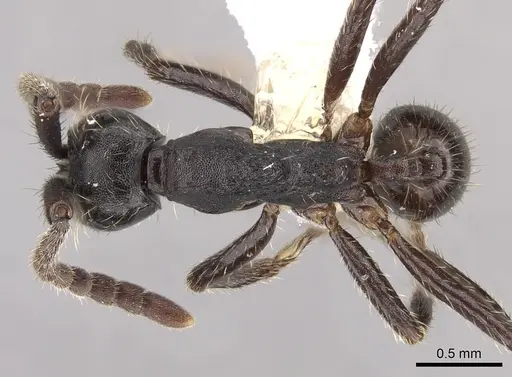
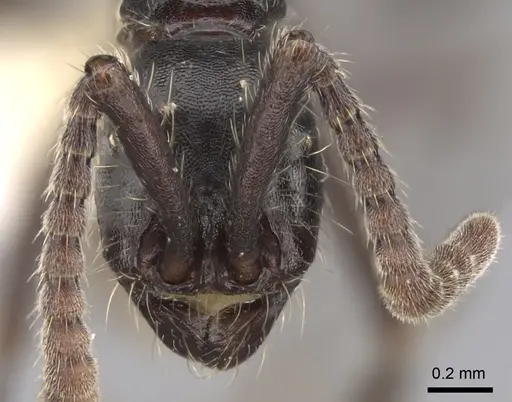
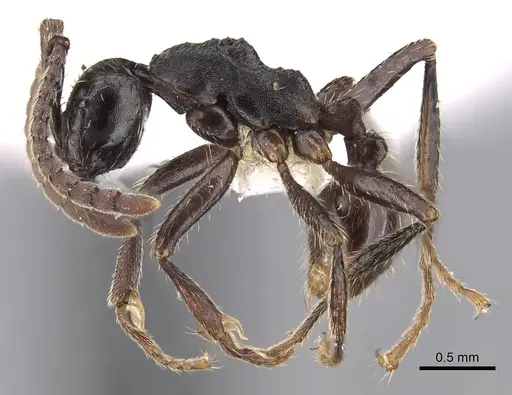
CASENT0915347
View on AntWeb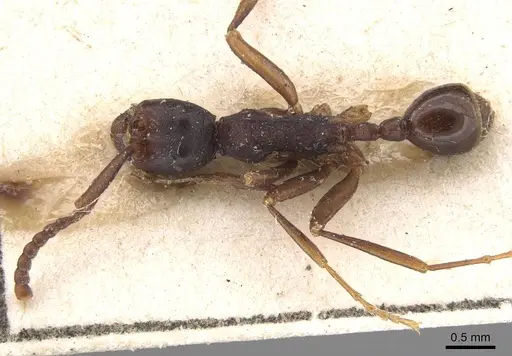
Literature
Loading distribution map...Loading products...