
Neivamyrmex compressinodis
- Sci. Name
- Neivamyrmex compressinodis
- Subfamily
- Dorylinae
- Author
- Borgmeier, 1953
- Distribution
- Found in 4 countries
Introduction
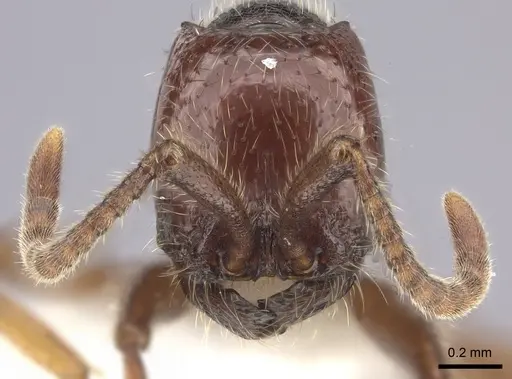
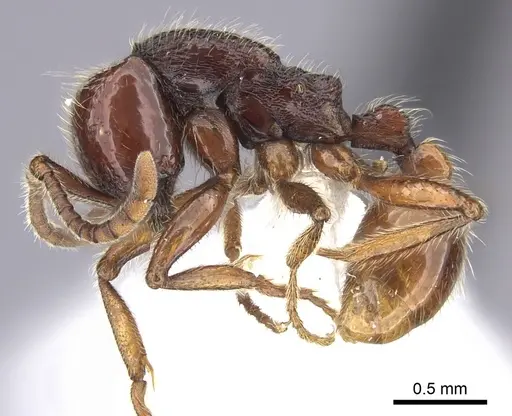
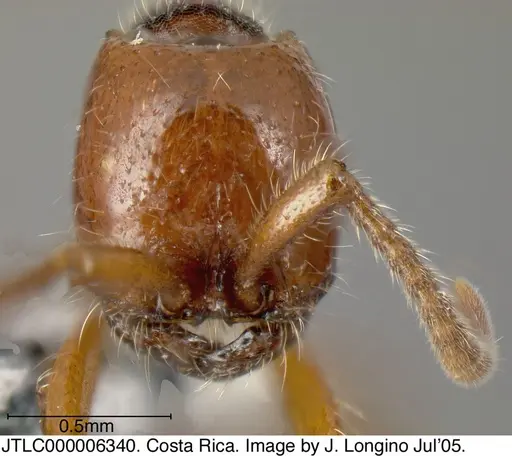
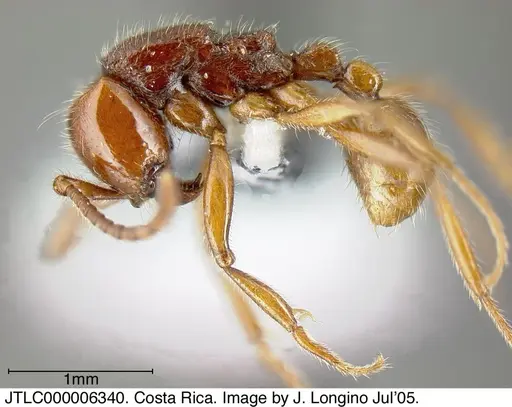
Neivamyrmex compressinodis is a small army ant found in the Neotropical region, including Costa Rica, French Guiana, and Mexico. Workers have a smooth and shining face, with the juncture of the dorsal and posterior faces of the propodeum forming a sharp right angle. The eyes are reduced to yellow spots below the cuticle or absent entirely, making them nearly blind . This species is only known from queens and workers; males have not yet been associated . The most notable trait is its specialized predatory behavior - it is a dedicated predator of Wasmannia auropunctata and uses raiding foraging strategies to raid ant nests .
Quick Summary
- Difficulty: Expert
- Origin & Habitat: Neotropical region, Costa Rica, French Guiana, and Mexico. Found in lowland to mid-elevation tropical forests at 550m in second growth forest, collected from sifted leaf litter on the forest floor [1].
- Colony Type: Colony structure is unconfirmed. As a Dorylinae army ant, they are nomadic and raid ant colonies for food [3].
- Size & Growth:
- Queen: Size data unavailable, queen measurements not documented
- Worker: Size data unavailable, worker measurements not documented
- Colony: Colony size has not been studied [1]
- Growth: Unknown
- Development: Unknown, development timeline has not been documented (No direct measurements available. Army ant development is typically faster than most ants due to their nomadic lifestyle and high-protein diet, but specific timelines for this species are unconfirmed.)
- Antkeeping:
- Temperature: Tropical species, keep warm and stable in the low-to-mid 20s°C range. Avoid cold drafts.
- Humidity: Keep the nest substrate consistently moist but not waterlogged, damp forest floor conditions.
- Diapause: No, this is a tropical species that does not require hibernation. Maintain warm conditions year-round [1].
- Nesting: Ground-dwelling species that nests in soil and leaf litter. A naturalistic setup with moist substrate works well. Provide leaf litter and hiding structures since they are light-sensitive [4].
- Behavior: This is an army ant with specialized raiding behavior. Workers raid the nests of other ants, particularly Wasmannia auropunctata, to capture brood and adults as food [2][3]. They are nomadic and move their bivouac frequently as the colony exhausts local prey resources. Workers are nearly blind due to reduced eyes, relying on chemical trails for navigation. They are aggressive during raids but typically avoid confrontation with larger threats.
- Common Issues: specialized diet makes them difficult to feed, they require live ant brood or workers, not typical ant food, nomadic behavior means colonies may become stressed without regular relocation opportunities, tropical humidity requirements can lead to mold if ventilation is poor, nearly blind workers may have difficulty finding food in bare enclosures, limited availability, this species is rarely kept in captivity
Housing and Nest Setup
Neivamyrmex compressinodis is a ground-dwelling army ant that requires a naturalistic setup with moist substrate. Use a deep container filled with damp soil or a plaster nest with a water reservoir. Provide plenty of leaf litter and hiding structures on the surface since they prefer dark, covered spaces. Because they are nomadic, you may need to occasionally relocate the nest to simulate their natural bivouac-moving behavior. Use a test tube setup for founding colonies, then transition to a naturalistic formicarium as the colony grows. Escape prevention is critical, use fluon on container edges and fine mesh covers [4].
Feeding and Diet
This species is a specialized predator of Wasmannia auropunctata and raids ant nests to obtain brood and workers as food [2]. In captivity, you must provide live ant brood or small workers from other species. They will not accept typical ant foods like sugar water, fruit, or dead insects alone. The best approach is to culture Wasmannia auropunctata or other small ants as a permanent food source, or occasionally offer brood from other common ant species. Remove uneaten prey to prevent mold [2][3].
Temperature and Humidity
As a tropical species from Costa Rica and the Neotropics, N. compressinodis requires warm and humid conditions. Maintain temperatures in the low-to-mid 20s°C range. Do not let temperatures drop significantly. Humidity should be high, keep the substrate consistently moist but not waterlogged. The nest should show condensation on the glass but not standing water. Good ventilation is essential to prevent mold while maintaining humidity.
Behavior and Colony Dynamics
N. compressinodis is a nomadic army ant that does not maintain permanent nests. In the wild, the colony forms a bivouac (temporary shelter made of workers linked together) and relocates as local prey populations are depleted [3]. Workers raid neighboring ant colonies in organized raids, following chemical trails. The nearly blind workers rely almost entirely on pheromone communication. Queens are larger than workers but otherwise similar in appearance. This species is not aggressive toward humans and lacks a painful sting, but the raids on other ant colonies can be fascinating to observe. Colonies may become stressed if unable to raid regularly [3][2].
Frequently Asked Questions
Can I keep Neivamyrmex compressinodis in a test tube?
You can use a test tube for a newly caught queen, but this species is difficult to keep long-term in simple setups. They need space to raid and may become stressed without room to move. A naturalistic setup with moist substrate is better for established colonies.
What do Neivamyrmex compressinodis eat?
They are specialized predators that raid other ant nests. You must provide live ant brood or workers. They will not accept sugar water, honey, or dead insects. Culturing a feeder ant species like Wasmannia auropunctata is ideal.
How long until first workers in Neivamyrmex compressinodis?
The development timeline is unconfirmed for this species. Based on typical army ant patterns, development may be faster than most ants, but specific timelines are not documented.
Are Neivamyrmex compressinodis good for beginners?
No, this species is rated Expert difficulty. Their specialized diet (requiring live ant prey), nomadic behavior, and specific humidity needs make them challenging even for experienced antkeepers.
Do Neivamyrmex compressinodis need hibernation?
No, this is a tropical species from Costa Rica and does not require hibernation. Keep them warm year-round.
How big do Neivamyrmex compressinodis colonies get?
Colony size is unknown for this species. Most army ant colonies can reach thousands of workers, but specific data for N. compressinodis is not available.
Can I keep multiple queens together?
Colony structure is unconfirmed for this species. Combining unrelated queens has not been documented and is not recommended.
Why is my Neivamyrmex compressinodis colony dying?
The most common causes are: improper diet (not enough live ant prey), low humidity, temperatures too low, or stress from lack of space to raid. Ensure you are providing live ant brood regularly.
When to move to a formicarium?
Move from a test tube to a naturalistic setup once the colony shows signs of stress (workers clustering, queen pacing) or when the test tube becomes too crowded. Provide a setup with moist substrate and hiding structures.
Report an Issue
The current care sheet is based fully on literature. See inconsistencies, or something that's incorrect? Please , it will be resolved after review from an admin. Contributing to the blogs tab also helps providing information, to make us be able to further improve the caresheets. Thank you for your support!
References

This caresheet is licensed under CC BY-SA 4.0 .
Community Blogs
CASENT0609675
View on AntWeb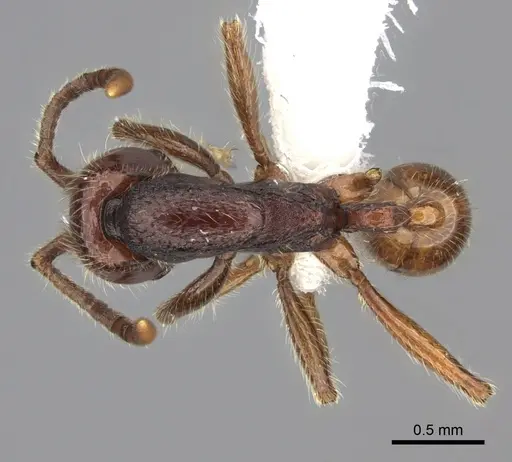
JTLC000006340
View on AntWeb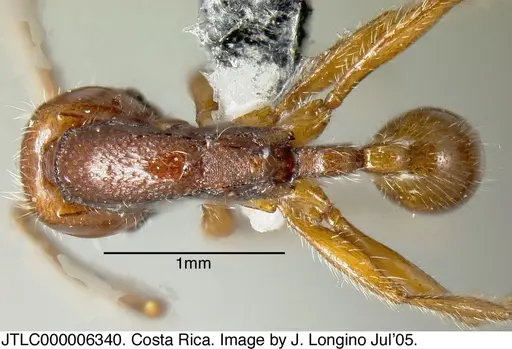
Literature
Loading distribution map...Loading products...