
Neivamyrmex cloosae
- Sci. Name
- Neivamyrmex cloosae
- Subfamily
- Dorylinae
- Author
- Forel, 1912
- Distribution
- Found in 0 countries
Introduction
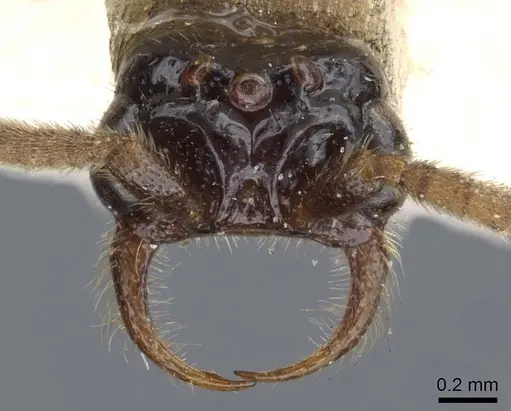
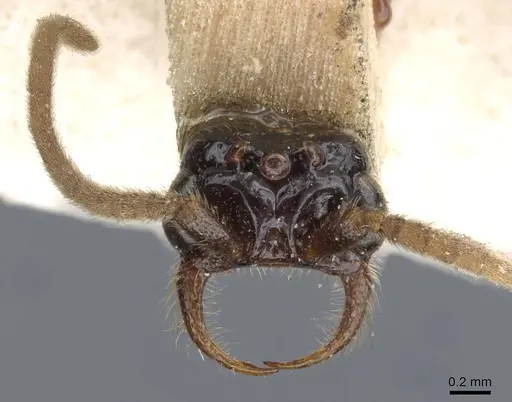
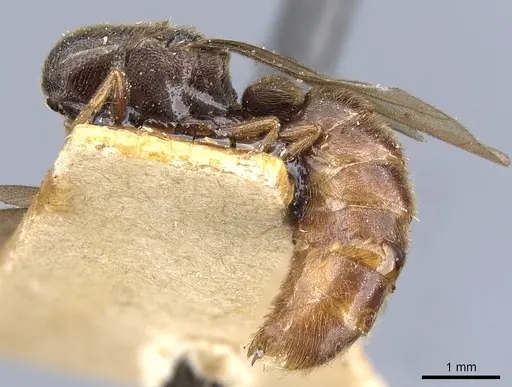
Neivamyrmex cloosae is an extremely rare army ant species known only from a single male specimen collected in Guerrero, Mexico at the River Papagaio (400m elevation) in October . The holotype specimen consists of only part of the antennae, deposited at MHNG (Museum of Natural History Geneva) . As a member of the Dorylinae subfamily, this species belongs to the army ant genus Neivamyrmex, which contains about 150 species native to the Americas . Army ants are famous for their nomadic lifestyle and predatory behavior, forming large colonies that raid other ant colonies and arthropods. However, N. cloosae remains one of the most poorly documented ant species in existence - no queens, workers, or colony observations have ever been published. This makes captive keeping impossible since no species-specific care information exists.
Quick Summary
- Difficulty: Expert
- Origin & Habitat: Guerrero, Mexico, lowland tropical forest at 400m elevation along the River Papagaio in the Balsas River basin [2]. The region has a warm, semi-humid climate year-round.
- Colony Type: Unconfirmed, only males have been documented. Colony structure is unknown.
- Size & Growth:
- Queen: Size data unavailable, no queens have ever been documented [1]
- Worker: Size data unavailable, no workers have ever been documented
- Colony: Size data unavailable, no colony data exists
- Growth: Unknown
- Development: Unknown, no development data exists for this species (No brood or developmental observations have been documented. Development times for related Neivamyrmex species vary, but no estimate is possible for N. cloosae.)
- Antkeeping:
- Temperature: Temperature requirements are unknown. Based on the lowland Mexican habitat at 400m elevation in Guerrero, warm conditions are likely, typical Neivamyrmex species kept in captivity are maintained around 24-28°C [3]. This is an estimate.
- Humidity: Humidity requirements are unknown. Based on the semi-humid tropical habitat of Guerrero, moderate to high humidity is likely. Keep the nest substrate consistently moist but not waterlogged. This is an estimate.
- Diapause: Unknown, no seasonal behavior has been documented. This is a tropical species from lowland Mexico where temperatures rarely drop significantly, so true diapause is unlikely. Army ants in tropical regions may reduce activity during dry seasons.
- Nesting: No specific nesting data exists. In captivity, documented Neivamyrmex species require naturalistic setups with moist substrate they can tunnel through. Army ants don't build permanent nests, they form temporary bivouacs in the wild [3].
- Behavior: No species-specific behavior has been documented. Based on genus-level patterns for Neivamyrmex, these are nomadic army ants that form temporary bivouacs and conduct raids on other ant colonies and arthropods [3]. They are highly active and need space to forage. Colony structure and queen behavior are unknown.
- Common Issues: no species-specific care data exists, all advice is based on genus-level patterns, only a single male has ever been documented, so founding behavior is completely unknown, obtaining this species is extremely difficult, it may not exist in the antkeeping hobby, related army ants are difficult to keep due to their nomadic nature and large space requirements, without documented care requirements, colony failure is highly likely, this species has not been kept in captivity, no successful husbandry examples exist
Why This Species Cannot Be Kept
Neivamyrmex cloosae is one of the least documented ant species in the entire genus Neivamyrmex. The entire scientific knowledge consists of one male specimen collected by H.H. Smith in October 1912 from the River Papagaio in Guerrero, Mexico at an elevation of 400 meters [2]. No queens, no workers, no colonies, no behavioral observations, no developmental data, nothing. Every aspect of keeping this ant would be experimental guesswork. For comparison, even the most obscure ant species usually have some worker descriptions or habitat observations. This species has none of that. Unless you are an expert myrmecologist with access to type specimens and field collection capabilities in Mexico, this species is effectively unavailable and completely unsuitable for captive keeping. The few Neivamyrmex species that are kept in captivity are among the most demanding ants to keep, they need enormous space, constant prey, and careful humidity control. Attempting this with a species we know nothing about would be reckless.
What We Know About the Wild Population
The entire scientific knowledge of Neivamyrmex cloosae consists of one male specimen collected by H.H. Smith in October from the River Papagaio in Guerrero, Mexico at an elevation of 400 meters [2]. This is in the Balsas River basin, a lowland tropical region with warm temperatures year-round. The holotype specimen is deposited at MHNG (Museum of Natural History Geneva) and consists of only part of the antennae [2]. The October collection date suggests males may emerge in the fall, but this is a single data point, nuptial flight timing cannot be determined from one specimen. The species was originally described as Eciton (Acamatus) cloosae by Forel in 1912 and later moved to Neivamyrmex by Borgmeier in 1953 [1]. It has been recorded in subsequent ant catalogs (Kempf 1972,Watkins 1982) but no new specimens or observations have been added in over a century. This species may be extremely rare, locally distributed, or simply never collected again because Neivamyrmex males are difficult to identify and army ant research in Mexico has been limited.
Genus-Level Context for Neivamyrmex
While we know nothing specific about N. cloosae, Neivamyrmex as a genus provides general patterns. Neivamyrmex contains about 150 species of army ants found throughout the Americas, with the highest diversity in the Neotropics [3]. Like all army ants, they are nomadic predators that don't build permanent nests, instead, they form temporary bivouacs (living structures made of linked worker bodies) and move their colony every few days. They raid other ant colonies and any arthropods they can overwhelm. Colony sizes for documented species can reach from hundreds to thousands of workers. Most Neivamyrmex species are polygyne (multiple queens), but N. cloosae could have completely different biology. The only way to know would be to collect fresh specimens in Mexico and study them.
Why Army Ants Are Difficult to Keep
Even the best-documented army ant species are considered expert-level pets. They need constant access to prey (other ant colonies, insects) and will not survive on sugar water alone. Their nomadic nature means they don't settle into a formicarium, they need to move regularly, which is difficult to accommodate in captivity. Army ant colonies can quickly outgrow enclosures and need massive amounts of space to exhibit natural foraging and raiding behavior. Most antkeepers who successfully keep army ants maintain multiple target ant colonies as food sources, which is logistically demanding. Additionally, Neivamyrmex workers have stingers and are capable of stinging [3]. Given all this, attempting to keep a completely unknown species with no documentation would be extremely high risk for the colony.
Frequently Asked Questions
Can I keep Neivamyrmex cloosae in a test tube?
No. This species is essentially unavailable, only a single male has ever been documented, collected in 1912. There are no documented captive colonies, and obtaining this species would require field collection in Mexico, which would need scientific permits. Even if you had workers, army ants need much more space than a test tube provides.
What do Neivamyrmex cloosae eat?
Unknown for this specific species. Based on typical Neivamyrmex diet, they are predators that raid other ant colonies and arthropods. However, this is speculation, no feeding observations exist for N. cloosae.
How big do Neivamyrmex cloosae colonies get?
Unknown, no colony data exists for this species. The only specimen ever documented is a single male. Colony sizes for related Neivamyrmex species can range from hundreds to thousands of workers, but we have no data for N. cloosae.
What temperature do Neivamyrmex cloosae need?
Unknown specifically. Based on the lowland Mexican habitat at 400m elevation in Guerrero, warm conditions are likely. Typical Neivamyrmex species kept in captivity are maintained around 24-28°C. This is an estimate, no temperature data exists for this species.
Is Neivamyrmex cloosae good for beginners?
Absolutely not. This is one of the most poorly documented ant species in existence, we know almost nothing about it. Even if you could obtain it, there are no care guides, no successful captive colonies to learn from, and no way to know if you're providing correct conditions. Even experienced antkeepers should not attempt this species.
Can I keep multiple queens together?
Unknown. Colony structure has never been documented for this species. Most Neivamyrmex species are polygyne (multiple queens), but we have no data for N. cloosae. Combining unrelated queens of this species has never been studied.
How long does it take for Neivamyrmex cloosae to develop from egg to worker?
Unknown, no developmental data exists for this species. No eggs, larvae, pupae, or workers have ever been documented.
Where does Neivamyrmex cloosae live in the wild?
Only known from Guerrero, Mexico, specifically the River Papagaio at 400m elevation in the Balsas River basin. This is a lowland tropical forest area with warm, semi-humid conditions year-round. The single male was collected in October.
Do Neivamyrmex cloosae need hibernation?
Unknown, no seasonal behavior has been documented. This is a tropical species from lowland Mexico where temperatures rarely drop significantly, so true diapause is unlikely. Army ants in tropical regions may reduce activity during dry seasons rather than true hibernation.
Report an Issue
The current care sheet is based fully on literature. See inconsistencies, or something that's incorrect? Please , it will be resolved after review from an admin. Contributing to the blogs tab also helps providing information, to make us be able to further improve the caresheets. Thank you for your support!
References

This caresheet is licensed under CC BY-SA 4.0 .
Community Blogs
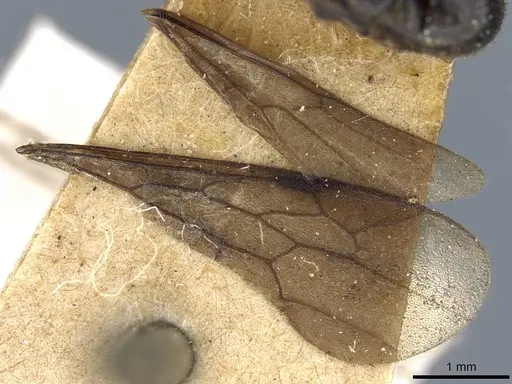
CASENT0905955
View on AntWeb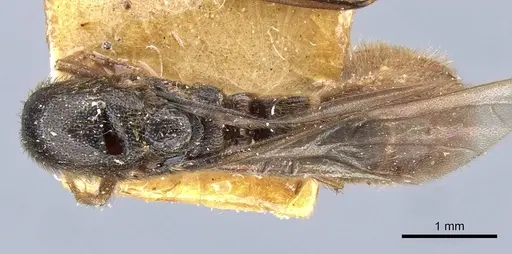
Literature
Loading distribution map...Loading products...