
Neivamyrmex balzani
- Sci. Name
- Neivamyrmex balzani
- Subfamily
- Dorylinae
- Author
- Emery, 1894
- Distribution
- Found in 3 countries
Introduction
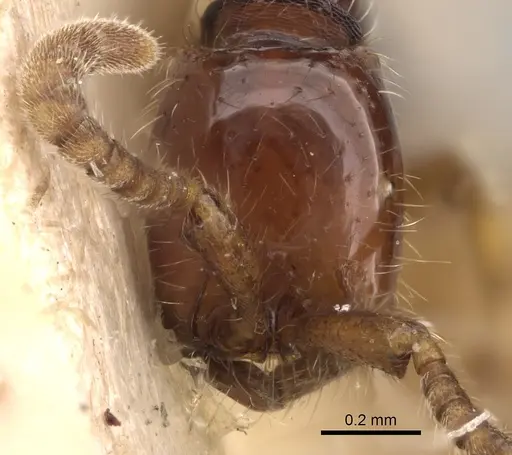
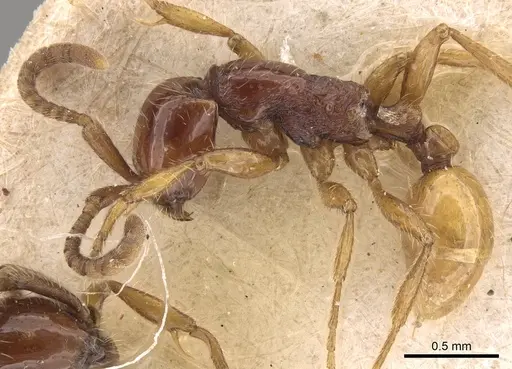
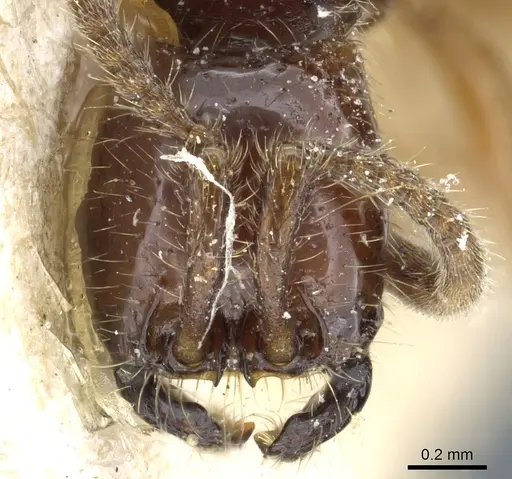
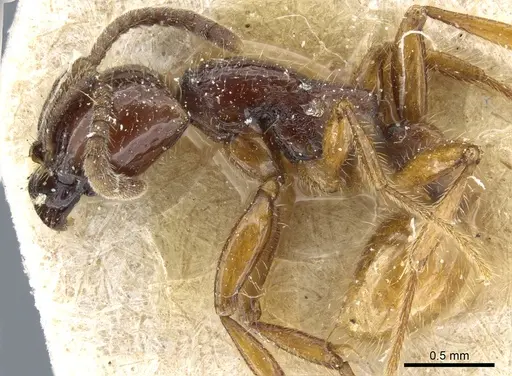
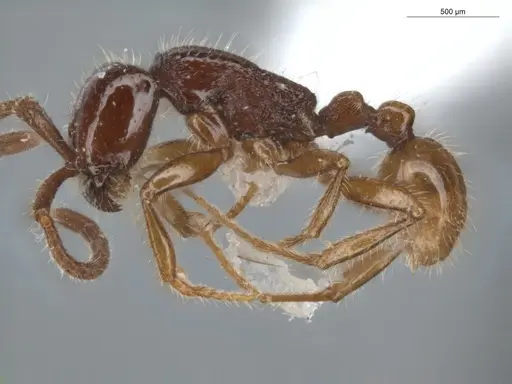
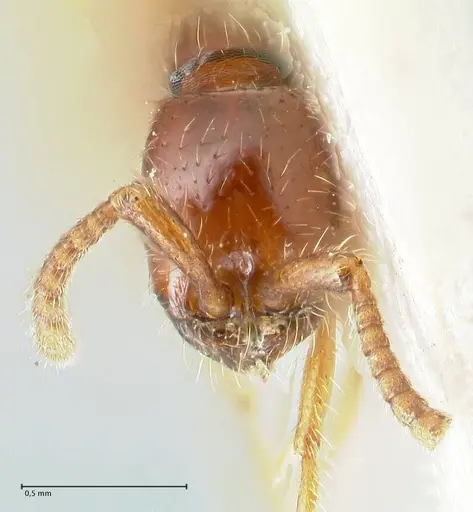
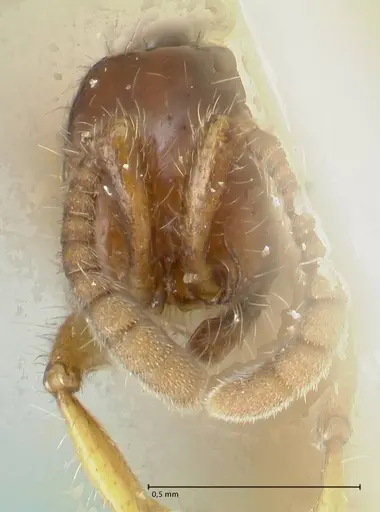
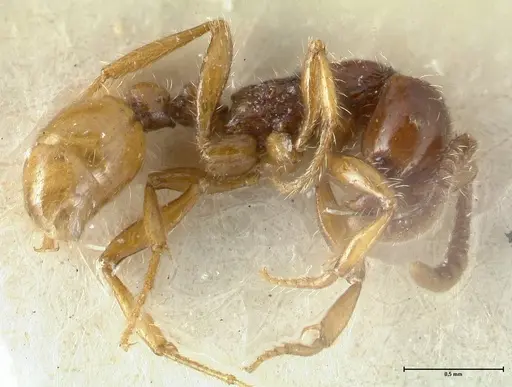
Neivamyrmex balzani is a Neotropical army ant species in the Dorylinae subfamily. Workers have the typical elongated body shape of New World army ants, with large mandibles for hunting and a flexible abdomen. This species ranges from southern Mexico through Central America into northern South America, with confirmed records in Tabasco (Mexico), Venezuela, and Bolivia . In the wild, they inhabit humid tropical lowland forests where they establish temporary bivouacs in decaying wood on the forest floor . Army ant colonies cycle between nomadic and statary phases, making them unique among ant species.
Quick Summary
- Difficulty: Expert
- Origin & Habitat: Neotropical region spanning southern Mexico through Central America to Bolivia. Found in humid tropical lowland forests, specifically in decomposed trunks on the forest floor [3]. Records from Tabasco, Mexico (Cunduacán, Centro, Huimanguillo, Macuspana, and Tenosique municipalities) [1].
- Colony Type: Single-queen colonies typical of most Neivamyrmex species. The colony cycles between nomadic and statary phases, characteristic of army ant biology.
- Size & Growth:
- Queen: size data unavailable, inferred from Neivamyrmex genus (~12-18mm)
- Worker: size data unavailable, no direct measurements for this species
- Colony: up to several thousand workers at maturity based on genus patterns
- Growth: Moderate to fast
- Development: estimated 3-5 weeks based on related Neivamyrmex species (Development is temperature-dependent. Army ant larvae are fed by trophallaxis rather than direct prey feeding.)
- Antkeeping:
- Temperature: Keep at 25-28°C (tropical warmth). Army ants are adapted to stable warm conditions in their native range.
- Humidity: High humidity (70-85%), these are forest floor ants from humid tropical environments. Keep the nest area consistently moist but not waterlogged.
- Diapause: No true diapause, as a Neotropical species, they do not hibernate. Maintain warm temperatures year-round.
- Nesting: Army ants do not build permanent nests. In captivity, they form temporary clusters (bivouacs) in dark, humid spaces. Provide a dark chamber where they can form a cluster. They will attach to surfaces and each other, creating a living mass.
- Behavior: Highly active predators. As army ants, they conduct coordinated raids on other ant colonies and arthropod nests. Workers are excellent escape artists, they will exploit any gap. They are photophobic and will cluster in the darkest available space. They show typical army ant raiding behavior with columns of workers emerging to hunt.
- Common Issues: colonies often decline rapidly if humidity drops too low, these forest species desiccate quickly, escape prevention is critical, army ants will exploit even tiny gaps, without a constant supply of live prey, colonies will starve, photophobic behavior makes observation difficult, stress from excessive disturbance causes colonies to abandon their bivouac and relocate
Understanding Army Ant Biology
Neivamyrmex balzani is an army ant, and understanding their unique biology is essential for successful keeping. Unlike most ants that build permanent nests, army ants are nomadic, they periodically relocate their entire colony in search of new hunting grounds. This nomadic lifestyle is driven by the colony consuming all prey in their immediate area. In the wild, they form temporary bivouacs in decaying logs, under rocks, or in hollow trees [3]. The colony cycles between a nomadic phase (when they move frequently) and a statary phase (when the queen lays eggs and they remain in one location). Workers are polymorphic, meaning they come in different sizes (majors and minors), with majors typically serving as defenders and minor workers handling most foraging and brood care.
Housing and Nest Setup
Housing army ants requires a different approach than typical ant keeping. They do not need a traditional formicarium, instead, they need a dark, humid chamber where they can form a bivouac. A simple setup works best: place a test tube or small container with a water reservoir inside a larger dark container. Cover the outer container with a dark cloth. The key is providing a space where the ants can attach to each other and form a living cluster. Avoid bright lighting, army ants are strongly photophobic and will stress if exposed to light. Escape prevention is critical: despite their moderate size, army ants are excellent escape artists. Use fluon on container rims and ensure any ventilation holes are covered with fine mesh. The enclosure should be humid but with some ventilation to prevent mold.
Feeding and Nutrition
Army ants are obligate predators, they survive primarily by raiding other ant colonies and preying on arthropods. In captivity, you must provide a constant supply of live prey. The ideal food source is other ant colonies (their natural prey), you can provide small portions of other ant species' brood or workers. Alternatively, offer small live arthropods like fruit flies, pinhead crickets, mealworm pieces, and other small insects. Some colonies will accept small amounts of sugar water or honey, but this should never be their primary food source. Feed little and often, army ants typically consume prey within hours and will abandon uneaten prey. A typical feeding schedule is offering prey every 1-2 days, adjusting based on colony size and consumption rate. Remove any uneaten prey promptly to prevent mold.
Temperature and Seasonal Care
As a Neotropical species from humid tropical forests, Neivamyrmex balzani requires warm, stable temperatures year-round. Maintain the nest area at 25-28°C, this mimics their native tropical environment where temperature varies little. A small heating cable or mat on one side of the enclosure can create a gentle gradient, allowing workers to self-regulate by moving between warmer and cooler areas. Unlike temperate species, they do not enter diapause or hibernation. During winter months in temperate climates, you must ensure heating continues without interruption. Cold temperatures will quickly weaken and kill army ant colonies. Humidity is equally important, maintain 70-85% relative humidity in the nest area. Use a water tube or small reservoir to provide moisture, and mist the enclosure occasionally if humidity drops.
Colony Behavior and Observation
Observing army ant colonies is both fascinating and challenging. They are primarily nocturnal and will become most active when the nest area is dark and quiet. During the active phase, you will see columns of workers emerging to forage, this is their signature raiding behavior. The colony will form a tight cluster (bivouac) during rest periods, with workers attaching to each other and to surfaces. Major workers (larger ants) typically remain on the cluster's exterior, serving as defenders. Do not disturb the colony unnecessarily, army ants are sensitive to vibration and light. Repeated disturbance will cause them to abandon their bivouac and attempt to relocate, which is stressful and can damage the colony. Unlike some ant species, they do not establish permanent tunnel systems, their entire existence revolves around the living cluster.
Frequently Asked Questions
Is Neivamyrmex balzani good for beginners?
No, this species is not recommended for beginners. Army ants have specialized care requirements that differ dramatically from typical ants. They need constant live prey, high humidity, dark conditions, and excellent escape prevention. They also do not tolerate disturbance well. This species is for experienced antkeepers who understand army ant biology.
How long does it take for the first workers to appear?
Based on related Neivamyrmex species, expect first workers approximately 3-5 weeks after the queen lays eggs, provided temperatures are maintained at 25-28°C. Development is faster in warmer conditions and slower if temperatures drop.
Can I keep multiple queens together?
No, Neivamyrmex balzani is monogyne (single-queen). Unlike some army ant species that can have multiple queens, this species forms single-queen colonies. Introducing additional queens will result in fighting and death.
What do I feed my Neivamyrmex balzani colony?
They need live prey, this is non-negotiable. The ideal diet is other ant colonies' brood or workers (their natural prey). Alternatively, offer small live insects like fruit flies, small crickets, and mealworms. Some colonies may accept sugar water as a supplement, but never as a primary food source.
Why is my army ant colony dying?
Common causes include: low humidity (they desiccate quickly), cold temperatures (need 25-28°C), lack of live prey (they will starve without hunting), excessive disturbance (they stress easily), and poor escape prevention (they will abandon the enclosure). Review each of these factors.
When should I move them to a formicarium?
Army ants do not need a traditional formicarium. They form bivouacs in dark, humid spaces. A simple setup with a test tube providing humidity inside a dark container works throughout their lifecycle. Only consider more elaborate setups if you need better observation capabilities.
Do Neivamyrmex balzani need hibernation?
No, as a Neotropical species from tropical forests, they do not hibernate. Maintain warm temperatures (25-28°C) year-round. You may slightly reduce feeding during winter months if colony activity decreases, but do not allow temperatures to drop.
How big do Neivamyrmex balzani colonies get?
Based on typical Neivamyrmex colony sizes, expect up to several thousand workers at maturity. The colony will cycle in size as they move through nomadic and statary phases.
Report an Issue
The current care sheet is based fully on literature. See inconsistencies, or something that's incorrect? Please , it will be resolved after review from an admin. Contributing to the blogs tab also helps providing information, to make us be able to further improve the caresheets. Thank you for your support!
References

This caresheet is licensed under CC BY-SA 4.0 .
Community Blogs
CASENT0281951
View on AntWeb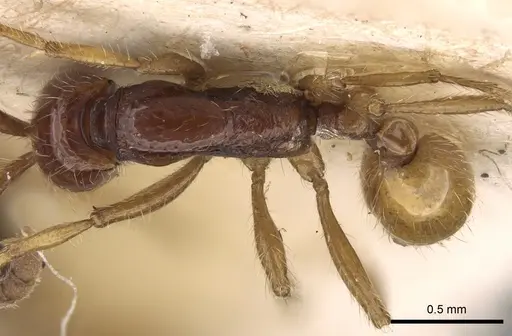
CASENT0903730
View on AntWeb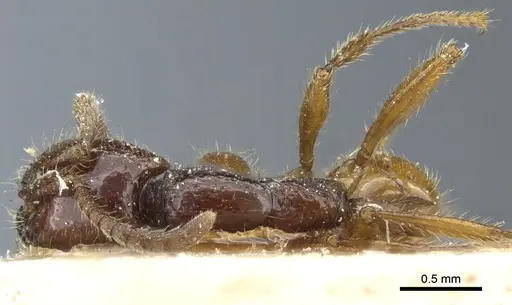
ECOFOG-SL13-1083-09
View on AntWeb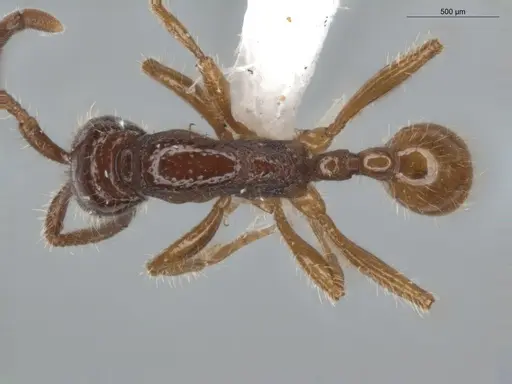
FOCOL1136-1
View on AntWeb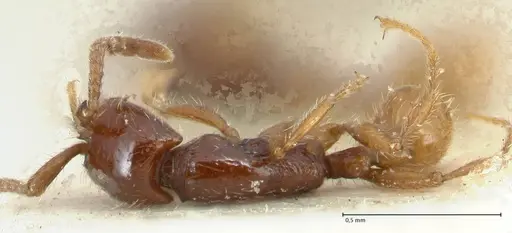
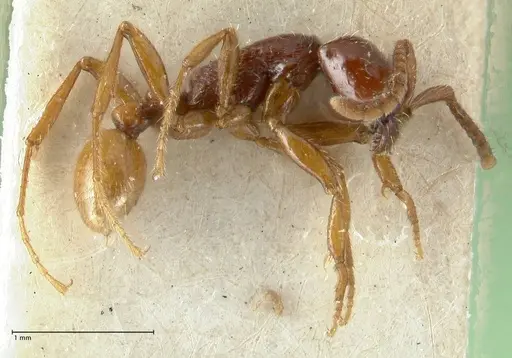
FOCOL1136-2
View on AntWeb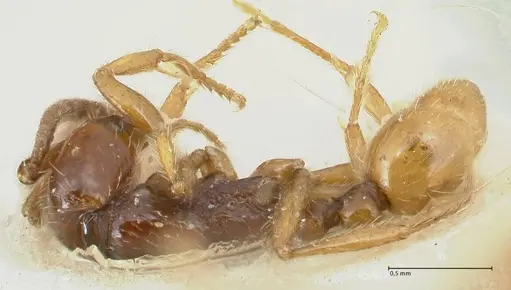
Literature
Loading distribution map...Loading products...