
Neivamyrmex angustinodis
- Sci. Name
- Neivamyrmex angustinodis
- Subfamily
- Dorylinae
- Author
- Emery, 1888
- Distribution
- Found in 3 countries
Introduction
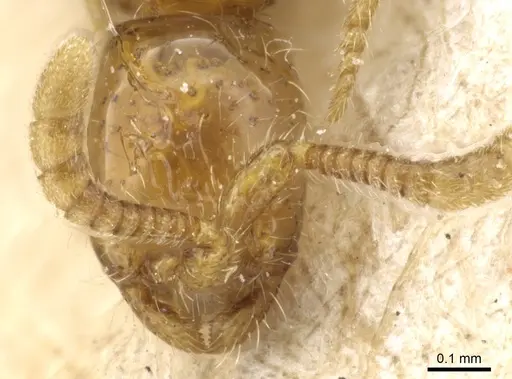
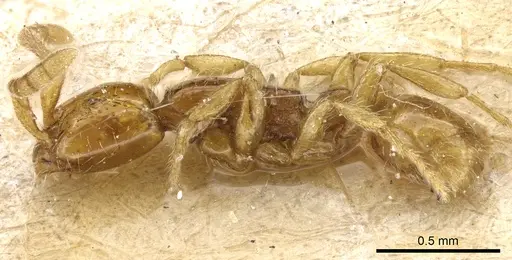
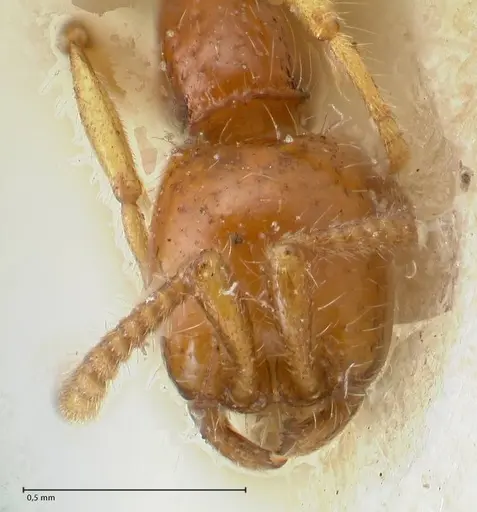
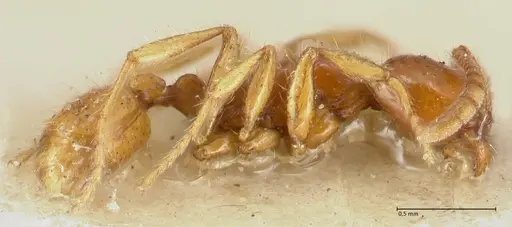
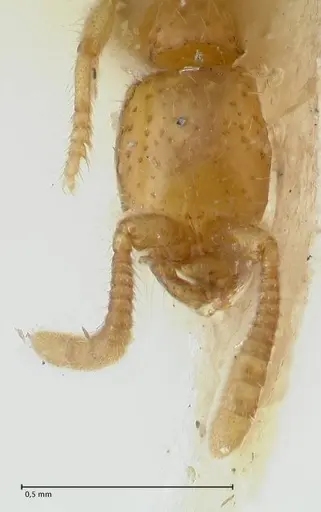
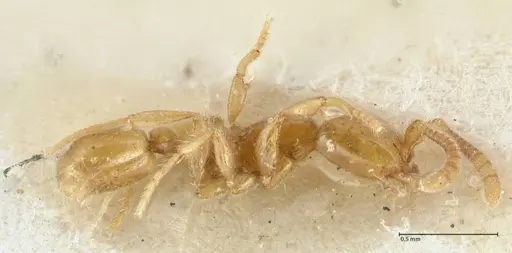
Neivamyrmex angustinodis is a Neotropical army ant found in South America, including Argentina, Brazil, French Guiana, Guyana, Paraguay, and Suriname . Like all army ants, they are highly predatory and form nomadic colonies that raid in coordinated swarms . Workers are small, but specific size data is unavailable from the research. The queen is larger than workers. This species plays a keystone role in tropical ecosystems by preying on ground-dwelling arthropods, influencing community structure . They inhabit dense tropical forests, as documented in the Amazon Basin of Brazil .
Quick Summary
- Difficulty: Expert
- Origin & Habitat: Neotropical South America, including Argentina, Brazil, and other countries, in tropical rainforest environments [1][3].
- Colony Type: Army ant colony with typically a single queen, based on general army ant patterns [2].
- Size & Growth:
- Queen: Size data unavailable, no total length measurements in research context
- Worker: Size data unavailable, no total length measurements in research context
- Colony: Unknown, no data on colony size from research
- Growth: Fast, inferred from army ant general biology
- Development: Unknown, no data on development time from research (Development time likely depends on temperature and prey availability)
- Antkeeping:
- Temperature: Keep warm, around 24-28°C, inferred from tropical species habitat [2]
- Humidity: Keep nest substrate consistently moist but not waterlogged, inferred from tropical rainforest habitat [3]
- Diapause: No, tropical species do not require hibernation [2]
- Nesting: Use a naturalistic setup with deep substrate and connected chambers, inferred from army ant nomadic behavior [2]
- Behavior: Highly active and predatory, with workers raiding in swarms. Escape risk is high due to excellent climbing ability. Colony relocation is normal behavior.
- Common Issues: insufficient live prey can cause colony decline, army ants are obligate predators, low humidity can stress the colony and lead to mortality, escape prevention is critical, they are skilled climbers that will exploit gaps, inadequate space can prevent natural raiding behavior and cause stress
Understanding Army Ant Biology
Neivamyrmex angustinodis belongs to the Dorylinae subfamily, known as army ants. They are nomadic, constantly moving their colony to new hunting grounds [2]. The colony consists of a single queen supported by workers that conduct coordinated raids [2]. Army ants are obligate predators, relying entirely on hunting other invertebrates [2]. In their natural habitat, they influence ground-dwelling arthropod communities [3].
Housing and Enclosure Setup
Keep army ants in a large enclosure with a deep substrate (at least 5-10cm) for burrowing. Use a naturalistic setup with connected chambers or a Y-tong nest. Provide a spacious outworld for raiding behavior. Escape prevention is critical, use barriers on all edges and ensure tight lids [2].
Feeding and Nutrition
Army ants require live prey only, they will not accept sugar sources or dead insects. Offer small live invertebrates like mealworms or crickets frequently. Feed every 1-2 days for established colonies, adjusting based on consumption [2].
Temperature and Seasonal Care
Maintain warm temperatures around 24-28°C year-round, as they are tropical species [2]. No hibernation is needed. Keep humidity high by maintaining moist substrate, inferred from their rainforest habitat [3].
Colony Dynamics and Behavior
Army ant colonies are nomadic, with phases of active raiding and relocation. The queen is a temporary reproductive, typical of army ants [2]. Workers are not aggressive toward humans but will defend the colony. Their predatory nature means they will attack other invertebrates in the enclosure.
Frequently Asked Questions
Can I keep Neivamyrmex angustinodis in a test tube?
No, test tubes are unsuitable due to space needs for raiding. Use a large setup with deep substrate and outworld [2].
How long does it take for first workers to appear?
Unknown, no data on development time from research. Likely faster than other ants, but specifics are unconfirmed.
What do I feed my army ant colony?
Live prey only, offer small insects like mealworms or crickets frequently [2].
Are Neivamyrmex angustinodis good for beginners?
No, this species is Expert difficulty due to specific care needs like live prey and high humidity.
Do army ants need hibernation?
No, as a tropical species, they do not require hibernation [2].
Why is my army ant colony moving to a new location?
This is normal nomadic behavior for army ants [2]. Ensure the new location has appropriate conditions.
Can I keep multiple queens together?
Army ant colonies are typically single-queen, but research does not confirm this for N. angustinodis. Avoid combining unrelated queens.
How big do Neivamyrmex angustinodis colonies get?
Unknown, no data on colony size from research.
Why are my army ants dying?
Common causes include insufficient live prey, low humidity, or escape. Review care parameters and ensure adequate resources.
Report an Issue
The current care sheet is based fully on literature. See inconsistencies, or something that's incorrect? Please , it will be resolved after review from an admin. Contributing to the blogs tab also helps providing information, to make us be able to further improve the caresheets. Thank you for your support!
References

This caresheet is licensed under CC BY-SA 4.0 .
Community Blogs
CASENT0173519
View on AntWeb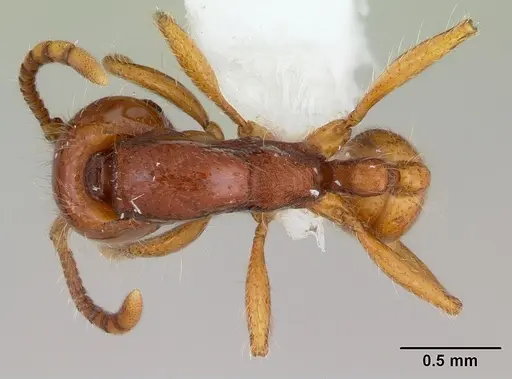
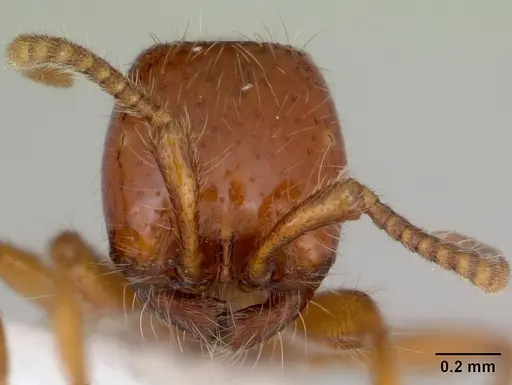
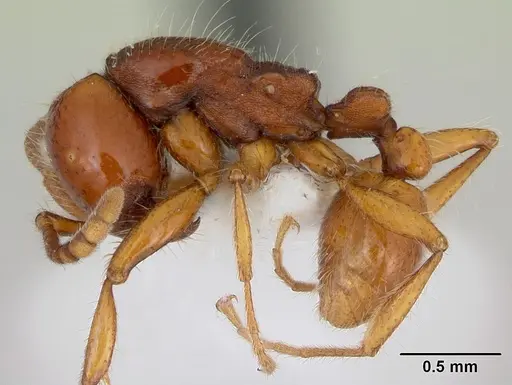
CASENT0173520
View on AntWeb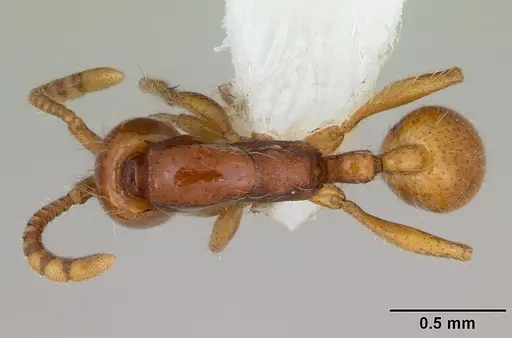
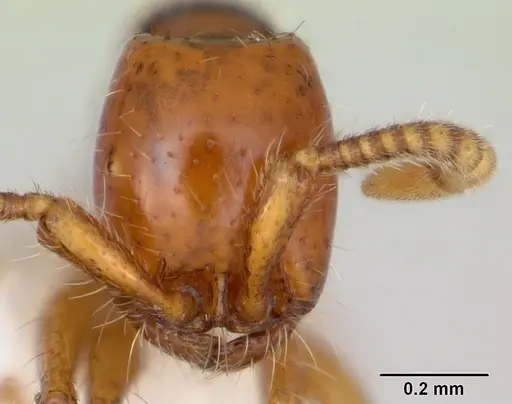
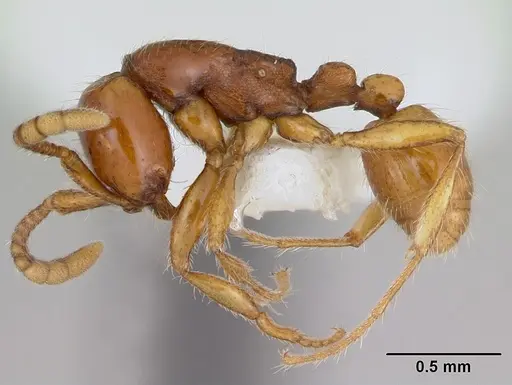
CASENT0173600
View on AntWeb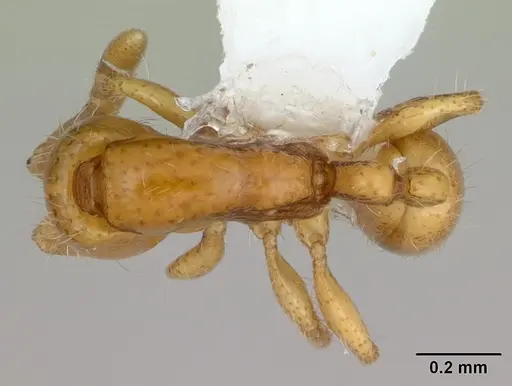
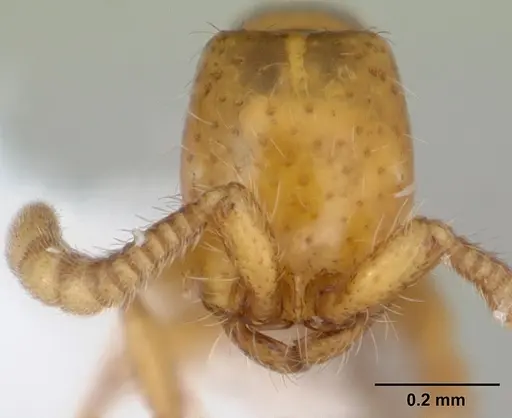
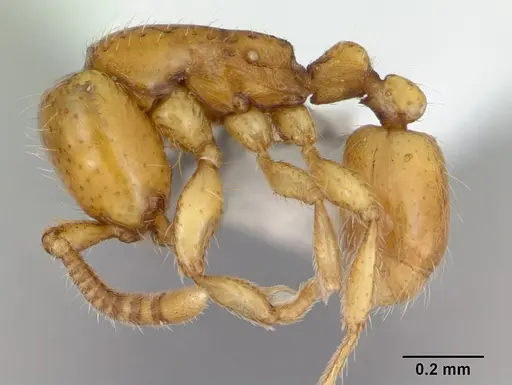
CASENT0249471
View on AntWeb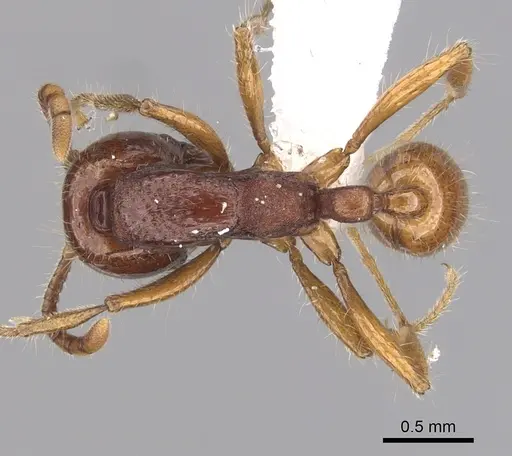
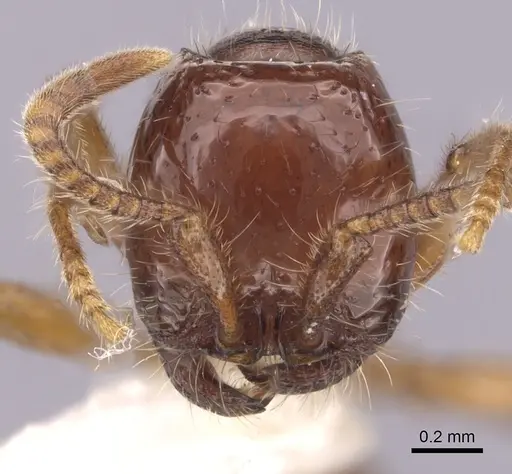
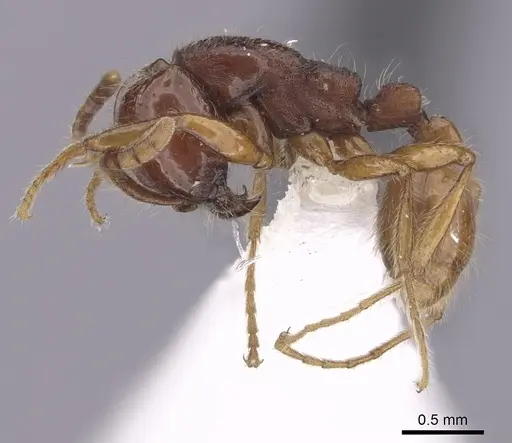
CASENT0903733
View on AntWeb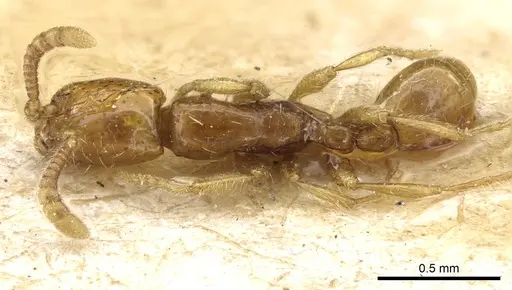
FOCOL1134
View on AntWeb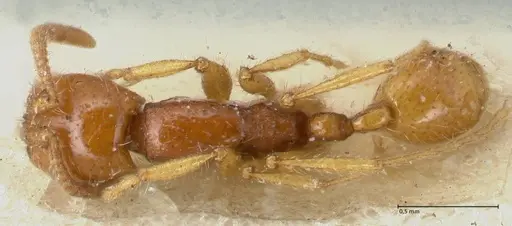
FOCOL1135
View on AntWeb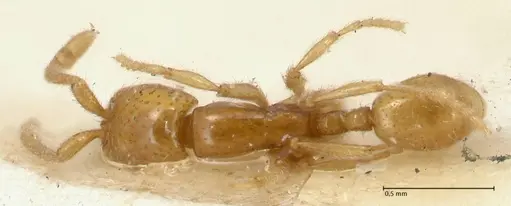
Literature
Loading distribution map...Loading products...