
Neivamyrmex adnepos
- Sci. Name
- Neivamyrmex adnepos
- Subfamily
- Dorylinae
- Author
- Wheeler, 1922
- Distribution
- Found in 6 countries
Introduction
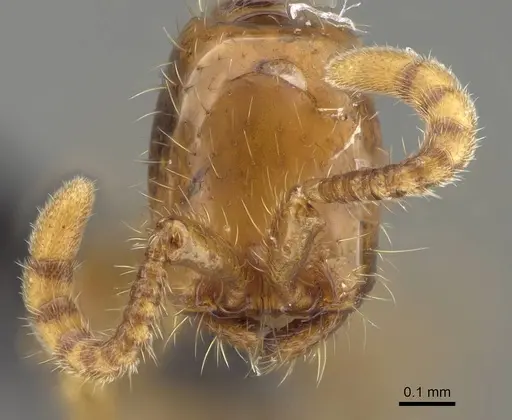
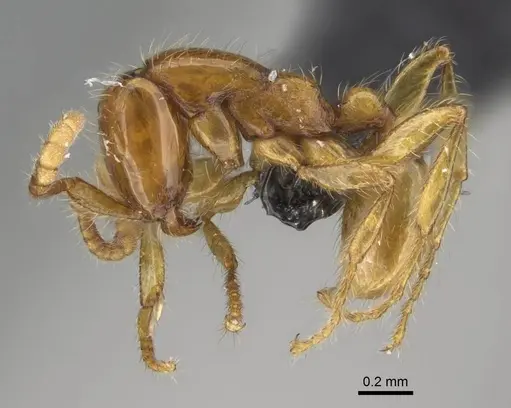
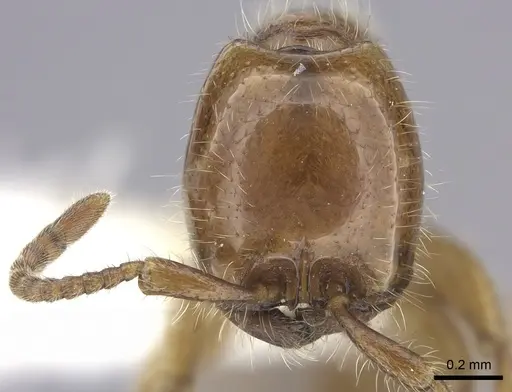
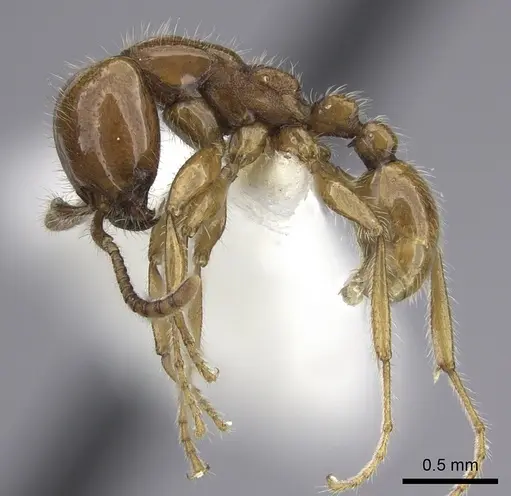
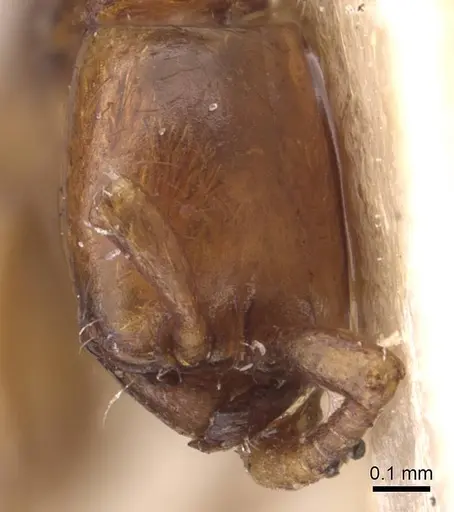
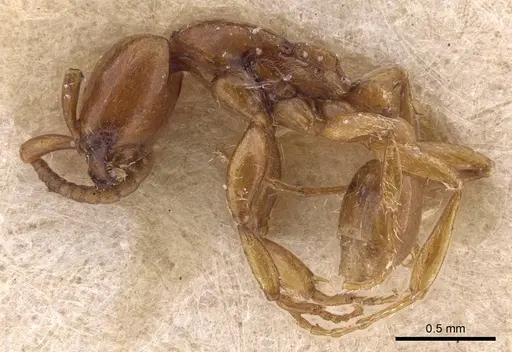
Neivamyrmex adnepos is a small army ant species found across Central and South America, from Mexico through Brazil, Ecuador, Costa Rica, and Trinidad . Workers are slender and typically dark brown to black, with distinctive morphological features including a concave posterior propodeum with prominent lateral carinae, and very reduced or absent eyes - a common adaptation in army ants that spend much of their time underground . This species inhabits lowland wet forests on the Atlantic slope, where they function as nomadic predators that raid other ant colonies and arthropods for food . Unlike many ants that maintain a single permanent nest, army ants like N. adnepos are constantly on the move, establishing temporary bivouacs while following raid trails through the leaf litter .
Quick Summary
- Difficulty: Expert
- Origin & Habitat: Lowland wet forest on the Atlantic slope, from Mexico through Brazil, Ecuador, Costa Rica, and Trinidad [2][1]. Found in Meta department, Colombia and recorded from Isle à Quatre in the Grenadines [4][5].
- Colony Type: Nomadic army ant colonies, colonies are highly mobile and polydomous. Exact colony structure is not well-documented for this specific species, but Neivamyrmex species typically form large colonies that operate as coordinated raiding swarms.
- Size & Growth:
- Queen: size data unavailable, inferred from Neivamyrmex genus patterns (~8-12mm)
- Worker: size data unavailable, no specific measurements in research context
- Colony: estimated several thousand workers based on typical Neivamyrmex colony sizes
- Growth: Fast, army ant colonies grow rapidly when well-fed
- Development: estimated 3-5 weeks at optimal temperature based on related army ant species (Army ant brood development is typically very fast compared to other ants, supporting their nomadic lifestyle)
- Antkeeping:
- Temperature: Keep at 24-28°C, they are a tropical species from lowland wet forests. A gentle gradient allows workers to thermoregulate.
- Humidity: High humidity (70-85%), their natural habitat is wet forest floor. Keep the outworld consistently moist but not waterlogged.
- Diapause: No, as a tropical species, they do not require hibernation. Maintain stable warm conditions year-round.
- Nesting: This species requires a naturalistic setup that accommodates their nomadic behavior. A formicarium with multiple connected chambers plus a spacious outworld for raid exploration works best. Provide a deep soil layer for brood chambers and ensure the setup can handle their constant activity.
- Behavior: Army ants are aggressive predators that conduct coordinated raids on other ant colonies and arthropods. Workers are highly active and nocturnal, often raiding at night under leaf litter [2]. They have a powerful sting for subduing prey. Escape prevention is critical, they are persistent explorers and will find any gap in the setup.
- Common Issues: live prey requirement makes them difficult to feed, they need constant access to live insects or other ant colonies, nomadic behavior means they may abandon brood if conditions are not optimal, colony collapse is common if raids are unsuccessful, they are obligate predators, high humidity requirements can lead to mold problems if ventilation is poor, very small workers mean escape prevention must be excellent
Understanding Army Ant Biology
Neivamyrmex adnepos belongs to the Dorylinae subfamily, commonly known as army ants. Unlike typical ants that maintain a single permanent nest, army ants are nomadic and constantly move their colony through the landscape. They establish temporary bivouacs (temporary nests formed by workers linking their bodies) while conducting raids to capture prey [3]. This species is classified as a Guild I nomadic species, meaning they are among the most mobile army ant types [3]. Workers forage at night, running in tight columns just beneath the leaf litter to ambush other ant colonies and small arthropods [2]. The colony moves to a new location every few days when the local prey supply is depleted. This nomadic lifestyle is supported by extremely fast brood development, army ant larvae can develop in just a few weeks compared to months in many other ant species.
Housing and Enclosure Setup
Keeping army ants requires an expert-level setup that accommodates their unique nomadic behavior. A naturalistic formicarium with a deep soil chamber for brood bivouacs works best, connected to a spacious outworld where raids can be observed. The outworld should be at least several times the size of the nest area to allow proper raid exploration. Use a tight-sealing lid with fluon barrier on all rim surfaces, while not strong climbers, army ants will exploit any gap over time. Provide multiple potential nest sites within the formicarium so the colony can reorganize as they would in the wild. Avoid test tube setups, they cannot accommodate the colony's size or nomadic needs. Lighting should be adjustable as they prefer to raid in low-light conditions.
Feeding and Nutrition
Army ants are obligate predators and cannot survive without live prey. Unlike many ants that accept protein foods or sugar, Neivamyrmex adnepos requires live insects or other ant colonies to function. Feed small live insects multiple times per week, and ensure the colony can successfully subdue and consume them. Some army ant species will accept pre-killed prey if it mimics live movement, but live prey is always preferred. They do not typically collect honeydew or tend aphids, their entire foraging strategy centers on raiding other arthropod colonies. A well-fed army ant colony will show constant raid activity, while a starving colony will become sluggish and may abandon brood. [2]
Temperature and Humidity Control
Maintain temperatures between 24-28°C year-round, this is a tropical lowland species that has no diapause requirement. A slight temperature gradient allows workers to regulate their body temperature during raids. Humidity should be kept high at 70-85%, reflecting their wet forest floor habitat. The substrate should remain consistently moist but never waterlogged, army ants need damp conditions for brood development but will drown in standing water. Use a water reservoir or regular misting to maintain humidity, and ensure ventilation is adequate to prevent mold growth while retaining moisture. [2]
Colony Dynamics and Raiding Behavior
The hallmark of army ant behavior is the raid, a coordinated foraging attack where hundreds or thousands of workers fan out in a search pattern to overwhelm prey colonies. N. adnepos workers have been observed running in tight columns just under leaf litter at night [2], which is typical of many Neivamyrmex species. The queen remains in the bivouac and continues laying eggs to sustain the colony's workforce. Army ant colonies can produce thousands of eggs in a single reproductive cycle, and the rapid development of these larvae is essential to sustain the colony's nomadic lifestyle. When the colony moves, workers link together to form living bridges and bivouac structures to protect the queen and brood.
Frequently Asked Questions
Can I keep Neivamyrmex adnepos in a test tube setup?
No, test tube setups are completely unsuitable for this species. Army ants are nomadic and need space to conduct raids. A naturalistic formicarium with multiple chambers and a large outworld is the minimum requirement. Test tubes also cannot accommodate the colony size this species reaches.
What do Neivamyrmex adnepos eat?
They are obligate predators that require live prey. Feed small live insects like fruit flies, pinhead crickets, or mealworms multiple times per week. They do not typically accept sugar or honey water, their entire foraging strategy centers on raiding other ant colonies and arthropods.
How long does it take for first workers to appear?
Based on related army ant species, expect first workers approximately 3-5 weeks after the queen lays eggs, provided temperatures are optimal (around 26-28°C). Army ant development is significantly faster than typical ants.
Are Neivamyrmex adnepos good for beginners?
No, this species is rated Expert difficulty. Their obligate predatory diet, nomadic behavior, high humidity needs, and requirement for constant live prey make them one of the most challenging ants to keep. They are not recommended for anyone without significant antkeeping experience.
Do they need hibernation?
No, as a tropical species from lowland wet forests, they do not require hibernation. Maintain stable warm conditions (24-28°C) year-round. Attempting to hibernate this species will likely kill the colony.
How big do colonies get?
Based on typical Neivamyrmex species, colonies can reach several thousand workers. However, exact colony size for N. adnepos specifically is not well-documented in scientific literature.
Why is my colony not raiding?
Army ants only raid when hungry and conditions are optimal. If your colony is not raiding, check that temperatures are warm enough (24-28°C), humidity is high (70-85%), and the colony has adequate space in the outworld. Starving colonies become sluggish. Also ensure lighting is low, they prefer to raid in dim conditions.
Can I keep multiple queens together?
Colony structure for this specific species is not well-documented. Based on related Neivamyrmex species, colonies typically have a single functional queen, but multiple queens may be tolerated in some contexts. Combining unrelated foundress queens is not recommended due to lack of specific data.
When should I move them to a formicarium?
Army ants should be started in a formicarium from the beginning, test tubes are completely unsuitable. Set up a naturalistic formicarium with deep soil chambers and a spacious outworld before introducing the queen. The colony needs room to organize raids from day one.
Report an Issue
The current care sheet is based fully on literature. See inconsistencies, or something that's incorrect? Please , it will be resolved after review from an admin. Contributing to the blogs tab also helps providing information, to make us be able to further improve the caresheets. Thank you for your support!
References

This caresheet is licensed under CC BY-SA 4.0 .
Community Blogs
CASENT0249470
View on AntWeb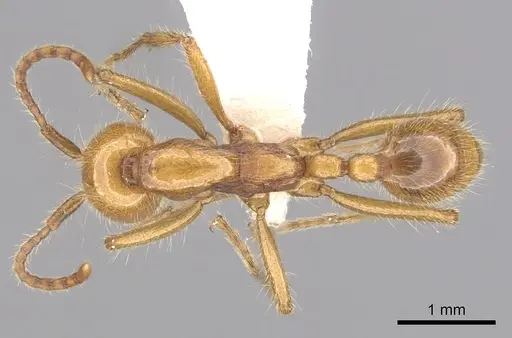
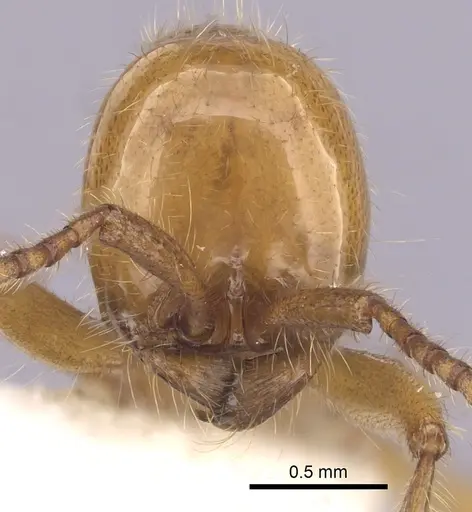
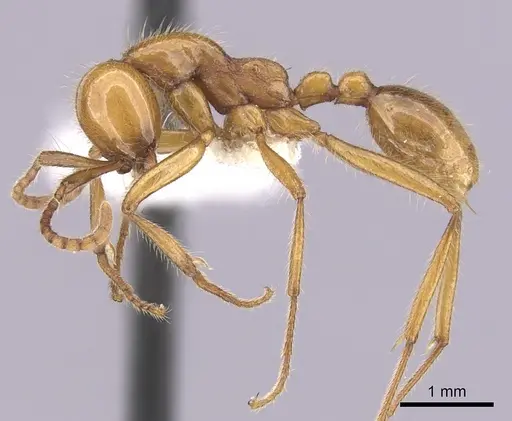
CASENT0318513
View on AntWeb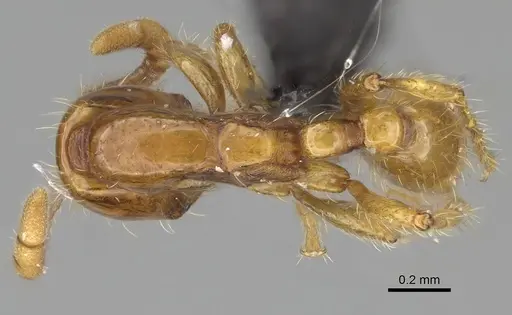
CASENT0619175
View on AntWeb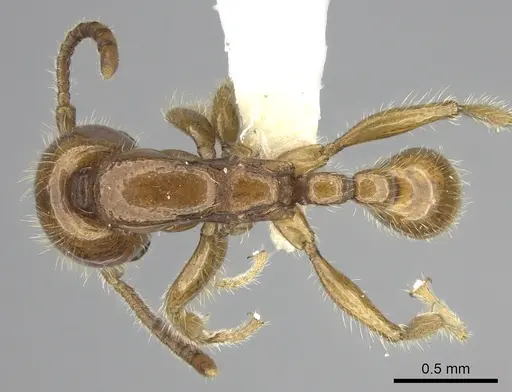
CASENT0905726
View on AntWeb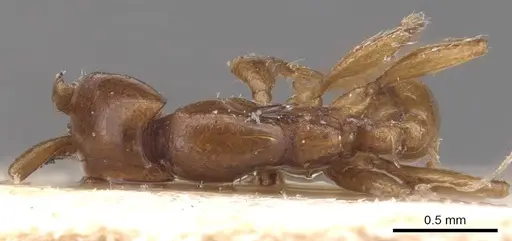
JTLC000006083
View on AntWeb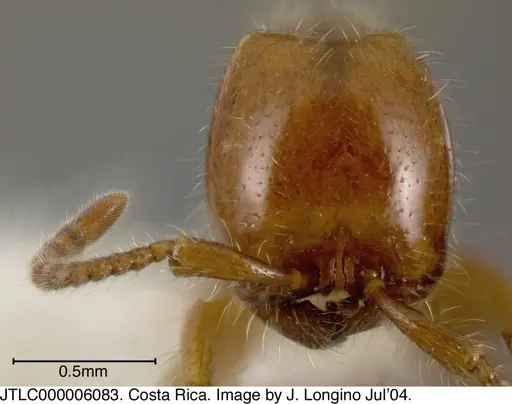
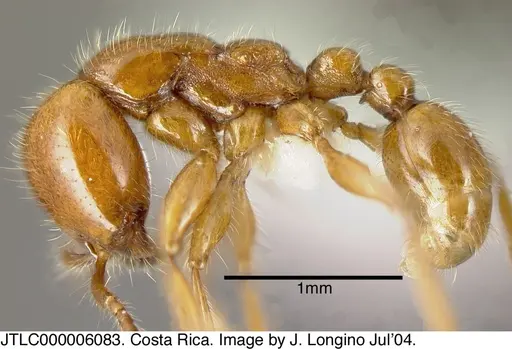
Literature
Loading distribution map...Loading products...