
Mystrium voeltzkowi
- Sci. Name
- Mystrium voeltzkowi
- Tribe
- Amblyoponini
- Subfamily
- Amblyoponinae
- Author
- Forel, 1897
- Distribution
- Found in 2 countries
Introduction
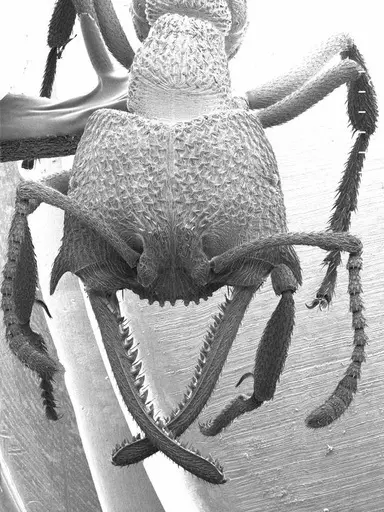
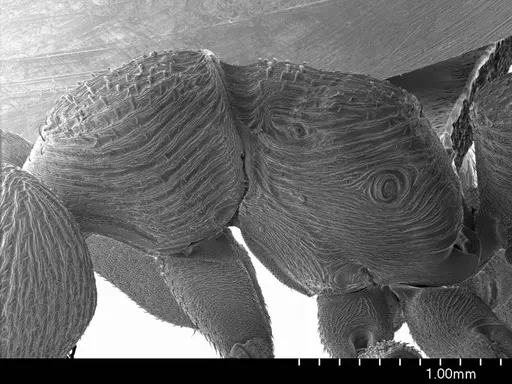
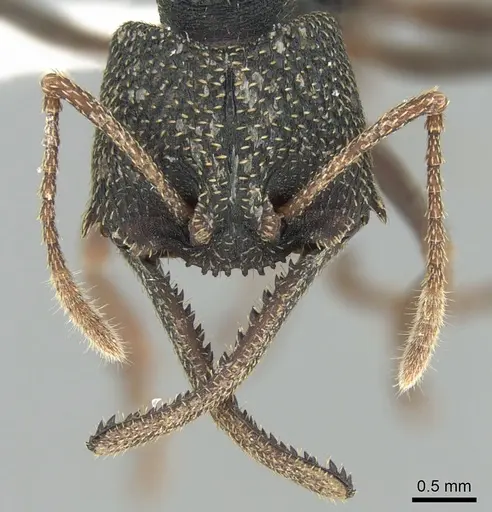
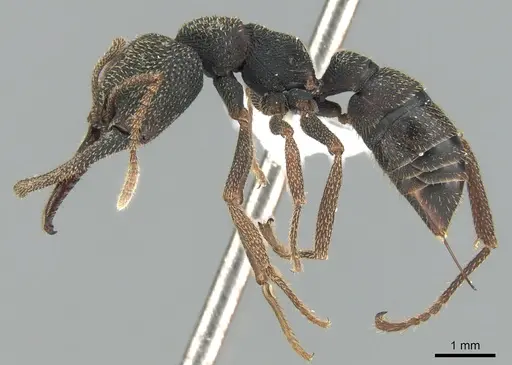
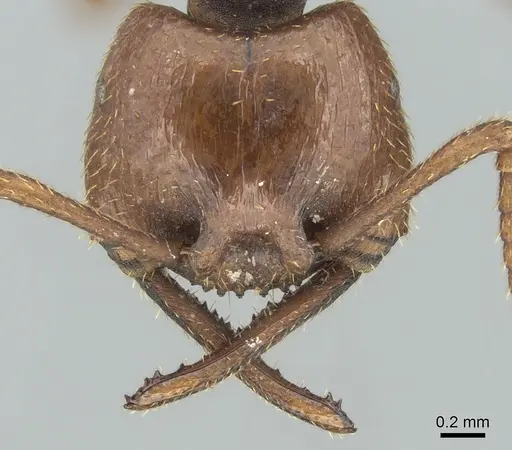
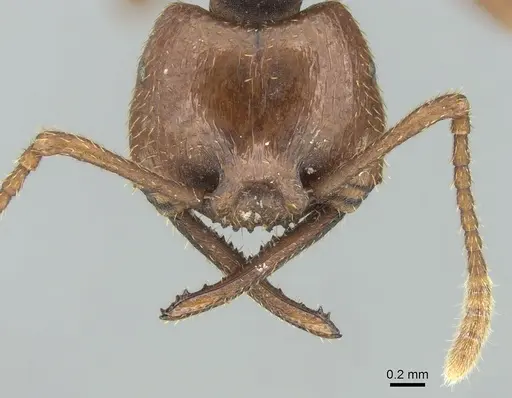
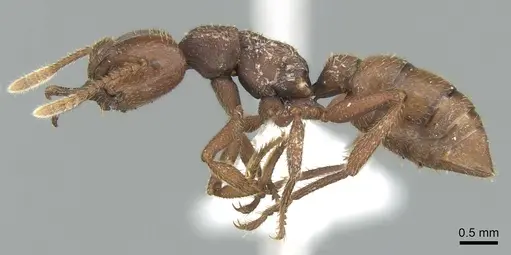
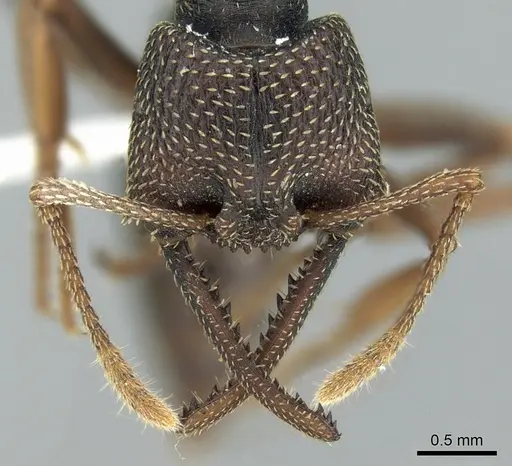
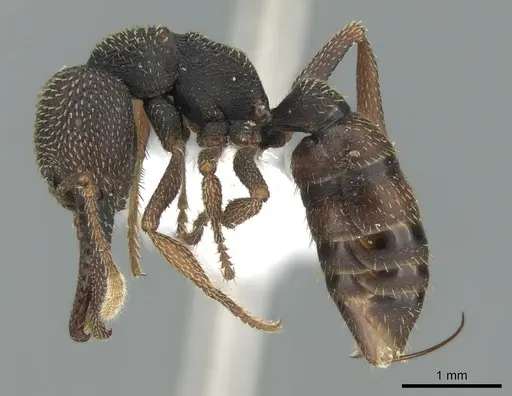
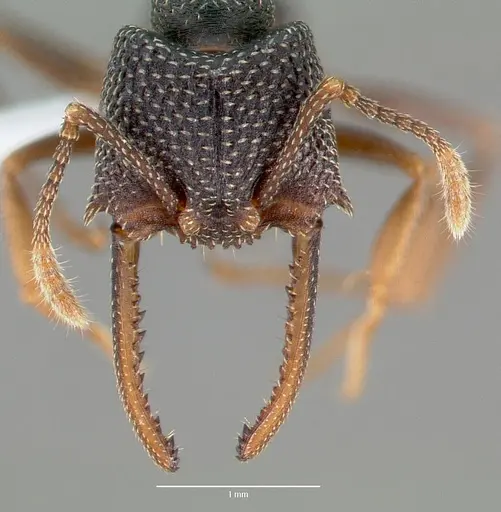
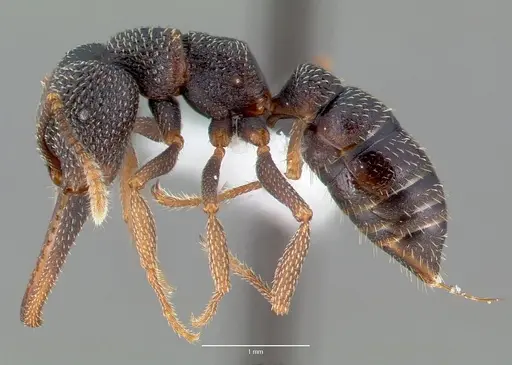
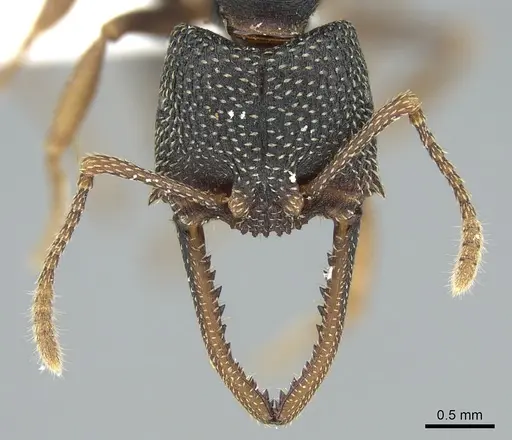
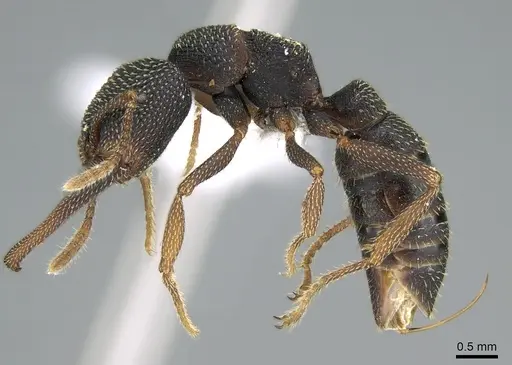
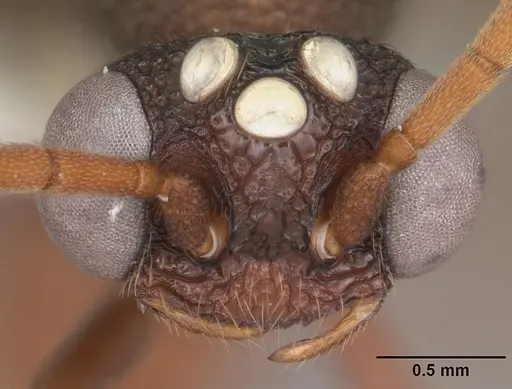
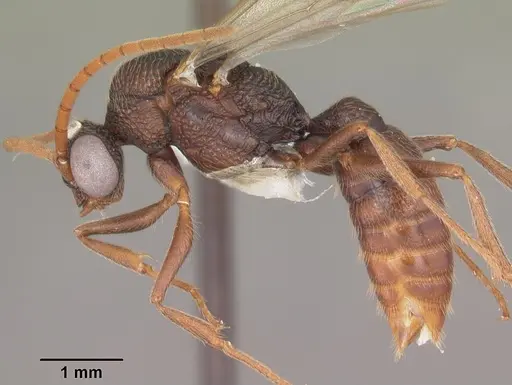
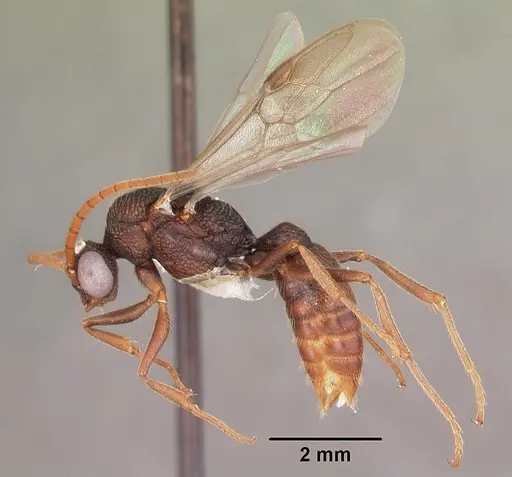
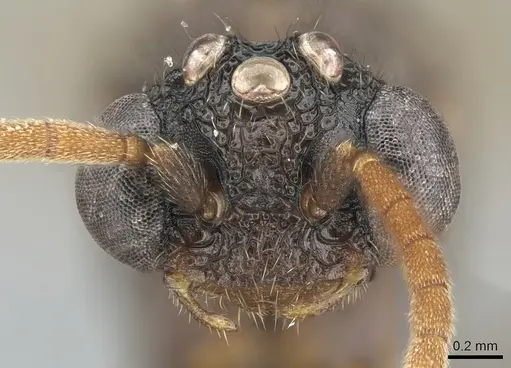
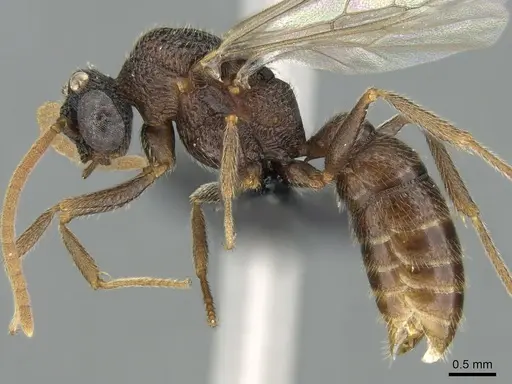
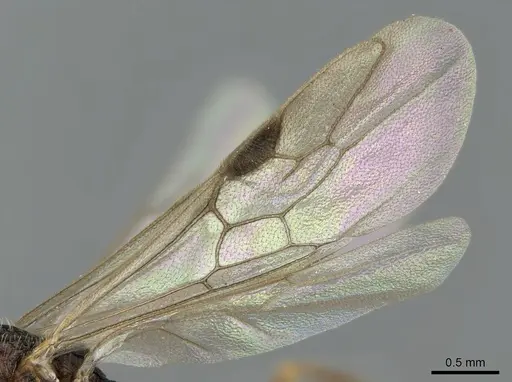
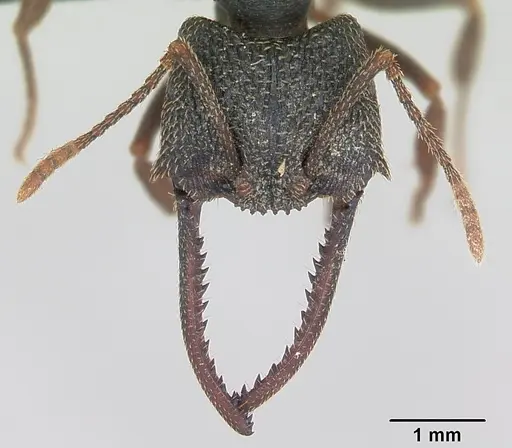
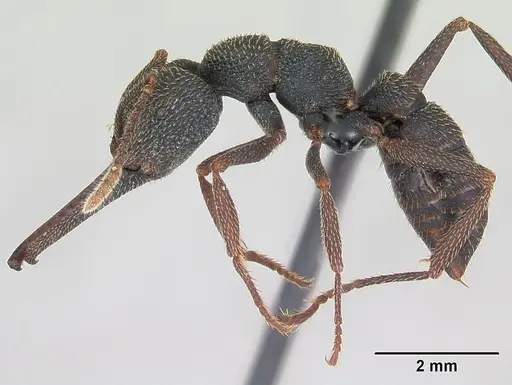
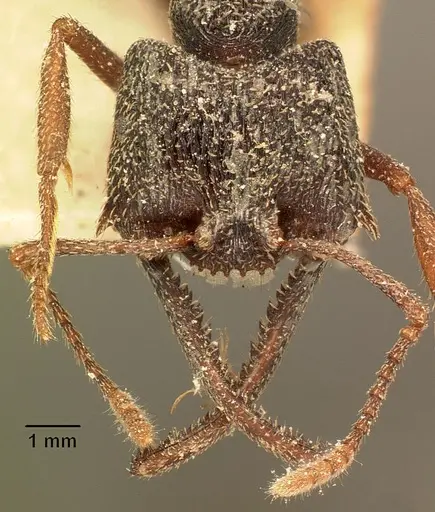
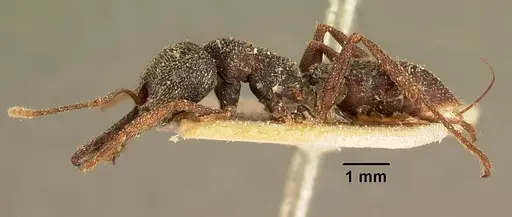
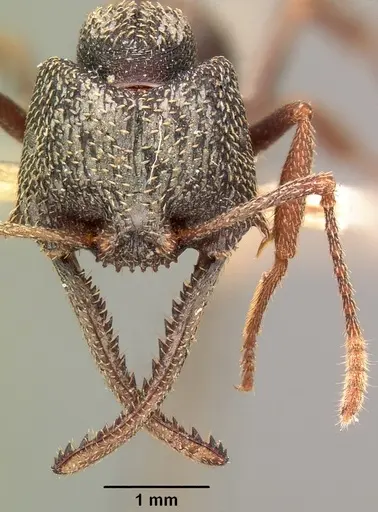
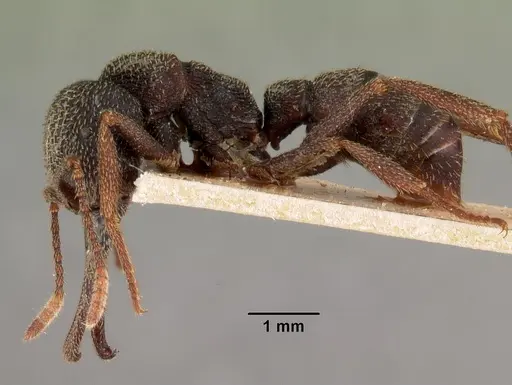
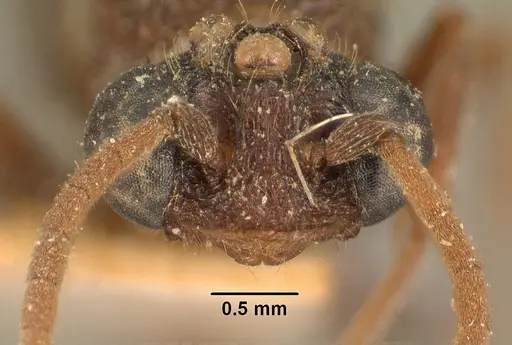
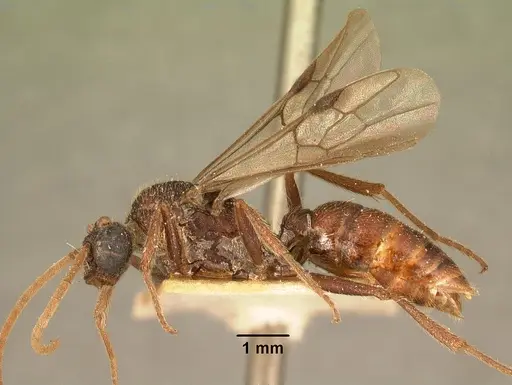
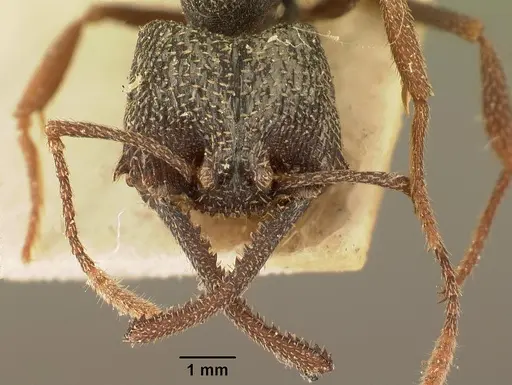
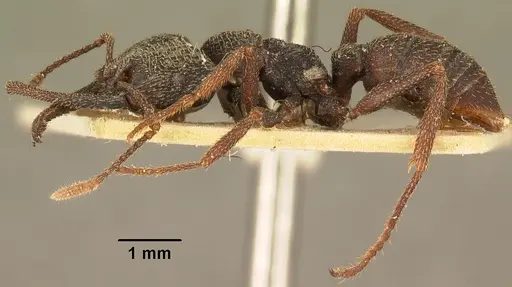
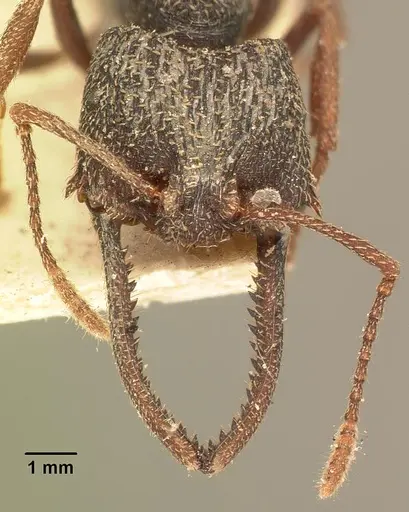
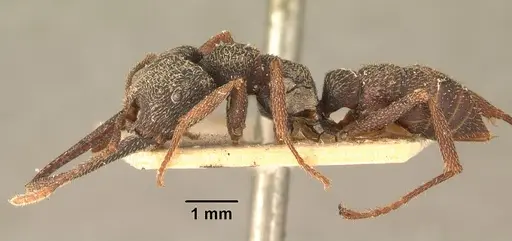
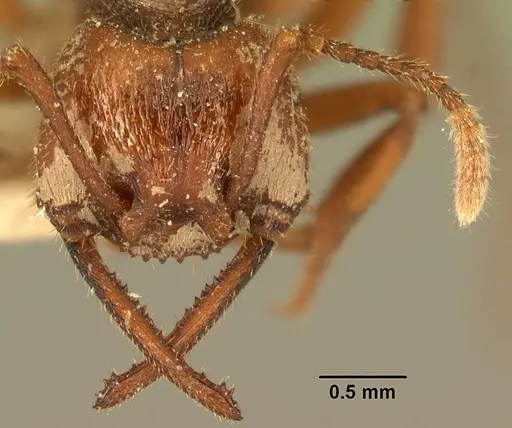
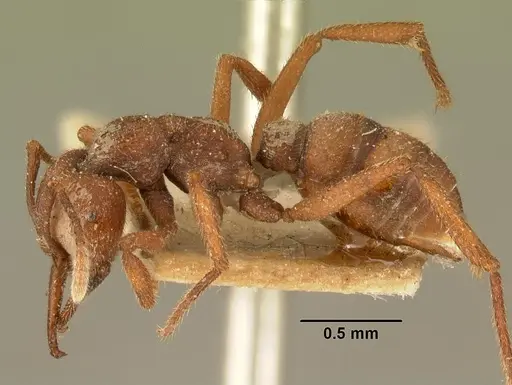
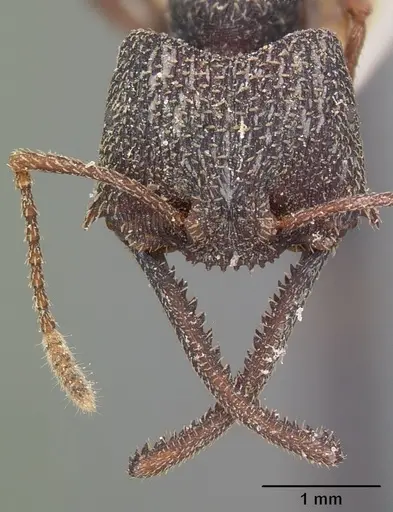
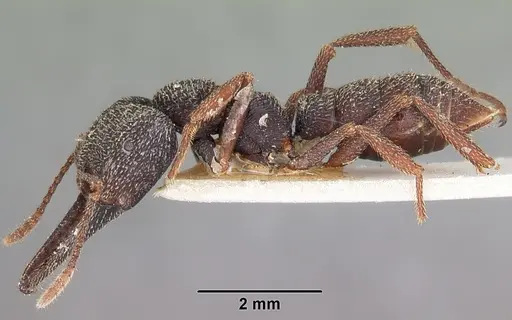
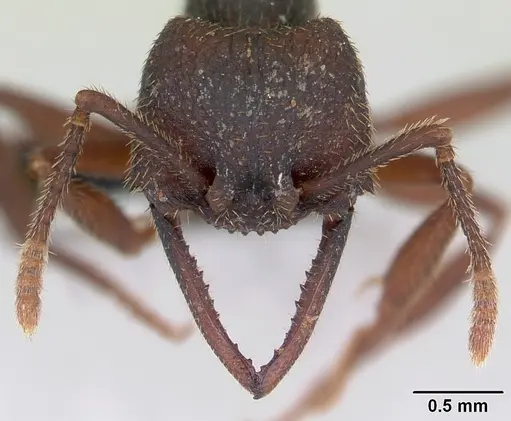
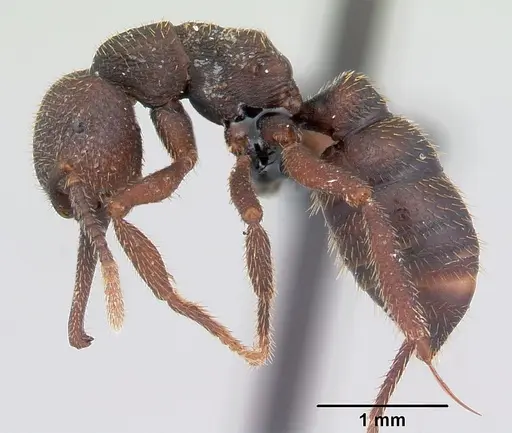
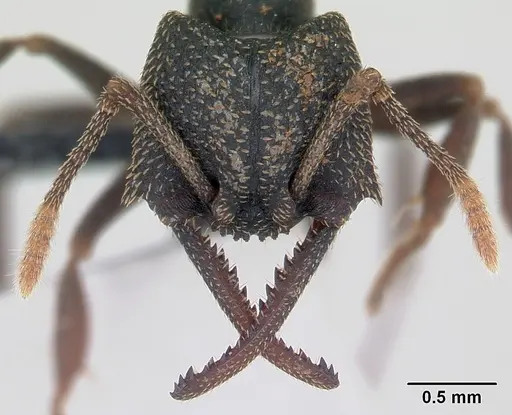
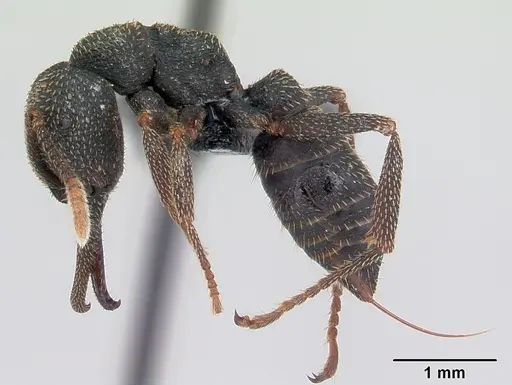
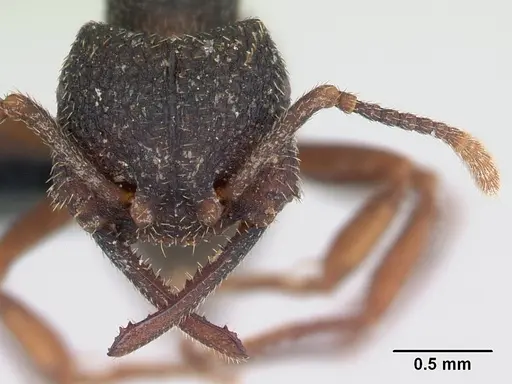
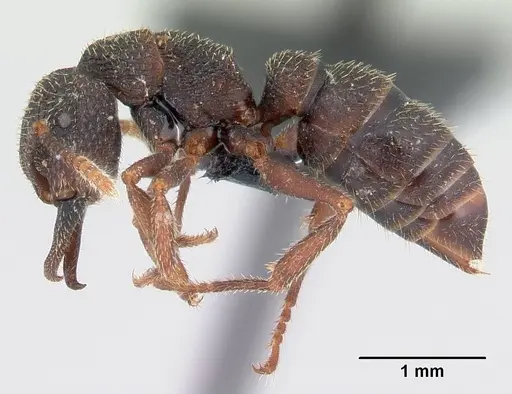
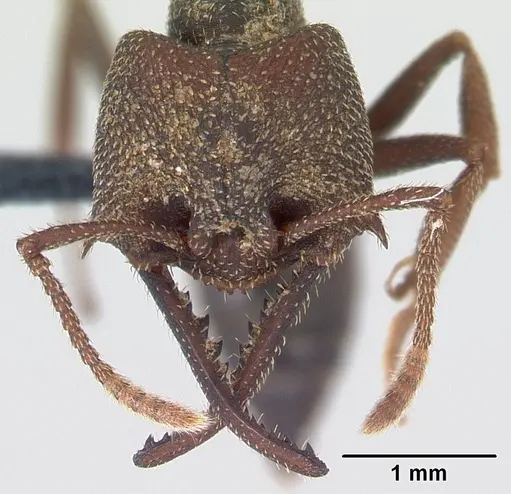
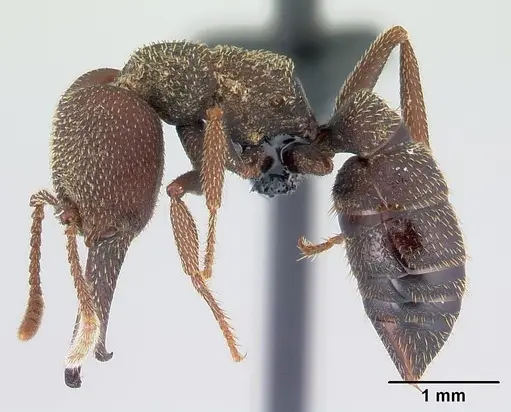
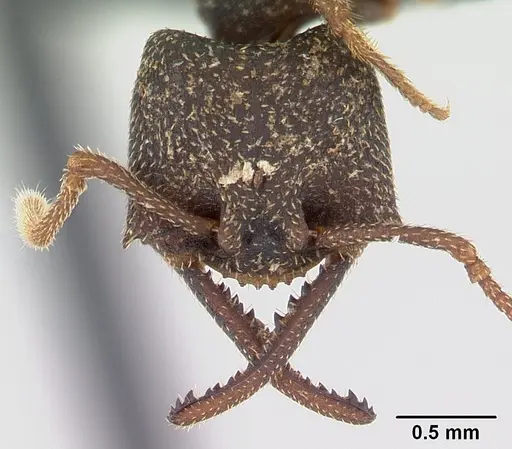
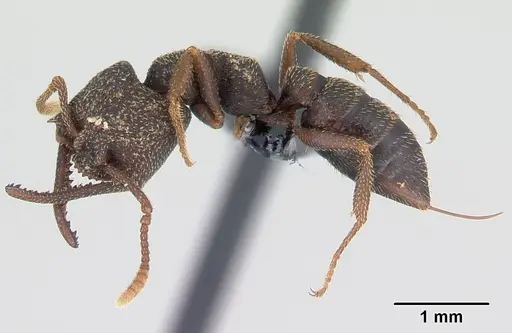
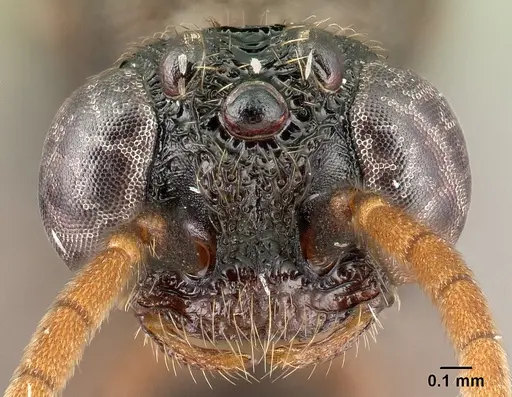
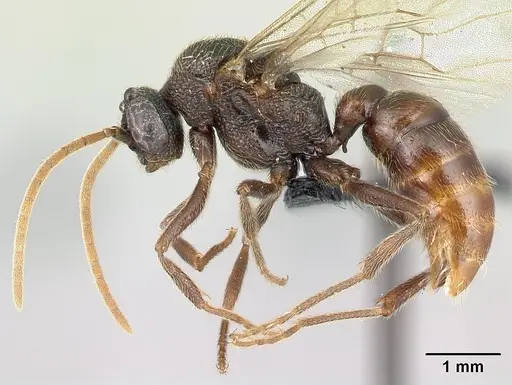
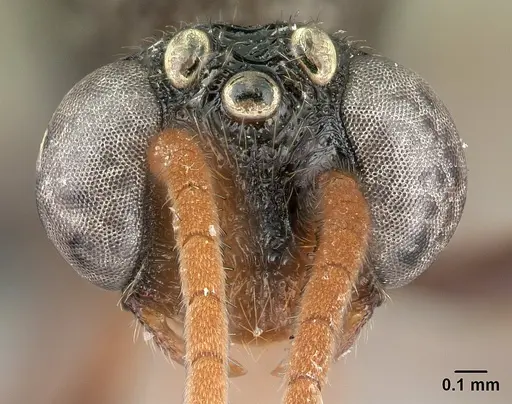
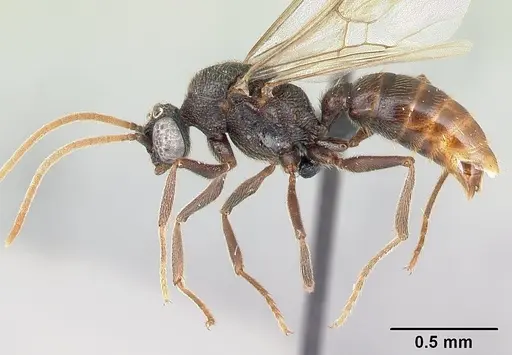
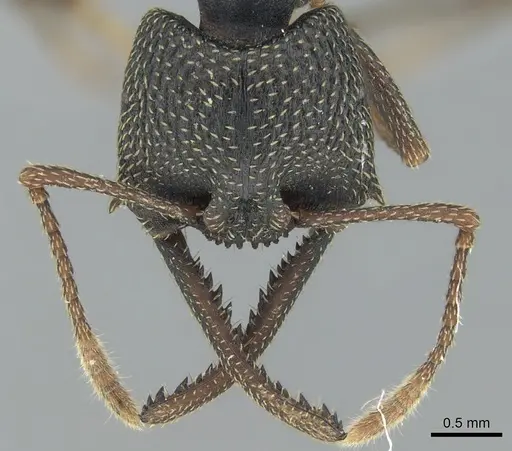
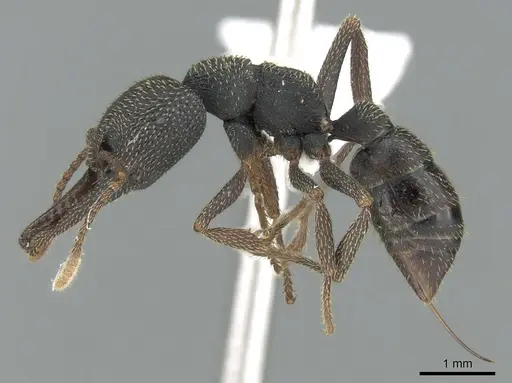
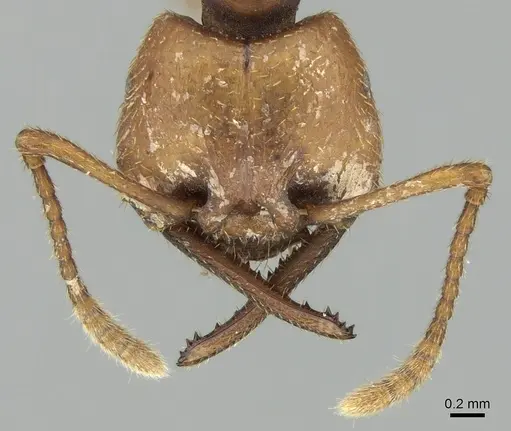
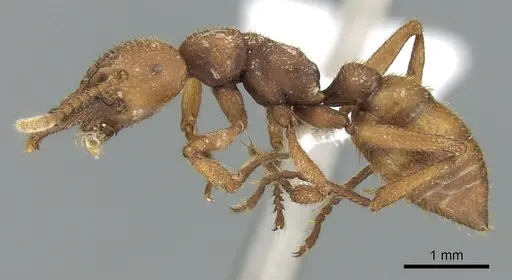
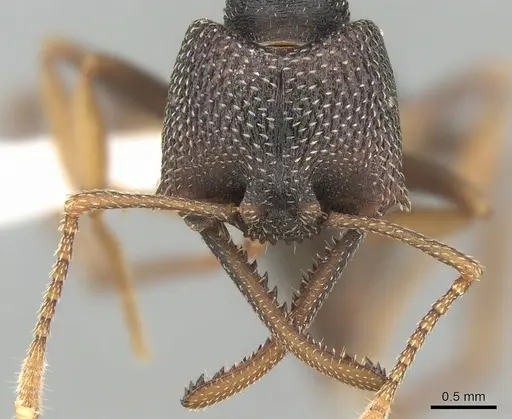
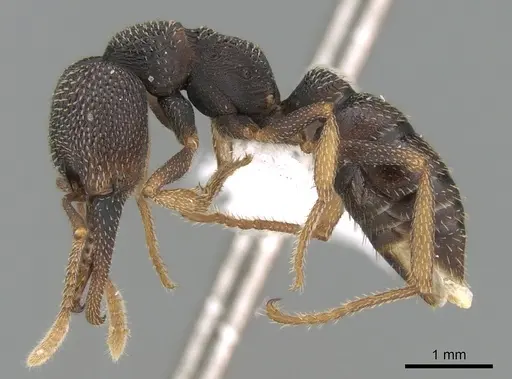
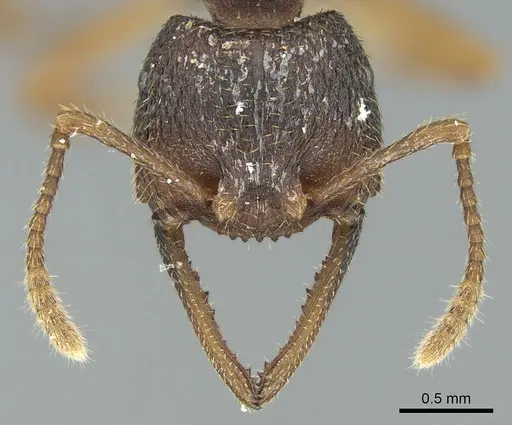
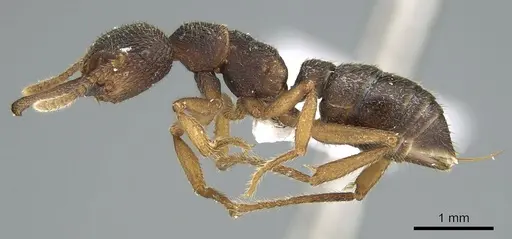
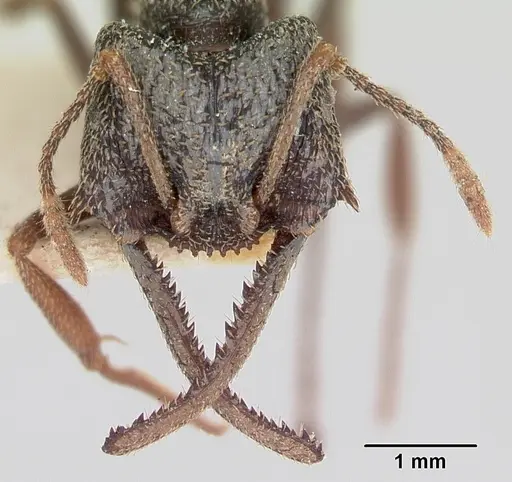
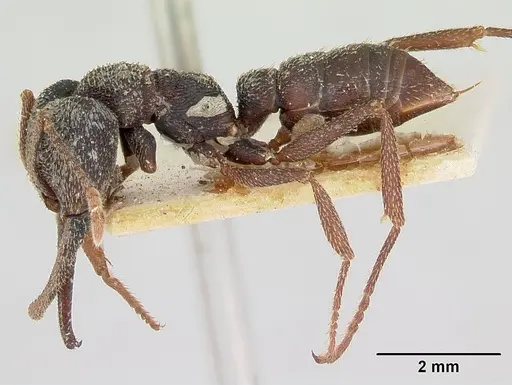
Mystrium voeltzkowi is a small ant native to Madagascar and Mayotte. Workers measure approximately 4-6mm in total length - inferred from the Mystrium genus . This species belongs to the Amblyoponinae subfamily, commonly known as 'Dracula ants' due to their unique feeding behavior of consuming hemolymph (the blood-like fluid) from prey rather than chewing entire insects. The genus Mystrium is notable for having ergatoid queens - wingless reproductive females that look more like workers but serve as the colony's egg-layers . These ants inhabit tropical dry forests, montane rainforests, littoral rainforests, and rainforest habitats across northern Madagascar and Mayotte . Their most striking morphological feature is the long, snapping mandibles that workers use to capture prey, though this makes them unsuitable for carrying brood - a task done exclusively by queens .
Quick Summary
- Difficulty: Medium
- Origin & Habitat: Northern Madagascar and Mayotte (Mt. Combani, Dapani). Found in tropical dry forest, montane rainforest, littoral rainforest, and rainforest habitats [1].
- Colony Type: Ergatoid queen system, colonies have a single wingless queen (ergatoid) that reproduces. Ergatoid queens lack wings and developed wing sclerites, appearing more worker-like but functioning as the primary reproductive [1]. Replacement reproductives develop from workers if the queen dies.
- Size & Growth:
- Queen: Approximately 3-5mm, inferred from Mystrium genus [1]
- Worker: Approximately 4-6mm, inferred from Mystrium genus [1]
- Colony: Up to several hundred workers based on related Amblyoponinae
- Growth: Moderate, inferred from typical Amblyoponinae development patterns
- Development: Estimated 6-10 weeks based on genus-level data for Amblyoponinae (Development time is estimated as no direct study exists. Temperature-dependent like most tropical ants.)
- Antkeeping:
- Temperature: Keep at 24-28°C, they are a tropical species from Madagascar
- Humidity: High humidity preferred (70-80%). These ants live in rainforest environments, so keep the nest substrate consistently moist but not waterlogged
- Diapause: No, as a tropical species from Madagascar, they do not require hibernation. Keep at stable warm temperatures year-round
- Nesting: Y-tong or plaster nests work well. Provide a moist nesting chamber as they prefer humid conditions. Avoid completely dry environments
- Behavior: Mystrium voeltzkowi is a predatory ant that hunts other small invertebrates. Workers have distinctive long snapping mandibles used to capture prey [2]. They are not aggressive toward keepers but will defend their nest. Escape risk is moderate, their small size means they can squeeze through small gaps, so use fine mesh barriers. They are primarily nocturnal or crepuscular, showing more activity during darker hours. Workers do not carry brood, queens handle this task exclusively due to their unsuitable mandibles [2].
- Common Issues: escape prevention is critical due to their very small size, use fine mesh and tight-fitting lids., tropical humidity requirements mean dry housing can quickly cause colony decline., predatory feeding requirements can be challenging, they need live prey, not just sugar water., slow colony growth compared to common species may frustrate beginners., ergatoid queens are fragile and sensitive to disturbance during founding.
Housing and Nest Setup
Mystrium voeltzkowi requires a humid, well-structured nest environment. Y-tong or plaster nests work best because they hold moisture well and provide the dark, humid conditions these ants prefer. The nesting chamber should be kept moist but never waterlogged, the substrate should feel damp to the touch with no standing water. Because they are small ants, the chambers and passages in your nest should be appropriately sized, tight enough that they feel secure but wide enough for easy movement. Connect the nest to an outworld (foraging area) that allows you to provide prey items. Use a test tube water reservoir as a humidity source, but avoid placing it directly over the nest area where it could flood. Escape prevention is critical, these tiny ants can squeeze through standard gap barriers. Use fine mesh on all openings and ensure lids fit tightly. [1][2]
Feeding and Diet
As a Dracula ant, Mystrium voeltzkowi has specialized dietary needs. They are predators that primarily hunt other small invertebrates. In captivity, offer small live prey such as fruit flies (Drosophila), springtails, tiny crickets, and other small arthropods. Unlike many ants that readily accept sugar water or honey, Dracula ants are primarily protein-focused predators. You may offer a small amount of sugar water occasionally, but do not rely on it as a primary food source. Feed prey items 2-3 times per week, adjusting based on colony size and consumption. Remove uneaten prey after 24-48 hours to prevent mold. The colony's queen may also consume prey items directly, remember that queens handle brood-carrying in this species due to workers' mandible structure [2].
Temperature and Humidity
Mystrium voeltzkowi comes from tropical Madagascar, so they need warm, humid conditions year-round. Maintain temperatures between 24-28°C in the nest area. A slight temperature gradient (warm on one side, slightly cooler on the other) allows the colony to regulate their own conditions. Use a heating cable or mat on one side of the nest if room temperature is below 24°C. Place the heating element on top of the nest, not underneath, to prevent excessive drying. Humidity should stay around 70-80%. Mist the outworld occasionally and keep the nest substrate moist. Use a water tube or moisture reservoir connected to the nest to maintain humidity. Avoid placing the setup near air conditioning or heating vents that cause temperature fluctuations. Unlike temperate species, these ants do not need a winter dormancy period. [1]
Colony Structure and Reproduction
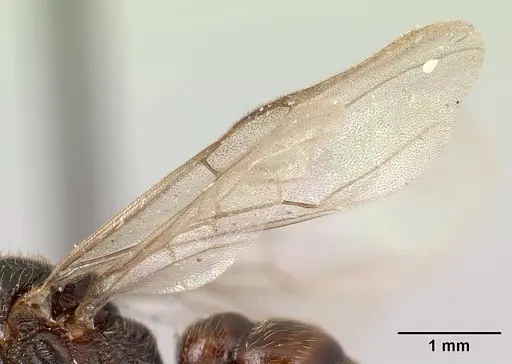
Mystrium voeltzkowi has an unusual colony structure with ergatoid queens, wingless females that look more like workers but function as the colony's egg-layers [1]. Unlike typical ants with large, winged queens, ergatoid queens have no wings or only tiny vestigial wing pads. They cannot fly and instead mate on the ground or near the nest entrance. Colonies appear to be monogyne, meaning they have a single queen. If the queen dies, workers may develop into replacement reproductives (ergatoid replacement), ensuring colony survival. The queen handles all brood-carrying duties because workers have long snapping mandibles unsuitable for this delicate task [2]. This is a unique trait among ants and reflects the specialized morphology of the Amblyoponinae subfamily.
Behavior and Temperament
These ants are predatory hunters with distinctive long snapping mandibles they use to capture prey [2]. They are not particularly aggressive toward humans and rarely sting, their defense is primarily directed at prey and nest intruders. Workers are most active during darker hours, showing crepuscular or nocturnal patterns typical of many Amblyoponinae species. When hunting, they use their mandibles to snap shut on prey, then consume the hemolymph (body fluids). This 'Dracula' feeding behavior is what gives the subfamily its common name. Workers do not carry brood, this task falls exclusively to the queen, whose mandibles are better suited for the delicate work of moving eggs and larvae [2]. The colony will defend their nest if threatened, but they are not known for aggressive swarming like some Poneromorph ants.
Frequently Asked Questions
How long does it take for Mystrium voeltzkowi to produce first workers?
The egg-to-worker timeline is estimated at 6-10 weeks based on related Amblyoponinae species. This is slower than many common ant species, so patience is required during the founding stage. Temperature affects development speed, warmer conditions (within the 24-28°C range) tend to speed up development slightly.
Can I keep multiple Mystrium voeltzkowi queens together?
Not recommended. This species appears to be monogyne with a single ergatoid queen per colony. Combining unrelated queens has not been documented and would likely result in fighting. If you acquire a colony, assume it has one queen and do not attempt to add more.
Do Mystrium voeltzkowi ants sting?
They rarely sting humans. Their primary defense is their snapping mandibles used to capture prey, not to sting keepers. The sting is present but these ants are too small to penetrate human skin effectively. They are not considered dangerous to handle.
What do I feed Mystrium voeltzkowi?
They need live small prey, fruit flies, springtails, tiny crickets, and other small arthropods are ideal. They are predatory Dracula ants that consume the hemolymph of prey rather than eating entire insects. Offer prey 2-3 times per week. Sugar water may be accepted occasionally but should not be a primary food source.
Are Mystrium voeltzkowi good for beginners?
They are rated as medium difficulty. While not the hardest ant to keep, they have specific requirements (high humidity, warm temperatures, live prey) that make them better suited for keepers with some experience. Their slow growth and specialized diet can frustrate complete beginners.
Do Mystrium voeltzkowi need hibernation?
No. As a tropical species from Madagascar, they do not require hibernation or winter dormancy. Keep them at stable warm temperatures (24-28°C) year-round. Temperature drops below 20°C for extended periods can stress or kill the colony.
When should I move them to a formicarium?
Keep newly caught or purchased colonies in a test tube setup until the colony reaches 15-20 workers. Once the colony is established and growing, you can move them to a Y-tong or plaster formicarium. Make sure the new environment is humid and has appropriately sized chambers for their small size.
Why don't workers carry brood in this species?
Workers have long snapping mandibles that are excellent for capturing prey but unsuitable for the delicate task of carrying eggs and larvae. The queen handles all brood-carrying duties exclusively [2]. This is a unique trait of Amblyoponinae ants including Mystrium.
How big do Mystrium voeltzkowi colonies get?
The maximum colony size is not well documented, but based on related Amblyoponinae, they likely reach several hundred workers. They are not among the largest ant species but maintain moderate-sized colonies.
Why are they called Dracula ants?
They belong to the Amblyoponinae subfamily, known as 'Dracula ants' because they feed on hemolymph (the blood-like fluid inside insects) rather than consuming entire prey items. They bite down on prey and drink its fluids, similar to how a vampire feeds, hence the name.
Report an Issue
The current care sheet is based fully on literature. See inconsistencies, or something that's incorrect? Please , it will be resolved after review from an admin. Contributing to the blogs tab also helps providing information, to make us be able to further improve the caresheets. Thank you for your support!
References

This caresheet is licensed under CC BY-SA 4.0 .
Community Blogs
ANTWEB1008554
View on AntWeb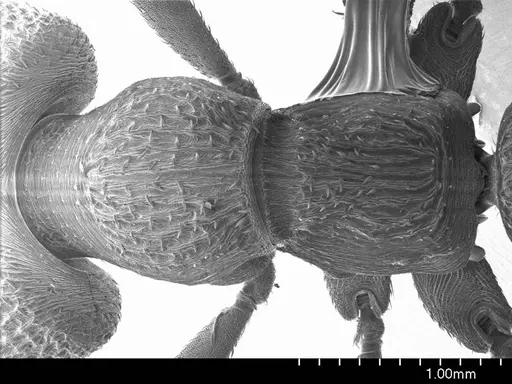
CASENT0002075
View on AntWeb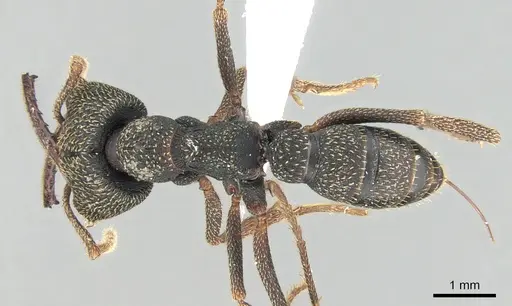
CASENT0002092
View on AntWeb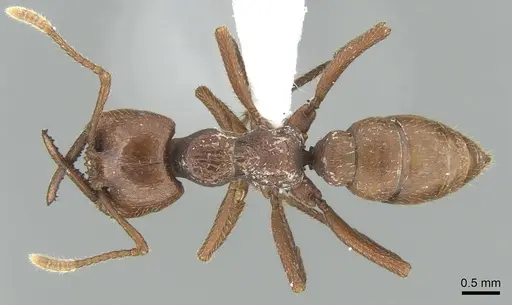
CASENT0002095
View on AntWeb
CASENT0002102
View on AntWeb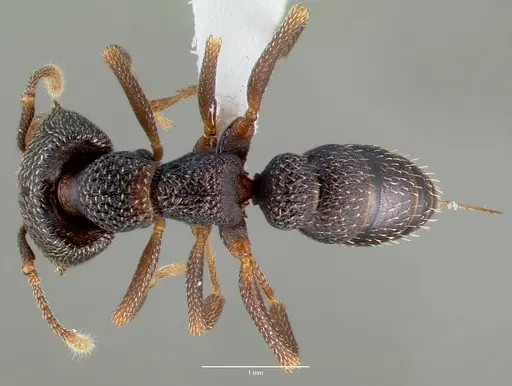
CASENT0002116
View on AntWeb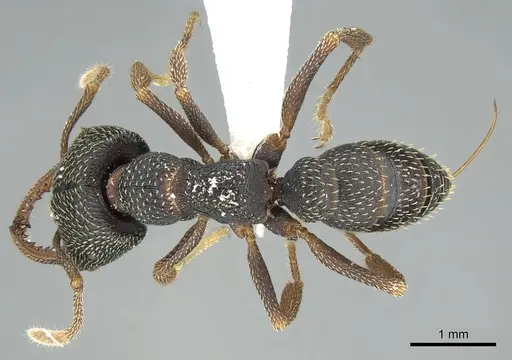
CASENT0003271
View on AntWeb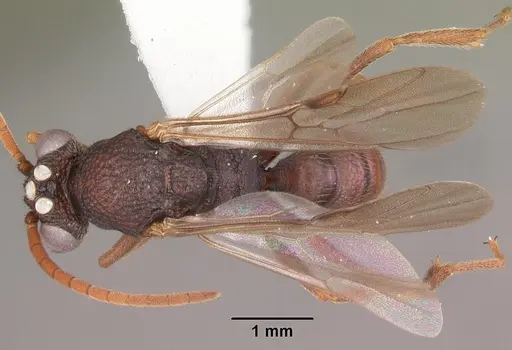
CASENT0053018
View on AntWeb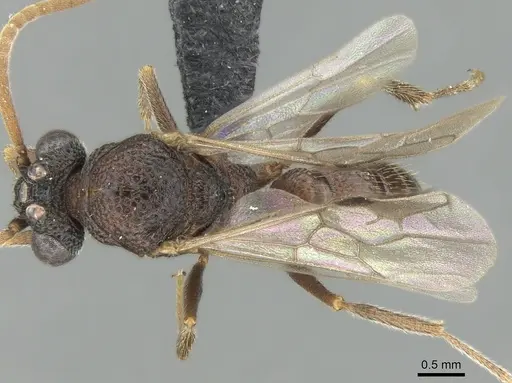
CASENT0076622
View on AntWeb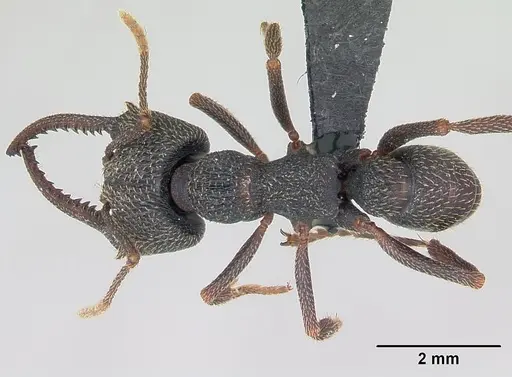
CASENT0101137
View on AntWeb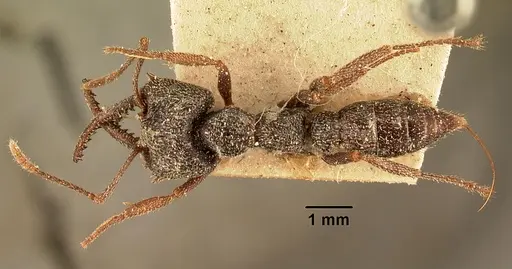
CASENT0101448
View on AntWeb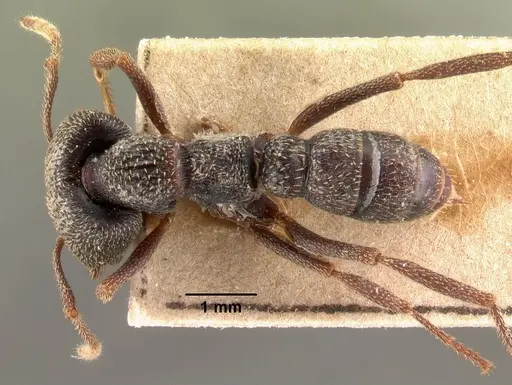
CASENT0101673
View on AntWeb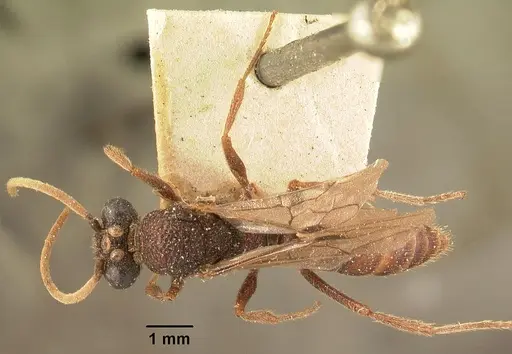
CASENT0101710
View on AntWeb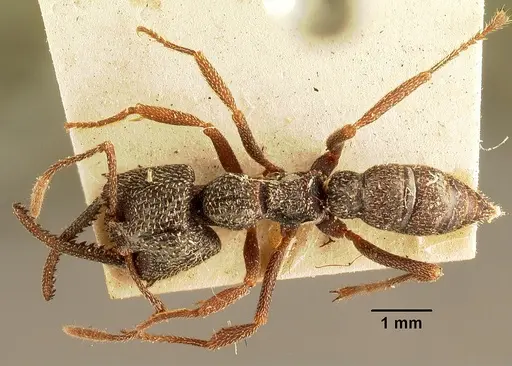
CASENT0101952
View on AntWeb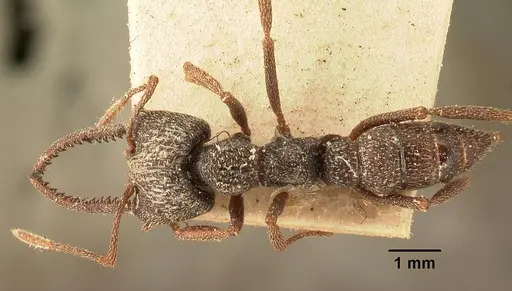
CASENT0101995
View on AntWeb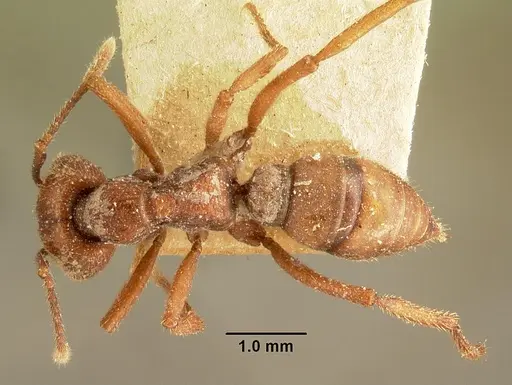
CASENT0104563
View on AntWeb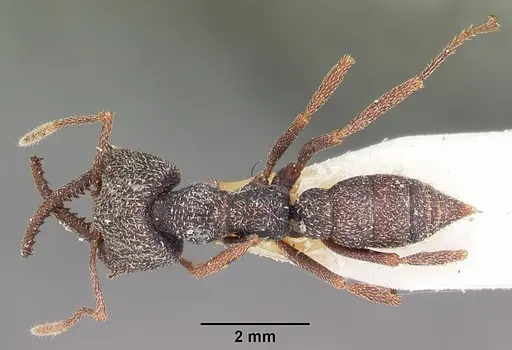
CASENT0133047
View on AntWeb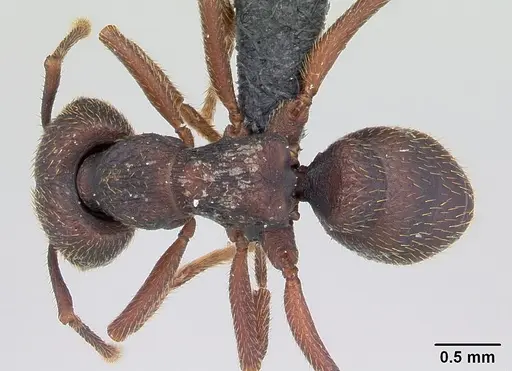
CASENT0133921
View on AntWeb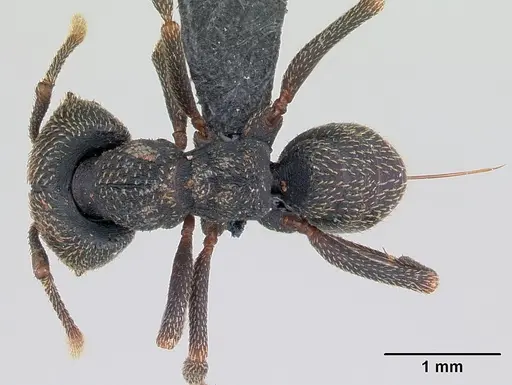
CASENT0141843
View on AntWeb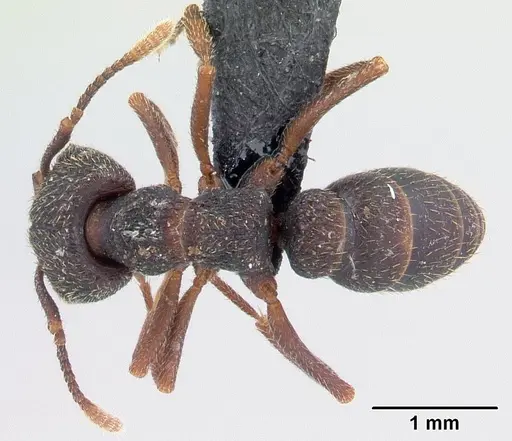
CASENT0147553
View on AntWeb
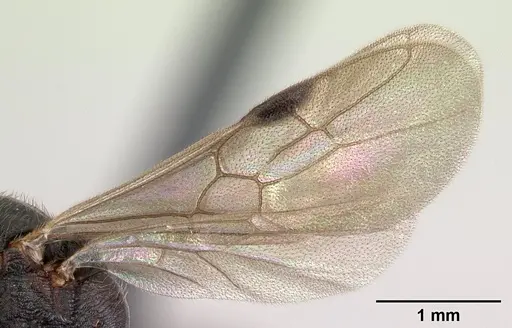
CASENT0149050
View on AntWeb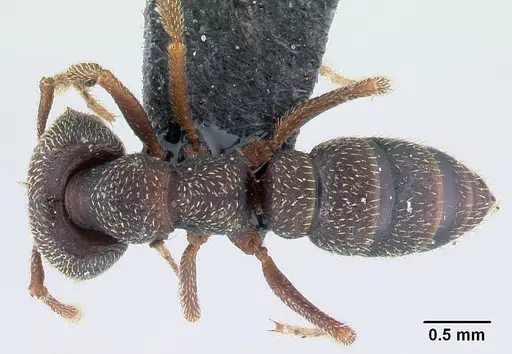
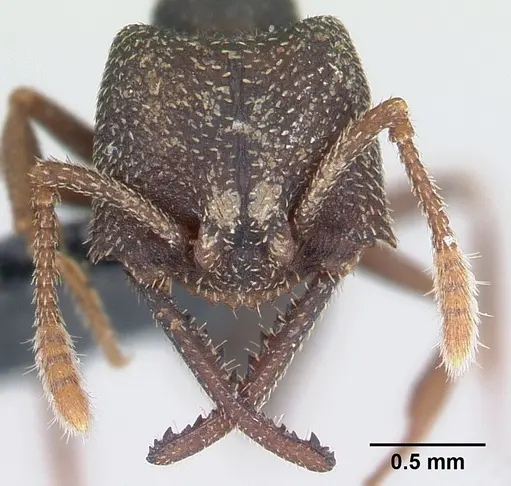
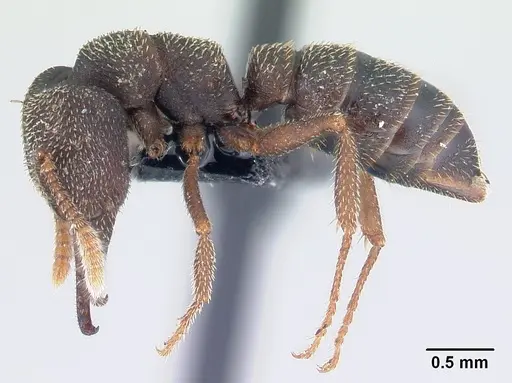
CASENT0149496
View on AntWeb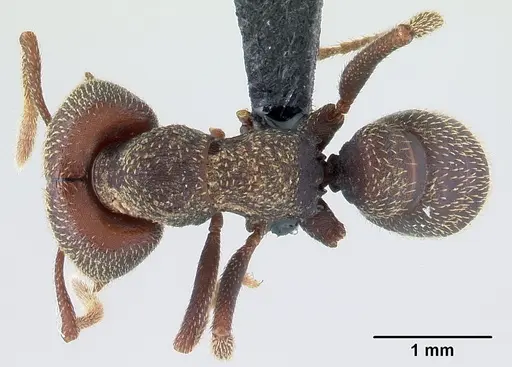
CASENT0149497
View on AntWeb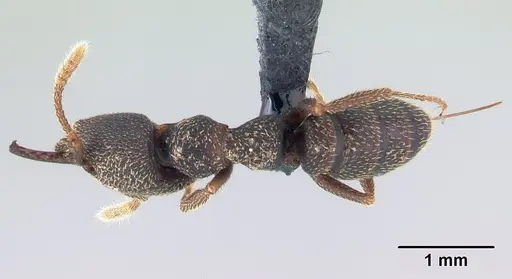
CASENT0317583
View on AntWeb
CASENT0317584
View on AntWeb
CASENT0476767
View on AntWeb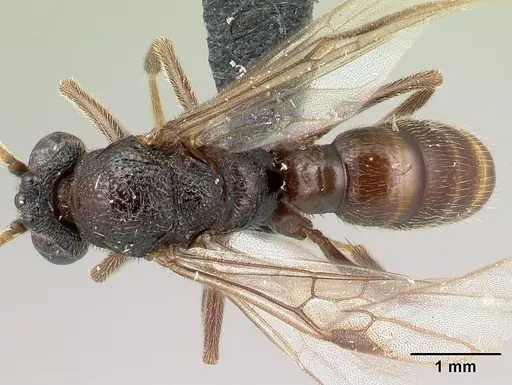
CASENT0476993
View on AntWeb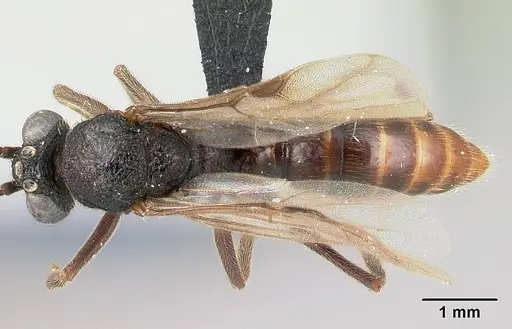
CASENT0906531
View on AntWeb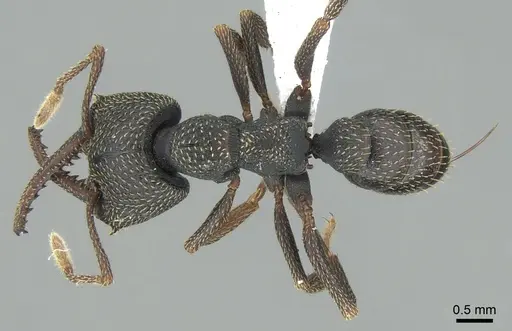
CASENT0906537
View on AntWeb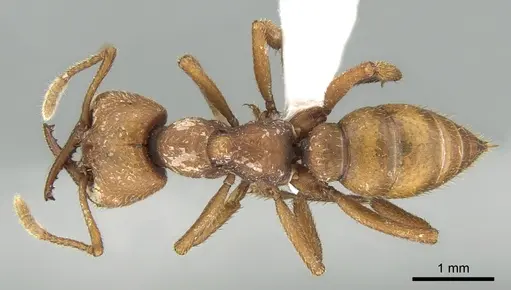
CASENT0906538
View on AntWeb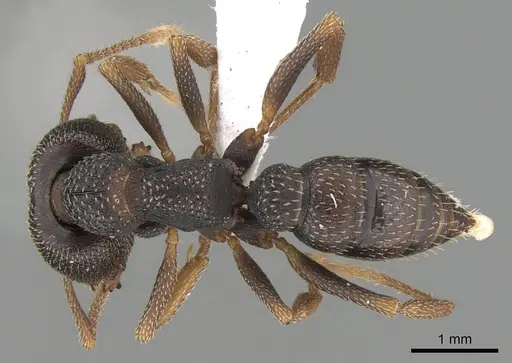
CASENT0906539
View on AntWeb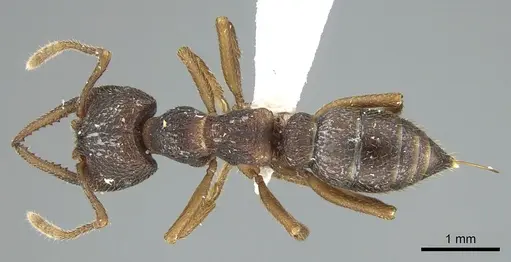
MCZTYPE20364
View on AntWeb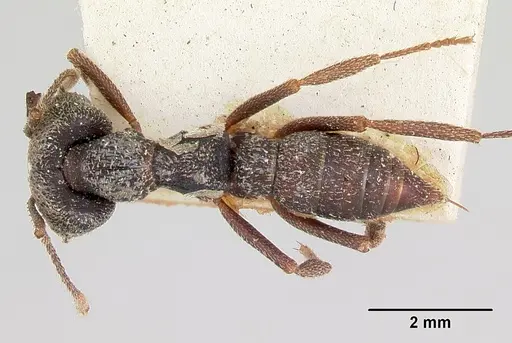
Literature
Loading distribution map...Loading products...